


























































































The team at Lucky Crush spends a lot of time thinking about how people form real connections in digital spaces, so the structural bind that LGBTQ+ and trans students face in smaller university towns is familiar territory. When local infrastructure simply doesn’t exist, students reach for what does. Among the digital tools they actually use, real-time video chat platforms built specifically for trans and queer users are one distinct category: the LuckyCrush website connects trans and queer users for live video conversation, giving students in sparse local scenes a direct, person-to-person way to meet peers. What follows is a plain account of how queer and trans students actually piece together community when the town around them offers little to work with.
Smaller Towns, Bigger Gaps
The mismatch starts with geography. In major cities, LGBTQ+ social life has physical form: dedicated bars, community centres, bookshops, health clinics, and the spontaneous visibility of simply being around others like you. Smaller college towns rarely have any of that. A single bar or coffee shop with a loose reputation as queer-friendly doesn’t constitute infrastructure, and in many cases there’s nothing at all. For students who arrive expecting something equivalent to what they’d find in a larger city, that absence lands fast.
Transit compounds it. Many smaller university towns have limited public transportation, which means students without personal vehicles can’t easily get to the nearest city that does have LGBTQ+ venues and spaces. The option of driving an hour each way on a weekend works for some people some of the time. It doesn’t work as a social foundation. Campus becomes the entire operating environment, which makes what’s available on campus far more consequential than it would be anywhere else.
Campus Organisations as the First Point of Contact
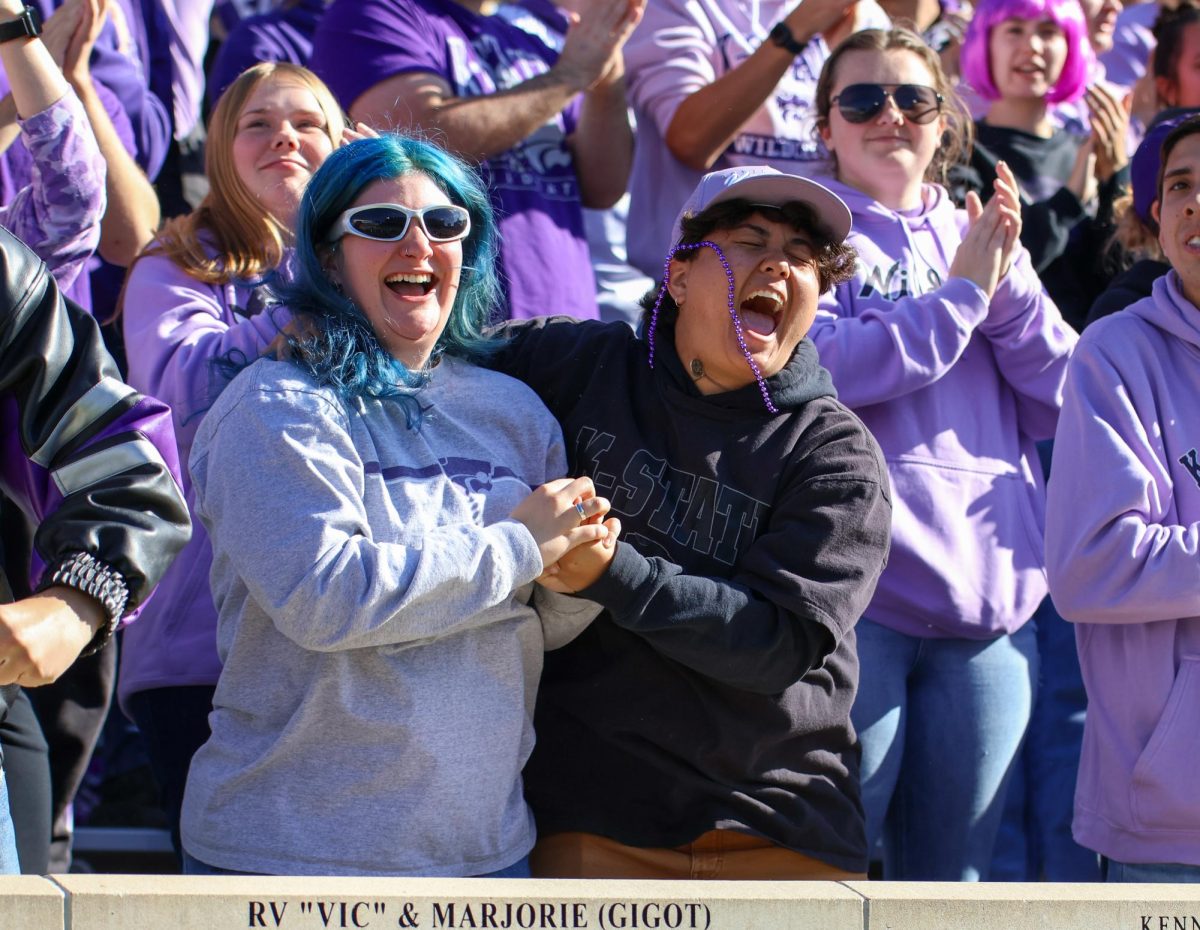
For most queer and trans students arriving at a smaller university, the campus LGBTQ+ resource centre or student organisation is the first place they look. Pride alliances and Gender and Sexuality Alliance groups are common on campuses that have invested in student life, and they tend to do several things at once: they provide a physical gathering space, a calendar of events, and, most importantly, other people. For a student who hasn’t been out for long, or who is figuring things out in real time, being in a room with others who are also navigating similar territory has a specific value that no website can fully replicate.
Counselling and mental health services with LGBTQ+-experienced staff add another layer, though availability varies widely from one institution to the next. Some campuses have dedicated support; others have one or two counsellors with relevant training in a general pool. Students often have to ask directly to find out what’s actually there.
The honest limitation of campus organisations is their boundedness. They’re tied to the academic calendar, they end at graduation, and they don’t automatically reach students who are isolated, closeted, or not yet sure they want to identify publicly with any group. They’re a strong starting point, not a complete solution.
Digital Spaces as Infrastructure, Not Fallback
When physical options are thin, digital tools stop being optional and start functioning as genuine infrastructure. That’s not a consolation. Social media platforms and community apps have become real gathering spaces for LGBTQ+ individuals in regions where brick-and-mortar options are sparse, and the connections formed there aren’t inherently less meaningful for being screen-mediated.
Video chat occupies a specific position in this landscape. Text-based platforms, forum threads, and social feeds all carry community in their own way, but they don’t offer the same sense of presence that a live face-to-face conversation does. Video chat closes that gap without requiring anyone to get in a car. For a student in a small university town who wants to meet queer or trans peers beyond the borders of their campus, real-time video conversation is functionally different from sending a message and waiting.
The range of digital options students now have is wide enough that it’s worth thinking about them as complementary rather than interchangeable. Social platforms help with ambient visibility and low-stakes connection. Community apps organised around specific identities let people find each other with less friction. Live video fills the need for actual conversation and presence. Each does something different.
Trans-to-Trans Connection as a Specific Need
Peer visibility matters in a particular way during the college years, because college is often when people come out for the first time, begin experimenting publicly with identity, or start to understand their own gender in terms they hadn’t had before. Finding others who share your identity isn’t the same as finding allies, however good those allies are. Knowing that someone has lived through what you’re currently living through, and can talk about it from the inside, is a qualitatively different thing.
For trans students specifically, connecting with other trans peers carries practical weight that broader queer community sometimes doesn’t. Questions about navigating institutional processes, managing disclosure in professional contexts, or understanding available options aren’t answered the same way by allies as they are by people who’ve been there. Many trans students describe those peer connections as among the most substantive they form during their college years, precisely because they carry lived-experience knowledge that no support centre can fully replace.
The challenge in a smaller town is that the trans student population may be very small. Finding even a handful of peers on campus can take time and luck. Digital spaces expand that search well beyond the campus boundary.
Layering On-Campus and Online into Something That Lasts
The students who build the most durable community in smaller university towns tend to treat campus and digital spaces as a combined system rather than alternatives. The on-campus organisation provides an in-person anchor: regular contact with people who are geographically close, shared events, and the specific comfort of physical presence. Digital tools extend that outward, connecting students to queer and trans peers across a much wider geography and giving them access to communities organised around specific identities rather than the broad category of “LGBTQ+ student at this institution.”
Trans-specific peer spaces, whether online communities or digital platforms designed for that audience, add depth to what broader digital tools provide. They’re where students often find the most substantive peer-to-peer exchange, the kind that goes beyond social contact into genuine mutual support and knowledge-sharing.
Putting this together is an active practice, not something that happens on its own. It requires a student to show up to the campus organisation, to look for digital communities with real intention, and to invest in peer relationships across both settings. That’s a real ask, especially early in a college career. But the students who do it don’t end up waiting for their town to build the infrastructure they need. They build the network themselves.