






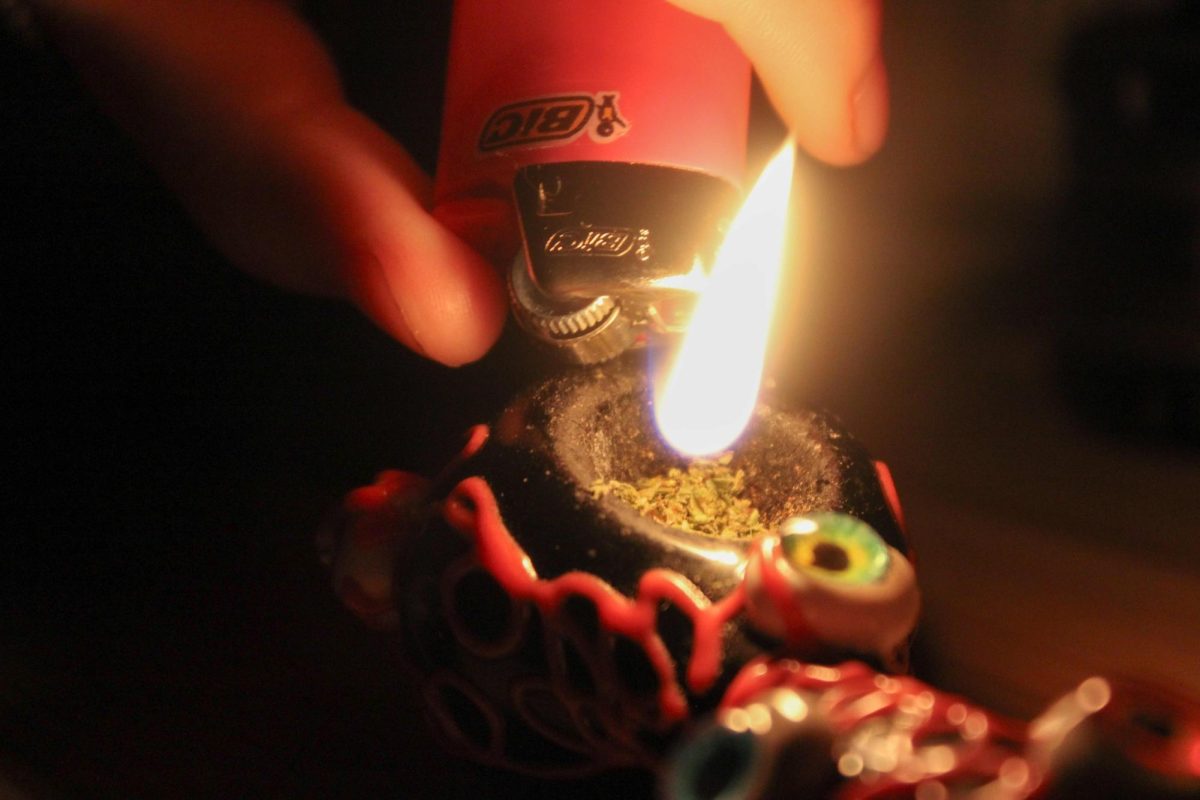



















































Kansas is surrounded. Colorado sells adult-use cannabis 4 hours west. Missouri sells it 2 hours east. Kansas sells none of it, and a joint in your car in Riley County is still a crime.

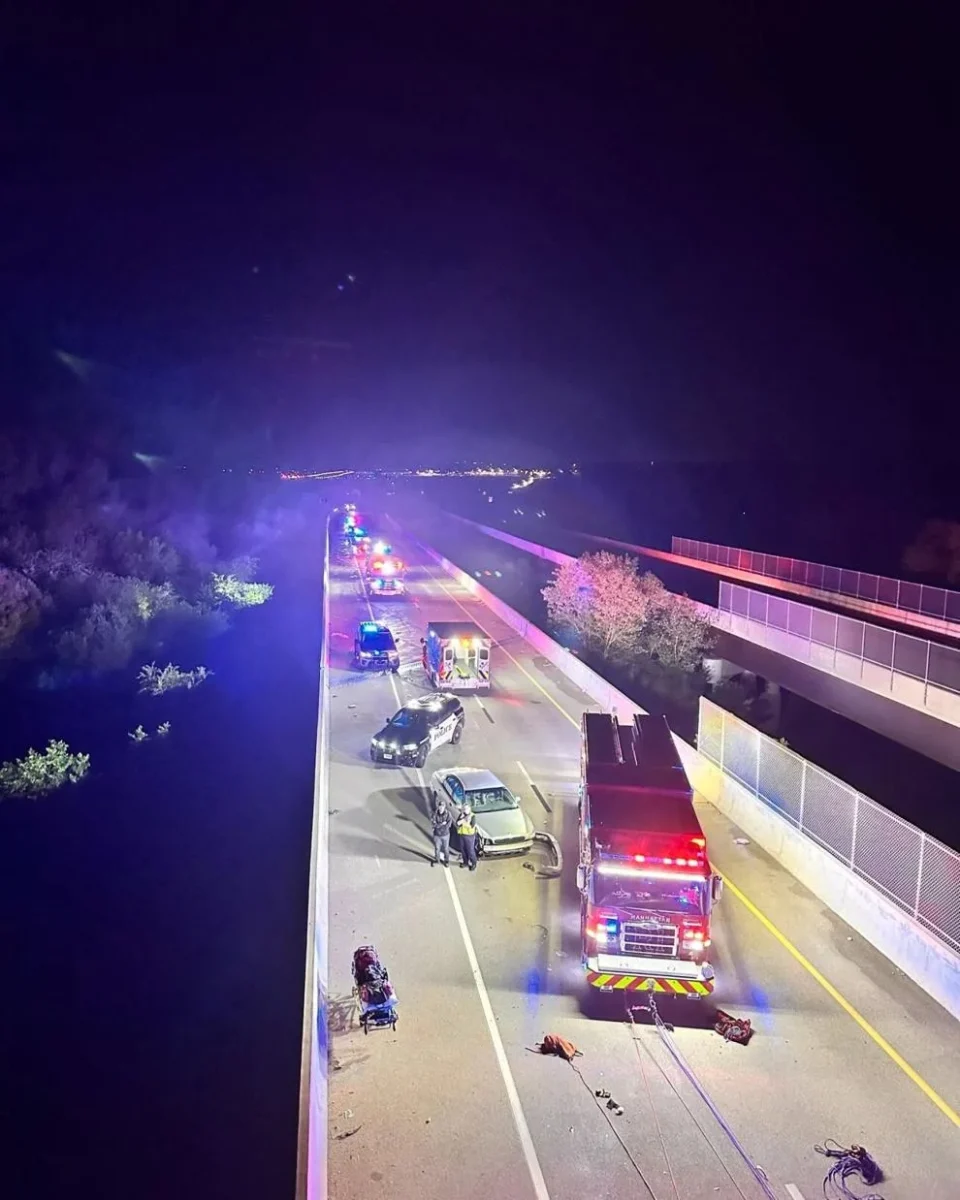
Photo by Hiep Duong on Unsplash
Alt text: cars parked in front of store during night time
That gap produces a lot of confident misinformation on campus. In Canada, a licensed shop called Cheap Cannabis posts its prices publicly and ships only to Canadian addresses. That is roughly what a fully legal market looks like from the outside. Kansas is not that, and neither is the version most students have in their heads.
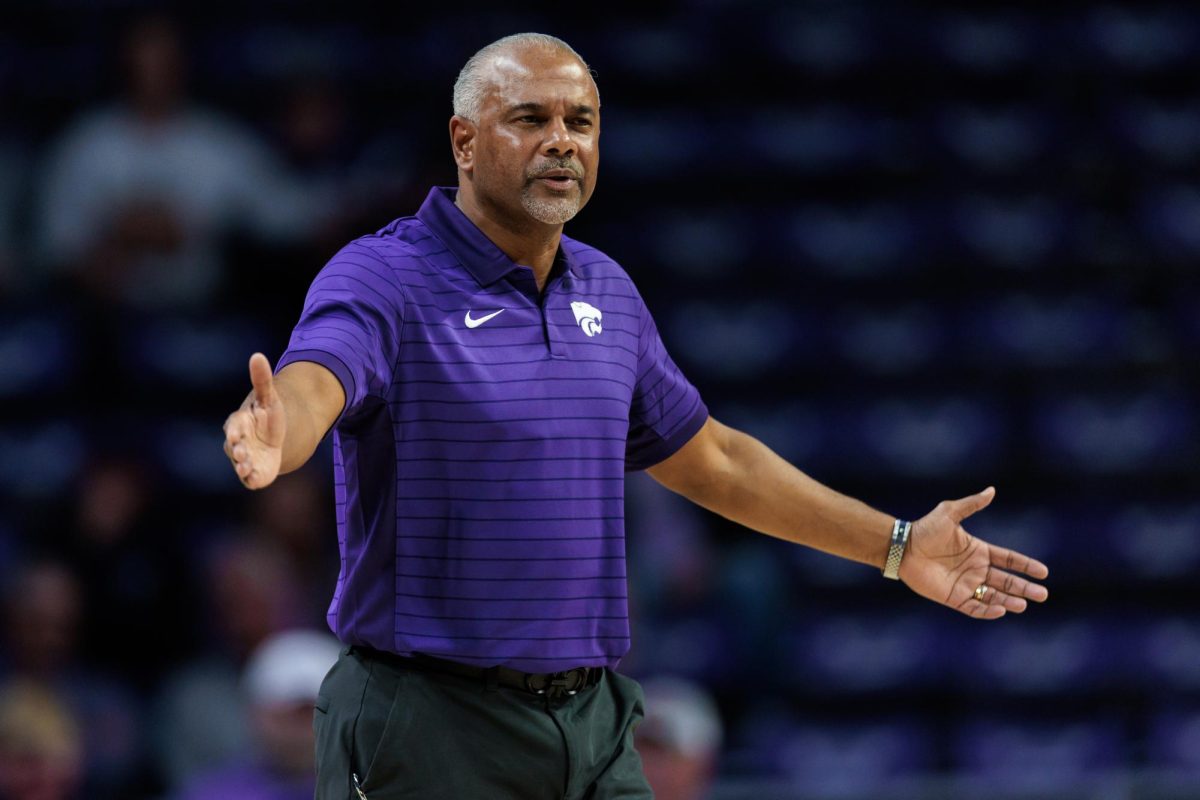
The Collegian has covered this beat more than once, including when a men’s basketball player was cited for marijuana possession. What follows is what the statute says, not legal advice. If you are charged with anything, talk to an actual lawyer.
What Does Kansas Law Say?
Possession is prosecuted under K.S.A. 21-5706. A first offense is a class B nonperson misdemeanor.
The maximum is 6 months in county jail, a fine of up to $1,000, or both. Most first offenses do not end at the maximum, and diversion exists in many counties, but the exposure is real.
A second conviction is a class A nonperson misdemeanor. That raises the ceiling to 1 year and $2,500. The step up is steeper than most people expect.
Does a Conviction Still Cost You Financial Aid?
No, and this is the single most common thing students get wrong.
A drug conviction used to suspend federal student aid eligibility. That rule is gone. The FAFSA Simplification Act removed it, and the drug-conviction question was taken off the form entirely beginning with the 2023-24 cycle.
The current federal student aid eligibility requirements no longer include it. If someone tells you a possession charge ends your Pell Grant, they are working from a rule that was repealed.
What has not changed is everything else. The criminal record exists, background checks find it, and some professional licensing boards ask.
Kansas also has no broad medical program to fall back on. A handful of states with no adult-use market still run medical registries, and Kansas is not one of them. A recommendation written in another state carries no weight here.
Institutional aid is a separate question again. Scholarships administered by the university, a department or a private donor run on their own terms, and those terms are not set by federal rules.
What Happens On the University Side?
Separately, and in parallel. This is the part students conflate most often.
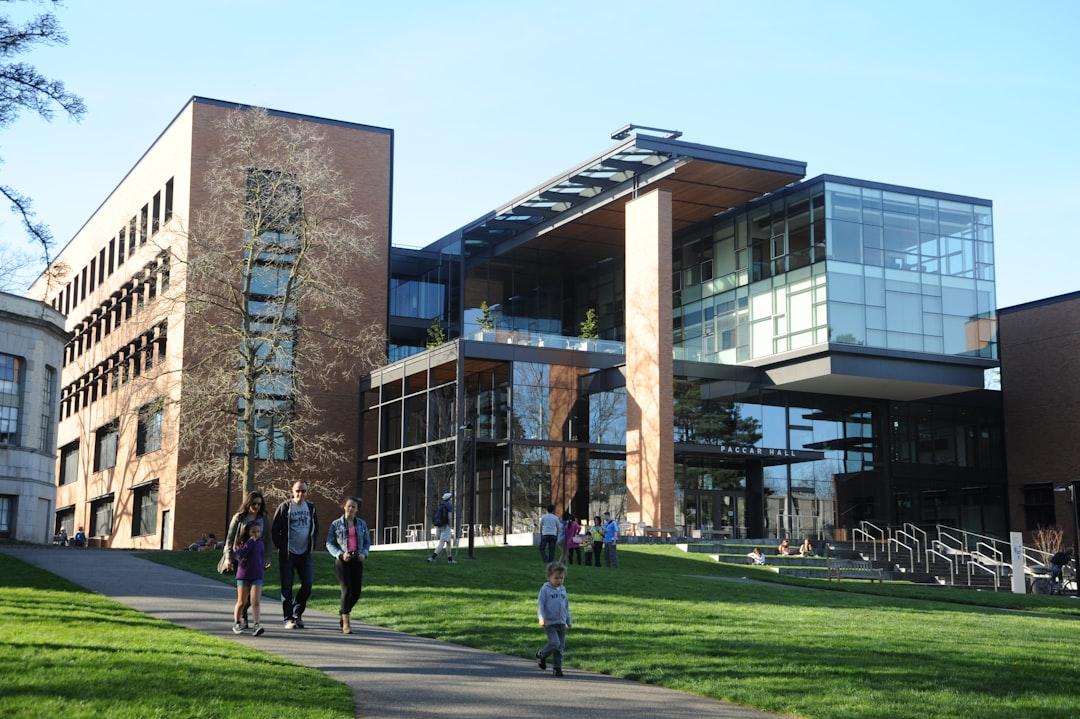
Photo by Wonderlane on Unsplash
Alt text: people walking near Paccar Hall University of Washington during daytime
- Criminal process. Handled by the county, on its own timeline, with its own penalties.
- Student conduct. The university runs its own process under its own standard of proof, and it does not wait for a verdict.
- Housing. Residence hall contracts carry their own terms, and a violation can be handled as a housing matter.
- Athletics. Eligibility and team discipline sit with the athletic department and the conference, independent of both of the above.
An outcome in one lane does not settle the others. A dismissed charge can still be followed by a conduct finding. The paper has reported on cases involving former players that played out in more than one place at once.
The timing is uneven too. A conduct process can reach a conclusion months before a court date does, which means the campus consequence often lands first.
What About Driving Back From Colorado?
This is where the biggest misunderstandings live.
Buying legally in Colorado or Missouri is legal there. Carrying it into Kansas is a Kansas crime the moment you cross the line. The receipt does not travel with the legality.
Moving it across a state border is also a federal matter, regardless of what either state permits. And the trip itself creates the traffic stop that produces most of these citations in the first place.
It is worth being precise about why, because the reasoning is not obvious. Legality is a property of the place, not of the person or the purchase. Three practical points follow:
- Legality is geographic, not personal. It attaches to where you are standing.
- A legal purchase does not create a defense in a state that prohibits possession.
- Campus policy applies on campus whatever the state law is, including for anyone over 21.
What Is Actually Worth Knowing
- Kansas has no adult-use and no broad medical program, unlike both of its nearest neighbors.
- First-offense possession is a class B misdemeanor, up to 6 months and $1,000.
- Federal student aid is no longer forfeited for a drug conviction.
- University conduct proceedings run on their own track and their own timeline.
- Diversion programs exist in some counties and are worth asking a lawyer about early.
Knowing Which Rules Are Actually Live
Most of the fear around this is attached to a penalty that no longer exists, while the penalties that do exist get shrugged off.
Kansas law is unchanged, the county still charges it, and the university still runs its own process. The financial aid rule is the part that changed, and it changed in students’ favor. Knowing which is which is the whole point.
FAQ
Is Marijuana Legal Anywhere In Kansas?
No. Kansas has neither adult-use nor a broad medical program, and possession remains a criminal offense statewide.
What Is the Penalty for a First Offense?
A class B nonperson misdemeanor under K.S.A. 21-5706, carrying up to 6 months in jail, a fine of up to $1,000, or both.
Will a Possession Charge End My Federal Student Aid?
No. That restriction was repealed, and the drug-conviction question was removed from the FAFSA beginning with the 2023-24 cycle.
Can I Bring Cannabis Back From Colorado or Missouri?
No. Possession becomes a Kansas offense as soon as you cross the state line, and transporting it across a border is separately a federal matter.