

























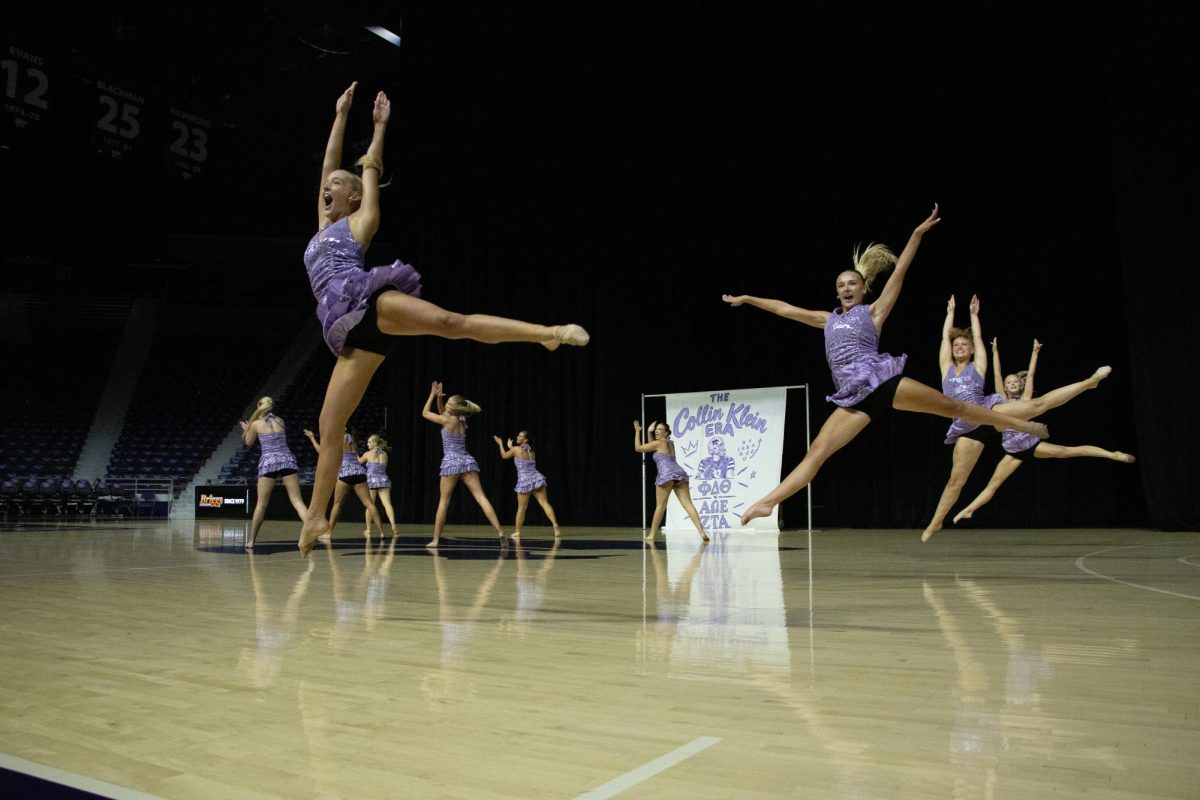














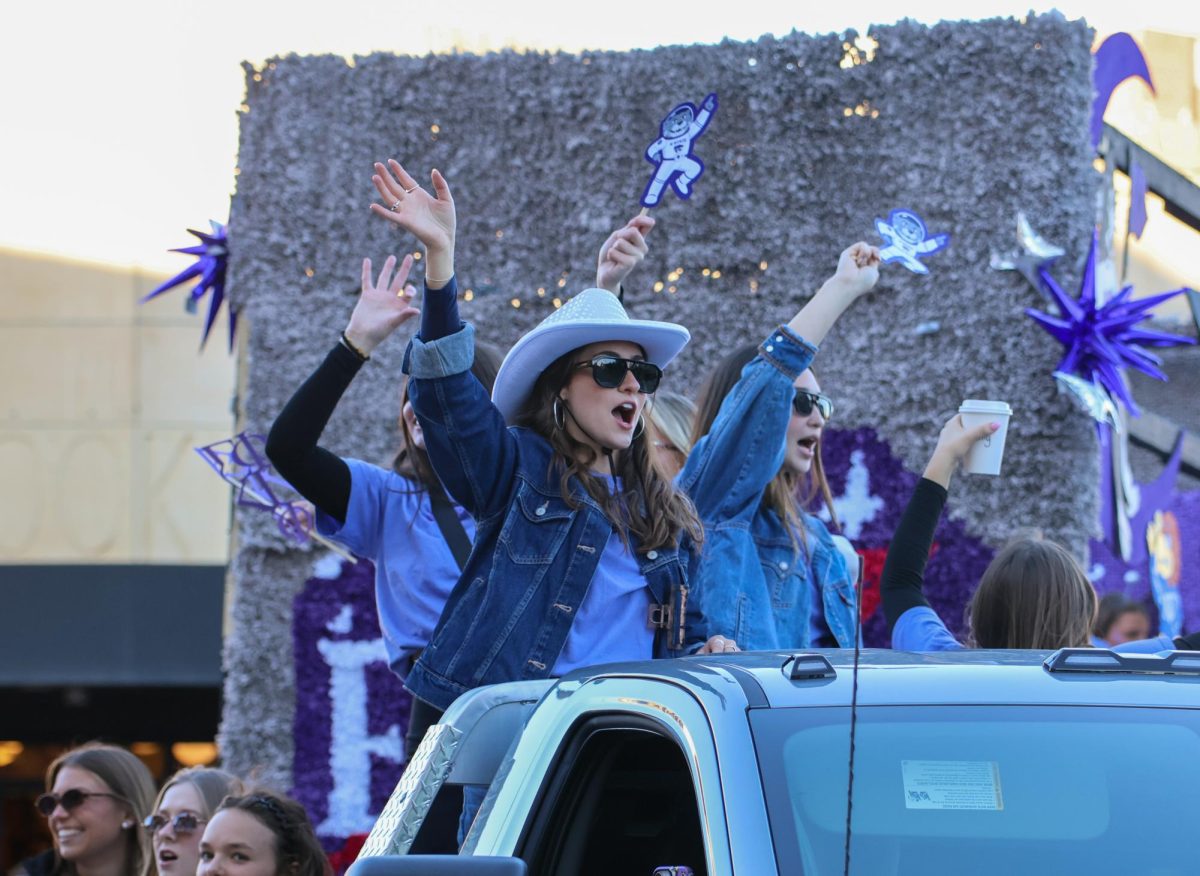





















College sports thrive on energy. Players feed off it. Fans create it. Cheer teams connect both groups through coordinated performance, communication, and tradition.
Cheerleaders do much more than perform routines between plays. They drive crowd participation, reinforce school identity, and maintain momentum during critical moments. Their work blends athletic performance with crowd psychology, making them a key part of the game-day environment.
As college athletics continue to grow, every part of the fan experience matters. The National Federation of State High School Associations reported a record 8,062,302 students participated in high school sports during the 2023-24 school year, reflecting continued growth in organized athletics and spirit programs across the country. This expanding participation creates stronger pipelines into collegiate athletics and cheer programs. (NFHS)
Cheer Creates Shared Energy
Crowd engagement is rarely spontaneous. It is planned.
Cheer teams prepare chants, visual cues, music timing, and formations around game flow. Their routines are designed to match specific situations, whether the team needs defensive intensity or offensive momentum.
Several factors influence crowd response:
- Consistent chant timing
- Clear visual leadership
- High-energy transitions
- Synchronization with the stadium announcer
- Coordination with the band
When these elements work together, thousands of spectators respond almost instantly.
That shared response creates a stronger home-field advantage while helping athletes maintain focus.
Early in the season, many programs also invest in coordinated apparel because a professional-looking cheer uniform reinforces team identity and creates a consistent visual presence on the sidelines.
Visual Identity Matters
Sports branding extends beyond logos.
Every visible element communicates organization and professionalism. Colors, formations, equipment, and uniforms all influence perception.
A unified appearance offers several advantages:
- Improves visual recognition
- Strengthens school branding
- Creates cleaner sideline presentations
- Helps maintain performance consistency
- Builds confidence among team members
Sports psychologists often discuss “collective identity.” Teams that feel connected frequently demonstrate stronger communication and higher commitment levels. While uniforms alone do not create culture, they reinforce it through shared representation.
Communication Extends Beyond the Routine
Cheerleaders constantly communicate.
Some communication reaches the crowd. Other communication stays within the squad.
During live events, athletes rely on short verbal cues and nonverbal signals to adjust spacing, stunt timing, and transitions.
Common communication systems include:
- Hand signals before stunts
- Audible counts
- Spotter confirmations
- Eye contact before basket tosses
- Music timing checkpoints
These systems reduce hesitation and improve execution.
Precision becomes even more important inside loud stadiums where verbal communication is limited.
Cheer Supports Athletic Performance
Momentum influences competition.
Research across multiple sports suggests that home crowds affect athlete confidence, decision making, and emotional control.
Cheer teams contribute by sustaining crowd intensity throughout the game instead of allowing energy to fade after scoring plays.
This support becomes especially valuable during:
- Defensive possessions
- Late-game situations
- Momentum swings
- Rivalry games
- Tournament competition
Athletes often respond to visible crowd participation because it reinforces emotional investment in the contest.
The effect is indirect but measurable through improved atmosphere and sustained engagement.
Preparation Happens Long Before Game Day
Sideline performances appear effortless because preparation is extensive.
College cheer squads spend hours refining technical execution.
Training typically includes stunt mechanics, tumbling progression, conditioning, choreography, safety protocols, and endurance work.
Modern cheer programs also review video footage to identify synchronization errors, spacing inconsistencies, and timing delays.
Coaches frequently analyze:
- Transition efficiency
- Formation accuracy
- Stunt stability
- Crowd response timing
- Overall routine flow
This level of review resembles the film study performed by many athletic teams.
Performance quality depends on repetition rather than improvisation.
Cheer Strengthens Campus Culture
The influence of cheer extends beyond athletics.
Spirit squads appear at pep rallies, student events, alumni gatherings, charity functions, and community outreach programs.
That visibility helps connect different parts of campus life.
Students who may never compete in varsity athletics still experience school traditions through cheer performances.
Over time, those traditions become part of the university’s identity.
Strong traditions also encourage alumni engagement. Returning graduates often recognize familiar chants, school songs, and sideline routines years after leaving campus.
That continuity strengthens long-term school loyalty.