

















































































































Key Takeaways
- Seek immediate medical attention after an accident to create a medical record of your injuries.
- Document the accident thoroughly, including taking photographs, gathering witness statements, and keeping all related reports and bills.
- Exercise caution when dealing with insurance adjusters and avoid detailed communication without legal counsel.
- Do not discuss your claim or related injuries on social media, as such posts can be used against you.
- Attain experienced legal representation early to ensure your rights and interests are fully protected.
Table of Contents
- Failing to Seek Immediate Medical Attention
- Inadequate Evidence Collection
- Communicating Directly with Insurance Adjusters
- Posting on Social Media
- Not Hiring an Experienced Personal Injury Attorney
Personal injury claims are often fraught with obstacles that can prevent victims from securing the full compensation they deserve. From the early moments following an accident, each decision can impact the outcome of your claim. Understanding and avoiding common mistakes is essential to protecting your health, financial well-being, and legal rights. If you or someone you know is facing the aftermath of an accident, turning to professionals such as the Fasig | Brooks Law Offices can make a significant difference in building a robust case and enhancing your chances of success.
Too often, claimants make unintentional missteps that can delay or diminish their compensation. Insurers are vigilant in looking for reasons to minimize payouts, and even minor errors can give them the leverage they need. The process can be daunting, but knowledge and preparation can help you navigate the claim effectively and confidently.
Each stage of your personal injury case requires careful attention. From seeking immediate medical care to understanding when and how to communicate with insurance adjusters, making informed choices is key. This is true whether your injuries stem from a car crash, a slip-and-fall, or another type of accident. Even your digital footprint, such as what you share on social media, can influence your claim’s outcome, often in ways many people do not suspect.
By equipping yourself with clear information and leveraging the expertise of reputable attorneys, you can sidestep the most common pitfalls. This guide explores the mistakes to avoid, strategies for protecting your rights, and resources to help you secure a fair settlement. For an even deeper dive into essential strategies, consider consulting Consumer Reports’ guide to filing car insurance claims for consumer protection resources.
Failing to Seek Immediate Medical Attention
The period immediately following an accident is critical for both your health and your legal case. Failing to obtain a prompt medical evaluation can lead insurers to dispute or minimize the seriousness of your injuries. The documentation provided by healthcare professionals serves as direct evidence linking the accident to your physical condition, a key factor in establishing liability and calculating compensation. Delays create opportunities for insurers to argue that injuries may have occurred elsewhere or are less severe than claimed. Always visit a healthcare provider as soon as possible, even for seemingly mild symptoms, to ensure your well-being and to strengthen your claim.
Inadequate Evidence Collection
Thorough documentation is central to the strength of your personal injury case. Incomplete or missing evidence can undermine your claim and make it difficult to establish negligence. Important steps include:
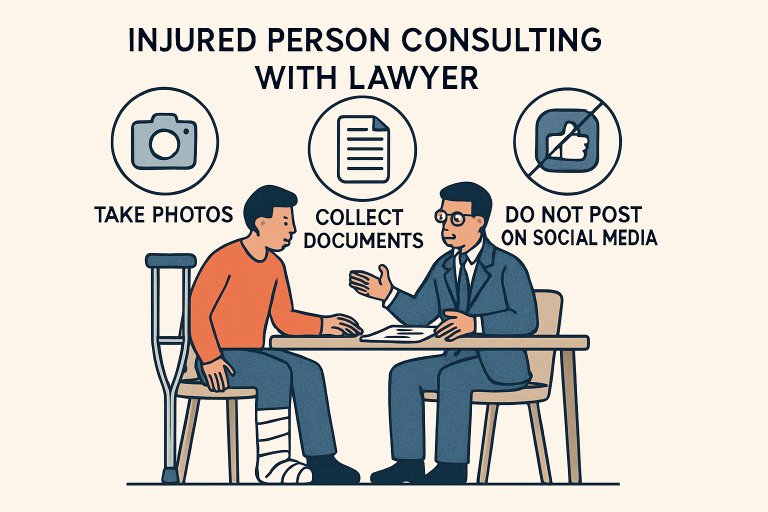
- Photographing the scene, your injuries, and any property damage
- Obtaining contact information for all witnesses
- Securing official accident or incident reports
- Organizing all medical records, discharge summaries, and costs
These documents create an irrefutable timeline and record of your injuries, making it more difficult for opposing parties to challenge your case. Several claimants fail to recognize the value of immediate, comprehensive evidence, but doing so places the burden squarely on their credibility and memories, which are not as effective as physical proof. Harvard Health also emphasizes the importance of meticulous documentation in personal injury cases, as reinforced in their recent healthcare guidelines.
Communicating Directly with Insurance Adjusters
While insurance adjusters may present themselves as cooperative, it is essential to remember that their motivations align with saving money for their employers. Unrepresented claimants may inadvertently harm their case by providing incomplete or misleading statements or accepting early, inadequate settlements. Claimants should decline to make detailed statements or take any settlement offers until they speak with an experienced attorney. Controlled communication routed through legal counsel keeps your interests at the forefront, ensures nothing is misinterpreted, and maximizes your potential recovery.
Posting on Social Media
It is now common for insurance investigators and defense attorneys to monitor claimants via social media. A single photo or status update, even one not directly related to the claim, can be used to undermine your case. For example, images of vacation activities or physical exertion could be misrepresented as contradicting the severity of your injuries. To avoid giving the insurance company unnecessary leverage, do not share any information, photos, updates, or comments about your accident or injuries online until your case is resolved. Even tightening privacy settings does not entirely protect against third-party monitoring or the subpoenaing of records.
Not Hiring an Experienced Personal Injury Attorney
Attempting to resolve your personal injury claim without an attorney often results in undervaluation and procedural missteps. Experienced lawyers provide critical services, including assessing the actual value of your claim, managing negotiations with insurers, and ensuring compliance with all legal timelines and requirements. Attorneys also understand how to counter common insurance tactics aimed at reducing or denying claims. Their expertise not only improves your chances of obtaining fair compensation but also alleviates stress, allowing you to focus on your recovery.
Personal injury claims require meticulous attention at every step. By proactively seeking medical attention, building your case with comprehensive evidence, communicating wisely, and seeking expert legal guidance early, you stand a far better chance of recovering the compensation you deserve. Additional tips and strategies can be found in reliable sources, such as Consumer Reports’ guidance on filing car insurance claims. Equip yourself with knowledge and reputable counsel to secure your future and well-being.