




































































































Image Source: vecteezy
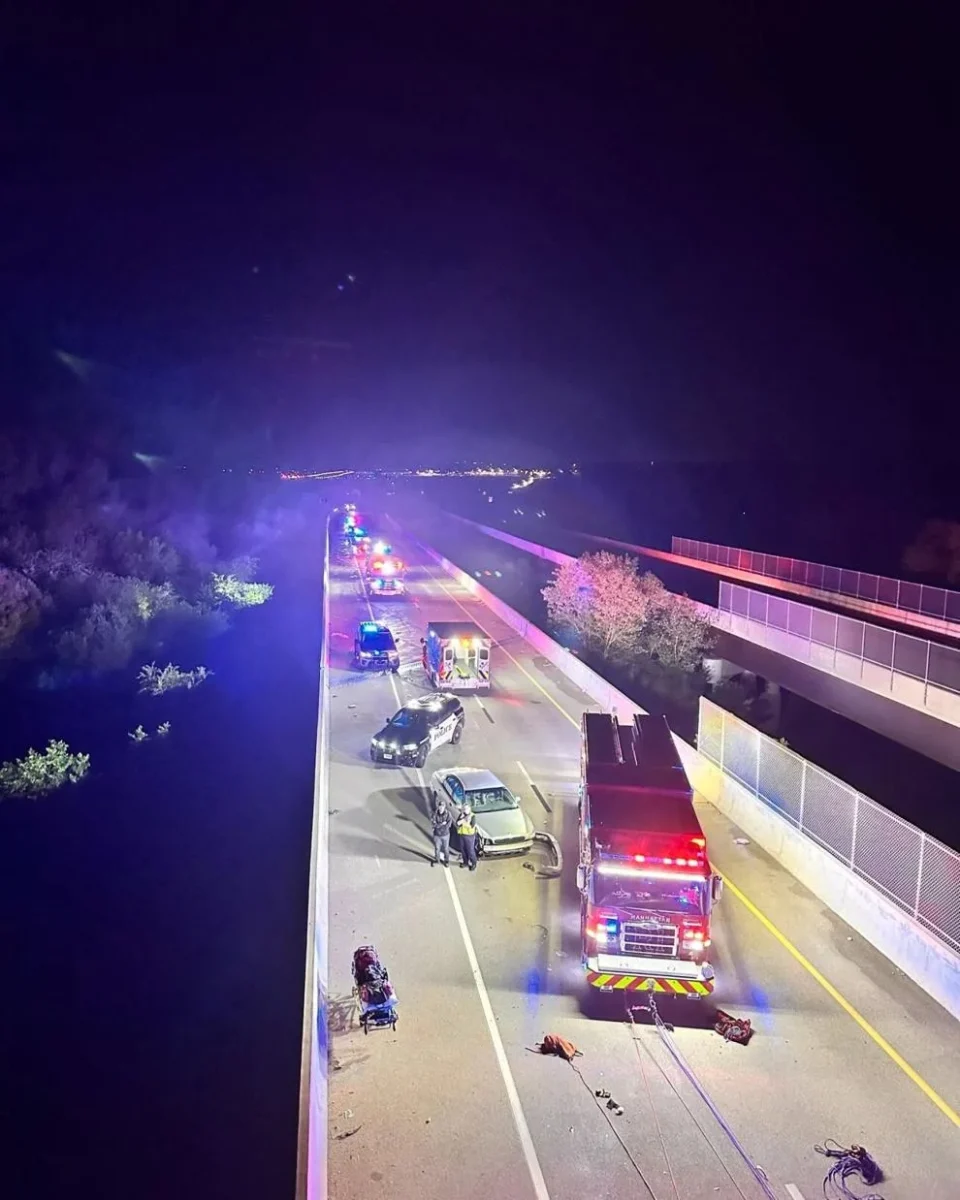
Sideswipe accidents may appear minor at first, but they often result in serious injuries and disputes over fault. The collision happens when two vehicles traveling in the same or opposite direction make contact along their sides.
However, when both vehicles show similar scrapes, drivers often wonder how to tell who sideswiped who by the damage. That’s where detailed proof and legal insight become essential.
Proving who caused this type of crash often comes down to evidence, damage patterns, and a clear understanding of how the impact occurred. With the right approach and guidance from a personal injury lawyer, you can build a strong case.
Keep reading to discover the significant ways to prove who is at fault.
Understanding the Nature of a Sideswipe Collision
A sideswipe collision usually occurs during lane changes, merges, or when one driver drifts out of their lane. These crashes often lack a clear front or rear impact, which can make fault harder to determine.
Because both vehicles are typically moving, even small steering mistakes can cause long scrape marks and loss of control. This makes evidence collection especially important.
Examining Vehicle Damage Patterns
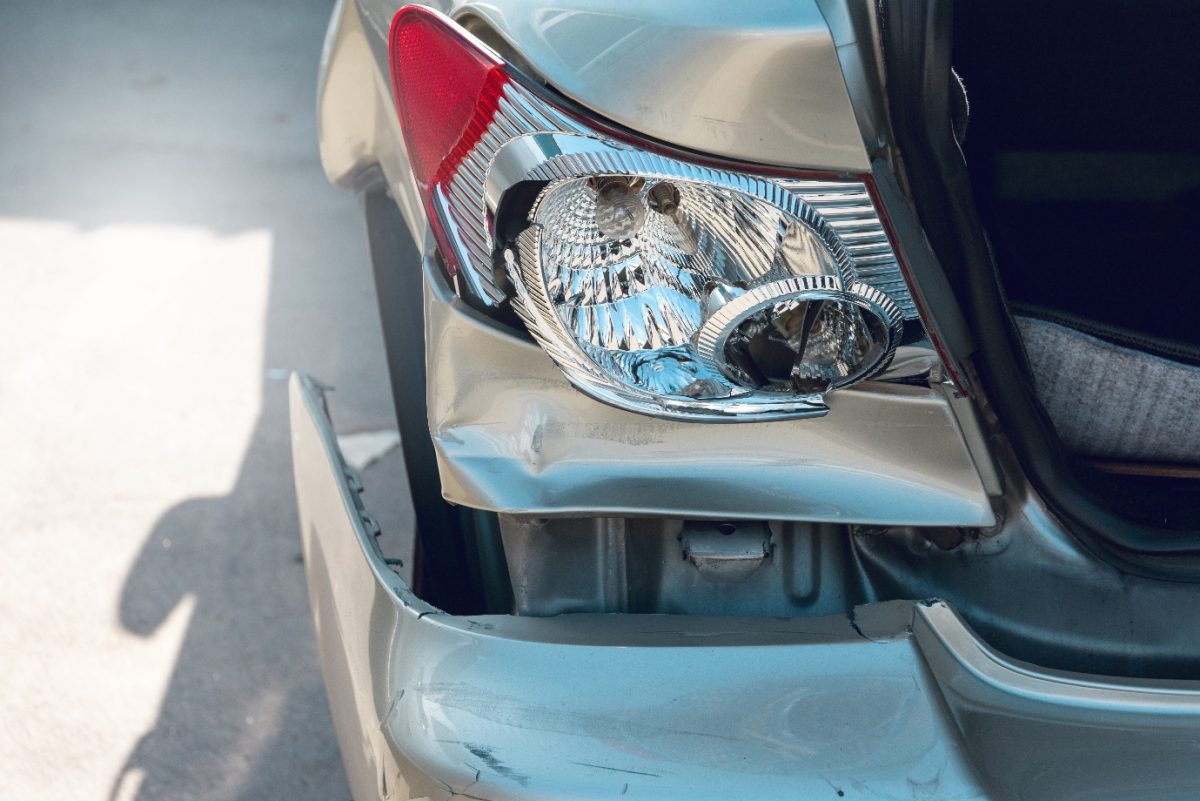
Damage patterns are one of the strongest indicators of fault in a sideswipe collision. The location, angle, and depth of scrapes can reveal which driver crossed into the other’s lane.
Key details experts look for include:
- Direction of paint transfer.
- Height and length of the side damage.
- Whether damage starts at the front or rear.
These clues often help accident reconstruction specialists explain how the crash unfolded.
Using Skid Marks and Road Evidence
Roadway evidence can support what vehicle damage suggests. Skid marks, debris trails, and scrape marks on guardrails often show sudden corrections or lane departures.
Photos taken at the scene can preserve:
- Tire marks showing swerving.
- Broken mirror or trim locations.
- Final resting positions of vehicles.
This physical evidence can strongly support your claim.
Relying on Traffic and Surveillance Cameras
Video footage removes much of the guesswork in sideswipe cases. Traffic cameras, nearby business surveillance, and dashcams can capture lane changes or unsafe driving moments.
A personal injury lawyer can quickly request this footage before it’s deleted. Acting fast often makes the difference between clear proof and missing evidence.
Gathering Witness Statements
Independent witnesses can clarify which driver drifted or changed lanes unsafely. Even brief observations can be valuable when both drivers tell different stories.
Helpful witness input may include:
- Which car moved first.
- Speed and driving behavior.
- Whether turn signals were used.
Written or recorded statements add credibility to your case.
Reviewing Police Accident Reports
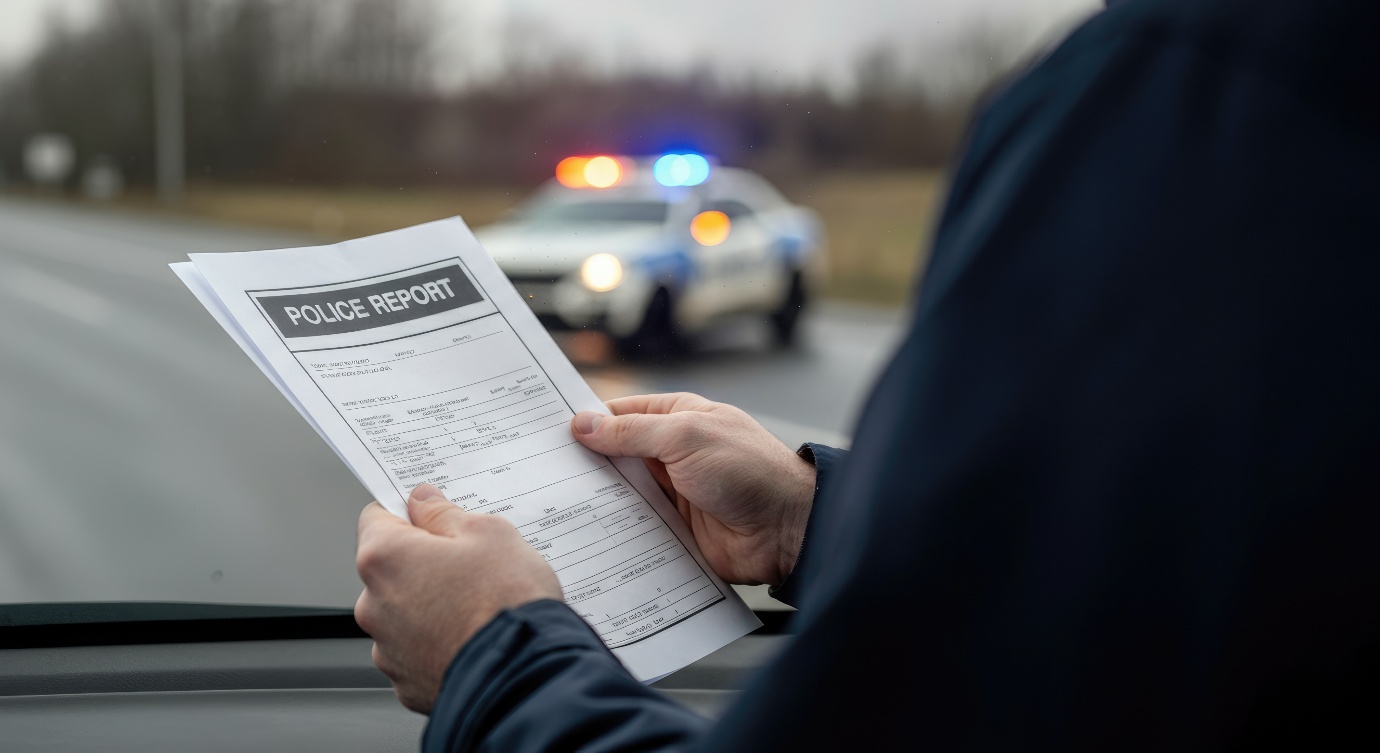
Image Source: vecteezy
Police reports often include initial fault assessments based on scene observations. Officers may note lane violations, improper merges, or distracted driving.
While not always final proof, these reports carry weight with insurers. A lawyer can challenge errors or supplement reports with additional evidence if needed.
Leveraging Expert Accident Reconstruction
In disputed sideswipe collisions, accident reconstruction experts can analyze physics, vehicle damage, and road conditions. Their findings often explain how impact angles and motion point to one driver’s actions.
Expert testimony can be especially helpful when insurance companies deny liability. It adds a professional, technical layer to your claim.
How a Personal Injury Lawyer Strengthens Your Case
A personal injury lawyer knows how to connect all pieces of evidence into a clear narrative. They handle investigations, expert coordination, and negotiations with insurance companies.
Most importantly, they protect you from being unfairly blamed. Their experience with sideswipe collision cases helps ensure your injuries and losses are taken seriously.
Key Takeaways
- Sideswipe collisions require detailed proof to establish fault.
- Vehicle damage patterns and road evidence are critical.
- Cameras, witnesses, and police reports strengthen claims.
- Expert reconstruction can resolve disputed cases.
- A personal injury lawyer helps present evidence clearly and effectively.
- When fault isn’t obvious, the right strategy and legal support can make all the difference.