



























































































































Photo from The Kratom Connection
ALT Text: Woman unboxing package on couch at home
You may have heard chatter in the study lounge drifting from energy drinks to something called kratom. A roommate might swear it helps them power through a paper, while another friend claims it chills them out after finals. With its growing presence, it is important to understand the context of its use among young adults.
Research shows that kratom use may be associated with being white, male, transgender, non-binary, identifying as a sexual minority, and the use of other substances.
While not mainstream, its use is notable, with an estimated prevalence of past-year kratom use in the adult US population at 0.8%. This guide offers straightforward information for students over 18 considering kratom.
We’ll cover what it is, how Kansas law might affect you, and how to spot reputable vendors. We will also review beginner dosage tips and safety basics. This is not medical advice, but rather information to help you make a responsible decision.
What Is Kratom? The 3-Minute Science Lesson
Kratom, or Mitragyna speciosa, is a tropical tree native to Southeast Asian countries like Thailand, Indonesia, and Malaysia. For centuries, farmers in the region chewed its fresh leaves for a boost of stamina during long workdays. Its effects come from key alkaloids, primarily Mitragynine and 7-hydroxymitragynine.
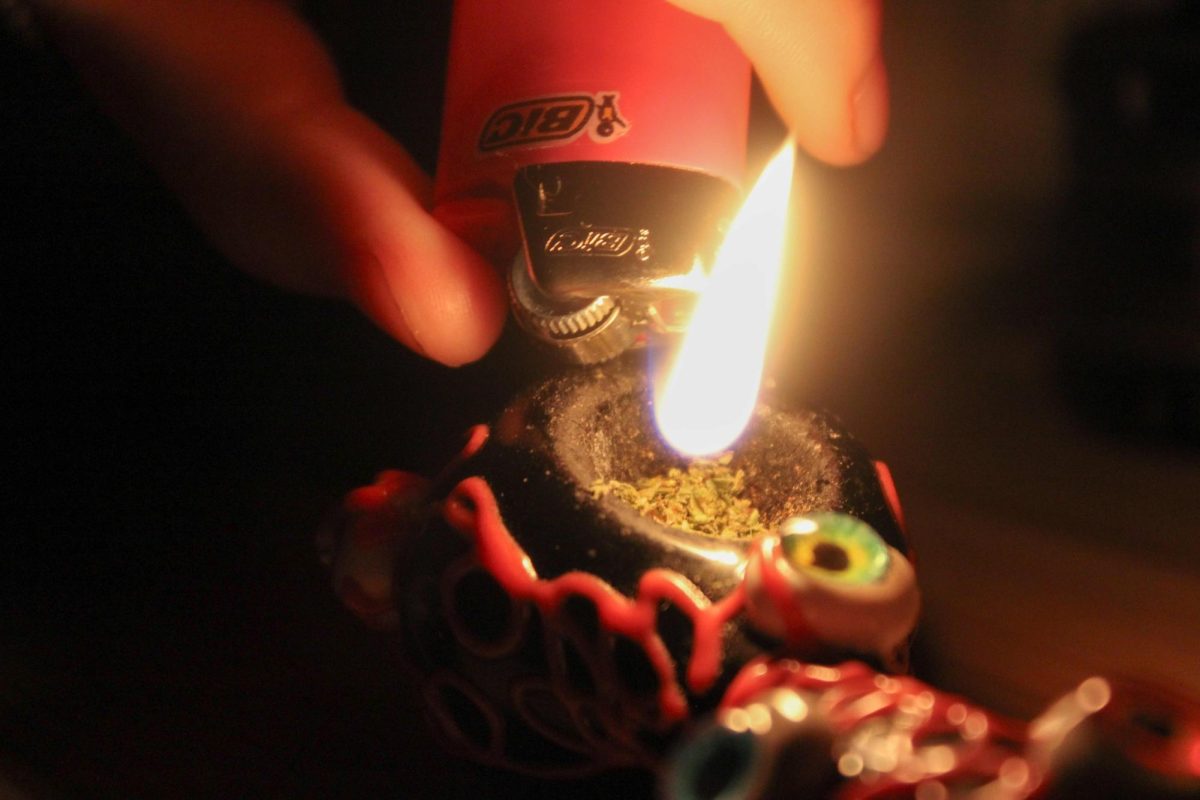
These compounds interact with opioid receptors in the brain but are chemically distinct from classic opioids. In the United States, it’s typically sold as a dried powder, in capsules, or as extracts. The substance is used for focus, mood support, or relaxation, depending on the specific strain and dose.
Is Kratom Legal in Kansas – And on Your Campus?
At the federal level, kratom remains legal after the DEA withdrew its intent to schedule it. However, sale, possession, and use of kratom and its active ingredients are illegal in states like Alabama, Arkansas, and Indiana. In Kansas, kratom is currently allowed, but the landscape is evolving.
Lawmakers introduced the Kratom Consumer Protection Act (KCPA), which would establish important regulations. These include an age limit of 18+, mandatory third-party lab testing, and proper product labeling. It’s crucial to remember that even if kratom is legal statewide, your university can still ban it.
Always check your student conduct code and housing contract to understand specific campus rules. This will clarify its possession or use in dorms and on university property.
| Key Insight: State law is only half the story. Your university can still ban kratom on campus or in dorms. Always check your student conduct code and housing contract before purchasing to avoid disciplinary action. |
|---|
Choosing Quality Kratom: A Buyer’s Checklist
Navigating the online market can be tricky. Vendors that embrace transparency make it easier for students to verify quality before purchasing. For example, some suppliers, such as The Kratom Connection site, publicly post lab results for every batch and provide detailed sourcing information.
Here’s what to look for to ensure you’re buying a quality product:
- Third-Party Lab Tests (COAs): Reputable vendors provide a Certificate of Analysis for their products. This document proves that kratom has been tested for alkaloid content and is free of contaminants like heavy metals or salmonella.
- Origin and Freshness: Quality vendors specify the region their kratom is from and often rotate their inventory in small batches. Look for a “packaged on” date to ensure freshness.
- Grind Consistency: A fine, evenly colored powder without clumps or visible stems is a good sign of proper drying and milling processes.
- Vendor Reputation: Look for vendors who are compliant with the American Kratom Association’s (AKA) Good Manufacturing Practices. Read independent reviews to gauge their commitment to customer satisfaction.
| Pro Tip: If a vendor doesn’t provide a recent Certificate of Analysis (COA) for their kratom, don’t buy it. Third-party lab tests are the only way to verify purity, potency, and safety from contaminants. |
|---|
Kratom Strains & Vein Colors Explained
Kratom strains are generally categorized by the color of the leaf’s vein. Each color is associated with different effects, allowing users to choose one that aligns with their needs.
- Red Vein: Typically known for calming effects and promoting body comfort. It is often used for post-workout recovery or winding down after a long day of labs.
- Green Vein: Considered a balance between red and white strains. It is often associated with improved mood and gentle focus, making it a popular choice for afternoon study sessions.
- White Vein: Generally regarded as the most stimulating and upbeat strain. This type may be suitable for early-morning classes or collaborative group projects.
Many users rotate strains, such as from Green to White to Red. This practice may help reduce the build-up of tolerance to a specific alkaloid profile.
Dosage 101: Start Low & Go Slow
Finding the right dose is personal and depends on several factors. These include body weight, metabolism, and whether you have eaten recently. Always start with a small amount to see how you react.
- Micro Dose (1–2 grams): May provide a light mood lift and subtle focus.
- Light Dose (2–4 grams): A noticeable sense of energy or calm, depending on the strain. This is a common starting range.
- Moderate Dose (4–6 grams): Produces stronger effects and is generally not recommended for first-time users.
Kratom powder on an empty stomach will have a faster onset. Extracts are highly concentrated and should be avoided by beginners. A digital scale is the only way to ensure accuracy and safety.
| Pro Tip: Don’t guess your dose with a teaspoon. For about $10, a digital scale ensures accuracy, helping you find the right amount for your needs and avoid accidentally taking too much. It’s a crucial safety tool. |
|---|
Safety Risks & Side-Effects Students Should Know

Photo from Freepik by Stefamerpik
ALT Text: Doctor comforting patient during clinic consultation
While many use kratom without issue, potential side effects exist. Short-term effects can include nausea, dizziness, dry mouth, or constipation, especially with higher doses. Long-term, daily use of high doses can lead to tolerance and dependence.
It is critical to avoid mixing kratom with other substances. This is particularly true for alcohol, benzodiazepines, strong stimulants, or prescription opioids. If you experience a rapid heartbeat, severe vomiting, or signs of respiratory distress, call 911 or campus health services immediately.
| Warning/Important: Never mix kratom with other substances, especially alcohol, benzodiazepines, or prescription opioids. Combining them significantly increases the risk of dangerous side effects, including severe respiratory distress. Stay safe and use it alone. |
|---|
Responsible Use Tips for Busy Students
If you choose to use kratom, incorporating responsible habits is key. Rotate strains with each session and consider taking 48-hour breaks each week to keep tolerance in check. Kratom can be dehydrating, so pair each dose with a large glass of water.
Prioritize getting 7–9 hours of quality sleep, even if using a red strain to wind down. For storage, keep your kratom powder in a sealed, airtight bag in a cool, dark drawer. This maintains freshness and keeps it secure from curious roommates.
Campus Transportation Note (Safety First)
If you use a moped scooter or any vehicle to get between classes, remember that anything that could impair reaction time can increase risk. This includes kratom, especially at higher doses. Never operate any vehicle unless you are fully alert and always follow local traffic laws.
Resources & Further Reading
For more information, consider looking up these resources:
- Mayo Clinic: Kratom Research Overview
- National Institute on Drug Abuse (NIDA): DrugFacts—Kratom
- American Kratom Association: KCPA Tracker
- Your Campus Health Center & Counseling Services
Final Thoughts
Kratom’s growing popularity on campus is tied to its potential for focus and mood support, but it carries real risks if not used responsibly. If you decide to try it, stick to low doses from lab-verified vendors. Rotate your strains and stay informed about Kansas regulations and your university’s policies.
| Author Profile: The Kratom Connection is the leading online retailer of premium kratom products for individuals seeking natural wellness solutions. |
|---|