


















































































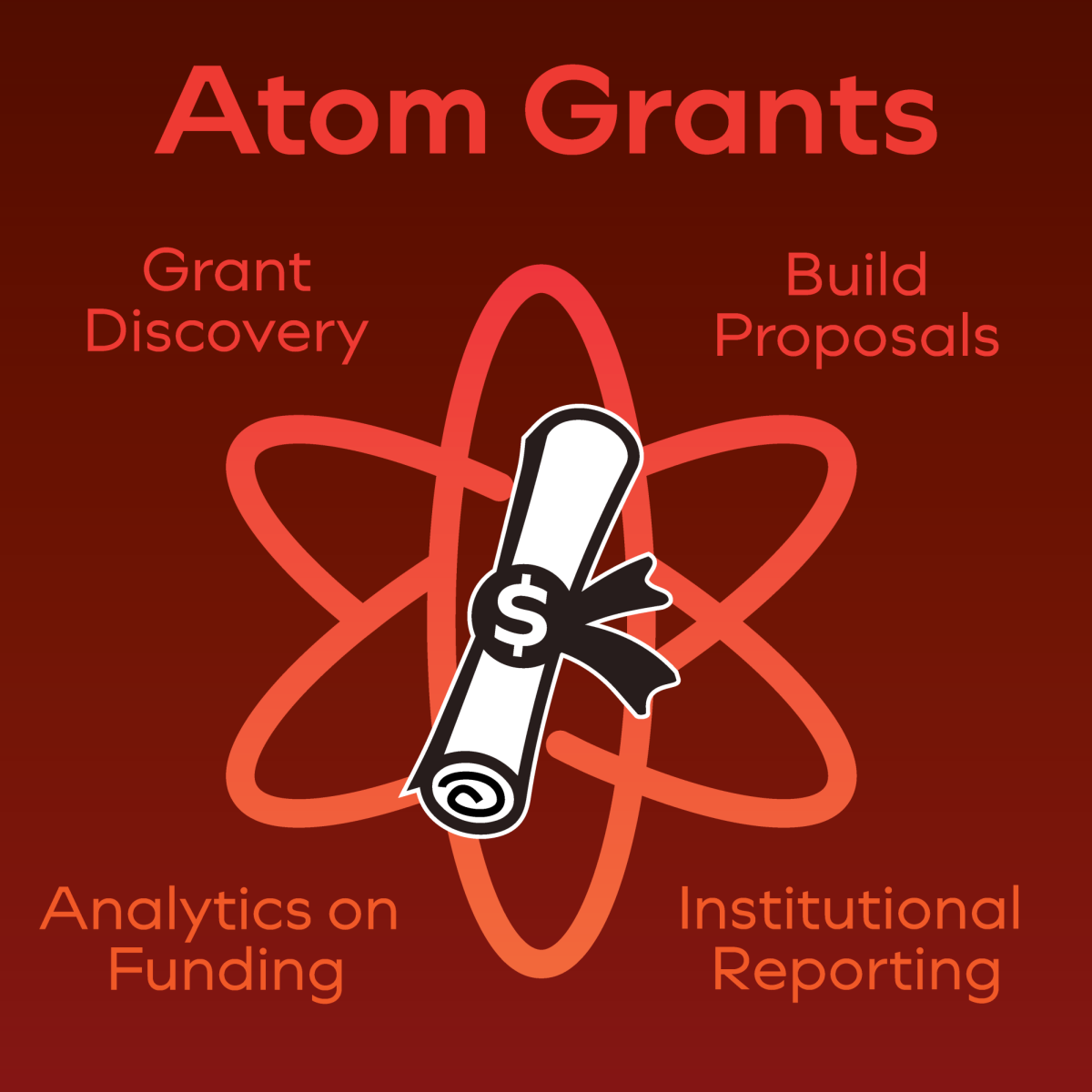
K-State recently partnered with AI research funding tool Atom Grants, allowing on-campus researchers to use customized searches to find funding for their research.
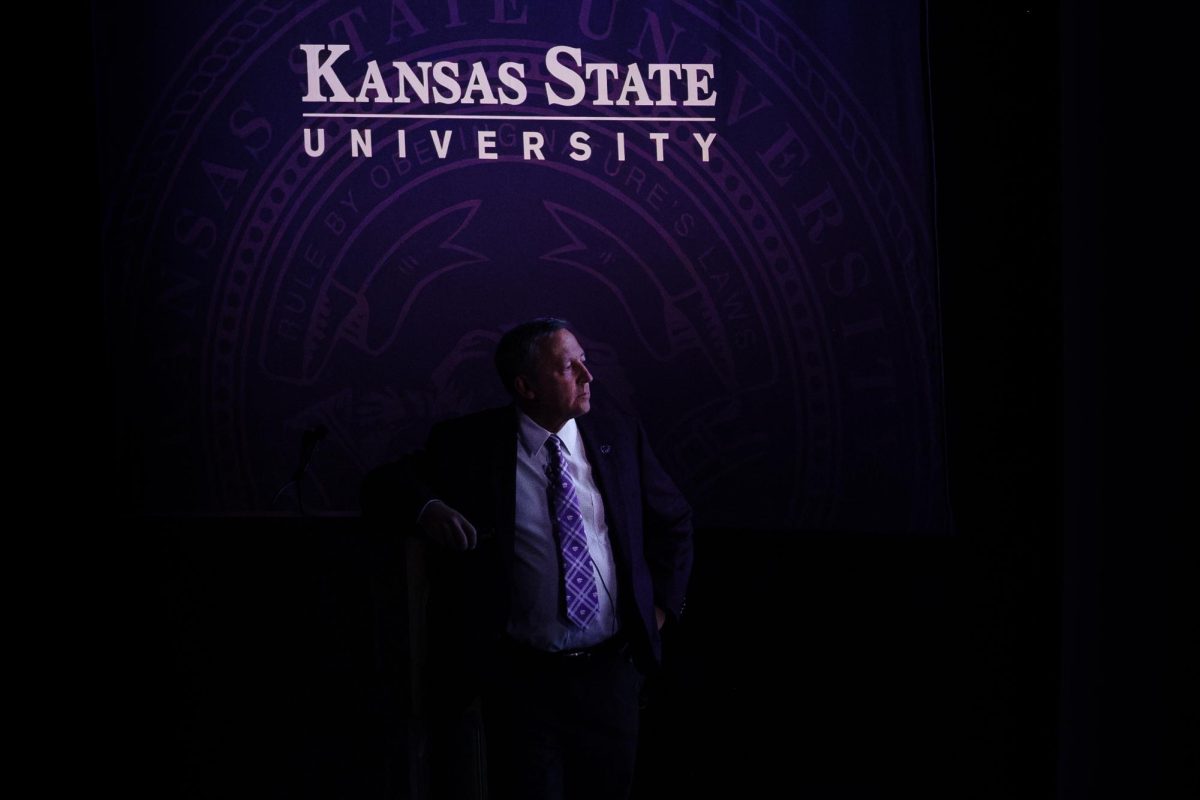
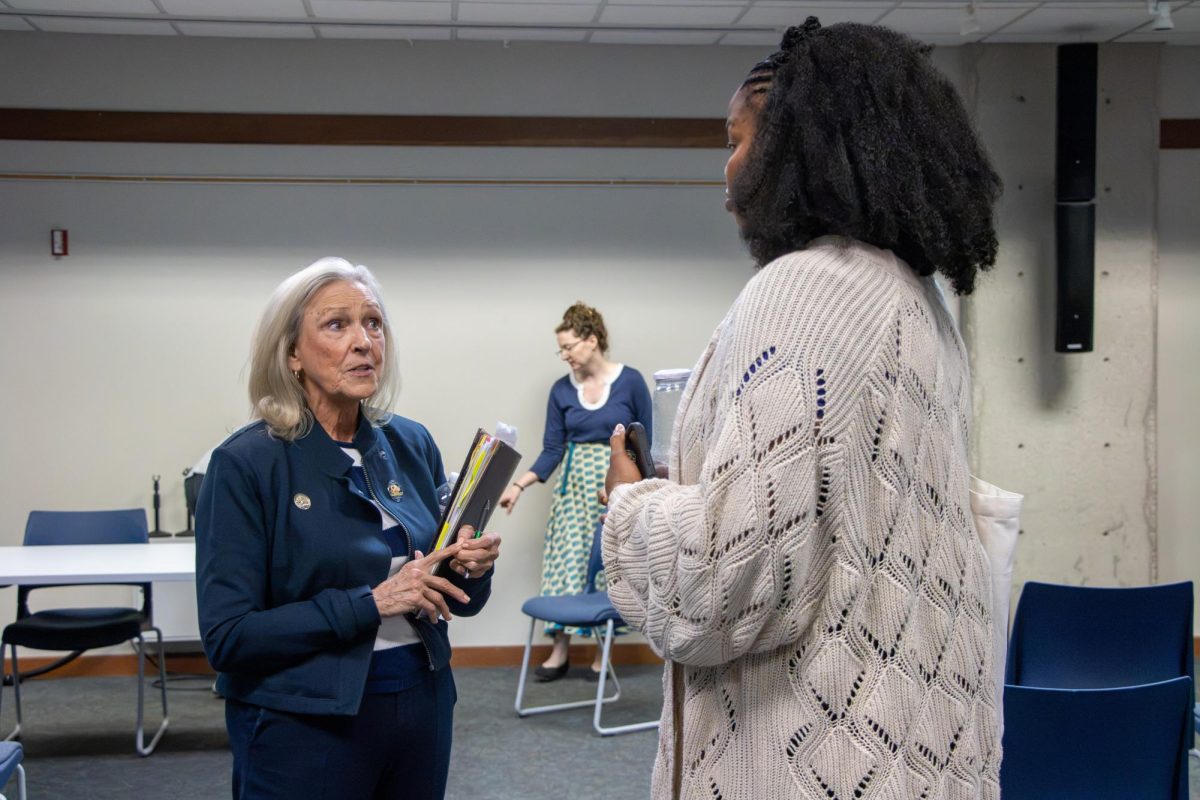
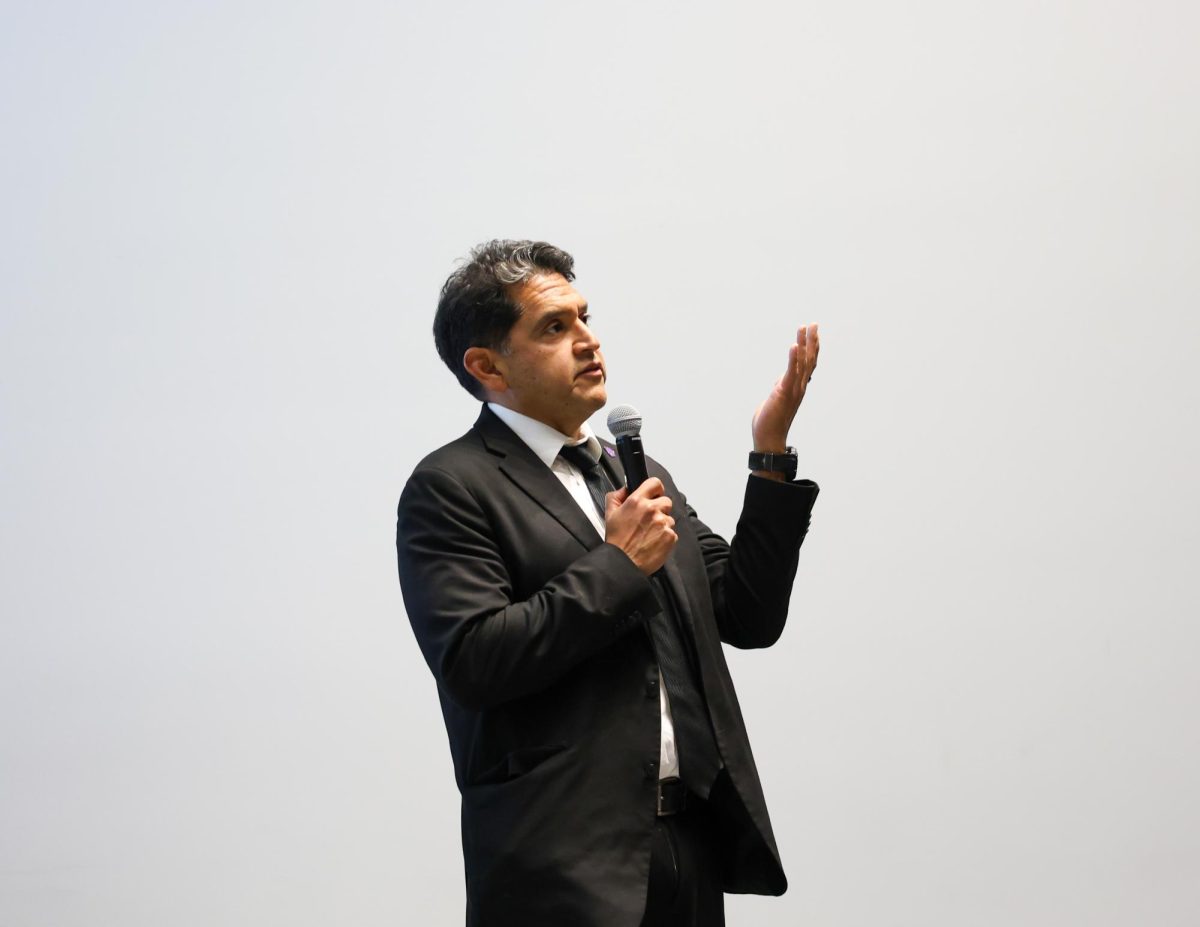
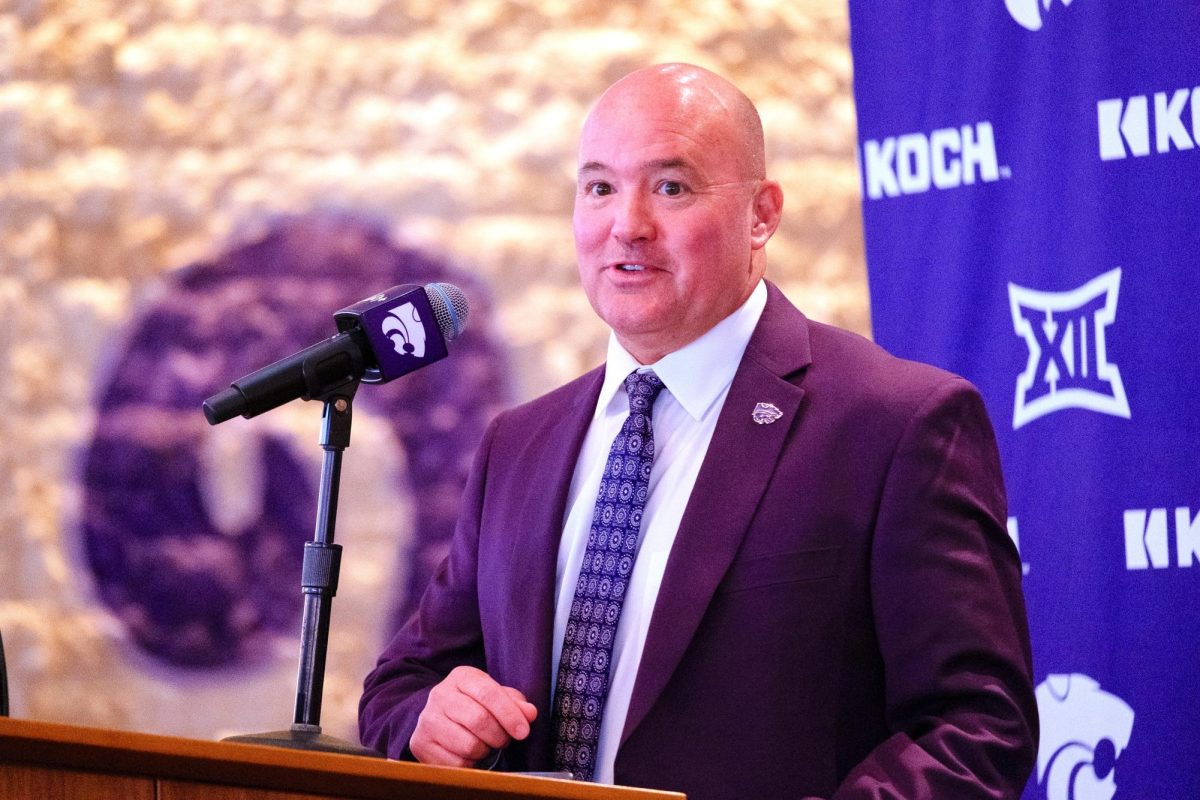
Dr. Hans Coetzee, vice president for research at K-State, said the tool provides K-State researchers a more efficient method to discover and evaluate funding opportunities.
“The traditional databases that we use to find funding opportunities often depend on keyword searching,” Coetzee said. “So, what Atom Grants allows us to do is use semantic natural language searches. Instead of the researcher trying to predict the right words that they need to use to find the right opportunities from the funding agencies, they can use a sentence or an abstract from an existing paper using natural language and receive recommendations on the type of funding that they’re looking for.”
According to Atom Grants, the recommendations include percentages of how close the researcher is to the topic and the researcher’s needs.
Dr. Lihua Wang, assistant professor of anatomy and physiology and director of the laboratory for vaccine and therapeutic antibody innovation, said he has tested Atom Grants for his research over the summer.
“I used it during the summertime to evaluate if the platform works and is good or not for my research,” Wang said. “I receive emails every week that recommend funding opportunities for me and relate it to my research. I think it is a viable platform and it has helped me with funding.”
Coetzee said Atom Grants’ implementation at K-State also supports the Next-Gen K-State Strategic Plan, which aims at increasing research productivity and expenditures at K-State.
“One of the focus areas of the strategic plan is to better provide support for our researchers who are seeking funding from federal agencies and from philanthropic organizations from industry,” Coetzee said.
Training sessions are scheduled on Sept. 2, Sept. 10 and Sept. 23 for faculty members and graduate students interested in using Atom Grants in their research pursuits.
“They should have received an email,” Coetzee said. “We encourage them to interact with the platform, and if they have any questions, to reach out and ask, and we can help them get set up.”