

































































You’ve probably noticed it already. Grainy clips on TikTok. Soft, slightly washed-out colors in music videos. That unmistakable “home video” feel is showing up in places where everything used to look ultra-sharp. Analog video equipment is back. And it’s not coming back as a novelty. It’s becoming a deliberate choice. Now, why the sudden change? Or the better question is – why are people who grew up with 4K cameras and smartphones suddenly reaching for decades-old gear? Let’s break it down.
Why is Analog Video Equipment Getting a Gen Z Revival
Digital video is built for precision. Clean lines, perfect exposure, no surprises.
Analog doesn’t work like that. Every recording carries small inconsistencies. Light bleeds differently. Colors shift slightly. Movement feels less rigid. The result feels more human, even if you can’t immediately explain why.
That unpredictability is exactly what draws people in. You’re not pressing record and getting a polished result. You’re capturing a moment that feels closer to the way memory actually works – slightly messy, a bit nostalgic, and never perfectly repeatable.
And that kind of rawness? It feels surprisingly refreshing to the generation that grew up editing with CapCut prior to posting.
A Break From Algorithm-Perfect Content
Spend 5 minutes on social media. You’ll immediately notice a pattern. Everything looks optimized. Lighting is calculated. Angles are tested. Edits are tight.
Analog video equipment cuts through that sameness. When someone uses a VHS camcorder or Hi8 camera, the result stands out immediately. It doesn’t blend into the feed. It feels different before you even process what you’re watching.
That difference matters. People aren’t just trying to create content anymore. They’re trying to create something that doesn’t look like everyone else’s content. Analog gives them that edge without needing complex editing skills.
Accessibility Is Easier Than You Think
The reason analog video equipment is gaining traction again is simple. You can actually get your hands on it. Nowadays, it’s too easy to find high-quality vintage camcorders in working condition. There’s a growing market of retro camcorders still available online and in second-hand stores, often at prices far below modern professional gear. This means you don’t need a big budget to experiment. In fact, that’s part of the appeal. You can pick up an older camcorder, start filming the same day, and learn by doing. It feels closer to playing than producing.
The Influence of Music, Fashion, and Pop Culture
Analog aesthetics didn’t reappear in isolation. They’ve been quietly reintroduced through music videos, fashion campaigns, and indie films. Artists started using older formats to create a certain mood, and audiences responded. And once people saw how effective that look could be? They started recreating it themselves.
You’ll see it everywhere now:
- Behind-the-scenes footage shot on VHS
- Street-style videos using MiniDV cameras
- Brand campaigns that lean into “home video” visuals
The look signals something specific. It suggests authenticity, even when the content itself is carefully planned.

Caption: A growing number of indie filmmakers are choosing to shoot using analog video equipment.
Alt. text: A person reaching for an analog camera that sits next to a clapboard that’s partly in the frame.
A Slower, More Intentional Process
Digital recording encourages volume. You can shoot endlessly, review instantly, and delete without thinking.
Tapes, on the other hand, have limits. You don’t always know exactly how a shot will turn out. Not to mention, reviewing footage isn’t immediate or convenient. And that friction changes how you approach filming. You think a bit more before pressing record. You commit to moments instead of capturing everything and accept that not every shot will be perfect.
For many people, that slower process feels more meaningful. It turns recording into an experience instead of just a step in content creation.
Nostalgia, Even for Those Who Didn’t Live It
The market for vintage equipment is experiencing a notable surge. According to Statista, the global market for vintage and second-hand electronics has been steadily growing, with resale platforms reporting increased demand for older video and audio equipment in recent years. That includes analog cameras and camcorders, which have seen renewed interest from younger buyers who didn’t grow up using them.
Their connection comes from exposure, not memory. They’ve seen old family footage, early 2000s TV shows, or vintage clips online. Over time, that visual style became associated with something familiar and comforting.
It feels personal, even if it’s borrowed.
There’s also a contrast at play. In a world where everything is sharp and instant, older formats feel like a different pace of life. That difference alone can be enough to spark interest.

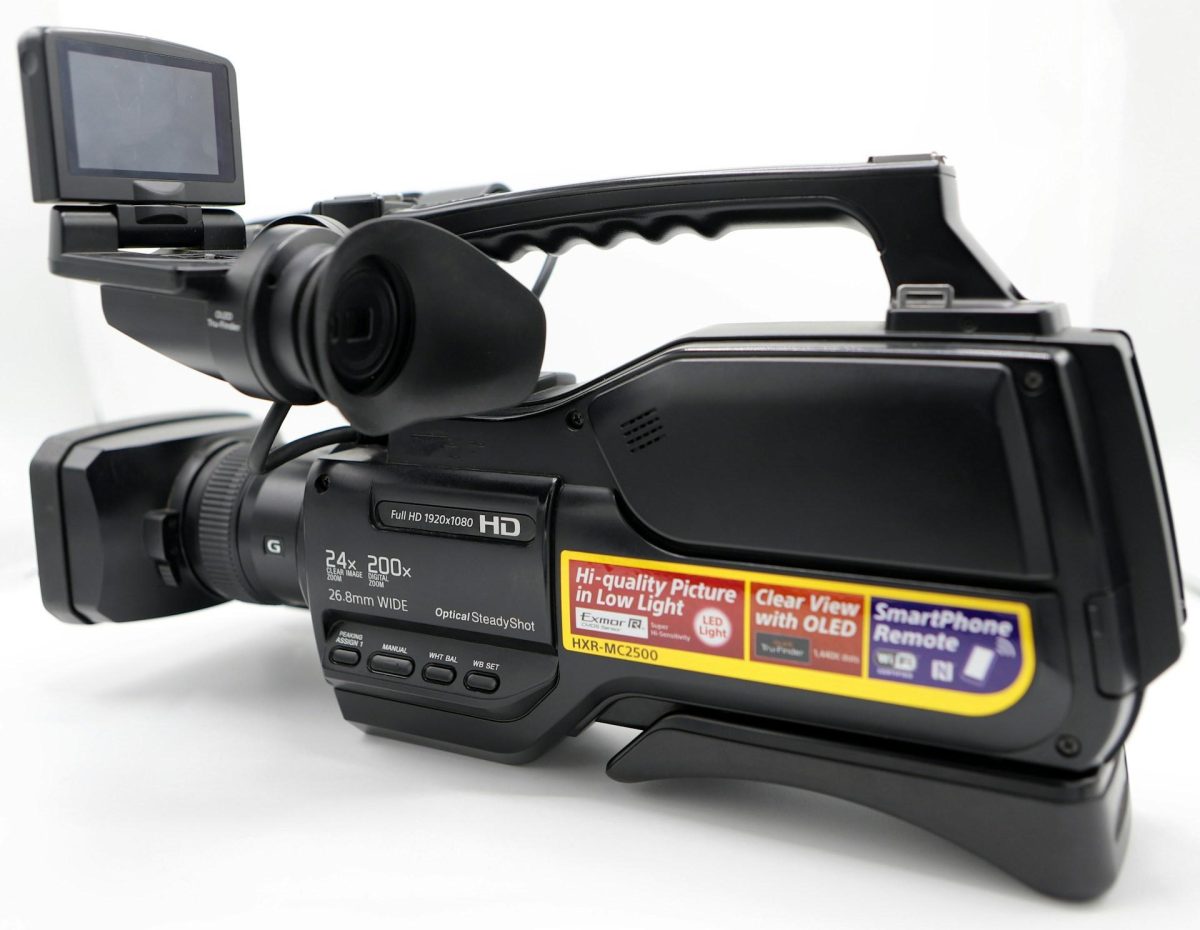
Caption: Believe it or not, there’s a growing demand for analog video equipment.
Alt. text: A black Panasonic camcorder.
Analog as a Creative Shortcut
For many creators, analog video offers a more authentic and efficient way to achieve a vintage look. You can spend hours in video editing software trying to recreate a vintage look. Or you can shoot on analog and get it instantly.
That’s one of the biggest practical advantages.
Instead of layering filters, adjusting grain, and tweaking colors, the camera does the work for you. The imperfections, the color shifts, the texture – they’re baked into the footage.
This makes analog especially appealing to creators who want a strong visual identity without a heavy post-production process.
Community and Shared Learning
Another reason analog video equipment feels approachable is the community around it. People share tips, fixes, and footage online. They talk about which tapes to use, how to transfer footage, and how to maintain older gear.
It doesn’t feel like a closed-off, expert-only space. If anything, it feels more collaborative than many modern tech communities.
Physical Media Feels Different
There’s also something tangible about analog that digital lacks. Tapes, for example, aren’t merely for storing footage. They’re objects you can hold, label, and revisit. That physical connection changes how people think about their footage.
Instead of files buried in folders, you have something you can keep, organize, and even forget about for a while. When you come back to it, the experience feels more like rediscovery than routine playback. It adds weight to what you’ve recorded.
Analog Isn’t Meant to Replace Digital
People aren’t abandoning digital video. They’re choosing analog alongside it. Digital is still faster, cleaner, and more practical for most situations. But analog fills a gap that digital doesn’t quite cover. It offers a:
- Distinct visual identity
- More hands-on process
- Break from constant optimization
That combination makes it valuable, even if it’s not the default choice.
Final Thoughts
The renewed interest in analog video equipment comes down to one thing: control over how something feels. Digital gives you control over quality. Analog gives you control over character. Right now, more people are choosing character. They want footage that doesn’t look perfect and tools that introduce a bit of unpredictability. They want a process that feels more involved. And analog delivers on all of that without trying too hard.
Keyword – analog video equipment
Meta description – Why is analog video equipment suddenly gaining traction among younger generations? Take a closer look at what’s behind the change.
Source – https://www.statista.com/markets/418/topic/485/consumer-electronics/#overview
Photos:
https://unsplash.com/photos/a-video-camera-sitting-on-top-of-a-white-table-tQ485IWKnos
https://unsplash.com/photos/black-nikon-dslr-camera-on-white-table-IB8PCQyMu8o
https://www.pexels.com/photo/black-and-gray-camera-on-brown-carpet-3945322/