
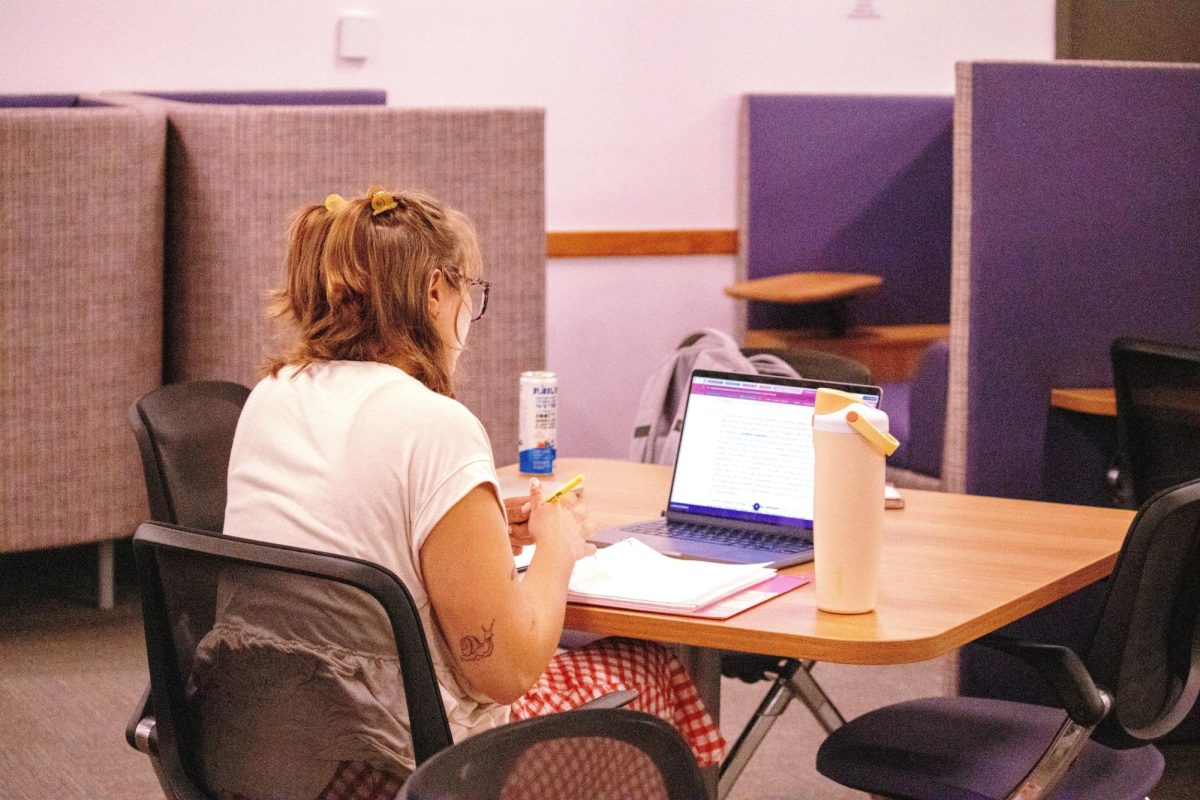









































































Next time you’re in class, take a moment to look around — count the energy drinks and coffees in the room. Whether it’s early morning, mid-day or a late-night study session, it’s not difficult to spot students with these drinks in hand, taking sips between keystrokes.
Caffeinated beverages may be fueling students through their day, but are they really setting them up for success?
Grand Canyon University’s 2025 nationwide survey on college student caffeine habits found that 95% of college students consume some form of caffeine. Furthermore, 67% of students said that caffeine helps them focus academically. These statistics highlight the growing dependence on energy boosts to increase productivity among students.
Additionally, the survey found that on average, college students have pulled around five all-nighters powered by caffeine during their time at school. This illuminates the well-known yet harsh reality that students are sacrificing their sleep, which could lead to sleep deprivation and insomnia.
Other potential risks of consuming caffeinated beverages regularly and in excess include dehydration, headaches, anxiety and even heart complications.
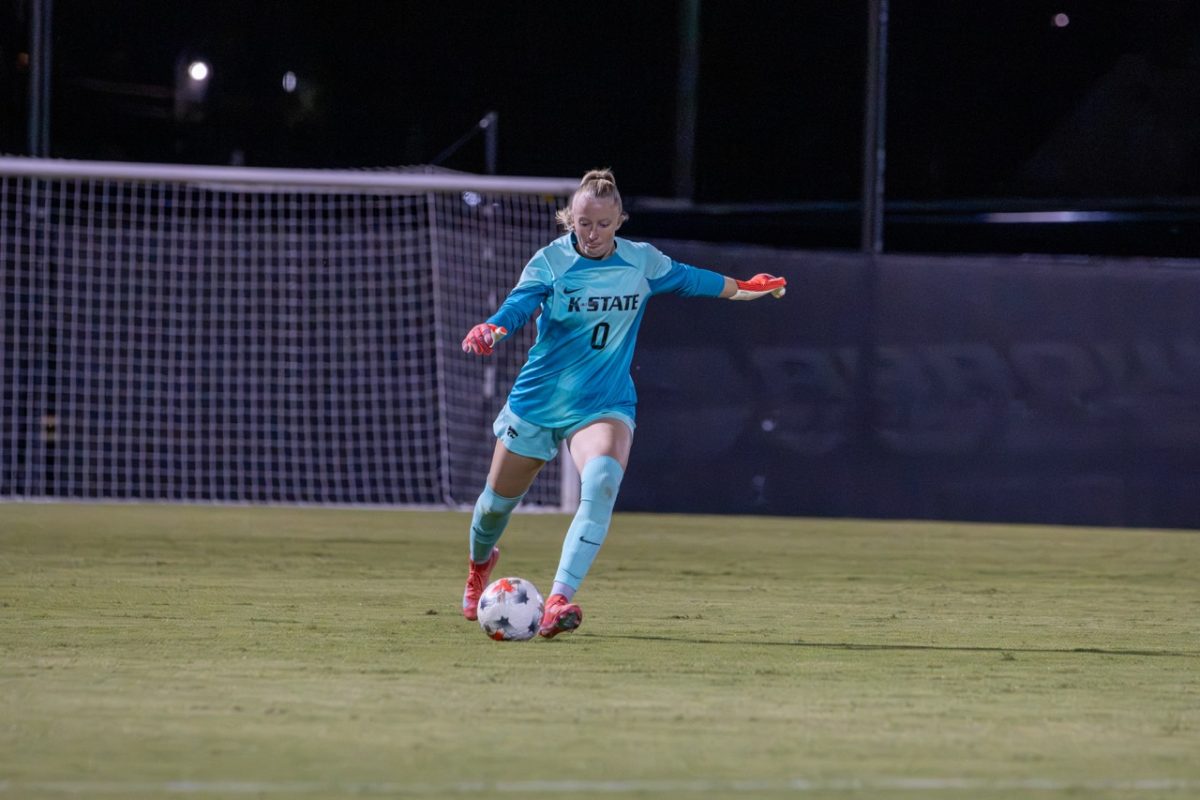
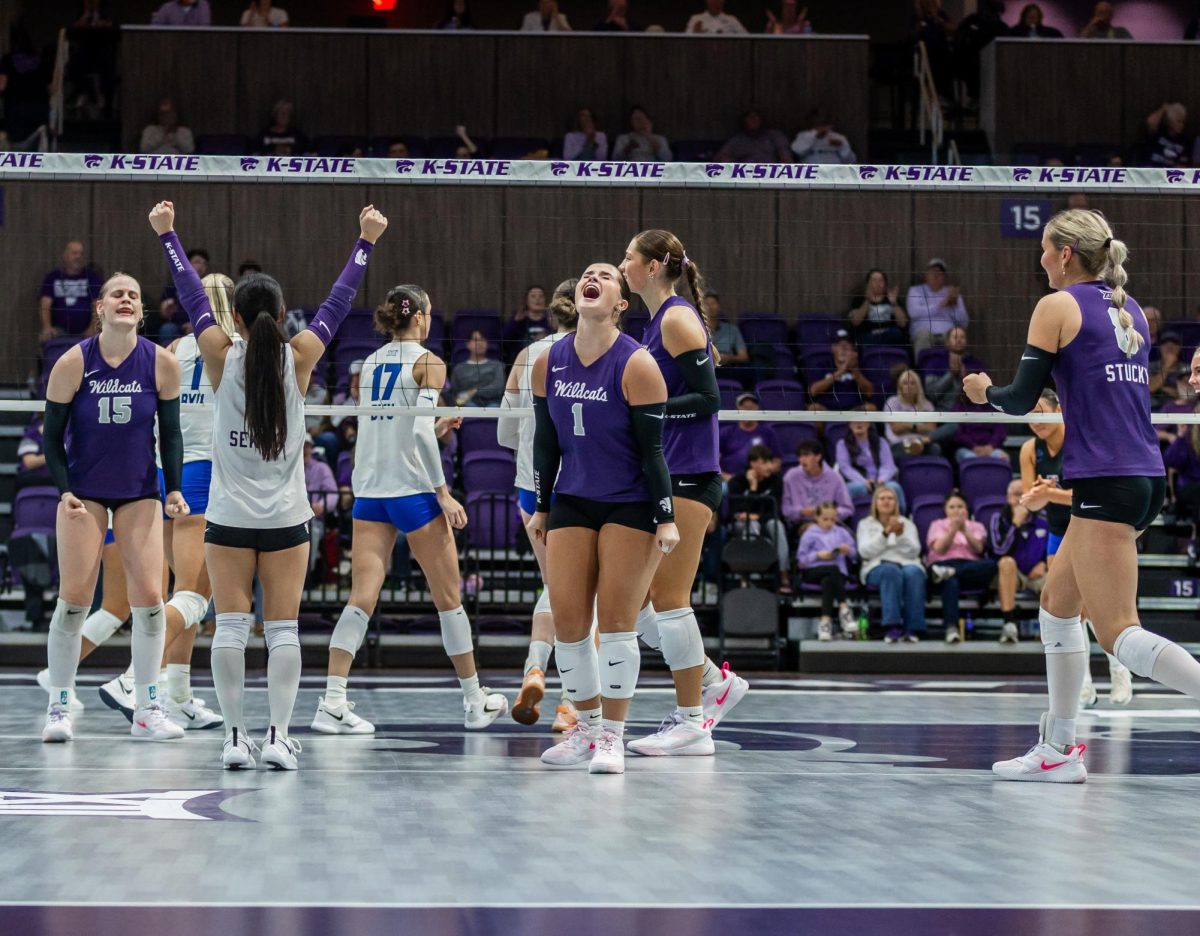
K-State’s campus is no exception to the caffeine habits of today’s college students.
Architecture students are all too familiar with the caffeinated all-nighter. Engineering students take advantage of the Engineering Building’s 24-hour availability of energy drinks. It’s not uncommon to run across an energy drink brand ambassador in the Business Building or on Bosco Plaza, advertising or handing out free drinks.
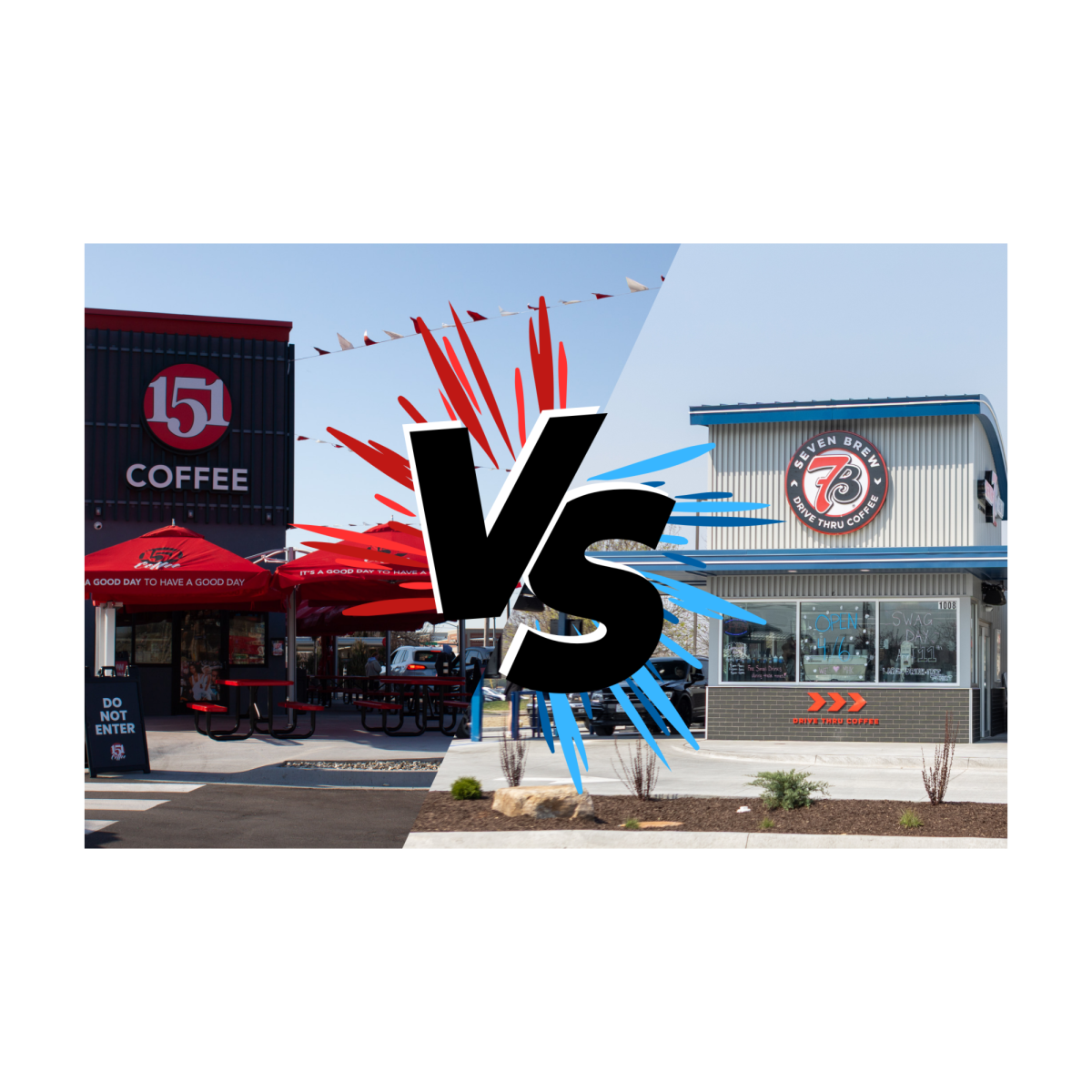
The recent additions of 151 Coffee and 7 Brew Coffee to the area are just two of the upwards of 20 coffee shops in Manhattan that have given students a plethora of caffeine options. Furthermore, promotional deals such as half price and even free drinks have drawn students to these popular locations.
This isn’t even to mention the multiple convenient on-campus options such as Radina’s Coffeehouse, Cornerstone Café and Joyce and Joe’s in Hale Library. By the looks of it, K-State runs on wild amounts of caffeine.
While caffeine does benefit students in short-term productivity, the issue is that if not consumed in moderation, students will experience enduring health issues. In GCU’s survey, 75% of students reported feeling negative side effects from caffeine. Additionally, the ratio of students who reported that caffeine had negatively affected their mental health was one in four. These numbers show how something that is seen as a harmless daily habit can have real long-term consequences.
Caffeine has become a quick fix for exhaustion, not a real solution. At the end of the day, are you really succeeding by sacrificing long-term healthy habits for short-term productivity and energy?
These beverages aren’t going anywhere, especially on college campuses — and that’s OK, but pay attention to how much you’re consuming on a daily basis.