















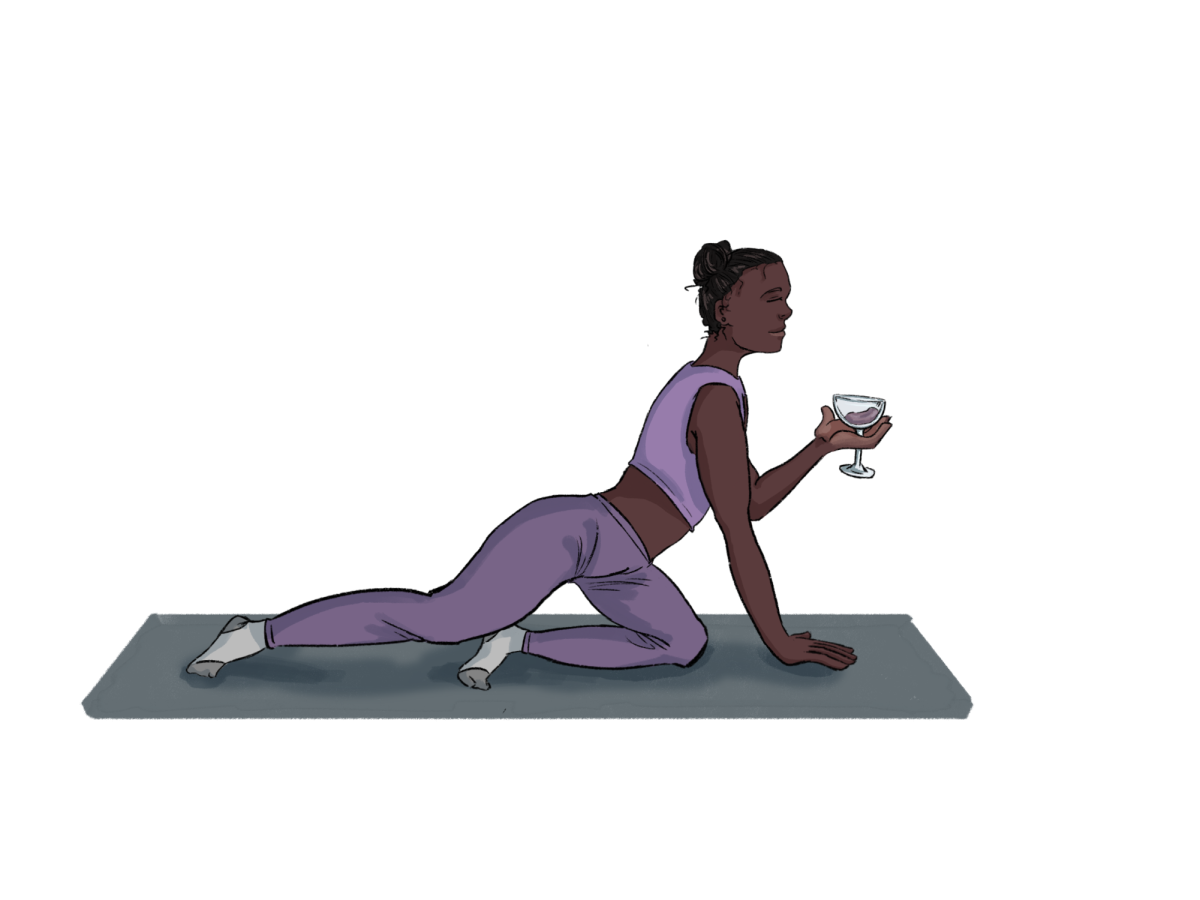

















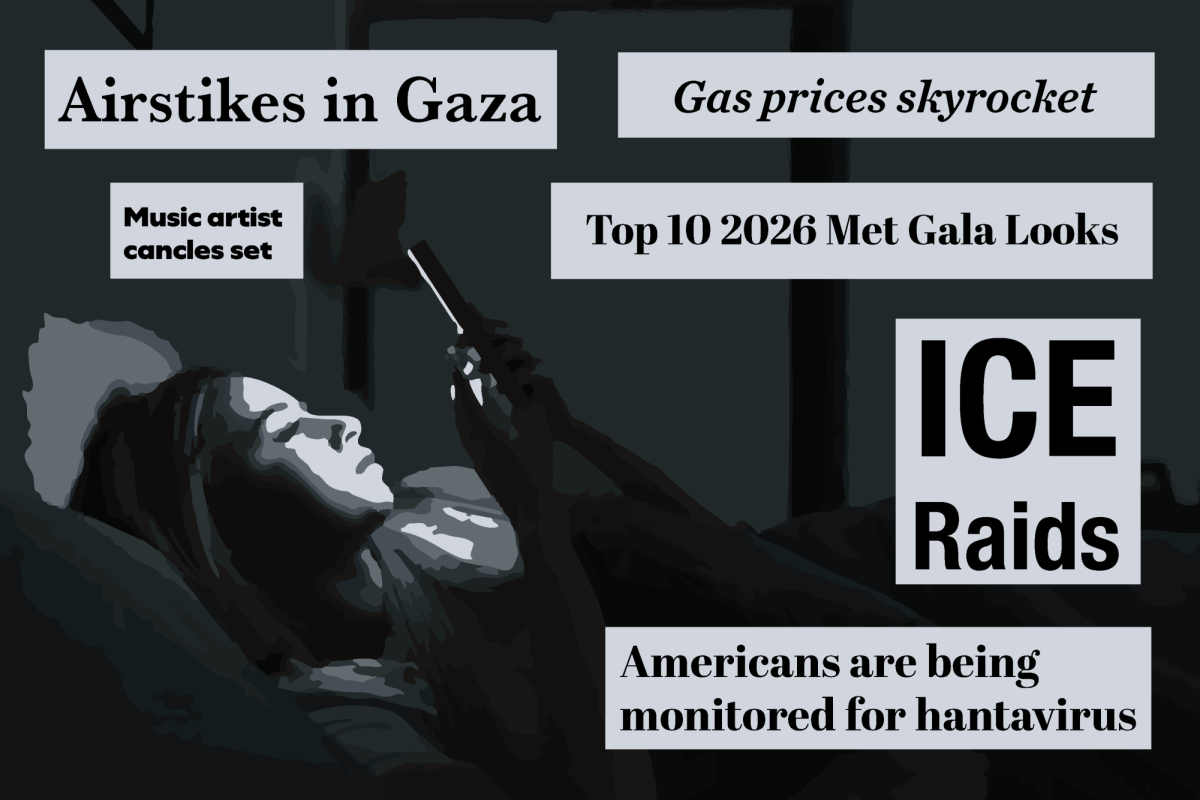
It’s 11 p.m., and you’re scrolling through social media before bed. Right under a video about the latest celebrity scandals, you see a video about another airstrike in Gaza. Right under that, a video of an influencer showing off their outfits for Coachella. Then, a video of ICE brutalizing someone and terrorizing a community. And of course, multiple alarmist and fear-mongering videos — a perfect way to end the night.
Anxiety subconsciously sets in as you witness extreme contrasts in realities, all within seconds of each other. You lie in bed feeling unsettled, not realizing all the noise you just consumed is contributing to your burnout.
Though college students are prone to fatigue, the current political climate in our country and overexposure to social media are undoubtedly creating feelings of anxiety and even hopelessness. Our extreme usage of social media is affecting how we understand politics, the world and each other.
To begin, young adults who get their news from social media are constant victims of fear-mongering. According to Stagwell, a global marketing and communications network, 86% of Generation Z get their news from social media platforms. While it is important to stay updated and engage in conversation about social issues, there is a difference between being informed and allowing anyone with the ability to post on social media to influence you.
Much of the political content that younger generations consume only adds fuel to the fire. Its purpose is to cause panic and cloud your view. Furthermore, news outlets are known to dramatize negative news and manipulate words, creating something termed “headline anxiety” by the American Psychological Association.
Social media is likely much of the reason why people have been heavily emboldened to express their more extreme beliefs amid the current Trump administration. I think it’s safe to say that there has been a disheartening amount of violence, hatred and separation in America over a slew of issues.
With social media’s presence and the administration’s encouragement, the conversation has gotten out of hand. As a generation, we are allowing social media to form our politics, our morals and dictate how we should tolerate and respect each other.
According to Pew Research Center, 59% of American adults who use social media express that online interactions with people with opposing political views induce stress and frustration, contributing to polarization. Political polarization can leave young adults feeling lost, angry and, most of all, confused.
The most disheartening effect of social media and recent politics on young adults has been the shared feeling of hopelessness. This can be connected to seeing many failures in our government and understanding that things will not come to us as easily as in past generations.
There’s hopelessness in college students who aren’t even sure if there will be a career for them after graduation, or if they will be able to afford life after school. The constant flood of political content and negative takes on social media is no doubt making this issue worse. It causes this looming feeling of anxiety and an anticipation of something worse the next day.
Older generations define Gen Z as disengaged, apathetic and distracted by our phones. It’s true that our phones are a constant source of stimulation, with 50-54% of Gen Z spending over four hours on social media daily, according to SQ Magazine. I also agree that many of us are unmotivated and discouraged, but not solely due to a lack of motivation.
For Gen Z, there’s a constant need for distraction and a numbness to our political climate, and I blame social media. To chalk an entire generation up to being disengaged discounts the harsh realities that Gen Z is facing.
This all goes to say that social media has been largely inflammatory this past year, with people from all sides being able to give their two cents and flood our feeds with conspiracies over facts. Amid all the actual chaos going on, there has been no shortage of alarmist media to give you an extra cortisol spike throughout your day.
Stepping away from taking in every political opinion or regulating when and how you consume social media is one of the best things you can do for yourself. This doesn’t mean ignoring the news entirely, but instead finding a way to engage in public discourse that saves you the unnecessary panic from social media.