









































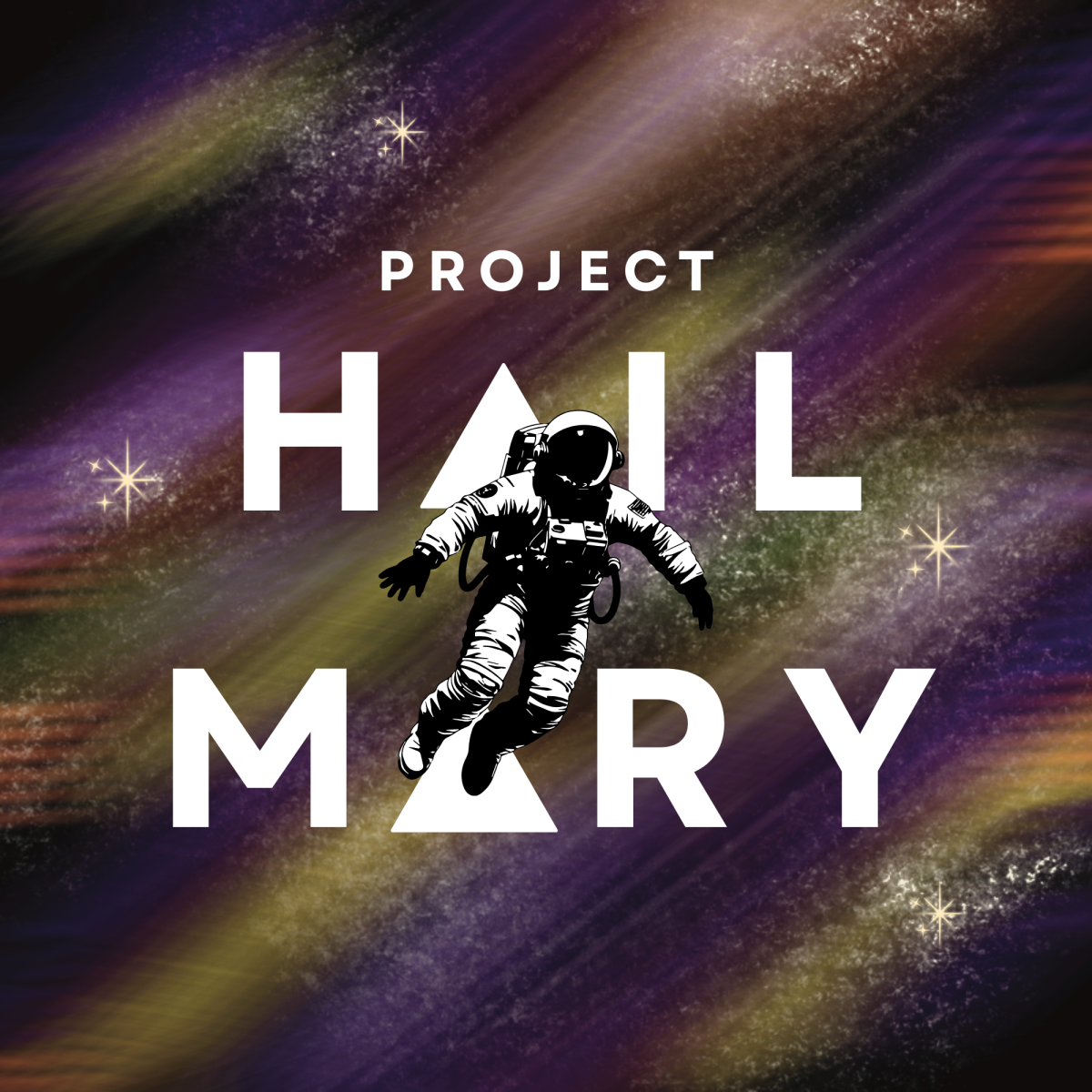





“Verity,” released in theaters on Oct. 2, is the newest Colleen Hoover book-to-film adaptation, based on her psychological thriller of the same name. Dakota Johnson plays Lowen Ashleigh, an underground writer who steps into the shoes of popular author Verity Crawford — who Anne Hathaway plays — after she gets into a car accident. Ashleigh uncovers secrets, falls in love and learns to never be comfortable with certainty.
The problem with this movie wasn’t Dakota Johnson’s sarcastic tone or even the “Twilight”-esque feel of the film. It was the fact that, through film, the storyline lacked depth.
Several plot points were missing, including one of Crawford’s children, taking away one of the main components of the piece: that no one is a reliable source. Removing certain scenes and dialogue between characters made everyone seem more trustworthy than they ever appeared in the novel.
Film producers can never fit a whole book into a movie, and that’s exactly how they ruin a book. They shorten it, leave plot holes, slap some famous actors on it, string in an atypical genre soundtrack and sleep well at night knowing it’ll perform well at the box office.
According to Forbes, “film adaptations of books gross a full 53% more worldwide than films from original screenplays.” If the book is always better than the movie, why do people waste their time and money to see the movie? I believe that can be attributed to two contradicting human traits: liking what we like and curiosity.
A book adaptation is the best of both worlds, while also leaving us with an outlet to complain. Film studios abuse the fact that they already have an audience, and why would they stop adapting books if they are making more profit? Today, movie tickets are expensive, and no one is willing to take a chance on a movie they are not sure they are going to like.
Social media is both a blessing and a curse when it comes to the film industry. It is an instant marketplace where anyone can discuss an upcoming film; however, with that, there are negative opinions that often make potential viewers form neutral opinions before they have a chance to make a fair judgment of the movie.
Negative reviews, a storyline audiences are aware of and award-winning actors are the formula industries rely on to make a profit from book adaptations.
Nevertheless, there are still original films that are not continuing off of other franchises that can still do incredibly well at the box office. One of film-watchers’ favorite movies this summer was “Obsession,” a movie YouTubers created with a low budget.
On opening weekend, “Obsession” grossed around $17 million domestically, while “Verity” grossed around $32.6 million. Despite this, “Obsession” has a score of 93% on Rotten Tomatoes and “Verity” has a score of 31%.
“Obsession” became extremely popular and exceeded box office predictions, and one of the reasons it did so well was because of its marketing and how widely it was acclaimed online. Every other TikTok video of mine during this time was about “Obsession.”
It also did so well because it created an audience and a place for discussion quickly after its release date. It still did not do as well as “Verity” on opening weekend, though, because “Verity” already had an audience to build upon.
The reason there are book adaptations, and the reason there will continue to be more, is because film industries do not want to take risks on original screenplays; and why would they?
Movie adaptations do very well, and audiences are going to go buy their expensive popcorn and slushy, despite knowing that they are going to come out of the movie saying, “Well, the book was better.”