
































































































Another ad, another apology. In September, Converse pulled an advertisement featuring K-pop star Karina after receiving immediate backlash on social media.
Users commented that the ad resembled imagery associated with the Ku Klux Klan and lynching, prompting Converse to quickly remove the campaign and release an apology press statement on Sept. 18.
“We’re sorry,” Converse wrote. “We understand why this image is deeply upsetting and recognize that we got this wrong. We removed it from our channels and are working to remove it everywhere it appeared. This should not have happened, and we will do better.”
Regardless of the ad’s intent, its reception shows that advertisements reach a variety of people who have different interpretations than those of the people in marketing rooms.
Companies shouldn’t dismiss interpretations simply because they weren’t the original intended message, which raises a question: If marketers know that their ads are perceived in many different ways, how do ads like these still get approved?
While marketers can’t predict every possible reaction to a campaign, advertisements often have many eyes on them prior to their release. Yet contentious ads still get approved.
Some ads are more overtly divisive than others. In August, golf brands Callaway and Good Good released a campaign promoting their collaboration, with advertisements that depicted a man shoving a woman to the ground when she tried to touch his driver.
The ad sparked internet discourse immediately, with users upset over the depiction of violence against a woman. Callaway and Good Good promptly pulled the ad and released statements.
“We posted a video to our channels that ultimately depicted actions that are not aligned with our values as a brand,” Good Good wrote in a statement posted to X. “We have since taken that content down, and sincerely apologize.”
Chip Brewer, CEO of Callaway, also addressed the ad in a statement later posted to the company’s X profile, writing, “While the video was produced by Good Good, it was approved by Callaway prior to posting. That approval should never have happened. Mistakes were made, and we are taking the matter very seriously.”
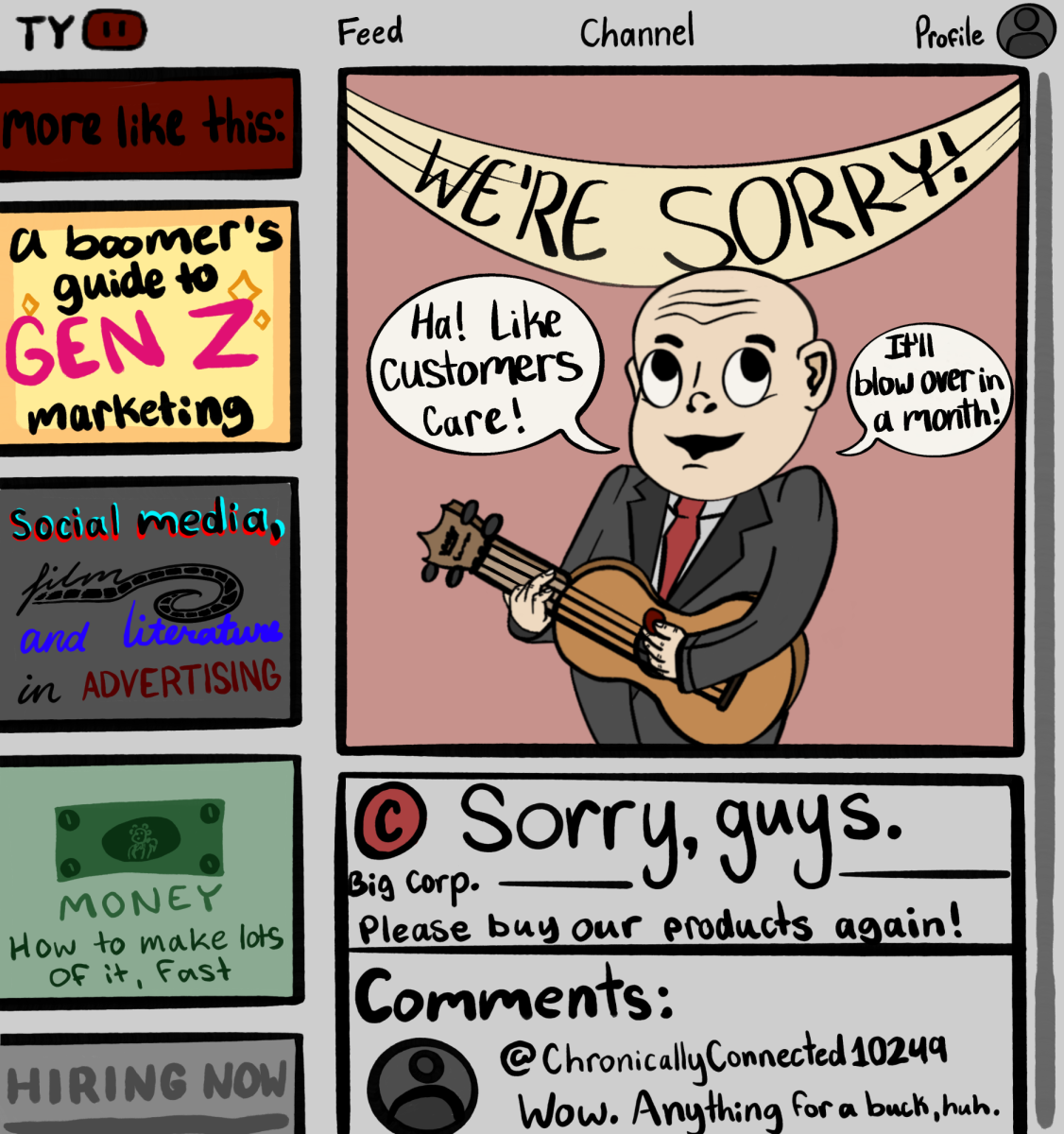
While both Converse and the golf companies apologized to those their ads offended, the apologies all sound similar. In fact, this type of apology has started to sound familiar.
“We missed the mark on this one.” “We take this seriously.” “We are sorry.”
These apologies almost sound formulaic, like they are the next phase of a company’s marketing plan. So what should companies do when they “miss the mark?” Should they avoid the cliché apology altogether?
Sydney Sweeney’s infamous American Eagle jeans ad came out in July of 2025, and despite significant backlash, American Eagle never apologized for the campaign. The ad gained negative traction from its play on words suggesting Sweeney has “great jeans” and “great genes,” leading some people to think American Eagle was promoting white supremacy and eugenics.
American Eagle responded to the feedback by standing by the ad and clarifying their interpretation of the message.
“‘Sydney Sweeney Has Great Jeans’ is and always was about the jeans,” American Eagle wrote in an Instagram Post.
American Eagle made its intended point clear, but its reaction failed to acknowledge the interpretations of others who viewed the ad differently. After seeing many companies release the same apology over and over, would it even make a difference if American Eagle did apologize? Have corporate apologies lost their weight?
Ads that receive backlash are nothing new; just think back to Kendall Jenner’s 2017 Pepsi ad. But now, these ads seem to pop up more and more, as social media allows more people to view ads and share their opinions more quickly. With that comes the familiar apology statement.
Controversial advertisements shouldn’t be a reflection of those who are offended. Instead, they should reflect how companies take feedback with accountability and stride rather than defending messages that affected others. Perhaps if companies start to recognize other people’s worldviews and look at things from different angles, we will stop hearing “we apologize.”