



















































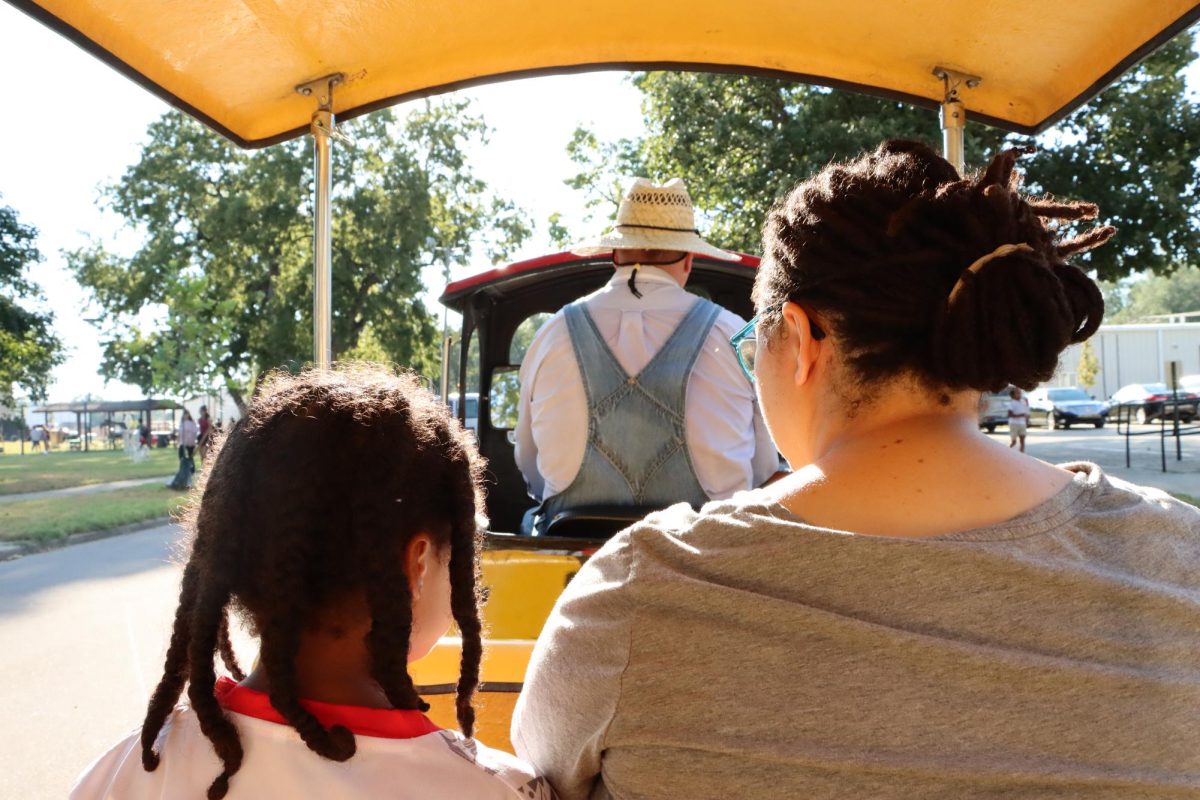
Located on the eastern side of Manhattan, historic Yuma Street hosted its second annual Yuma Street Cultural Festival on Sept. 6. Every year, the festival brings together families, businesses, artists, educators and community leaders for a day focused on culture, history and community pride.
The Black Entrepreneurs of the Flint Hills (BEFH) hosted the festival, which featured several distinct experiences throughout the day, including food trucks, shopping villages showcasing local businesses, impact villages and even activities for the kids who attended. The co-founder and executive director of BEFH, Sheila Ellis-Glasper, helped lead the Yuma Street Cultural Festival to be the event everyone strived for.
“The festival really grew out of our work to preserve the history of Yuma Street and bring the Yuma Street Cultural Center to life,” Ellis-Glasper said. “When we started digging deeper into the history, we realized how many incredible stories are connected to this small area of Manhattan. You have connections to the Negro Baseball Leagues, the Green Book era, Dr. Martin Luther King Jr., Jackie Robinson, Earl Woods and generations of Black families, entrepreneurs, churches and community leaders.”
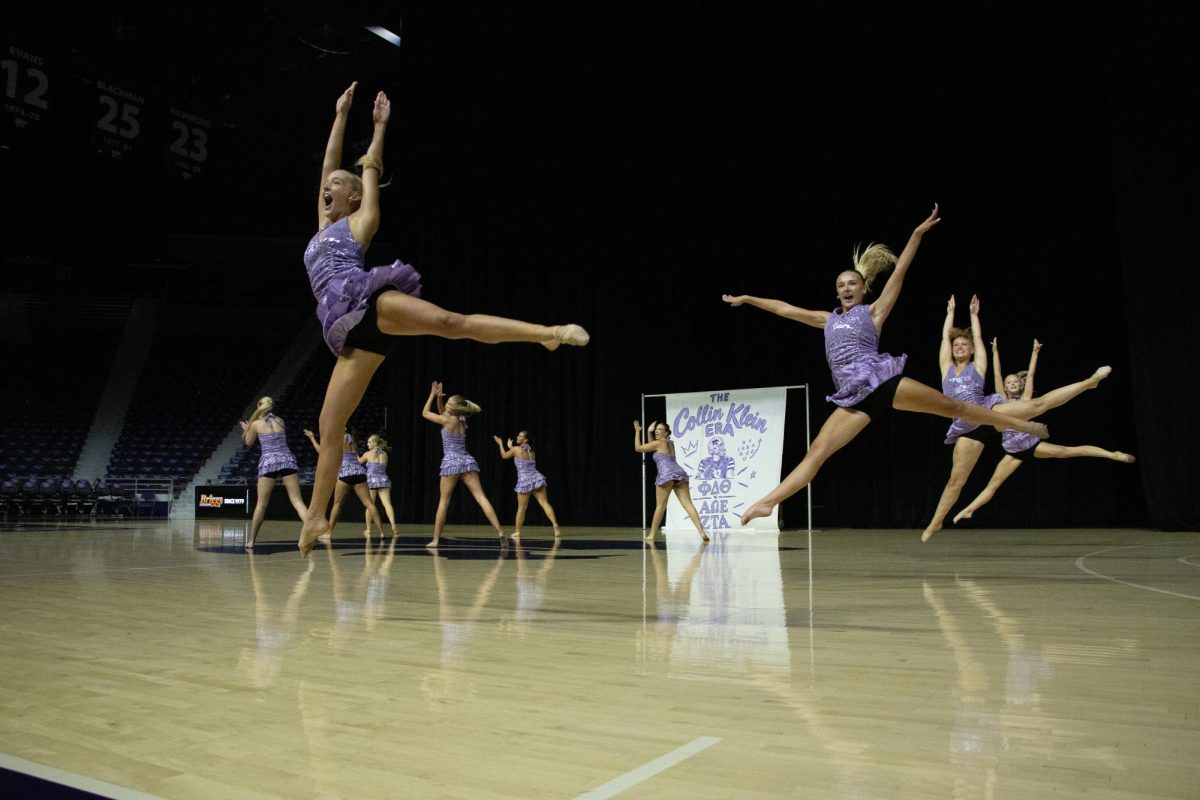
Ellis-Glasper and her team wanted to do more than renovate the historic buildings around Yuma Street; they wanted to bring people to the street and allow them to experience the culture. This year — the second year — the cultural experiences expanded with West African dancing and drumming, soul line dancing, the Divine Nine Stroll-Off, youth dance performances and more.
“We want to honor the Black history of Yuma Street while creating a space where the entire community can come together and experience it,” she said. “You could look around this year’s festival and see children, elders, longtime residents, newcomers and people from different backgrounds eating together, dancing together, learning together and supporting local businesses. Celebrating Black history doesn’t mean closing anyone else out. We’re saying, this is an important part of our community’s story, and everybody is invited to come learn about it and celebrate it with us.”
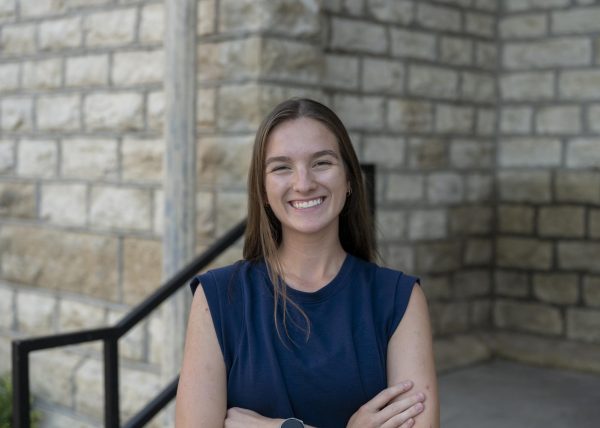
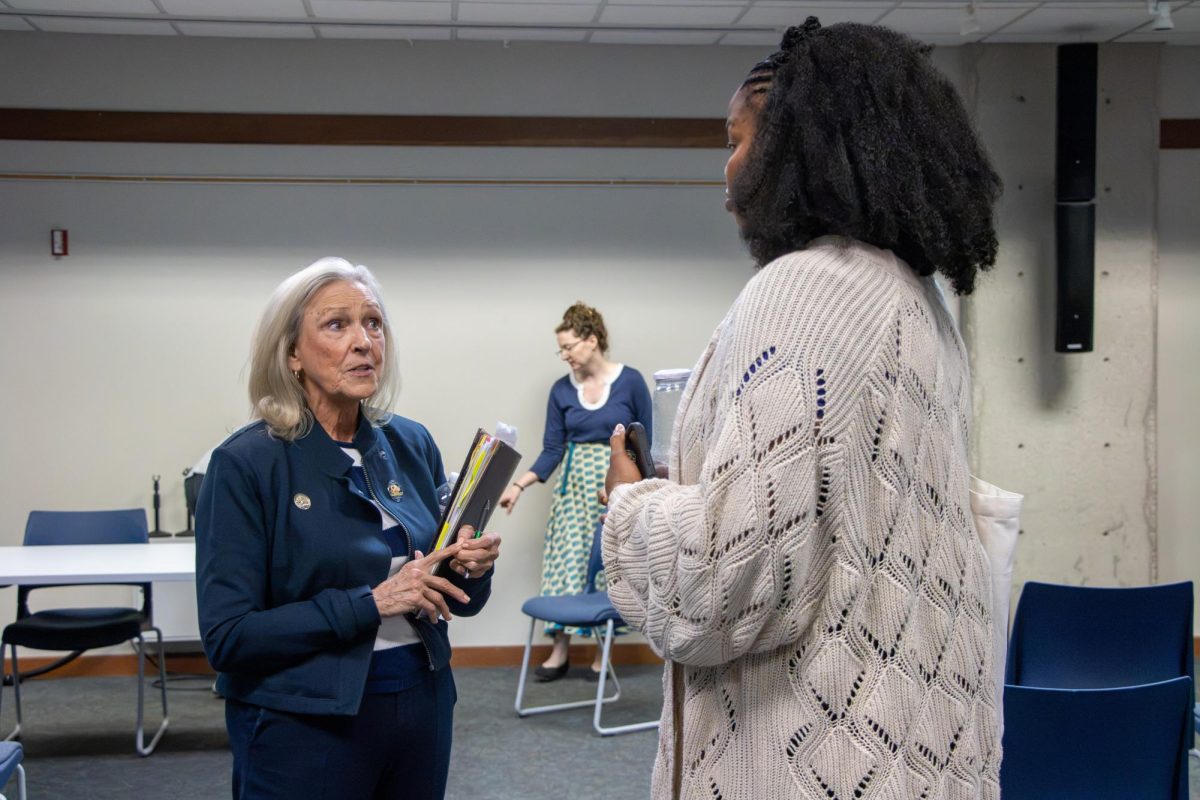
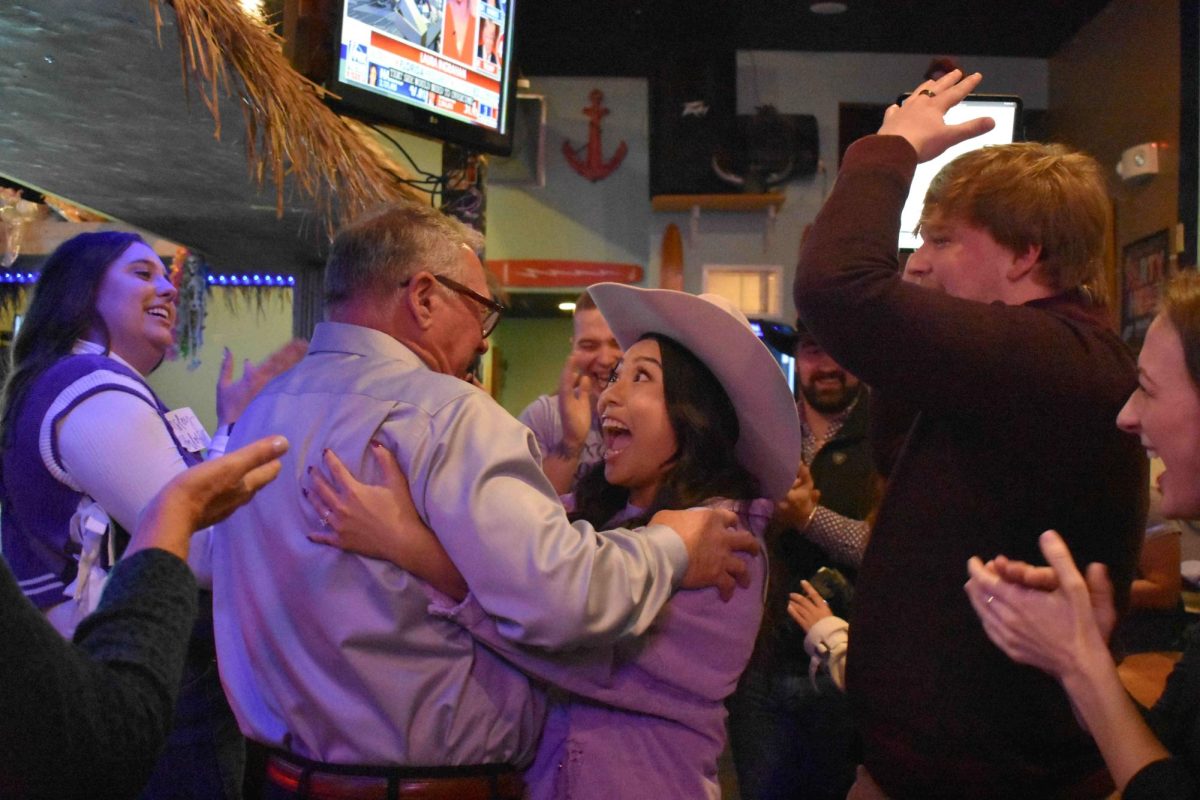
For K-State students, the festival offered a unique look into the importance of reviving the history nestled in the heart of Manhattan. Harper Latta, junior in advertising and public relations, said the event served as both a cultural experience and an opportunity for civic engagement.
“I came out to the Yuma Street Cultural Festival for Secretary of State candidate Jennifer Day,” Latta said. “Our campaign team had found this event, and I was excited to go along with her as I had been to a similar event like this two years ago and really enjoyed seeing all the cultural vendors as well as the performances.”
While campaign work brought her to her first Yuma Street festival, the district’s historical significance left a lasting impact.
“This was my first time really learning about the Yuma Street District as I don’t have any personal roots,” Latta said. “It was incredible to have the option for the historical tour as well as talking to the people and audience as part of the event. I think the impact the Yuma Street Cultural Center will have on the community is that it will give the people of Manhattan a place to connect but also to celebrate the history of our area.”
The connection she felt while attending the event directly aligned with the theme of this year’s festival: Reclaim and Rise, meaning to honor the historic Yuma Street and build up the next generation.
“To me, Reclaim and Rise means that you recognize where you come from and take pride in that history to then go and create a better future,” she said. “It’s turning your past into strengthening your community.”
Part of community strength comes from investing directly into local creators who set up their shops during big events like these.
“Supporting anyone locally keeps money with the people,” Latta said. “Big franchises are supported by a vast number of outside help, but supporting those trying to make it on their own adds a much more personal touch”
Festival attendees on both sides of the vendor tables felt that personal touch. For local business owners like AniQueia Shay, creator of A Abstracts LLC, the festival offered a platform for direct connection with the community.
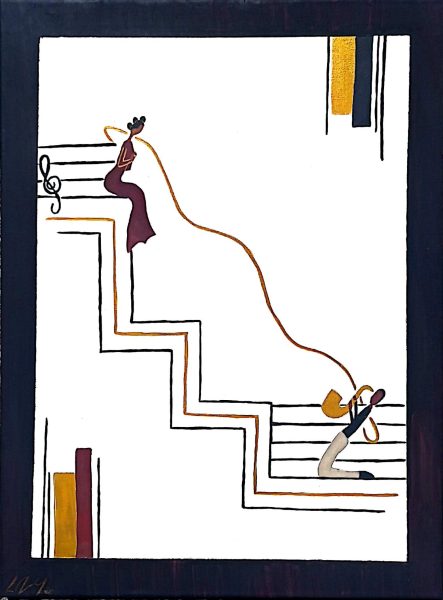
“I have always enjoyed coloring and creating art growing up,” Shay said. “I started painting in 2015 as a form of fine motor support. I started my business to create a professional atmosphere where I could share my creations. I’ve always desired entrepreneurship, and starting my own business has guided me closer to that goal.”
Events like the Yuma Street Cultural Festival have allowed Shay to share her art with the public. Yuma Street has been a big part of Shay’s life, and she has seen it change over the past 22 years. Because the town is deeply rooted in her life, she has eagerly participated in the Cultural Festival for the past two years, sharing her story through art.
“My artwork is described as contemporary Afrocentric illustration and abstract figuration, with minimalist silhouette inspiration,” Shay said. “I use these elements to express feeling and soul, which have become part of my signature style. I suppose the story my art is telling is fluently perceived, while each piece is different, of course. Ultimately, the story is strength and beauty in simplicity.”
By sharing her artwork in a place so close to home, she gets to continue to experience the importance of Yuma Street and watch the community expand.
“My favorite part about having a booth at the festival is experiencing the ‘why’ of the past and present work surrounding the Douglas Center and Yuma Street, and seeing just how vital and impactful it is for the community,” Shay said. “Though I am a bit bashful when talking about my art and meeting new people, it is enjoyable to see and experience the interactions that happen during the event.”
Beyond the celebration, the festival serves a greater purpose for Yuma Street. Proceeds from the festival support Shepard Chapel’s restoration and the new Yuma Street Cultural Center’s development. The center will permanently serve as a hub for arts and culture, youth development, digital equity and more.