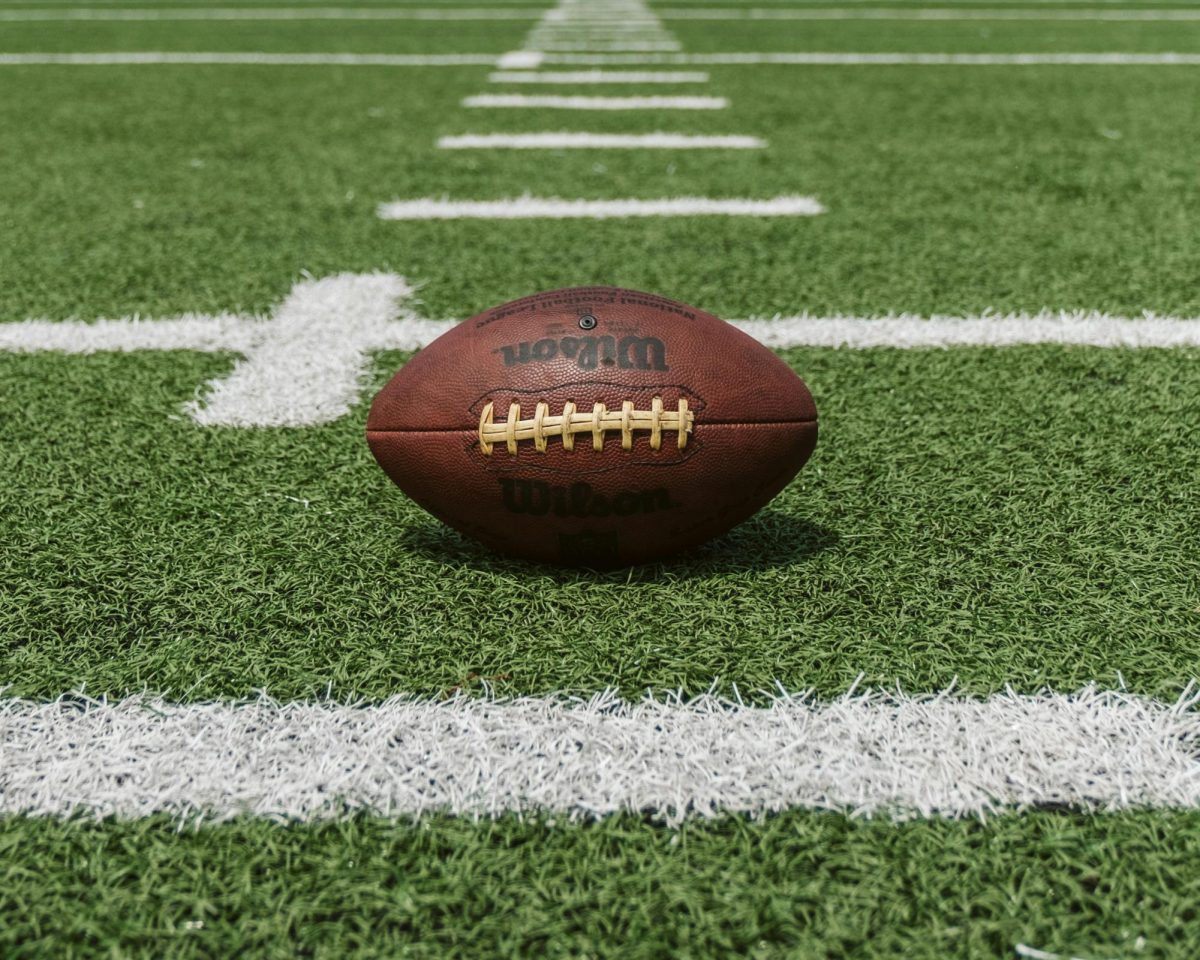












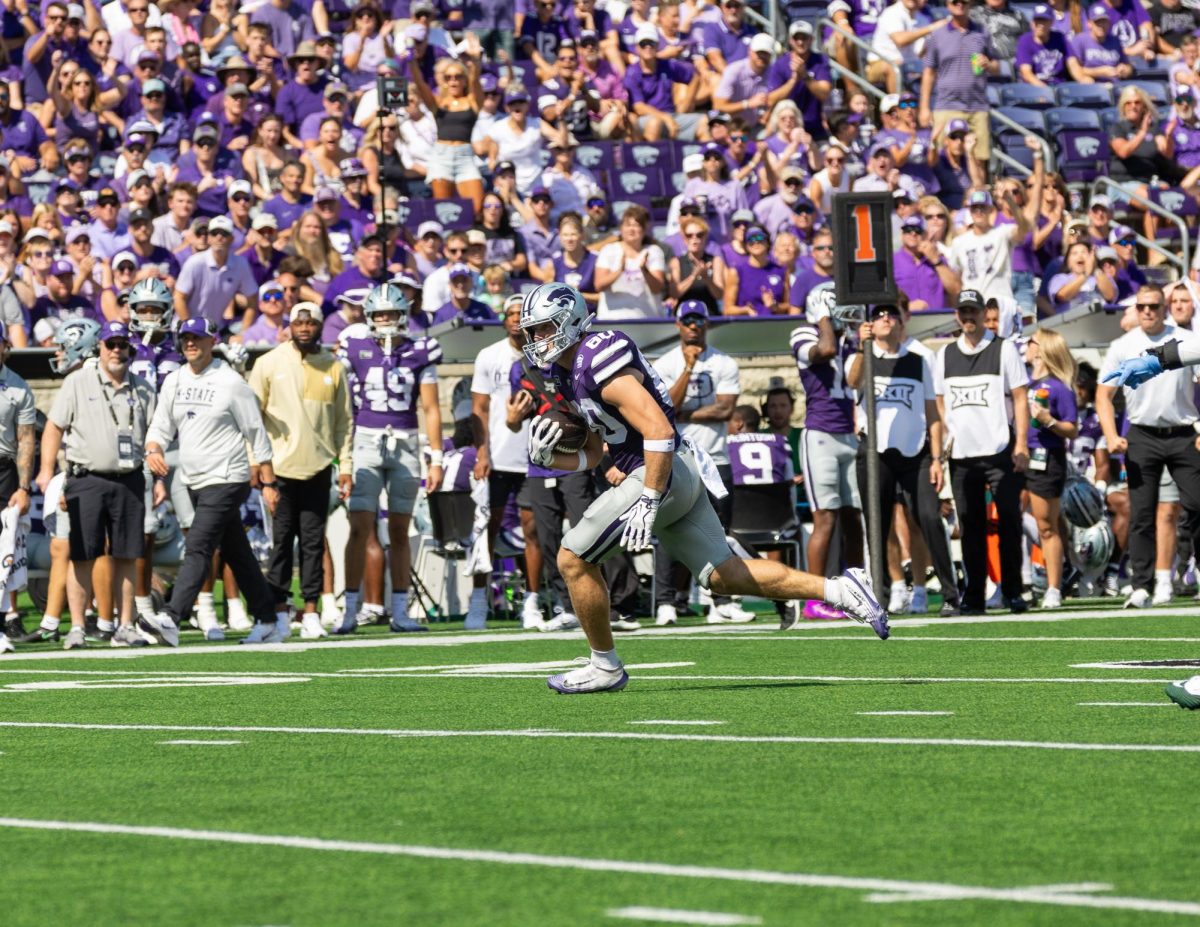

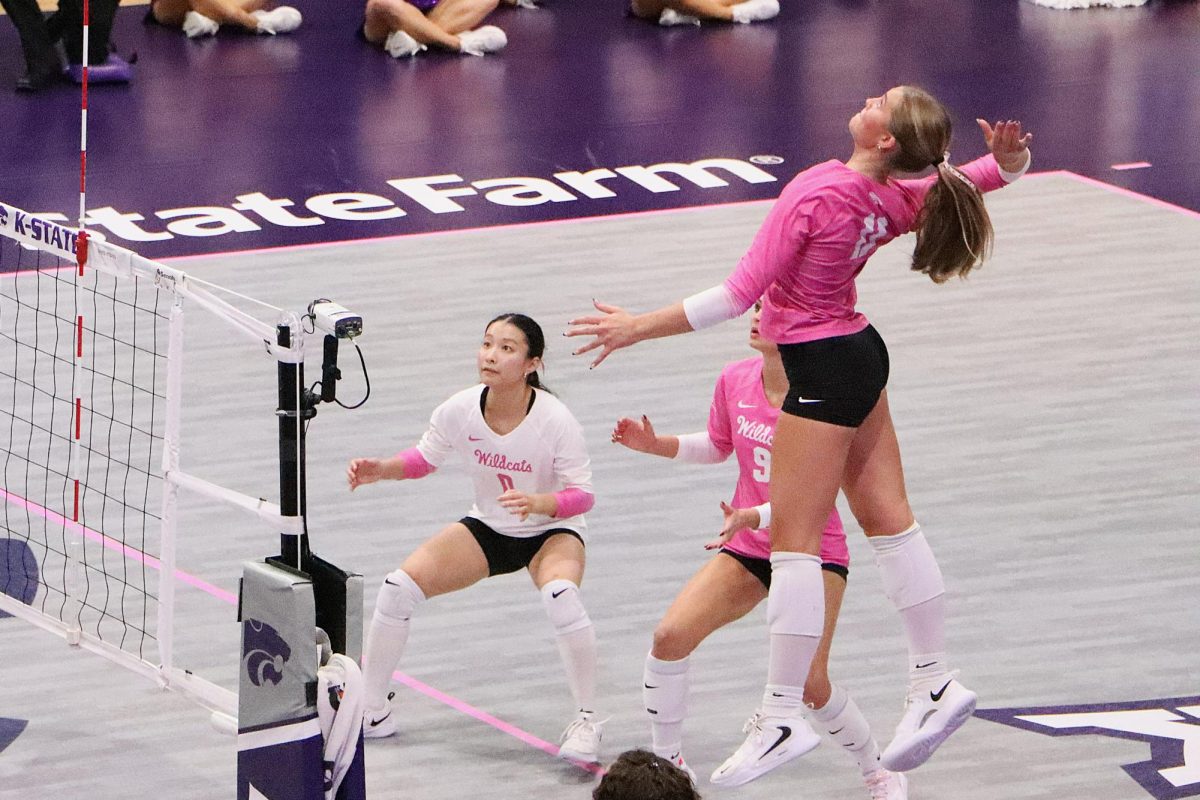
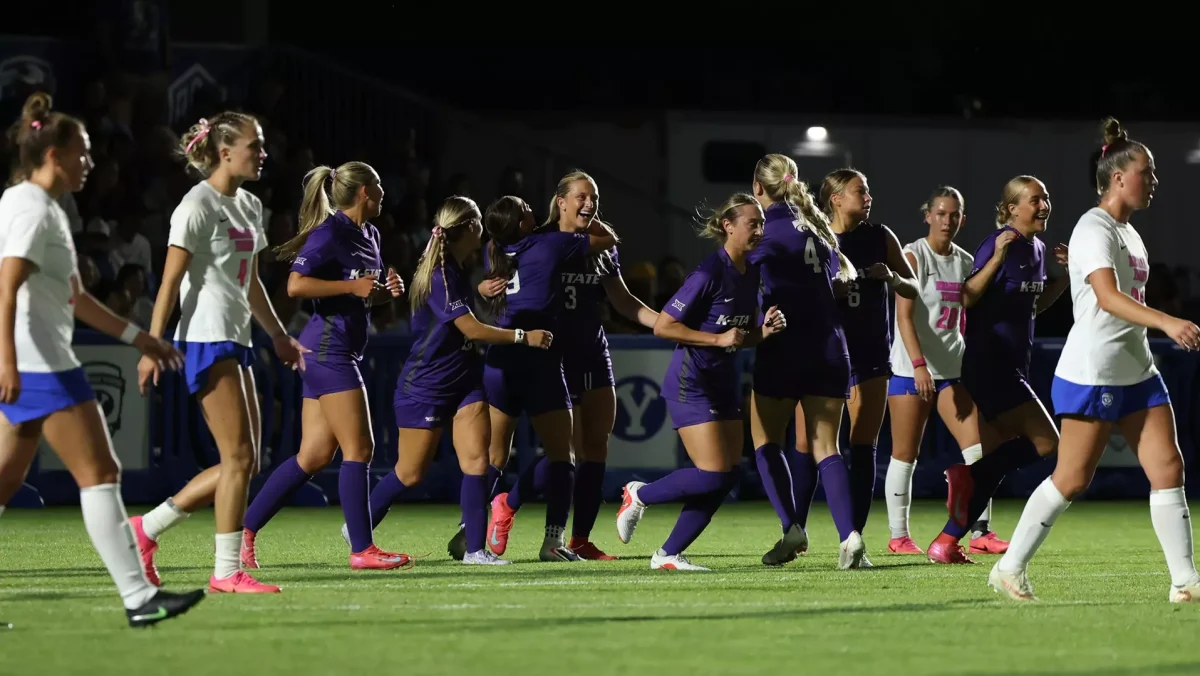
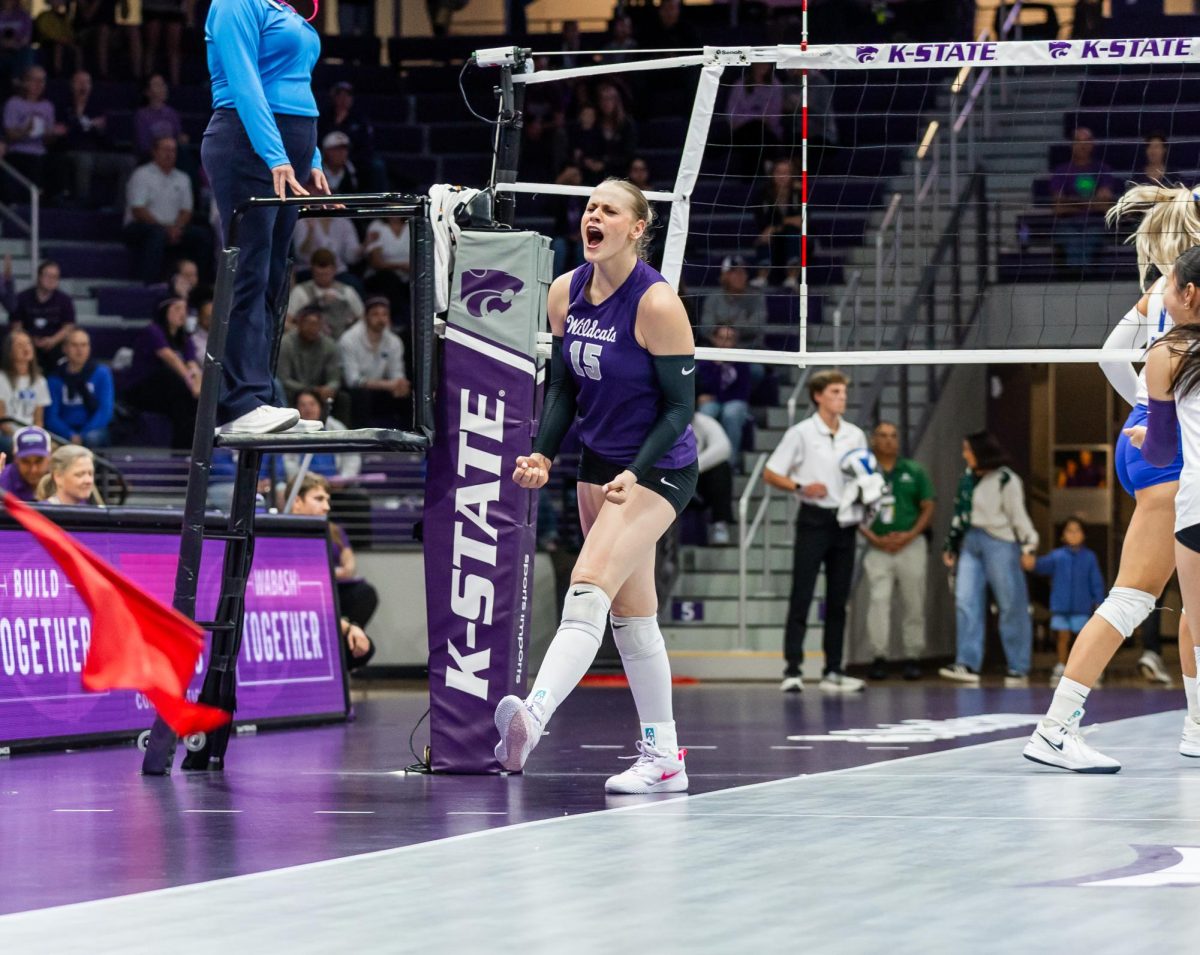

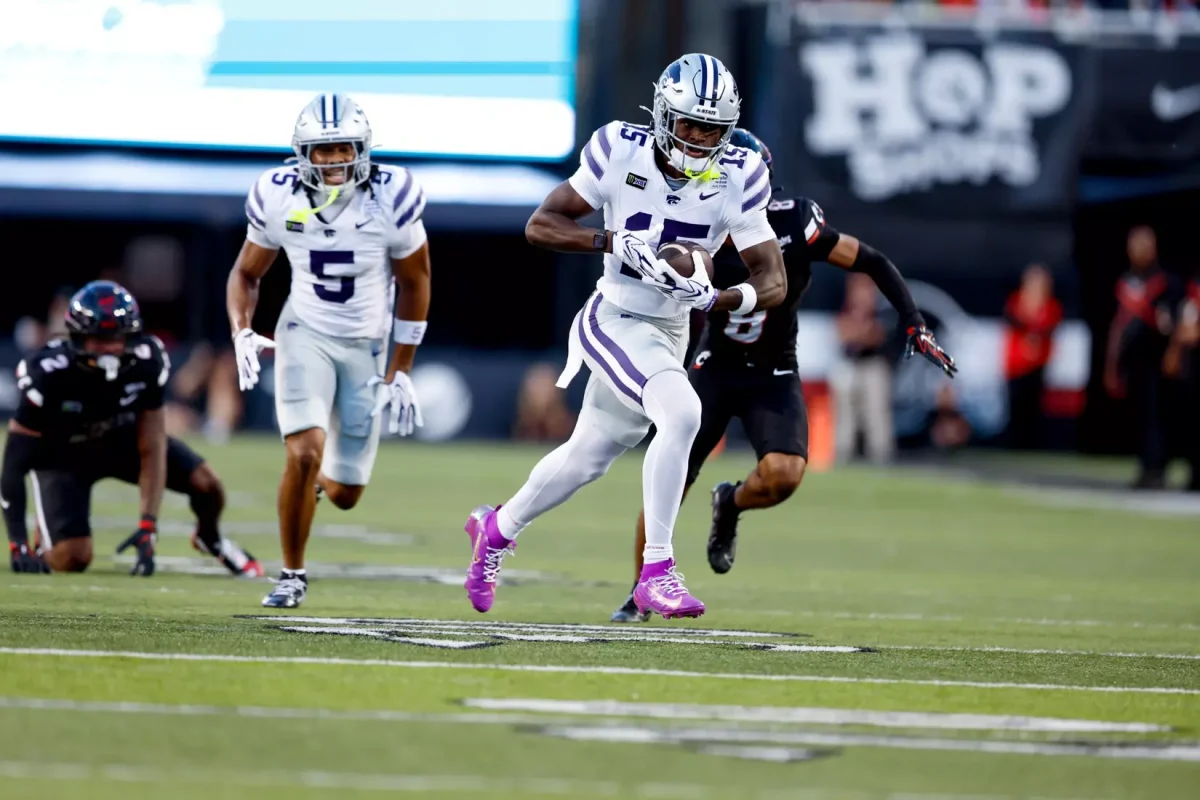




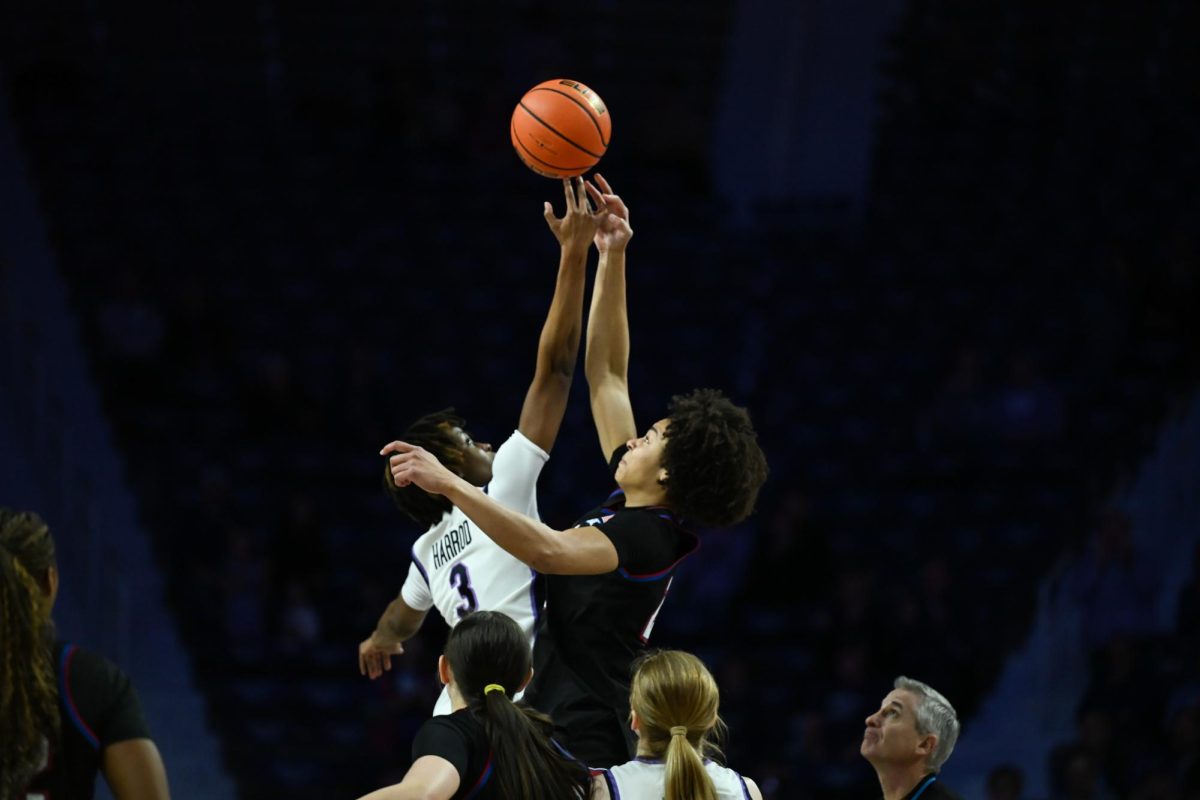


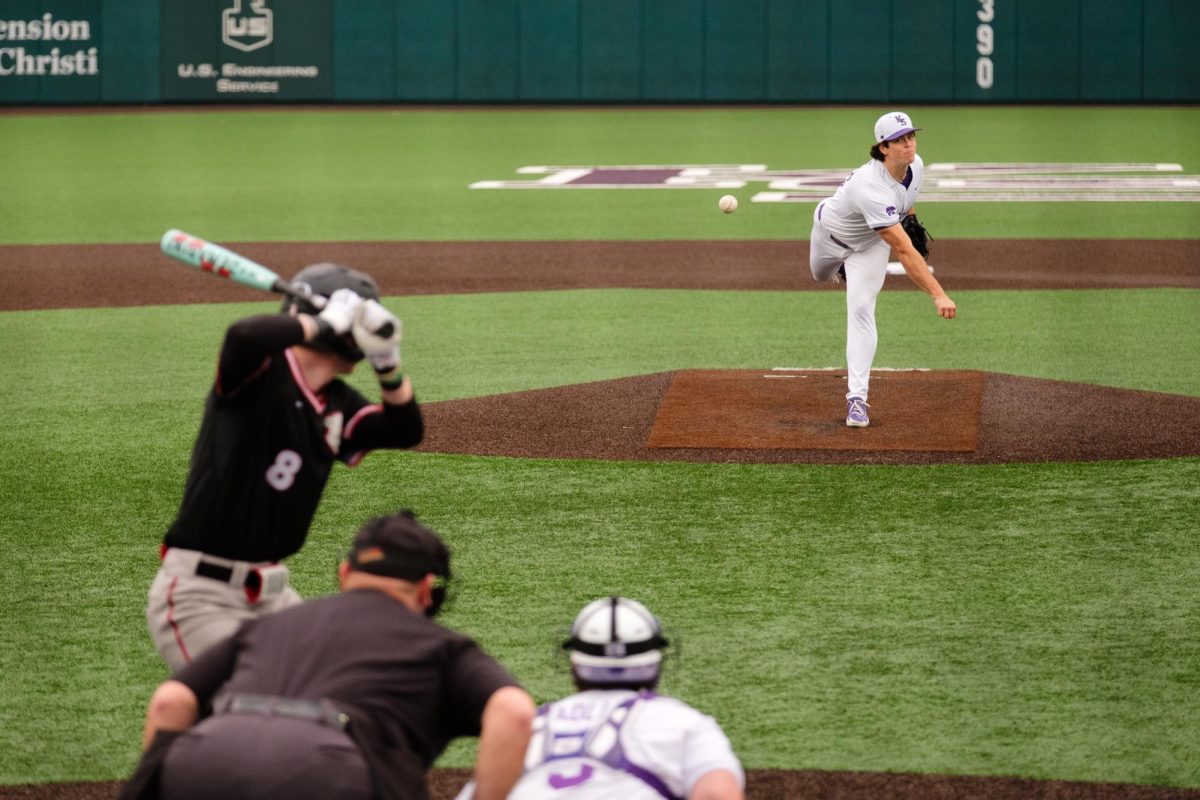
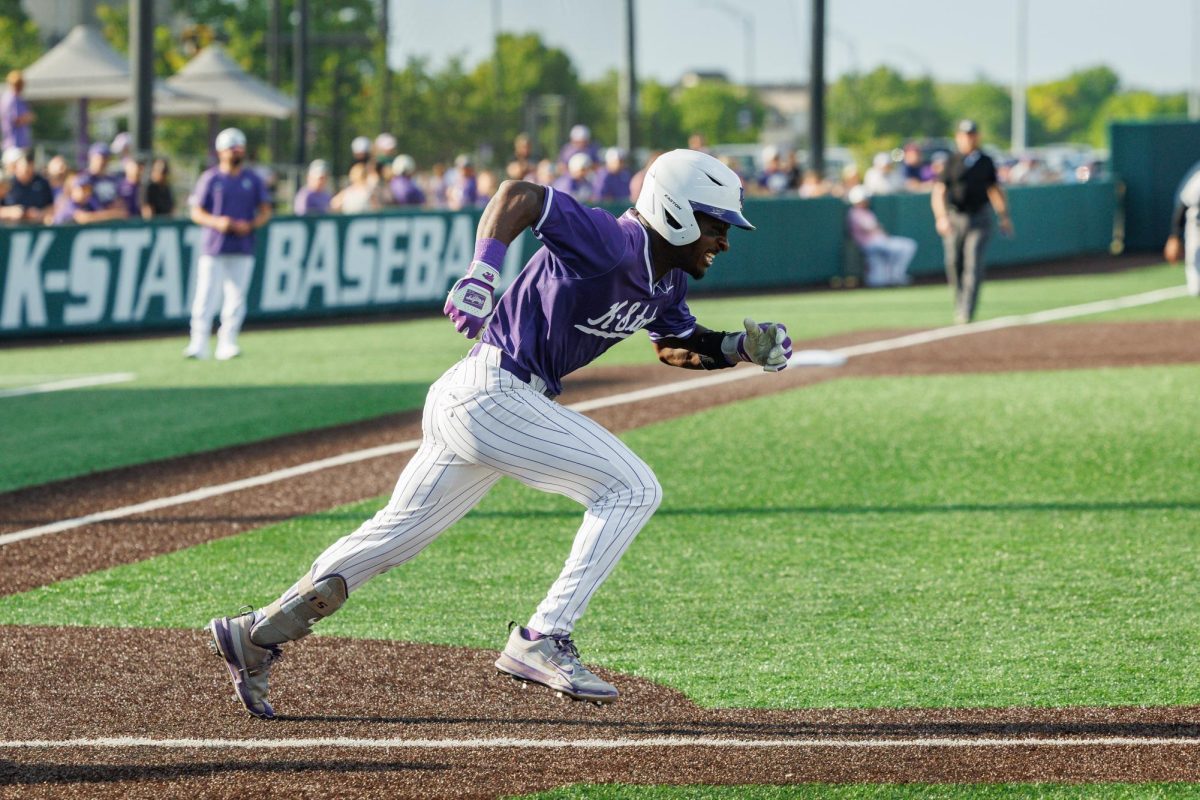
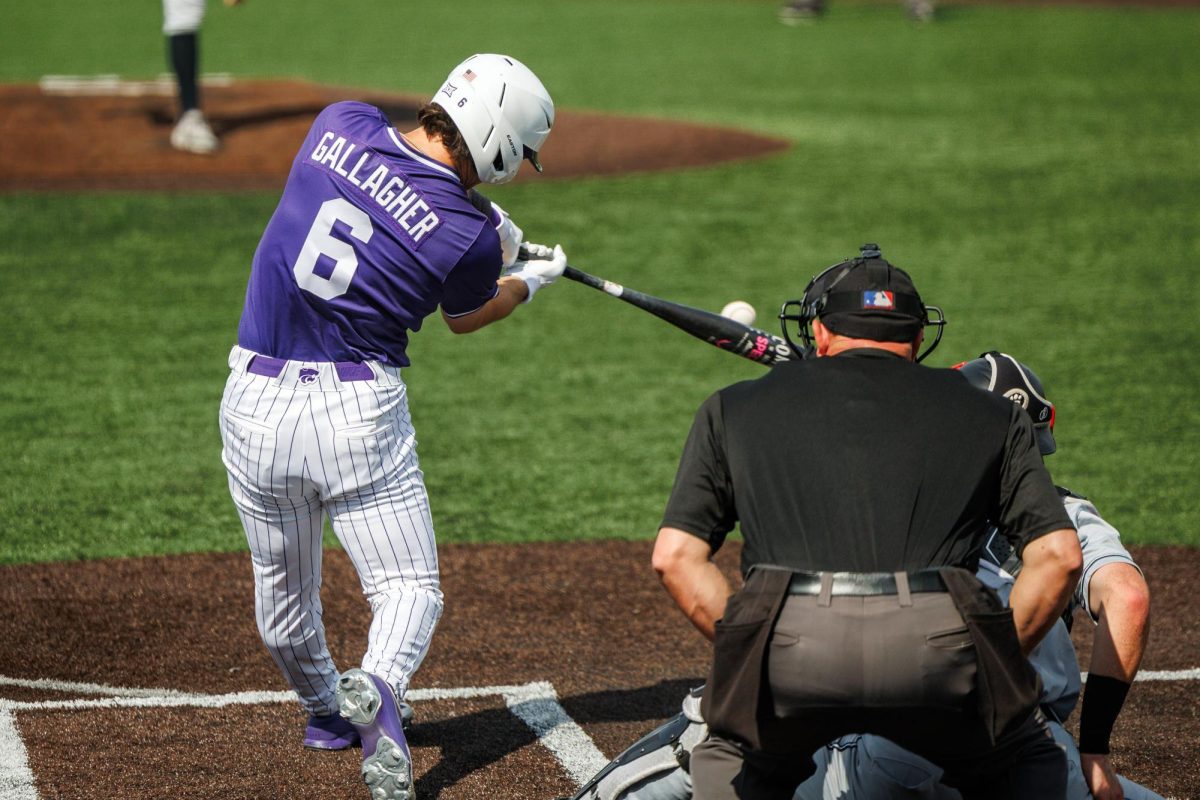
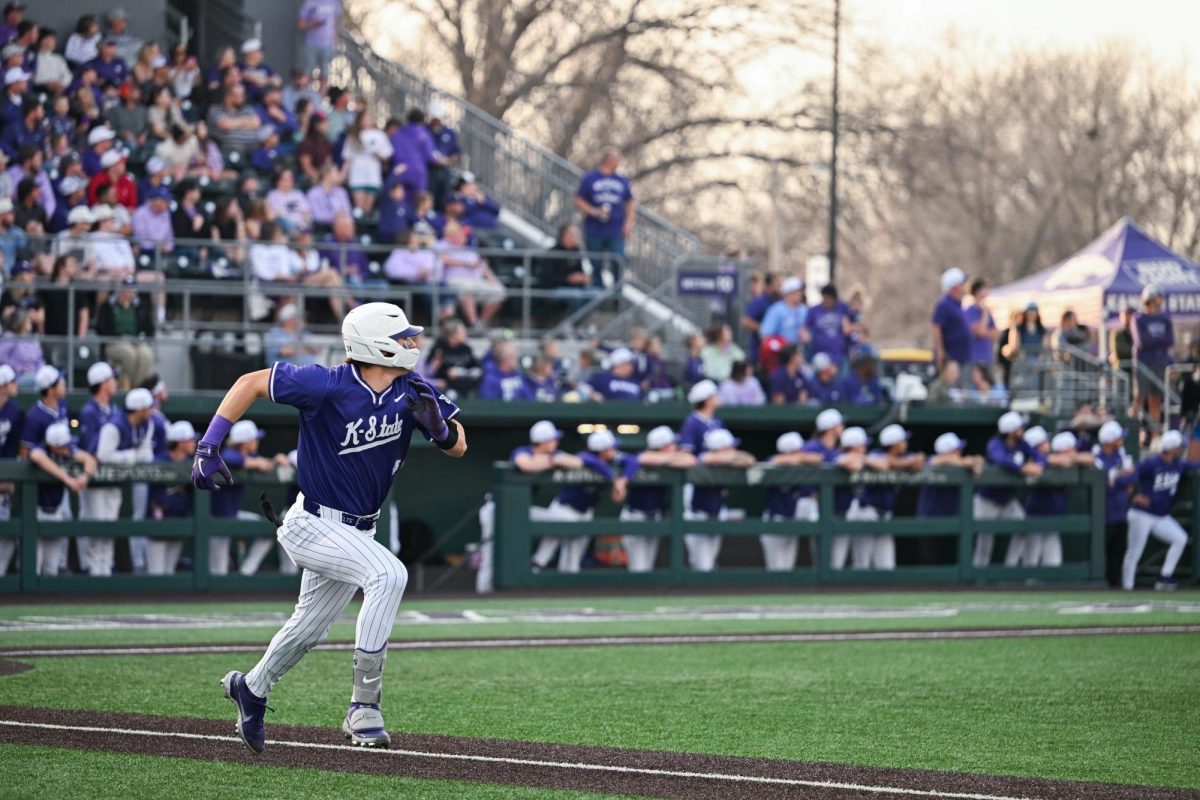
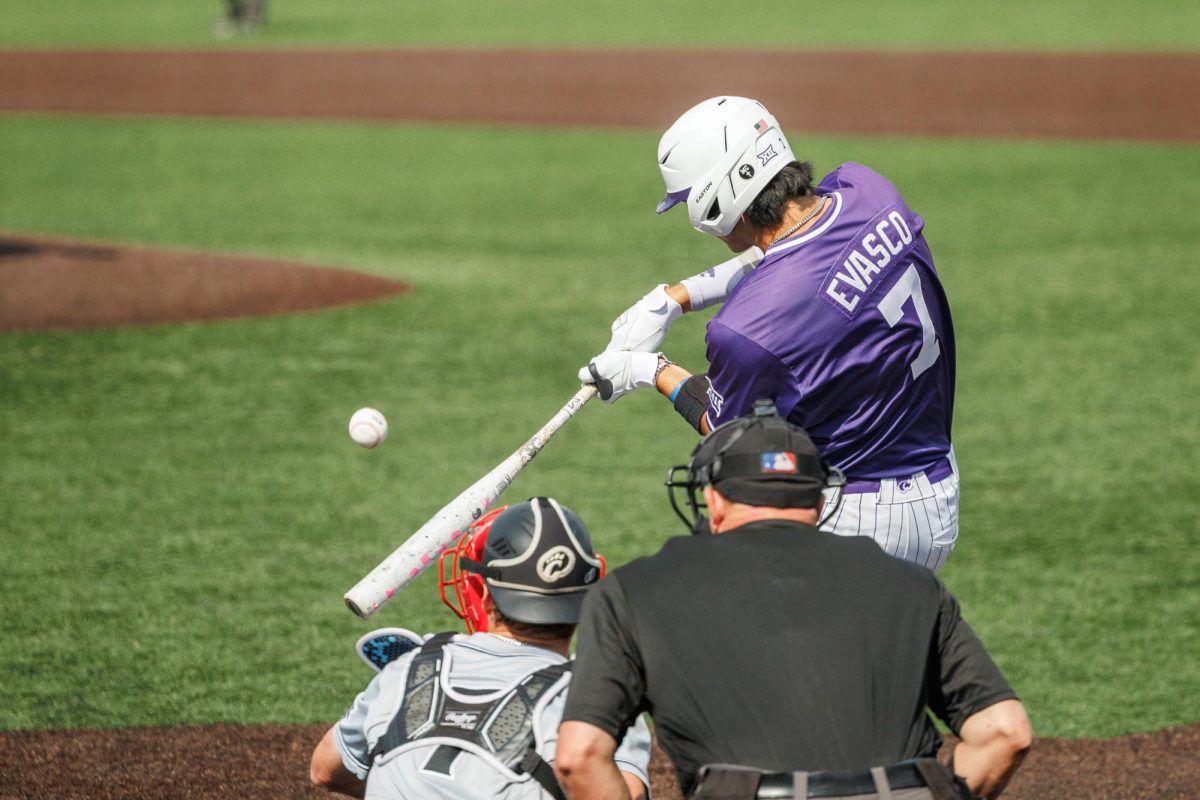
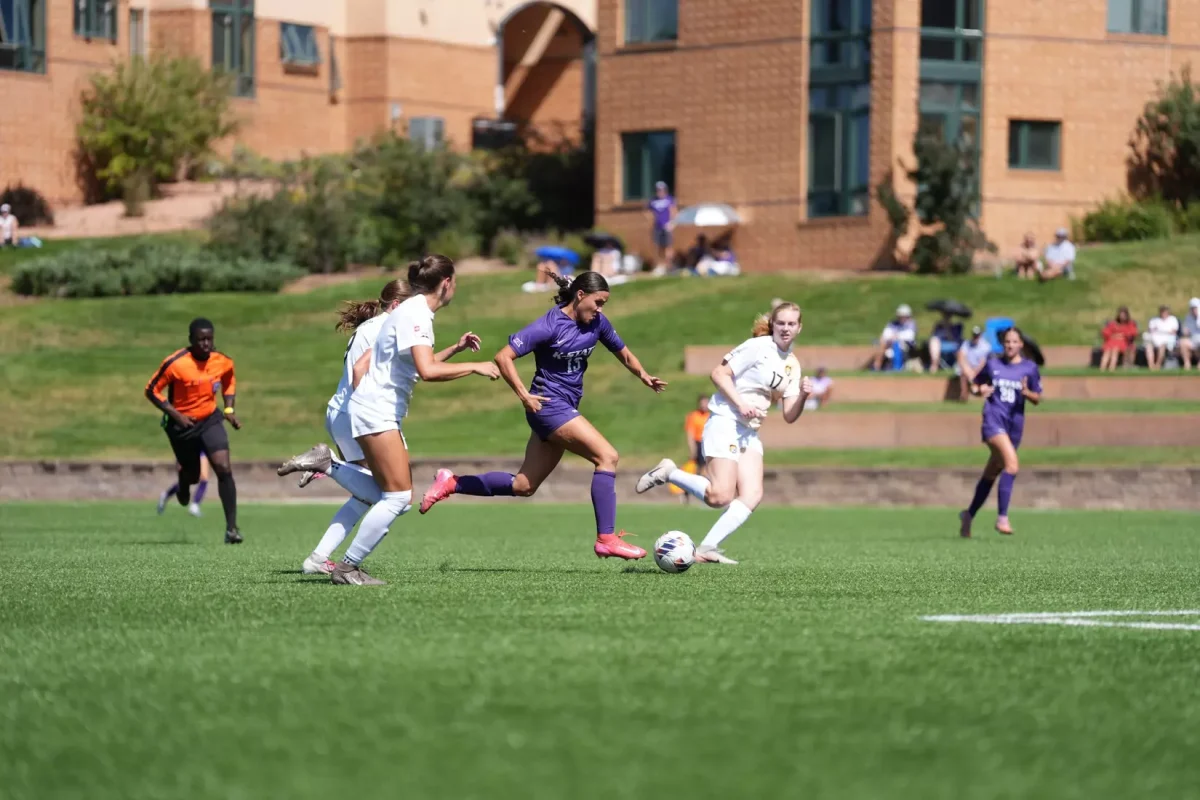

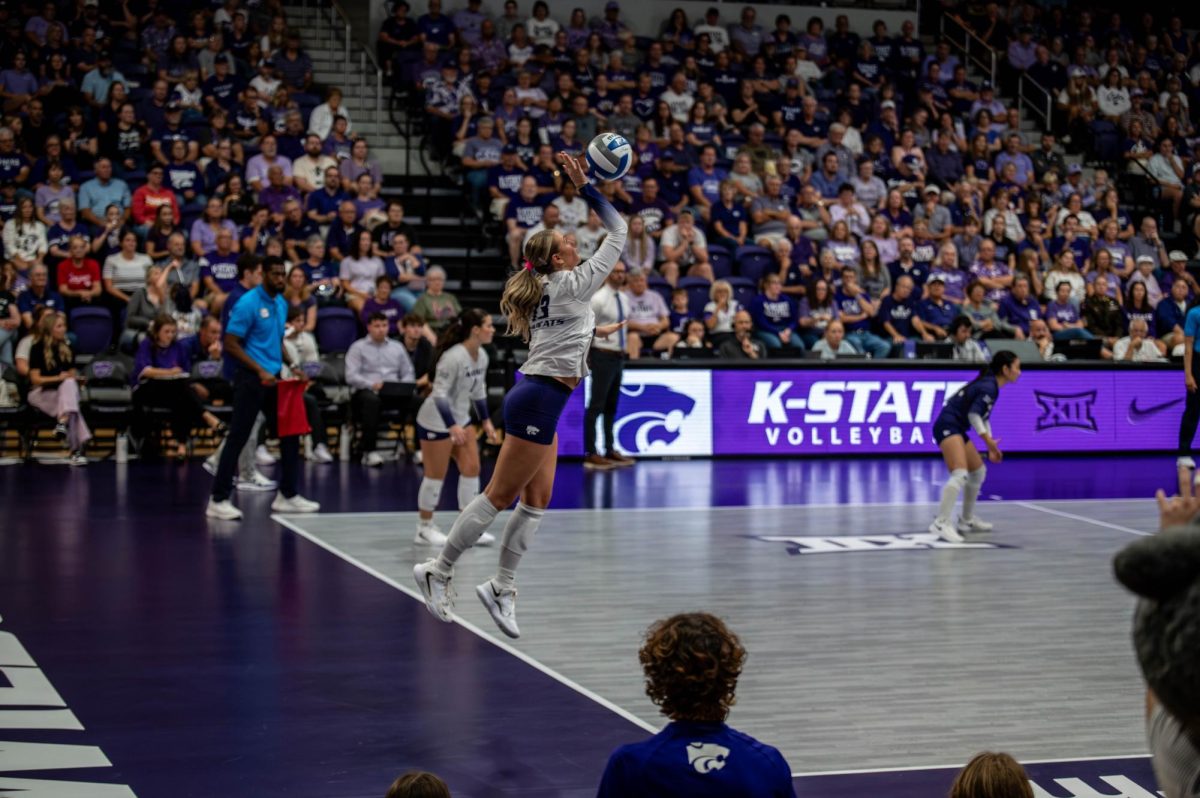
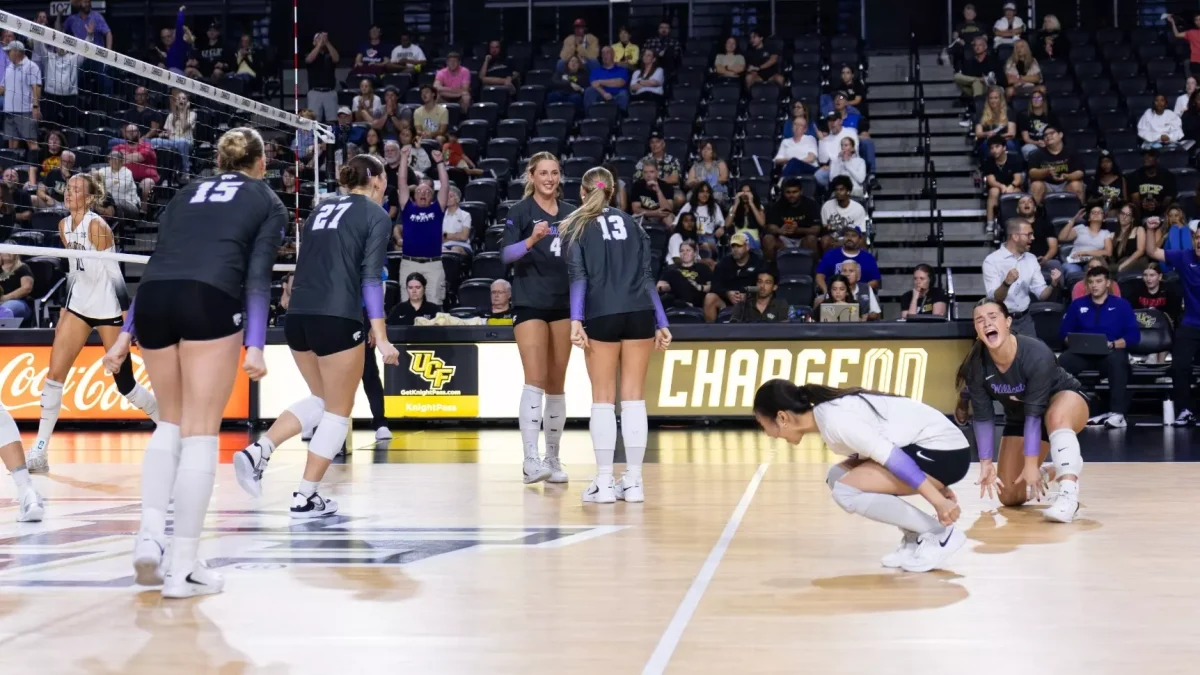
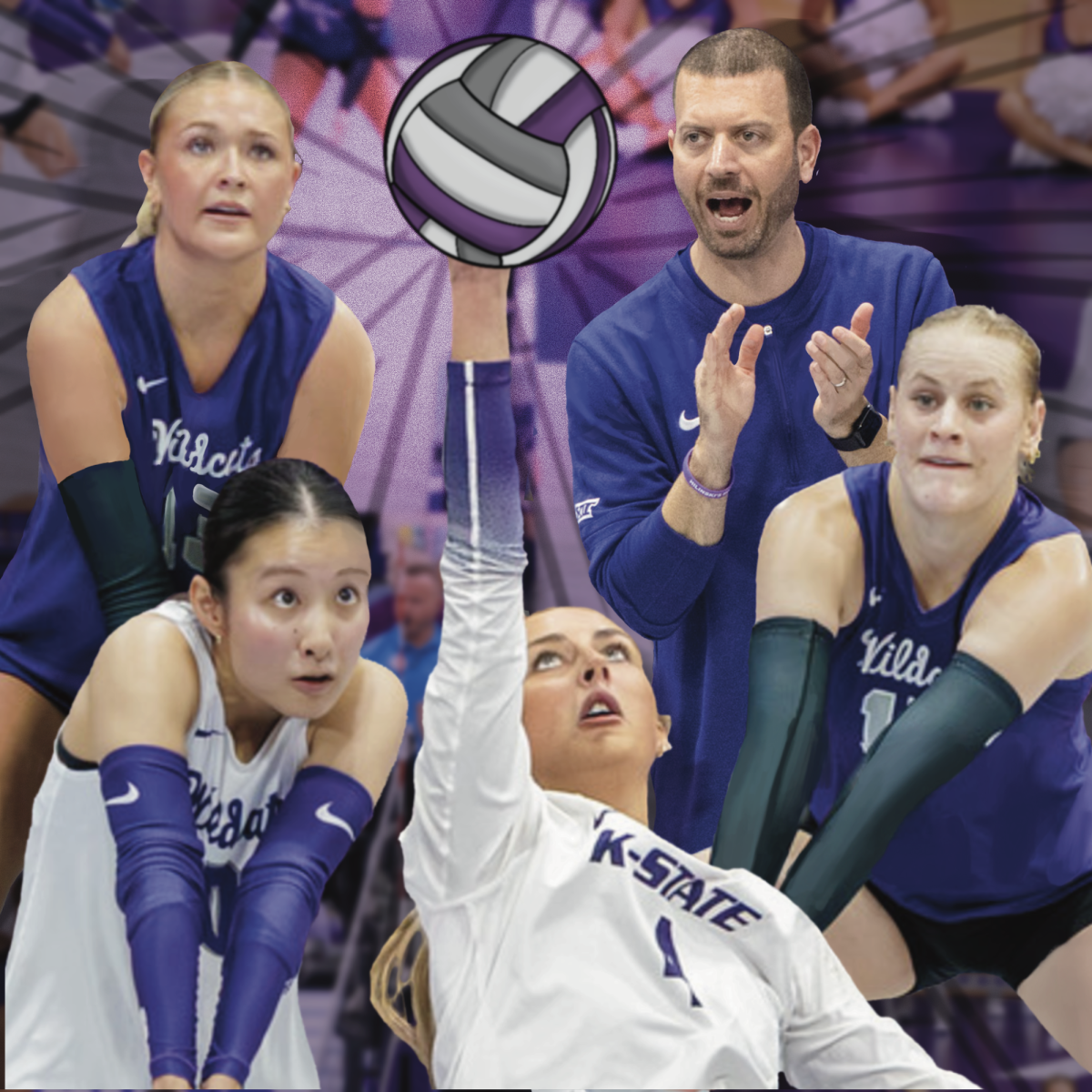
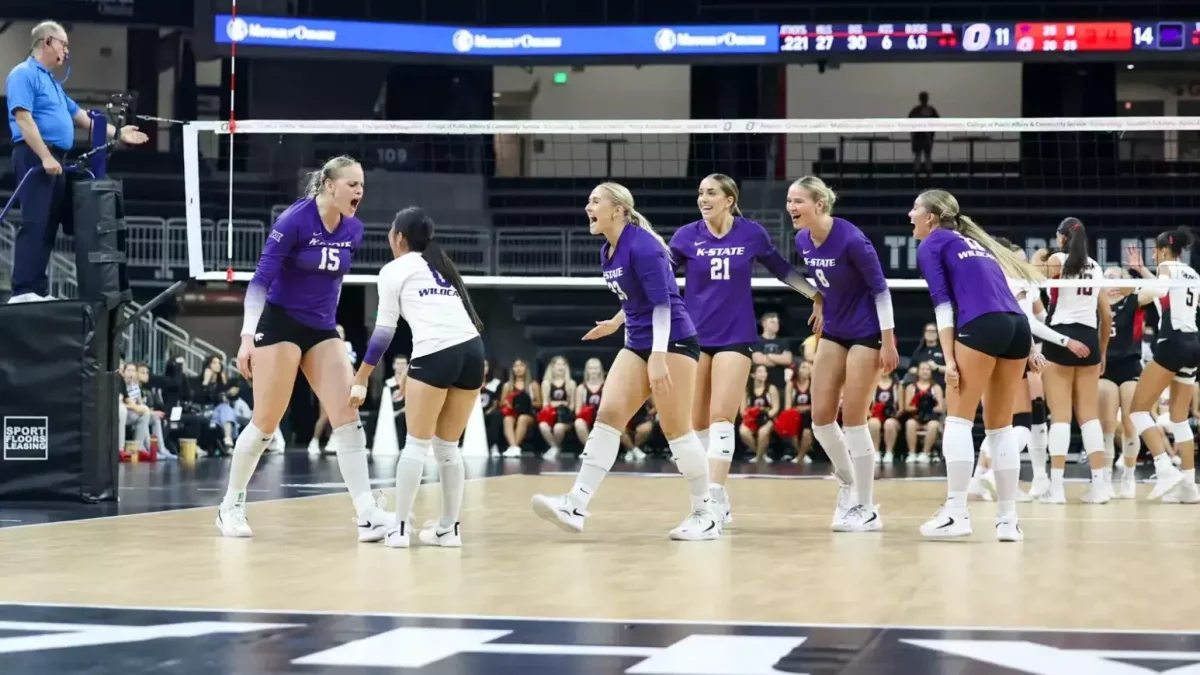






















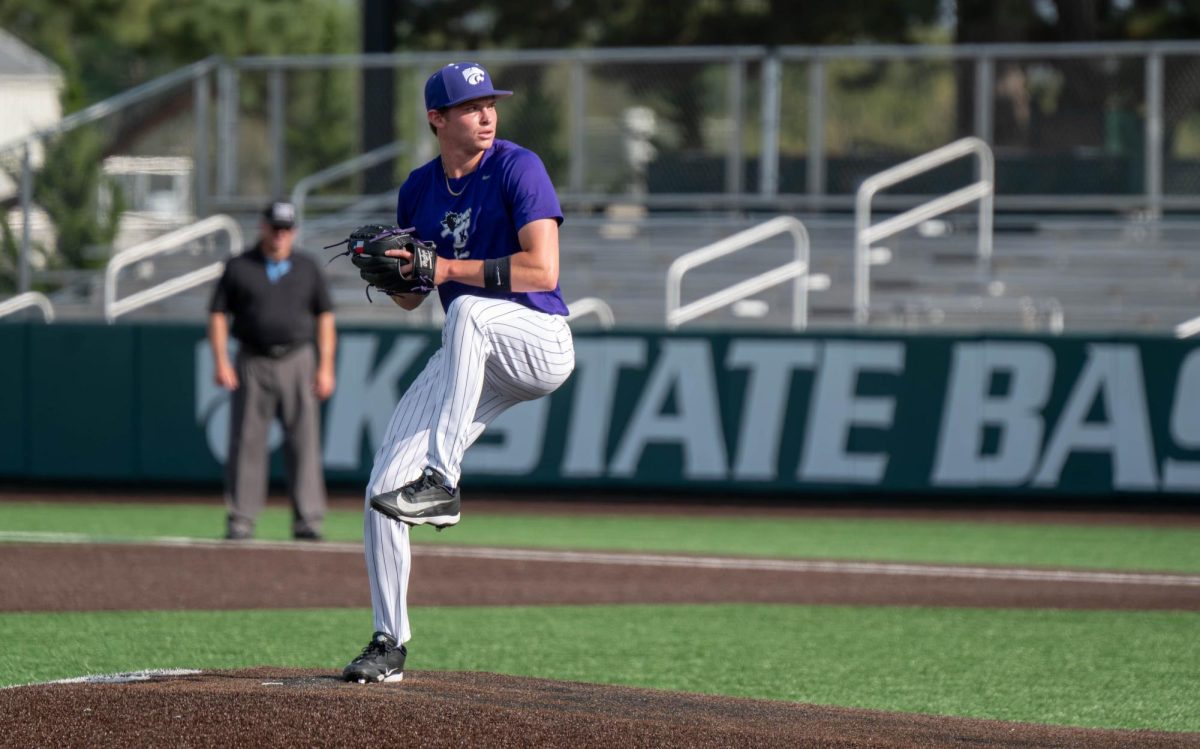
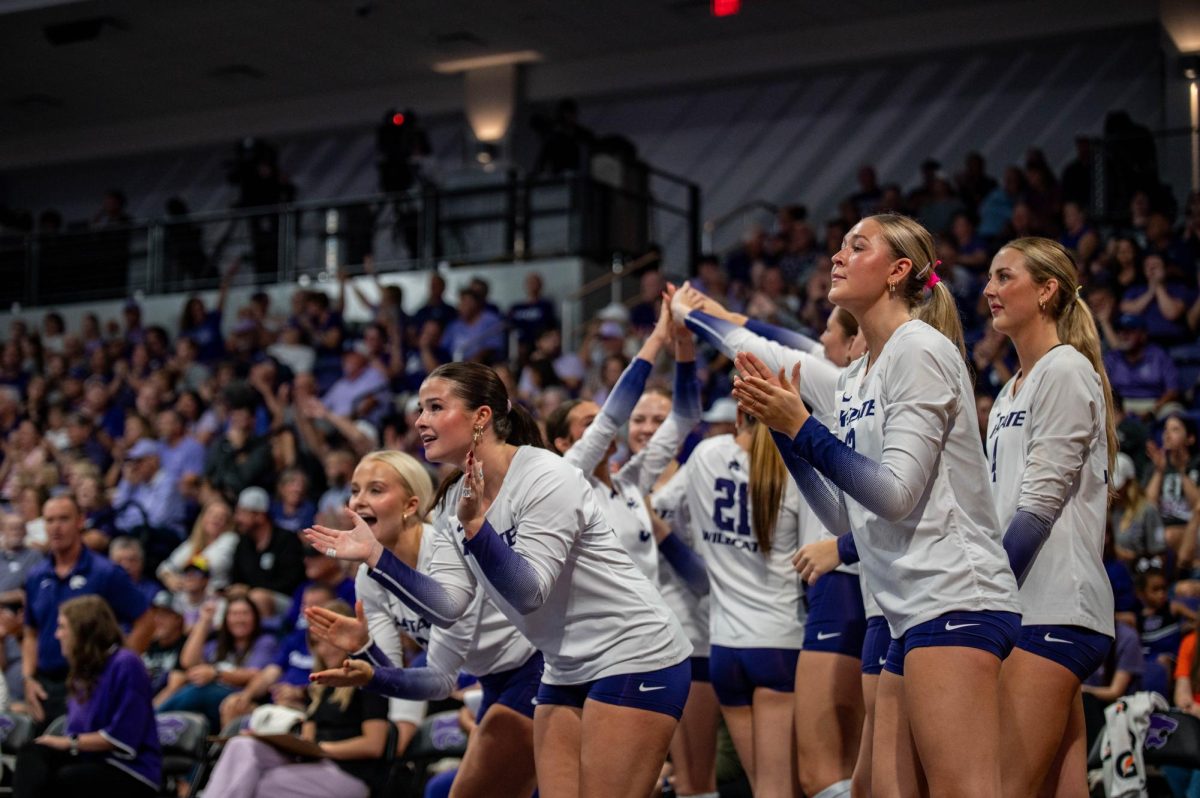
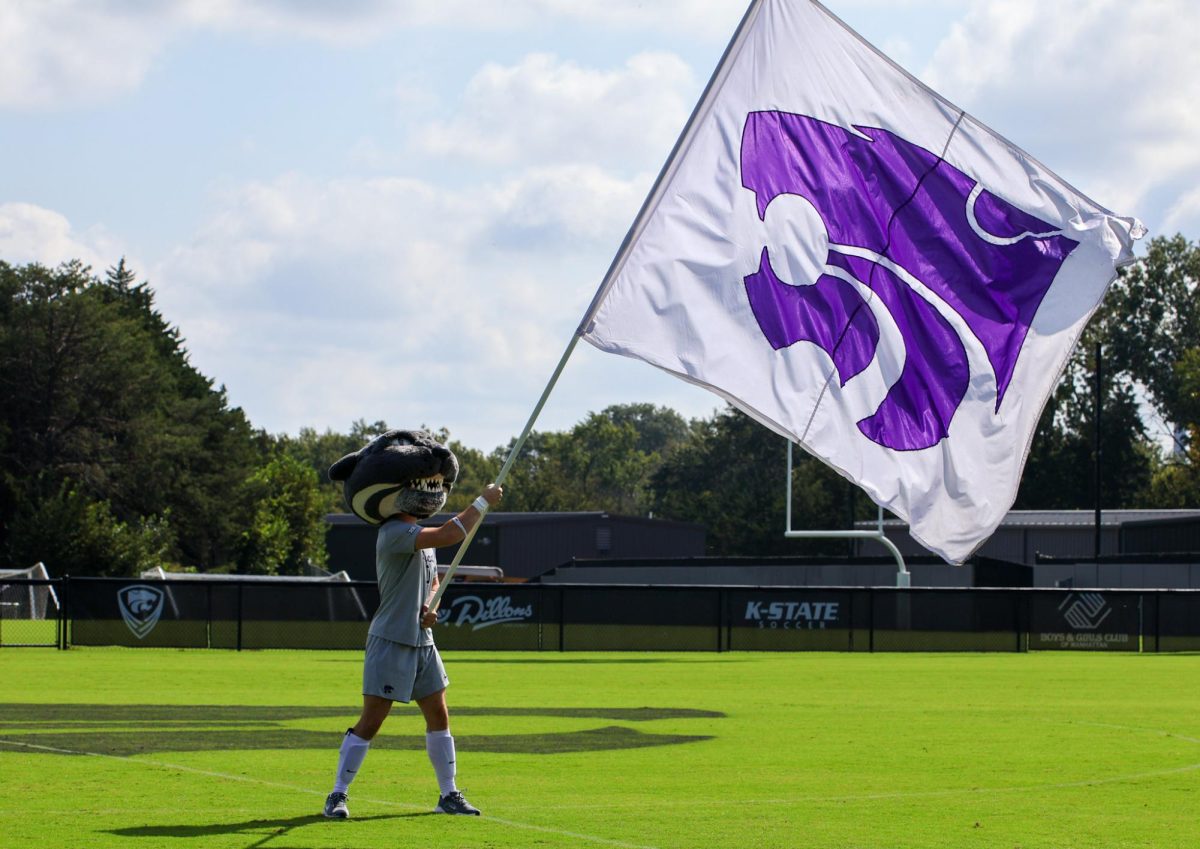









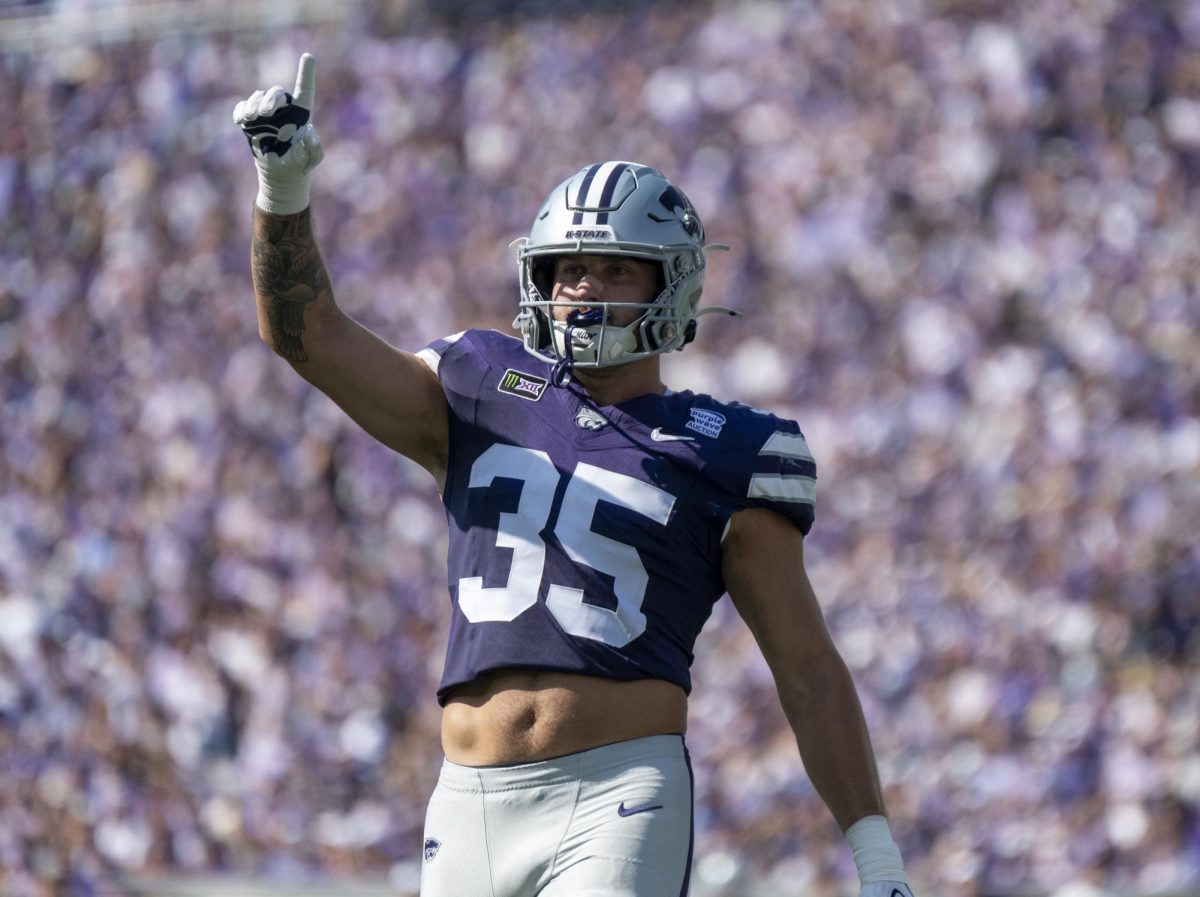


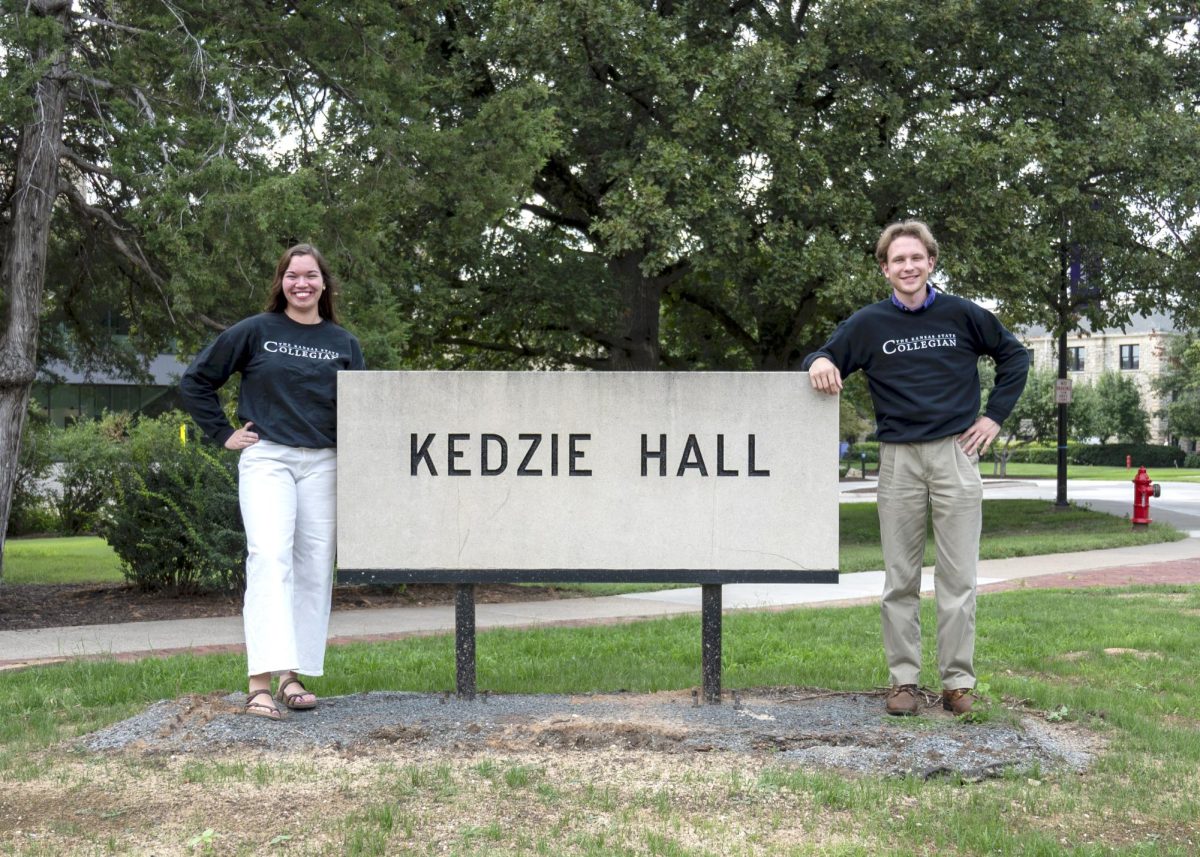




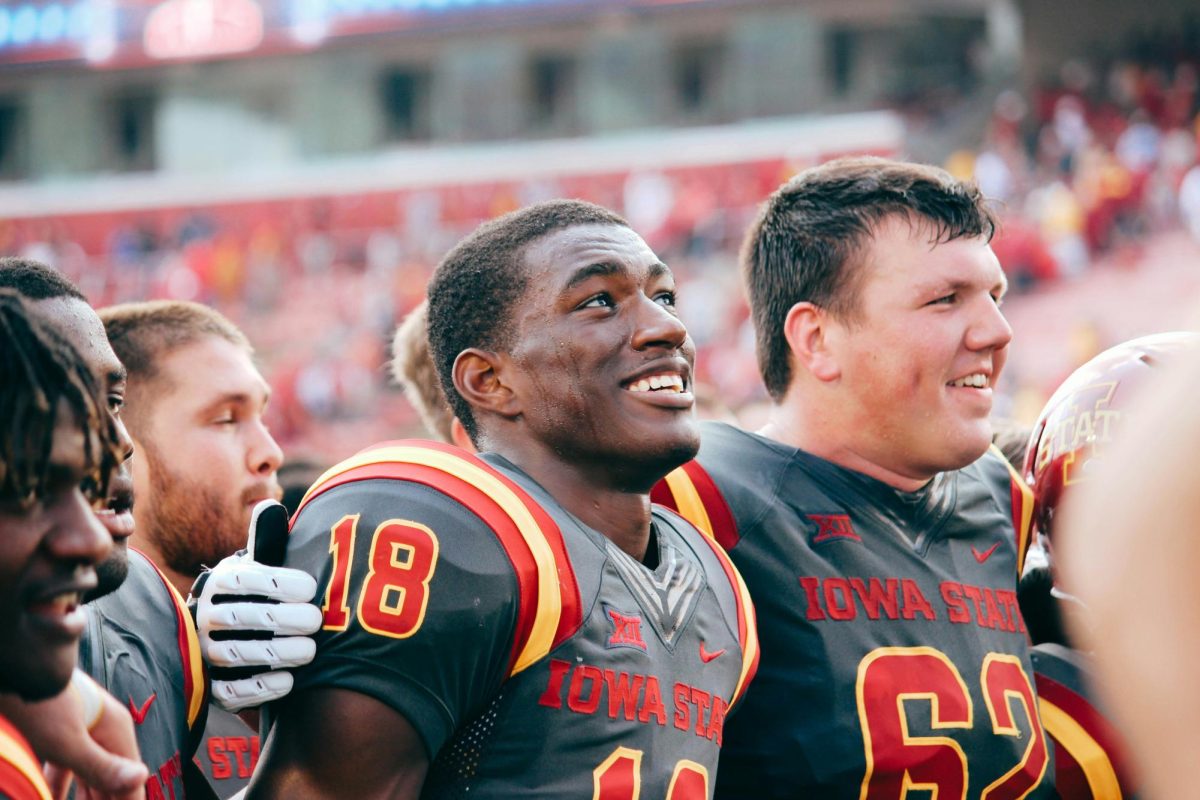
Sports fandom and sports betting grow from the same root: a community that cares deeply about outcomes. Whether it’s Wildcat fans filling Bill Snyder Family Stadium or football supporters crowding around a screen in Lusaka, the pattern holds everywhere.
The connection between deep sports culture and sports betting participation is not coincidental. It is structural. Communities that organize themselves around sport (that build shared identity through following a team, that measure seasons by wins and losses, that feel collective highs and lows on game day) produce the emotional conditions that make wagering a natural extension of fandom rather than a separate activity.
Kansas understands this. The K-State Wildcats, the Kansas City Chiefs, the Royals. These are not just teams. No, they are community anchors, and the growth of legal sports betting in Kansas since 2022 reflects how naturally wagering integrates into fan culture that was already deeply embedded. The same dynamic, playing out at a different scale and in a different context, explains why sports betting zambia has grown into one of the most active betting markets in sub-Saharan Africa. Betway is one of the global platforms that has expanded rapidly across multiple markets in recent years, and its presence in Zambia through Betway reflects how a platform built around serious sports coverage travels well across different football cultures and fan communities.
Why Football Produces the Strongest Betting Markets
Football’s global dominance in sports betting is not accidental. The sport’s structure, whether it be continuous play, low-scoring games where a single moment changes everything, a worldwide calendar that produces meaningful matches almost every week, creates the conditions for sustained betting engagement that other sports rarely match.
Between 91% and 96% of respondents across African countries actively follow football, according to GeoPoll’s Football 2026 Fan Behaviour Survey. That level of penetration means football is not a leisure interest in these markets. It is daily life, and the betting culture around it reflects that intensity. Recent research also found that 71% of students at the Ridgeway Campus participate in sports betting, with football driving the overwhelming majority of that activity.
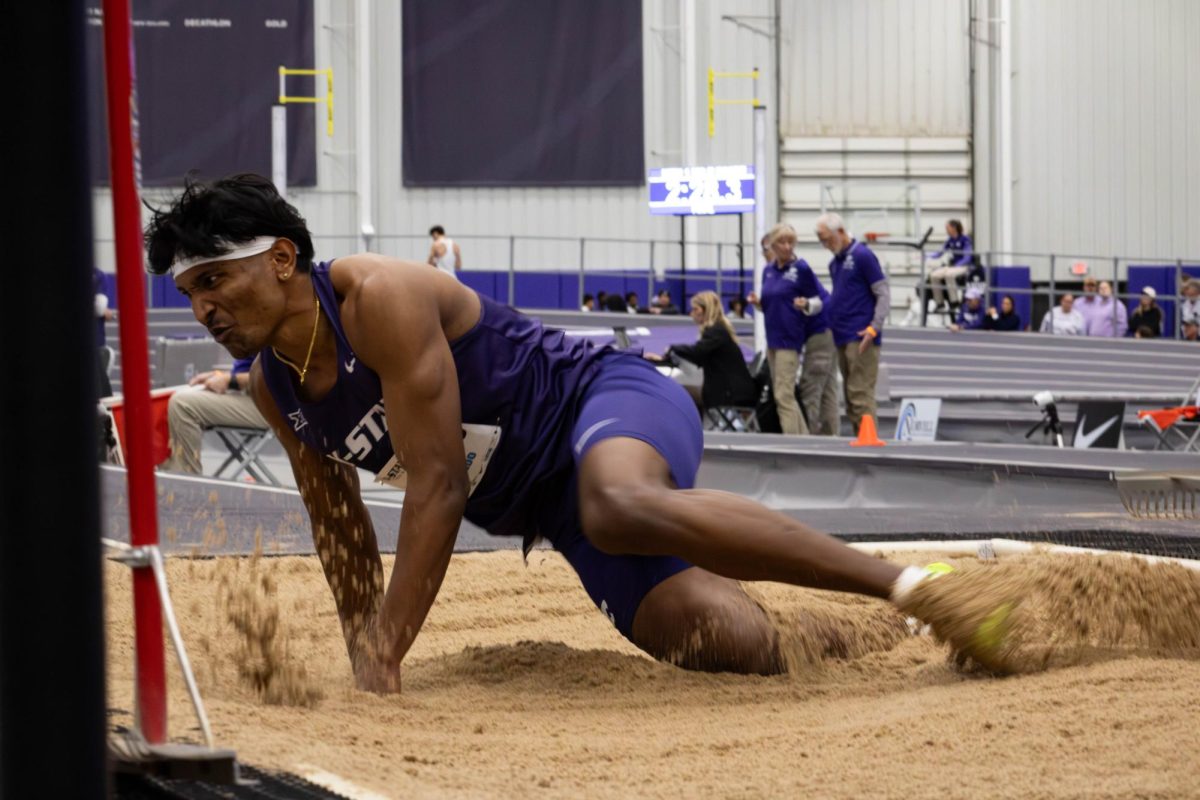
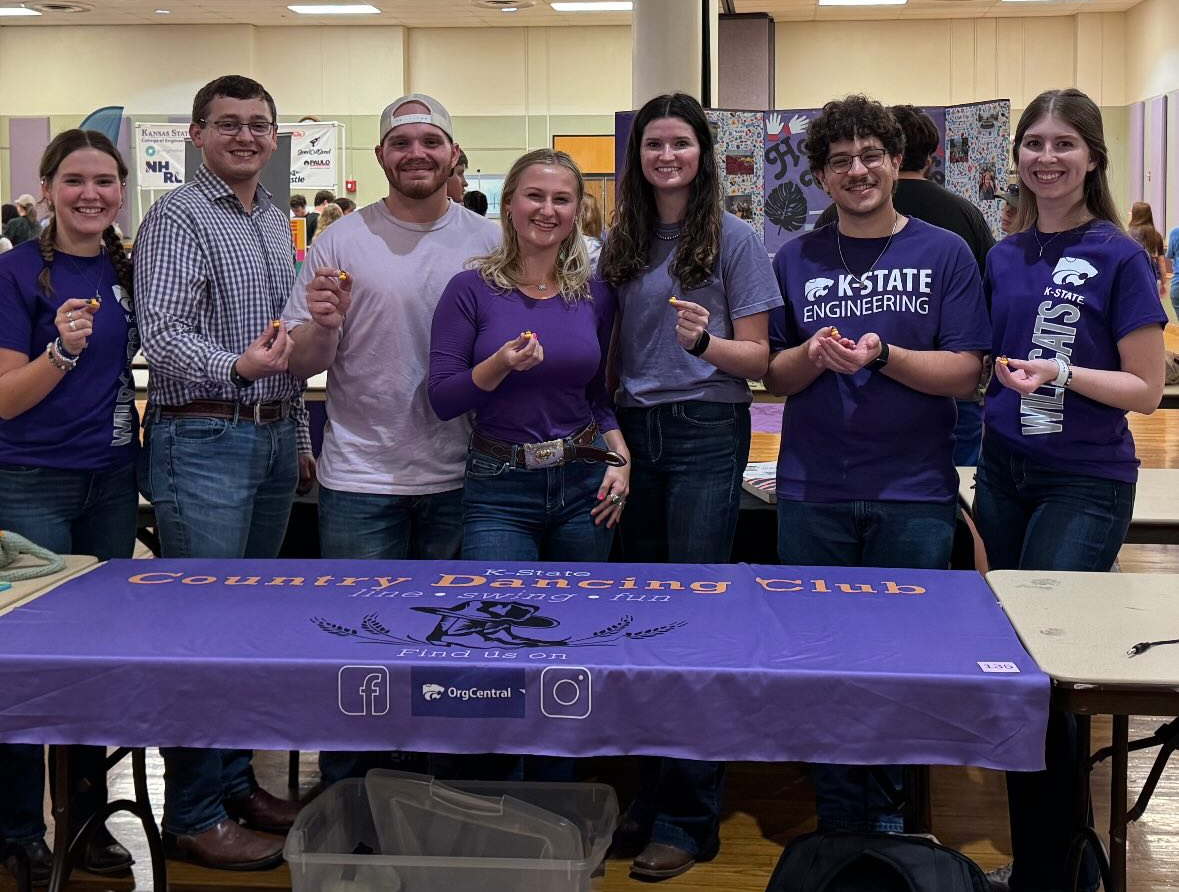
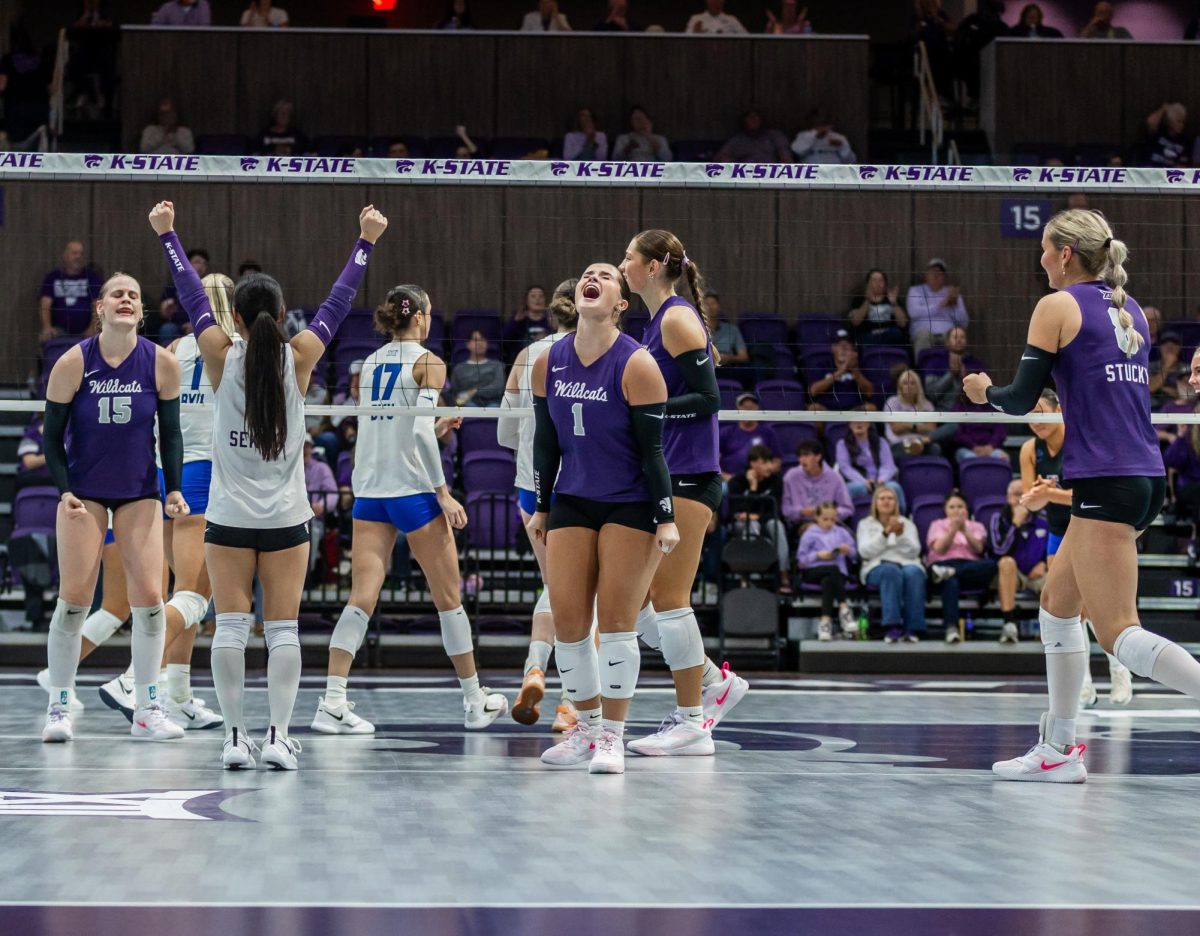
The parallel with college sports culture in the United States is instructive. K-State students who follow Wildcats football with the same intensity that Zambian students follow the English Premier League and local Zambia Super League fixtures are engaging with sport in structurally similar ways. The emotional investment is the same. The community dimension is the same. The natural extension into wagering follows the same logic.
What Mobile Access Did to Both Markets
The growth of sports betting zambia into a major market happened on mobile. Over 60% of Zambians own mobile devices, and the combination of smartphone access and mobile money services (MTN Mobile Money and Airtel Money) removed the practical barriers that previously limited sports betting to urban betting shops. The result was rapid market expansion driven by exactly the demographic most likely to be deeply engaged football fans: young, mobile-native users who follow the game closely.
Kansas saw a comparable dynamic when legal mobile sports betting launched. Kansas reported over 98% of wagers placed through mobile phones in June 2025, reflecting how completely the phone has become the primary sports betting interface. The infrastructure differs between markets (mobile money in Zambia, digital payment rails in Kansas), but the behavioral pattern is identical. Fans bet where they watch, and they watch on their phones.
Community Identity and the Sports Betting Connection
What makes sports culture the strongest predictor of sports betting participation is the community identity dimension. Fans who are deeply identified with a team (who experience wins and losses as personally meaningful events rather than just observed outcomes) are more likely to express that identification through wagering. The bet is a form of commitment, a way of having something at stake that matches the emotional investment already present.
K-State’s community identity around Wildcat athletics runs deep enough that the university’s athletic department is navigating complex questions about how commercial interests intersect with that identity, as reflected in ongoing discussions about NIL and revenue sharing at the program level. In Zambia, the same community identity around football clubs and national team fandom produces a betting market where engagement tracks directly with tournament calendars. The sports betting zambia market peaks around AFCON fixtures and World Cup matches in exactly the same way that Kansas betting handles peak around major college football and NFL weekends.
The Universal Pattern
The data from both markets points toward the same conclusion. Sports betting does not create sports culture. No, it grows where sports culture already exists and is strongest. Manhattan, Kansas and Lusaka, Zambia are very different places, but the relationship between passionate sports fandom and active betting participation looks remarkably similar in both.
Understanding that pattern helps explain why sports betting has grown so consistently across diverse markets globally, and why the platforms that serve those markets, from regulated US sportsbooks to Betway serving the sports betting zambia audience, are all essentially doing the same thing: providing a formal channel for the wagering impulse that deep sports fandom naturally produces.