














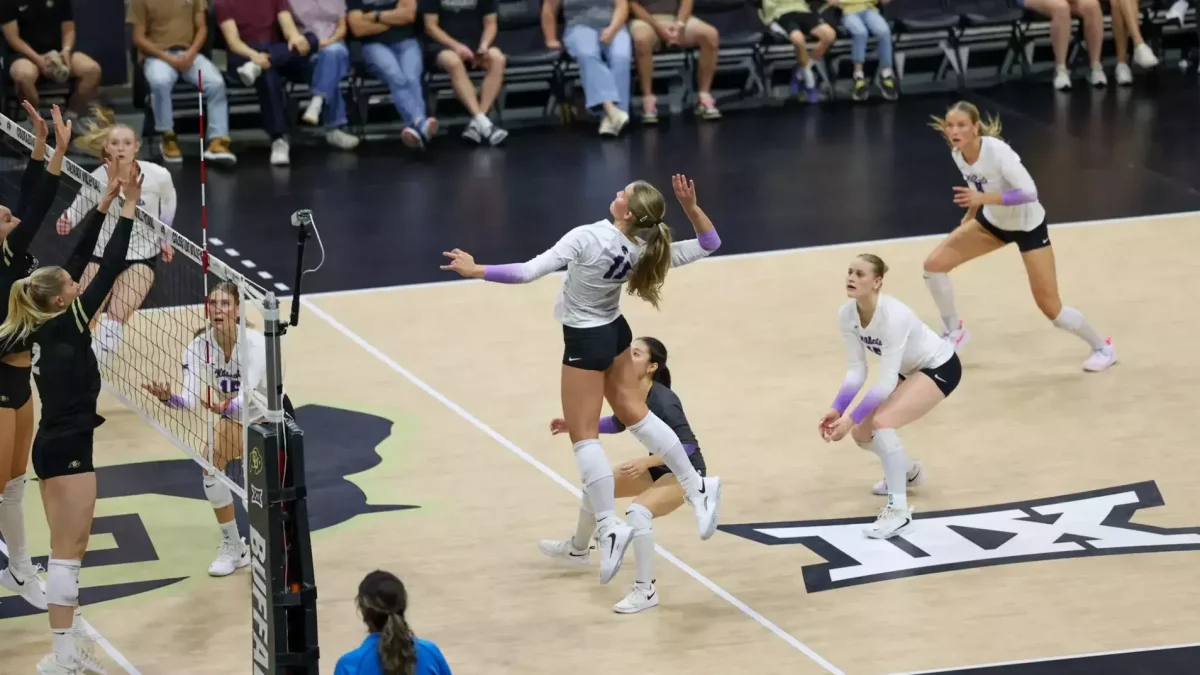
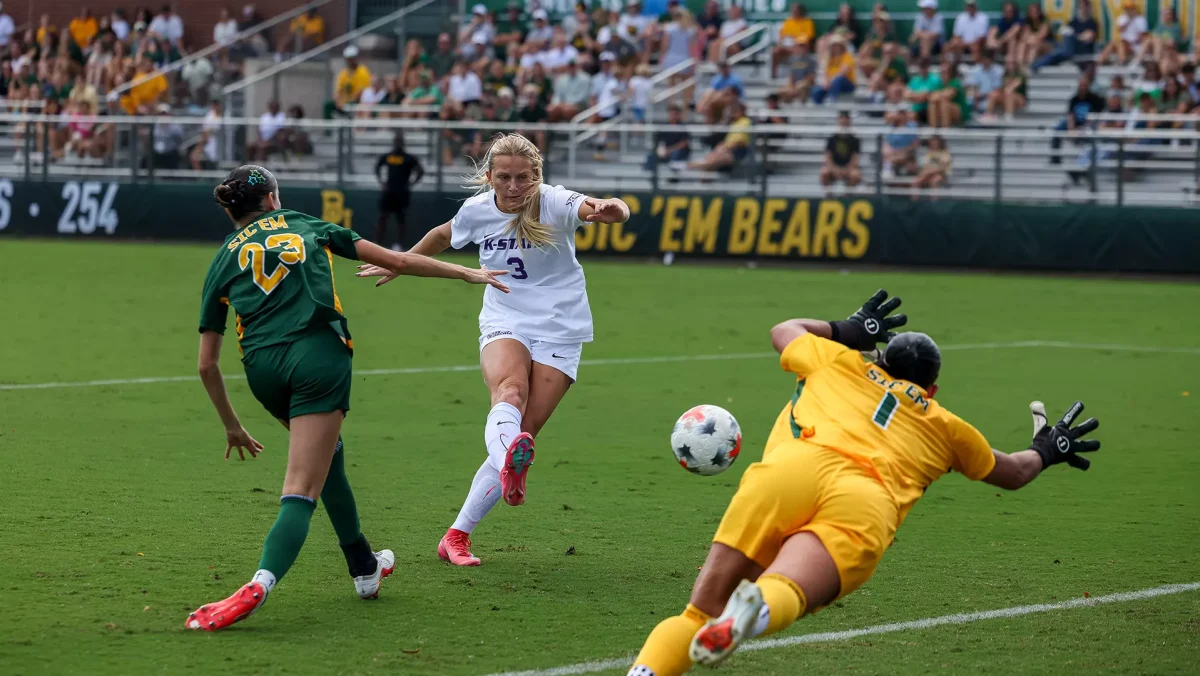
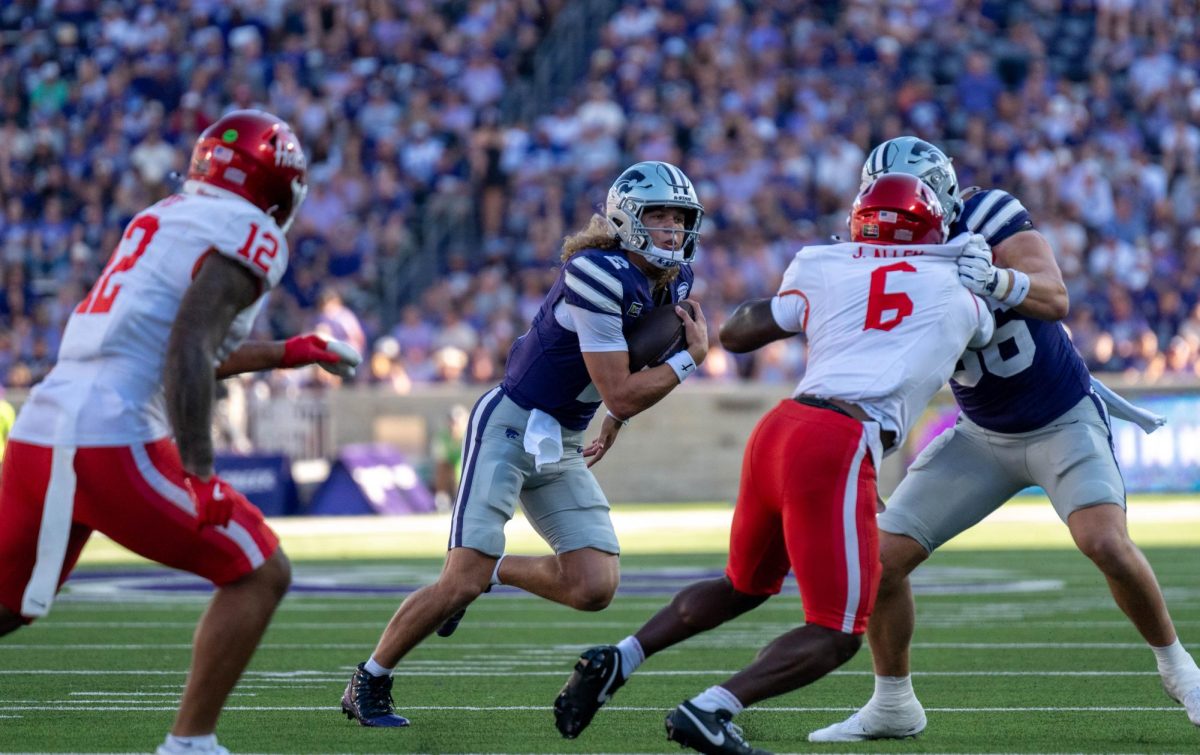
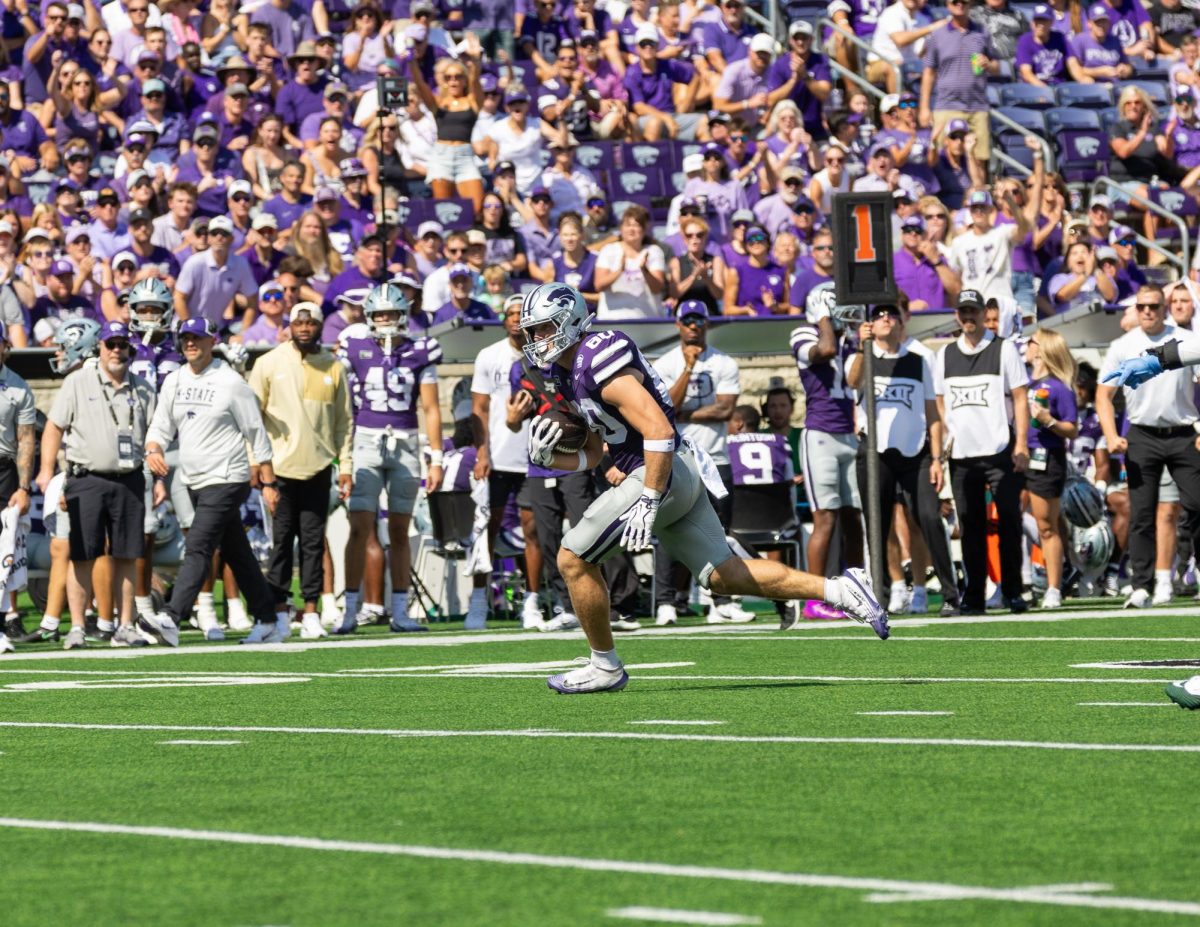

































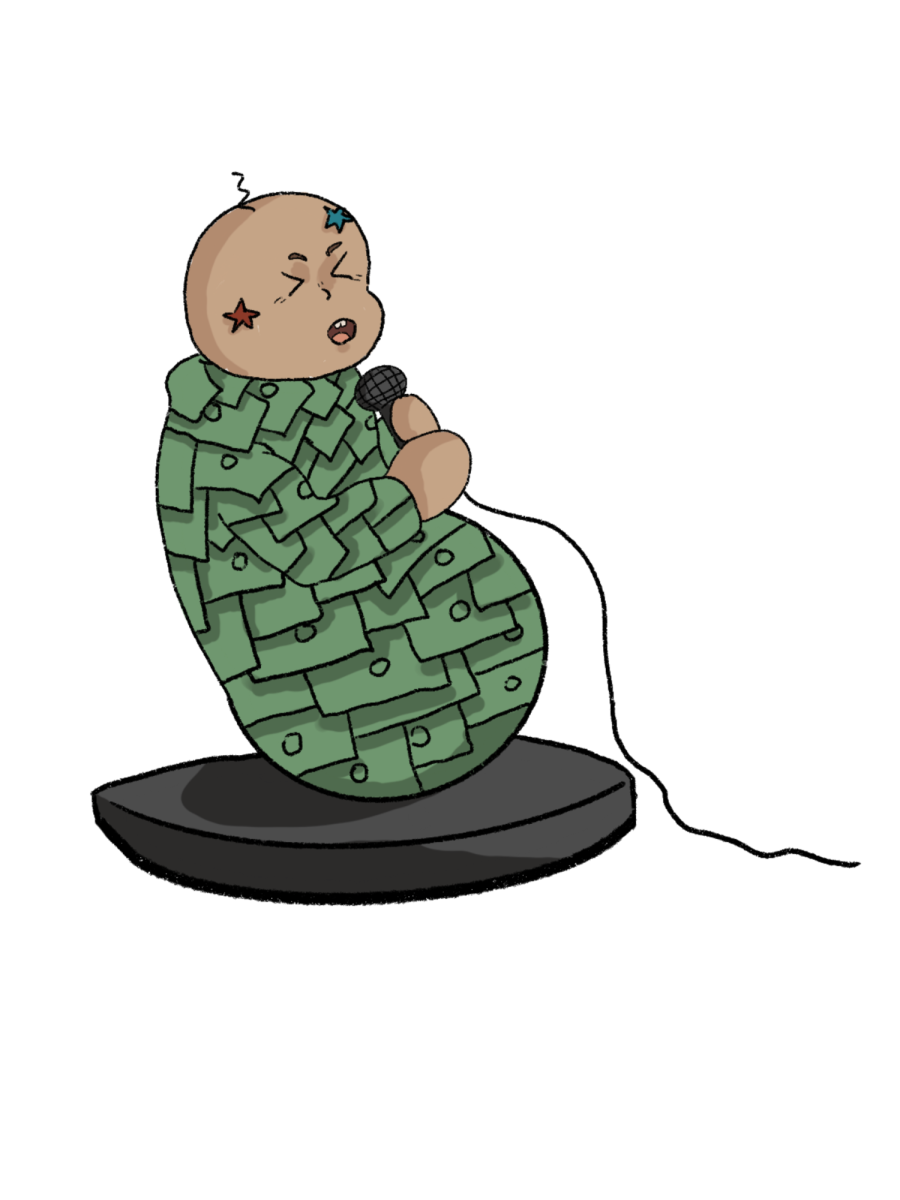












The NCAA spent more than three decades trying not to pay its athletes. That didn’t last. Times have changed, and college sports now operate at the tune of tens of millions of dollars a year, raising the ultimate question: who’s paying for all of this?
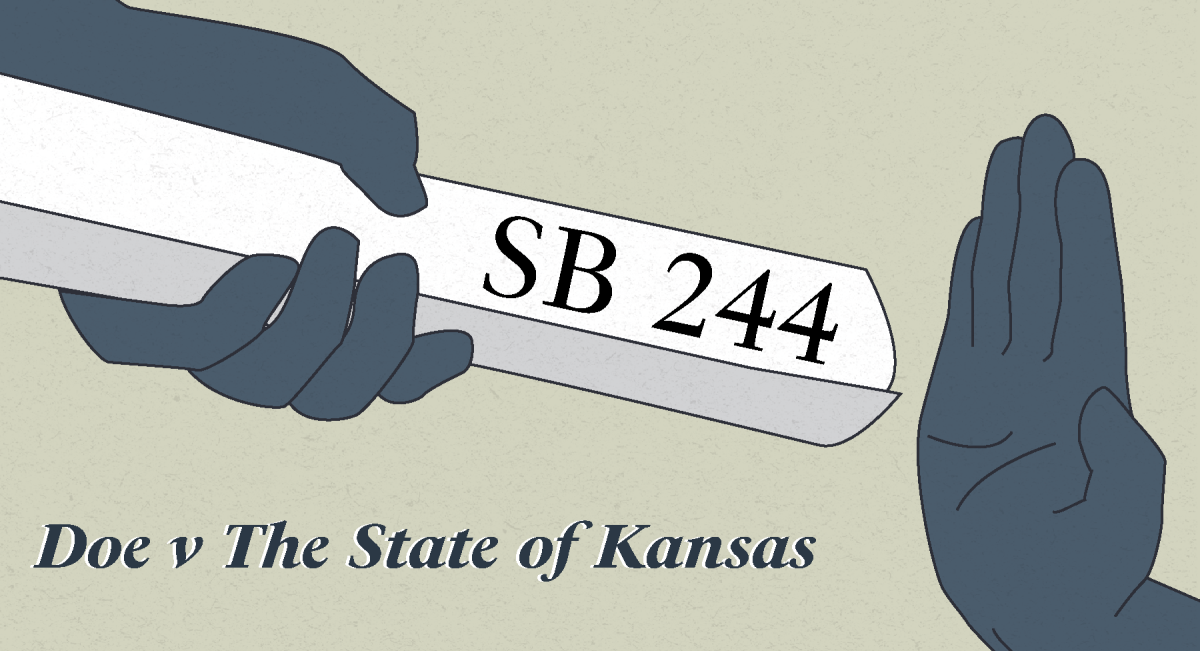
In the modern age of revenue sharing, universities like Kansas State, Wichita State and the University of Kansas face a new financial reality that, according to a report by Ned Seaton and The Mercury, could see athletics directors requiring lawmakers to get involved.
How did we get here?
Name, Image and Likeness refers to rules enacted by the NCAA on July 1, 2021, that allow student-athletes to profit from their names and popularity. Athletes are allowed to advertise with brands found everywhere from your local gas station parking lots to billboards in Times Square.
But the increase in revenue is causing problems. Supporters point to packed stadiums and thriving collectives, proof that ‘people want this.’
Others disagree. Non-supporters see it as a way to ask taxpayers to prop up an already broken version of “college” athletics, one that looks increasingly professional in everything but name.
What started as free education and the pursuit of a spot in the professional leagues now carries a hefty price tag. According to interviews reported by The Mercury, Taylor estimates the cost at $20 million this year, likely rising to around $30 million within the next decade as schools work to stay competitive in college sports.
Universities across the country all face the same pressures K-State does: million-dollar contracts, facility costs and recruiting; all just to stay competitive. Very few markets can rely on billionaire donors or major television contracts, leaving a gap reported at other schools in the Big 12.
A 2022 article by Forbes even highlighted uncategorized student fees and borrowed funds as a way to keep the ball rolling, something that students may not even realize.
Yes, you read that right. Your student loans could be paying someone to be unemployed.
What Gene Taylor is asking for
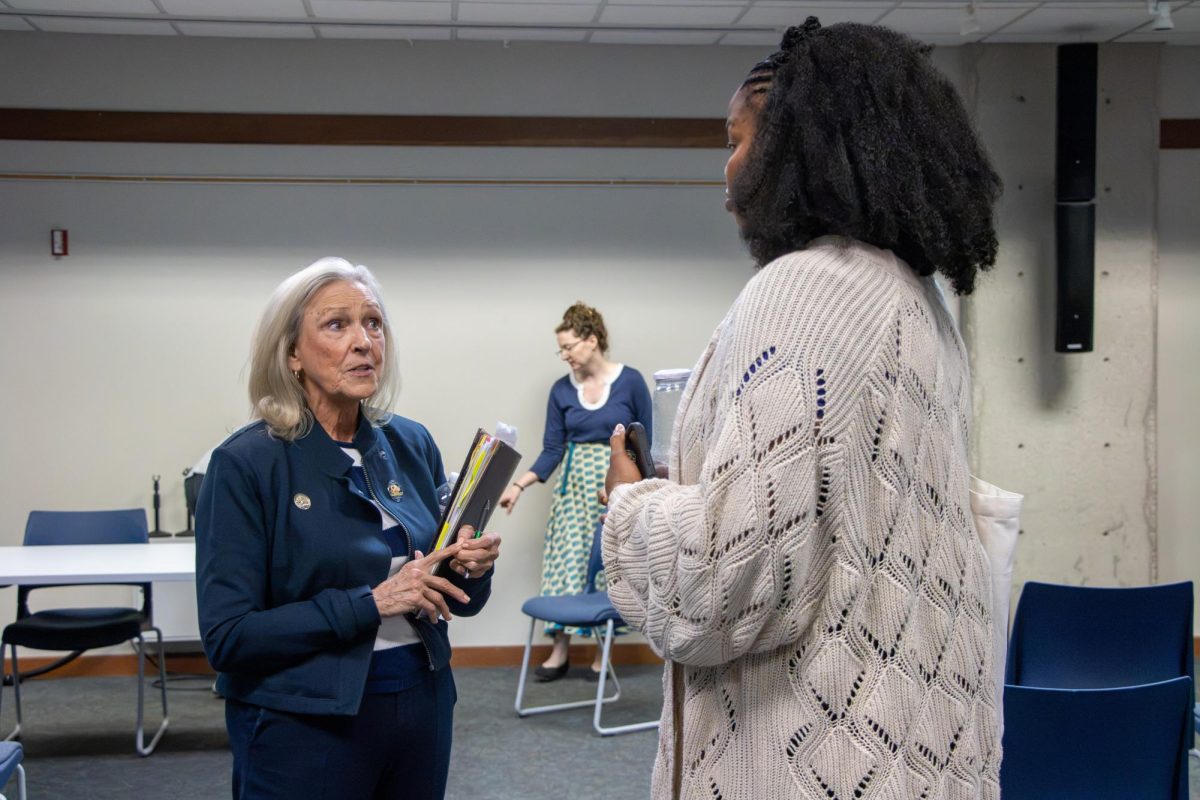
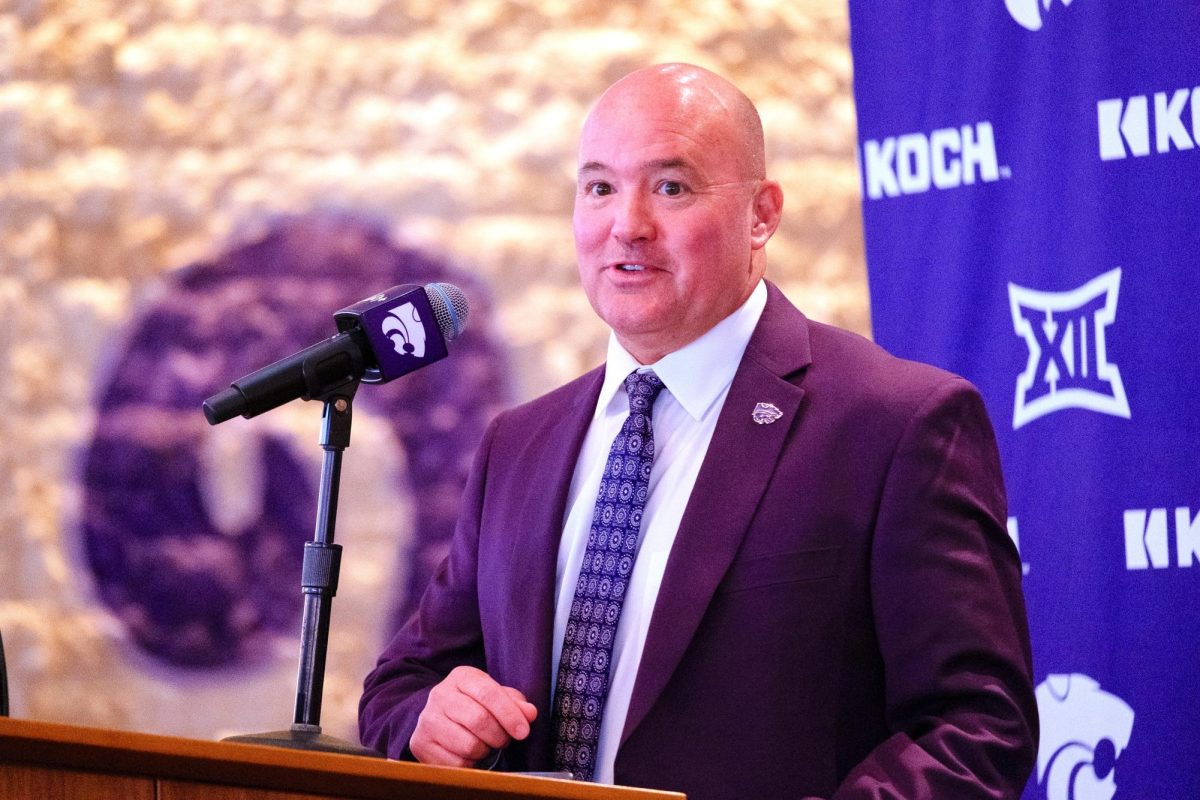
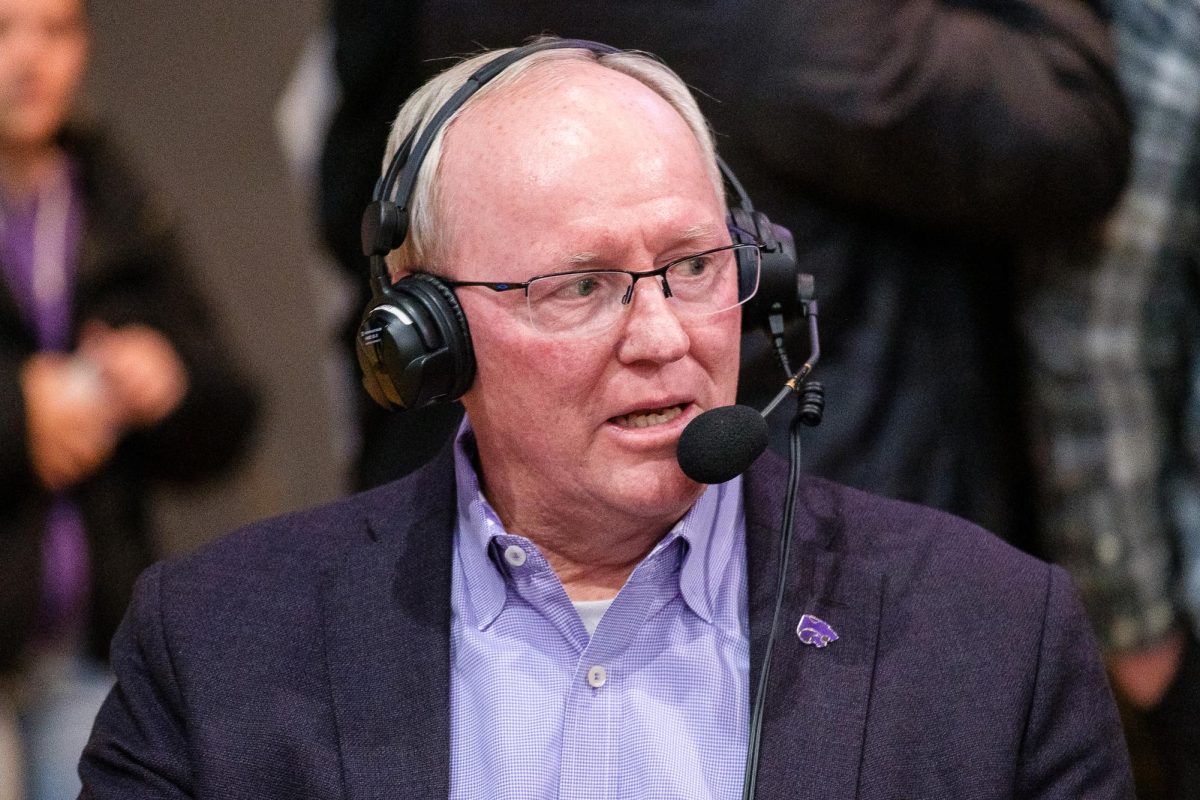
Gene Taylor is asking state lawmakers for help covering the rising costs of NIL. He noted that “it’d be nice” if all the money raised didn’t have to come from donors or other private entities.
While Taylor didn’t specify funding sources, state assistance could involve tax increases to support all of Kansas’ major public universities. These costs extend beyond daily operations, including salaries and NIL-related payments, among other athletic expenses.
State involvement could erase the need for collectives entirely, and if adopted across the conference, could lighten the burden on schools like K-State, Iowa State and others that fund their own.
It also raises questions about deficits and how common an issue they could become with the Board of Regents.
Taylor argues the success of college athletics has a direct impact on the state’s economy, noting that if programs like football and basketball struggle, it could mean fewer filled stadiums and less revenue flowing into Kansas communities.
If you want to win, pay up.
In this era, winning costs money. Care about it, pay up. If not, keep your wallet — and your taxes — out of the equation.

Darrell D Black • Feb 27, 2026 at 2:59 pm
As a KSU alumnus and a 2 year sports letterman at KSA, I have no problem with supporting athletes. However the NIL is extravagant, limited to few athletes, does not support loyalty to a University nor doesn’t really do anything to aid education of that athlete. Suggest an even approach to all athletes who must have worked a became a team member to be paid $ 2000 per month for the school year along with those who have be able to get a scholarship. There would need to be additional rules they must abide by. Such as,,certain grade point average per semester with a minimu number of hours per semester. This way ‘all’ athletes that make the football team..currently at say 105 requirement by the NCAA as I understand it. Those that make the team would be paid $ 2000 per month., etc. This way ‘all’ are on the same standard and rules rather than say 24 or so now making $ 100K + and the rest receive nothing except scholarships, etc. Rules would have to be established in regards to what happens if a team member decides to quite or transfer. All players would need to be required to stay at the same school for a minimum of two seasons. And other rules and regulatins would need to be drafted. The NIL currently is one big mess for the university, the Athletic Department, the coaches and the players. It must change.
This is not the time to ask the State of Kansas to assist in the NIL predicament. The taxpayers of Kansas or any state should not be envolved anywhere in this NIL travesty whether it was a good thing or a bad thing.