





























































































































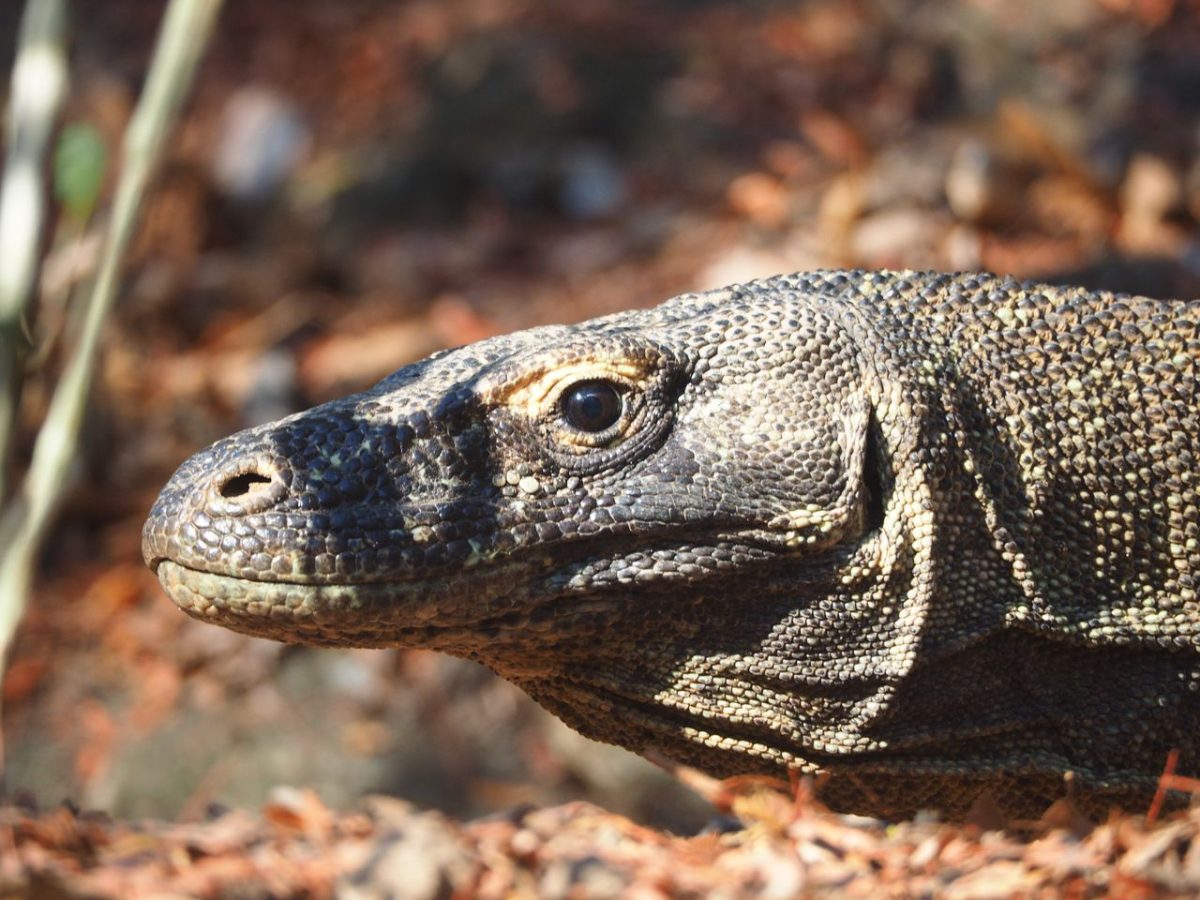
Komodo dragons are among the most fascinating reptiles on Earth. Known for their impressive size, powerful hunting abilities, and ancient lineage, these giant lizards have captured the attention of scientists and wildlife enthusiasts alike.
However, as environmental pressures increase in their native habitat, many people wonder whether komodo dragons are endangered. The answer is complex, involving conservation efforts, climate, habitat protection, and the future of one of the world’s most iconic species.
The Importance of Komodo Island to Komodo Dragons
When discussing the survival of Komodo dragons, it is impossible to overlook the significance of Komodo Island and the surrounding Indonesian islands where these reptiles naturally occur. Komodo dragons are found primarily on Komodo, Rinca, Flores, Gili Motang, and a few neighboring islands. These locations provide the dry forests, savannas, and coastal environments that support their hunting and breeding needs.
Komodo Island has become synonymous with the species itself because it hosts one of the largest populations of these giant lizards. The island is part of Komodo National Park, a protected area established to preserve both the dragons and the unique ecosystems they inhabit. Without strong protections in these habitats, the future of Komodo dragons would be far less secure.
The Conservation Status of Komodo Dragons
Komodo dragons are currently classified as endangered. Conservation organizations and wildlife experts have raised concerns about declining habitat quality and the long-term risks facing populations across their limited geographic range.
Unlike many species that occupy vast territories, Komodo dragons are restricted to a relatively small region of Indonesia. This limited distribution makes them especially vulnerable to environmental changes. If a significant portion of their habitat is damaged or lost, the entire species can be affected.
Although some populations remain stable, scientists continue to monitor the dragons closely because even minor environmental disruptions can have substantial consequences over time.
Why Are Komodo Dragons at Risk?
Several factors contribute to the endangered status of Komodo dragons. One of the most significant threats is climate change. Rising sea levels could reduce the available habitat on low-lying islands, shrinking the areas where dragons can live and hunt.
Habitat degradation is another concern. Human activities such as land development, increased tourism, and resource use can alter ecosystems that Komodo dragons depend on. While tourism provides economic benefits and can support conservation efforts, it must be carefully managed to prevent excessive environmental impact.
In addition, changes affecting prey populations can indirectly harm Komodo dragons. These reptiles rely on animals such as deer, wild pigs, and smaller mammals for food. If prey numbers decline, dragons may struggle to find sufficient resources to survive and reproduce.
Natural disasters also pose risks. Because the species occurs in a relatively small geographic area, volcanic activity, wildfires, droughts, or severe storms could affect large portions of the population simultaneously.
How Are Conservation Programs Helping?
Despite these challenges, there is reason for optimism. Conservation programs have played a crucial role in protecting Komodo dragons and their habitat. Komodo National Park serves as one of the most important safeguards for the species, limiting development and promoting sustainable management practices.
Researchers regularly conduct population surveys to monitor dragon numbers, breeding success, and habitat conditions. This scientific data helps conservationists make informed decisions about how best to protect the species.
Education initiatives have also improved awareness among local communities and visitors. By encouraging responsible tourism and environmental stewardship, these programs help reduce human impacts while generating support for conservation efforts.
International attention has further strengthened protection measures. Because Komodo dragons are recognized worldwide as a unique and valuable species, conservation organizations continue to advocate for policies that support their long-term survival.
What Makes Komodo Dragons Unique?
Part of the motivation for protecting Komodo dragons comes from their extraordinary biological characteristics. They are the largest living lizards on Earth, capable of growing over 10 feet long and, in some cases, weighing more than 150 pounds.
Komodo dragons possess powerful jaws, sharp teeth, and a highly developed sense of smell that allows them to detect prey from considerable distances. They are skilled hunters and scavengers, helping maintain ecological balance within their environments.
Scientists are also fascinated by their evolutionary history. These reptiles represent a lineage that has survived for millions of years, offering valuable insights into the development of large predators and island ecosystems.
Their uniqueness makes them not only an ecological asset but also an important symbol of biodiversity conservation worldwide.
What the Future Holds
The future of Komodo dragons will depend largely on continued conservation efforts and effective responses to environmental challenges. Protected areas remain essential, but experts increasingly recognize the need to address broader issues, including climate change and habitat resilience.
Advances in ecological research are helping scientists better understand how Komodo dragons interact with their environment and how populations may respond to future changes. This knowledge can guide more targeted conservation strategies in the years ahead.
Public awareness also plays a vital role. The more people understand the challenges facing endangered species, the greater the support for conservation initiatives that protect wildlife and natural habitats.
Protecting a Living Legend
Komodo dragons are indeed endangered, but their story is not one of inevitable decline. Through habitat protection, scientific research, responsible tourism, and international conservation efforts, there is still an opportunity to secure their future. These remarkable reptiles have survived for millions of years, adapting to changing conditions across the Indonesian islands they call home.
Ensuring that future generations can witness these incredible animals in the wild requires continued commitment from governments, conservationists, local communities, and visitors alike. By protecting Komodo dragons today, conservationists preserve a unique species and a vital piece of the planet’s natural heritage.