




















































































































Image
After an accident, evidence includes anything that helps prove what happened, who was responsible, and how the injuries affected the victim. This can include photos, videos, medical records, witness statements, police reports, repair bills, and even text messages. Strong evidence is one of the most important parts of any personal injury claim because it helps support your side of the story.
Whether the accident involves a car crash, slip and fall, or workplace injury, the details collected after the incident can greatly affect the outcome of the case. Understanding what counts as evidence can help accident victims protect themselves and avoid mistakes during the claims process.
Photos and Videos Are Extremely Important
One of the strongest forms of evidence after an accident is visual proof. Photos and videos can capture important details that may disappear later.
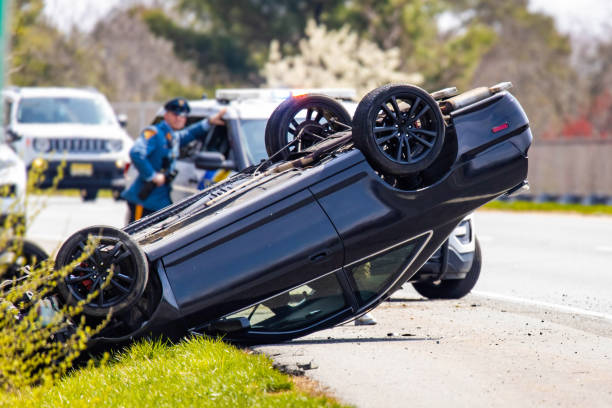
For example, pictures of vehicle damage, road conditions, injuries, skid marks, or broken property can help explain how the accident happened. Videos from dashcams, security cameras, or smartphones can also provide a clear timeline of events.
Because memories fade over time, visual evidence often becomes very valuable.
Police Reports Help Document the Accident
In many accidents, police officers create an official report. This report may include witness names, statements, road conditions, and the officer’s observations.
While police reports do not always decide fault completely, they are often important pieces of evidence. Insurance companies and attorneys frequently review them during investigations.
For example, under California Vehicle Code § 20008, drivers involved in injury accidents are required to report the crash to law enforcement under certain conditions. Reports like these help create an official record of the event.
Medical Records Connect Injuries to the Accident
Medical records are another key form of evidence. These records show the injuries suffered, treatment received, and the overall impact on the victim’s health.
Doctor notes, hospital bills, prescriptions, physical therapy records, and diagnostic scans all help prove damages. They also show that the injuries were serious enough to require treatment.
Seeking medical care quickly after an accident is important because delays may weaken a claim.
Witness Statements Can Support Your Story
Witnesses can provide valuable outside perspectives. A witness may have seen how the accident occurred or noticed unsafe conditions before the incident.
Their statements can help confirm details and strengthen credibility. In cases where drivers or property owners disagree about what happened, witness accounts often become very important.
Independent witnesses are especially helpful because they usually have no personal interest in the case.
Communication Records May Matter
Many people do not realize that emails, text messages, and phone records can also count as evidence.
For example, a text message admitting fault or discussing unsafe conditions could support a claim. Communication with insurance companies may also become relevant later.
Keeping copies of important conversations is always a smart idea after an accident.
Financial Records Help Show Losses
Accidents often create financial stress. Because of this, records related to expenses and lost income matter as well.
Pay stubs, repair estimates, invoices, and receipts can help prove financial damages. These documents show how the accident affected the victim’s daily life and finances.
Under laws like Texas Civil Practice and Remedies Code § 41.0105, certain damage claims may depend on documented medical expenses actually paid or incurred.
This is one reason organized records are so important.
Physical Evidence Should Be Preserved
Sometimes physical objects themselves become evidence. Damaged clothing, broken equipment, or defective products may help explain what happened.
It is usually best not to throw away damaged items until the claim is resolved.
Preserving physical evidence can prevent important details from being lost.
Good Evidence Builds Stronger Claims
The stronger the evidence, the stronger the case often becomes. Evidence helps insurance companies, attorneys, and courts understand the full picture.
Without proper evidence, proving fault and damages becomes much harder.
That is why acting quickly after an accident is so important.
Key Takeaways
- Evidence helps prove fault, injuries, and damages after an accident.
- Photos and videos are powerful forms of proof.
- Police reports create official accident records.
- Medical records connect injuries to the incident.
- Witness statements strengthen credibility.
- Text messages and emails may also count as evidence.
- Financial records help prove losses and expenses.
- Preserving evidence early can protect your claim.