












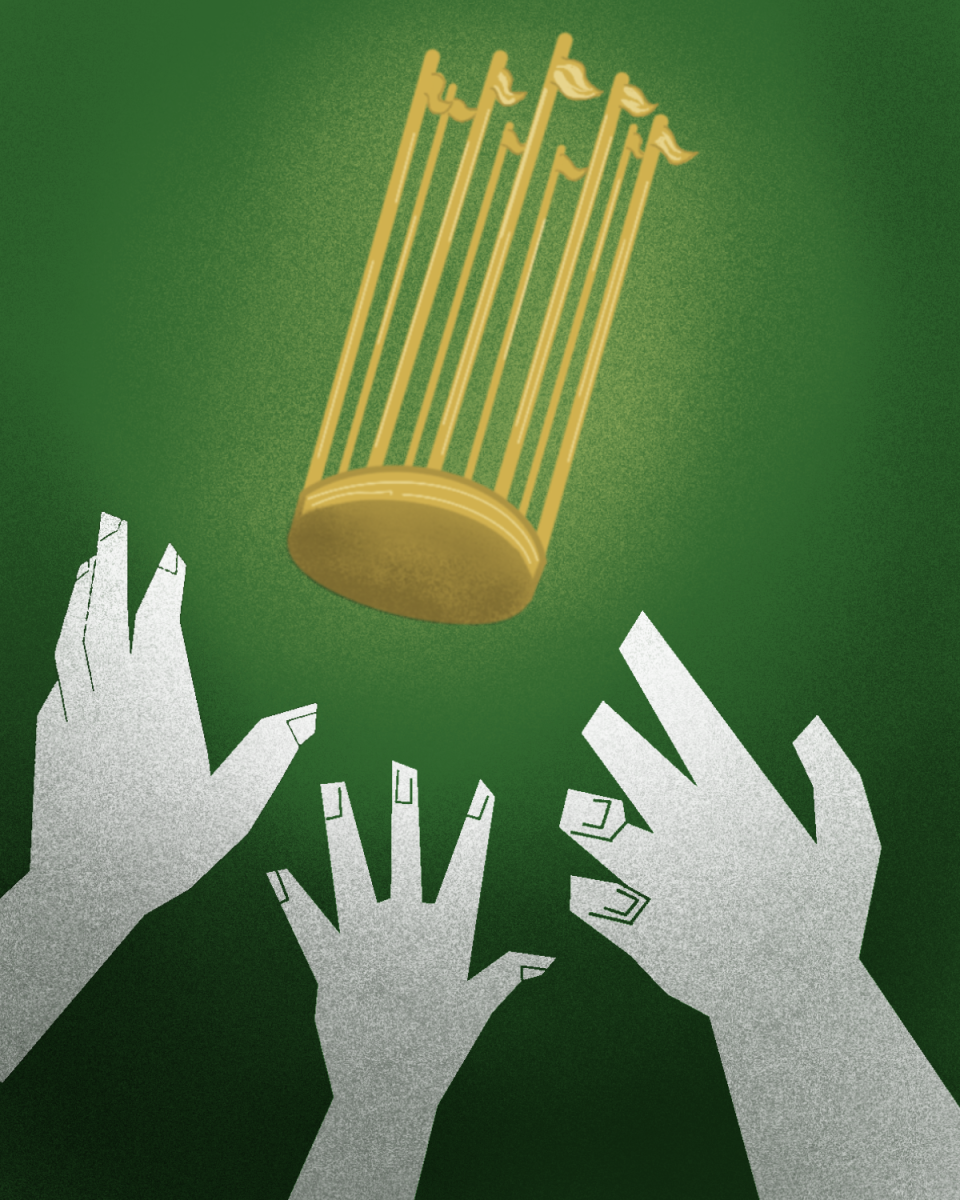










































Nothing brings a smile to a baseball fan’s face like the words “October baseball.” From Kirk Gibson’s walk-off home run on a torn hamstring in the 1988 World Series to Francisco Lindor’s grand slam against the Yankees in 2017, giving us one of MLB’s most famous calls from Matt Vasgersian, some of sports’ most epic moments have come from the Major League Baseball postseason.
There’s Freddie Freeman’s walk-off grand slam in the 2024 World Series, when Joe Davis paid tribute to Vin Scully’s call of Kirk Gibson’s homer. Even Alcides Escobar’s leadoff inside-the-park home run to start the 2015 World Series — an unforgettable moment for Kansas City Royals fans. No matter what, the MLB postseason delivers unforgettable moments that people still watch decades later.
Despite all the previous career-defining moments from prior postseasons, this one is special. It’s not the storylines of the teams making it or even the players who have blossomed into stars and come up clutch for their teams. The special part of this postseason has a much darker meaning for baseball fans, with the sport’s near future looking grim.
MLB owners and the MLB Players Association (MLBPA) sign a collective bargaining agreement (CBA) every five years. The CBA sets the framework for MLB’s financial structure, along with free agency, drug testing, rule changes and amateur draft regulations.
The last CBA, signed in March of 2022, is set to expire on Dec. 1 of this year. If owners and the MLBPA don’t sign a CBA by then, there will be a lockout in MLB and no baseball games, whether spring training or regular season, until the new one is signed.
Both MLB and the MLBPA representatives have made it clear they will reach no agreement before the Dec. 1 expiration date.
The question is, how long will this lockout be? There is no definitive answer, and the more likely scenario is the least popular one.
The biggest issue surrounding the deal is that the owners want a salary cap, a set amount that each team can spend on its players per year. Over the summer, the MLB owners proposed a $245.3 million salary cap, with nine clubs currently above the proposed limit.
Salary inflation is a very real thing. The top 10 contracts 10 years ago averaged $26.3 million per year. The top 10 contracts today average $45.2 million per year, a 172% increase in the top salaries in 10 years. At that rate, the top 10 average salary in 2036 would be $77.74 million per year.
There are no regulations on the top end, and it’s ruining the sport and the fan experience because teams in big markets spend all their money on top players. It’s why the owners want a cap. Yet the MLBPA has made it clear it won’t accept such a cap under any circumstances.
On the other side, the MLBPA wants a salary floor, a minimum amount that teams must pay to players each year. The salary floor MLB owners proposed is $171.2 million. Nine teams are above the cap, but 12 teams sit below the proposed salary floor. Two of which — the Milwaukee Brewers and Tampa Bay Rays — are competing in the World Series.
With an unstoppable force meeting an immovable object, this postseason matters even more. The players want no cap, and they won’t accept one whatsoever, writing that it “guts player rights and compensation” in an Oct. 8 statement on X.
If the players don’t move, the agreement won’t either. No movement means no baseball, leaving the fans to cling to these last few games before they’re left with nothing.
For Royals fans, that means more time without seeing the best shortstop in baseball, Bobby Witt Jr., less of Pasquatch or Jac Caglianone and no Carter Jensen or Seth Lugo. All the players that fans put their hopes in won’t be able to showcase their talent because the top players are money-hungry.
The concern now becomes when baseball will return. And to that I say, you don’t want to know the answer. The players have all the leverage in these negotiations. MLB already caved on its original position of no salary floor and proposed one to the MLBPA. The MLBPA will not change its stance on the cap, and it gives the association even more leverage that three of the four final playoff teams this season — the Brewers, Rays and Cleveland Guardians — are all under the proposed salary floor.
That makes this year’s playoffs even more meaningful. Fans know the light at the end of the tunnel is very far away, yet they can still hold out hope and bask in this postseason light for just a little longer.
MLB might be at a crossroads financially, but fortunately, that won’t stop the postseason. The best pro sports tournament will continue, and it’s up to us to not take it for granted before the sport we love disappears for the foreseeable future.