






























When I first opened Blender, I had no idea what I was doing. I clicked through menus like I was trying to defuse a bomb. One wrong move and everything vanished. My first “project” was a default cube. It stared at me like a blank page.
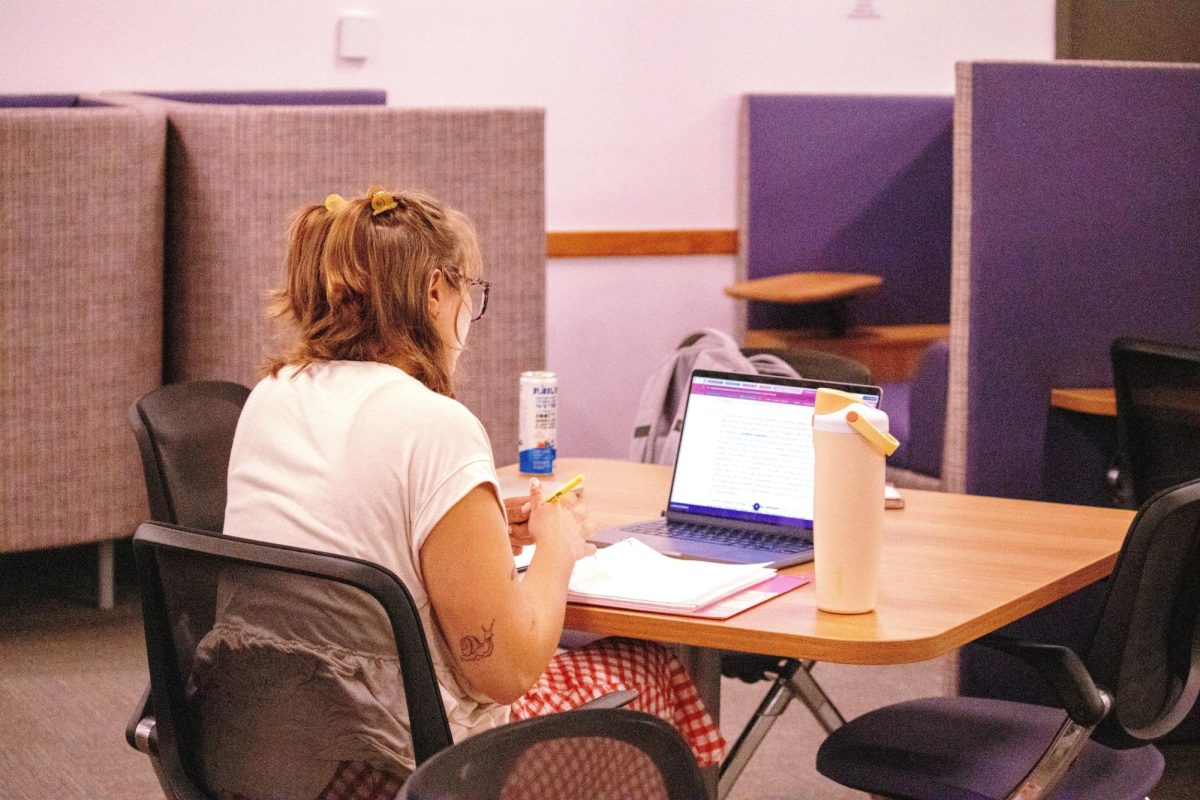
At the time, I was a student in a program that had nothing to do with art or 3D modeling. My schedule was strict, my deadlines inflexible. Every day was a loop of assignments and lectures, while my real curiosity existed elsewhere, buried under Blender tutorials and half-rendered experiments.
That tension between structure and freedom is what led me to online learning. Somewhere between stress and insomnia, I came across fall online school registration. It sounded ordinary at first, but what I found was a version of education that actually gave me time to breathe.
Finding Time in the Gaps
Online learning changed how I worked. It didn’t just free up my schedule. It gave me space to think.
I could:
- Render late at night when my ideas were fresh.
- Study during quiet mornings instead of rushing to a classroom.
- Build my own rhythm instead of inheriting someone else’s.
That flexibility taught me self-discipline in a way traditional classes never could. When no one’s watching, you either learn to manage your time or you sink.
In hindsight, that was my first real introduction to freelancing. Deadlines without reminders. Accountability without structure. It forced me to become consistent, not just creative.
Blender Became My Real Classroom
During those months, I realized I was enrolled in two parallel schools.
- The official one — with courses, grades, and rubrics.
- The one I built myself — BlenderNation tutorials, forum threads, YouTube creators walking me through shaders and particle systems.
I’d type searches like “realistic water in Cycles” or “cloth simulation shortcuts.” Each tutorial opened another door.
Soon I was learning from strangers across the world. People with bad microphones, glitchy recordings, but incredible knowledge.
BlenderNation became my version of a campus newspaper, an evolving collection of updates, add-ons, experiments, and success stories. Every article was another small reminder that creativity doesn’t need permission.
Lessons That Didn’t Come From a Textbook
Online school covered the theory. Blender taught me patience.
Here’s what those two worlds gave me together:
- Problem-solving under pressure. When a render failed, I had to figure out why. Fast.
- Attention to detail. Fixing topology errors taught me the difference between “good enough” and “finished.”
- Iterative learning. Every mistake was reusable data. You mess up a material once, you never forget again.
- Independent motivation. No applause. No professor. Just the quiet satisfaction of seeing something finally work.
The combination of online structure and self-guided chaos shaped me into an artist who could manage both process and passion.
The Myth of Balance
People like to talk about “work-life balance,” as if it’s a stable ratio. It isn’t. It’s survival math.
Some weeks, I was a student first and an artist second. Other weeks, I’d fall behind on assignments because a render swallowed my weekend.
I used to feel guilty about that imbalance. But later, I realized that guilt meant I cared deeply about both.
Balance isn’t about dividing time evenly. It’s about learning when to switch focus — and forgiving yourself when it isn’t graceful.
When Structure Becomes Freedom
Online school didn’t feel restrictive. It felt like scaffolding, just enough structure to hold everything up while I built around it.
That sense of autonomy shaped the way I now work as a Blender artist. I set my own hours. I design my own learning paths. I learn through projects, not lectures.
Looking back, the key was never choosing between art and academics. It was combining them until they stopped feeling like opposites.
The Long Nights That Actually Mattered
There’s a specific kind of silence that comes with 2 a.m. renders. The GPU hums. The monitor glows. Outside, everything is still.
Those nights were when I learned the most. Not from any lesson, but from repetition. Every crash, every mistake, every small fix built muscle memory.
I learned that:
- Perfection is slow.
- Learning is mostly unlearning.
- Breaks are part of productivity.
The hours I spent re-rendering the same scene weren’t wasted. They were foundational.
Learning to Work Without Applause
When you learn independently, the biggest challenge isn’t difficulty. It’s invisibility. There are no grades for persistence. No recognition for fixing bad lighting or topology at 3 a.m. It’s lonely, but it’s also clarifying. You start creating for the right reason: because you need to.
Online learning mirrored that same solitude. No classmates, no eyes on you, no validation. Just a digital space where learning became personal. That solitude built resilience. I didn’t need anyone to tell me I was improving. I could see it in the renders.
What I’d Tell My Younger Self
If I could talk to the version of me just starting out, here’s what I’d say:
- Don’t wait for perfect timing. You’ll never have it.
- Use what you have. A slow laptop still teaches you patience.
- Learn publicly. Share work even when it’s bad. That’s how you grow.
- Be curious, not competitive. The industry rewards learners more than show-offs.
And above all, don’t separate education from creation. The best ideas happen when you stop trying to keep them in different folders.
From Student to Creator
When I look back now, I don’t remember the test scores or submission deadlines. I remember the renders. The bad ones first, then the slightly less bad, then the ones I still open today and think, that’s where it started.
The truth is, the combination of online learning and Blender didn’t just make me better at 3D. It made me better at managing uncertainty.
Education gave me the foundation. Blender gave me the curiosity. Together, they built a version of me that could actually handle creative work. Not just dream about it.
Final Thoughts
If you’re reading this on BlenderNation, maybe you’re standing at that same crossroads. Maybe you’re wondering if it’s possible to build a creative career while still studying or working a day job.
It is. But it requires designing your own timeline.
Start small:
- Give yourself permission to learn at your own pace.
- Register for something that creates time instead of taking it away.
- Use that space to explore. Experiment. Fail publicly. Learn privately.
When I think back to that first default cube, I realize it wasn’t just a shape. It was a start. A test of patience. A blank space asking me if I was willing to stay long enough to build something real.
Turns out, I was.