



















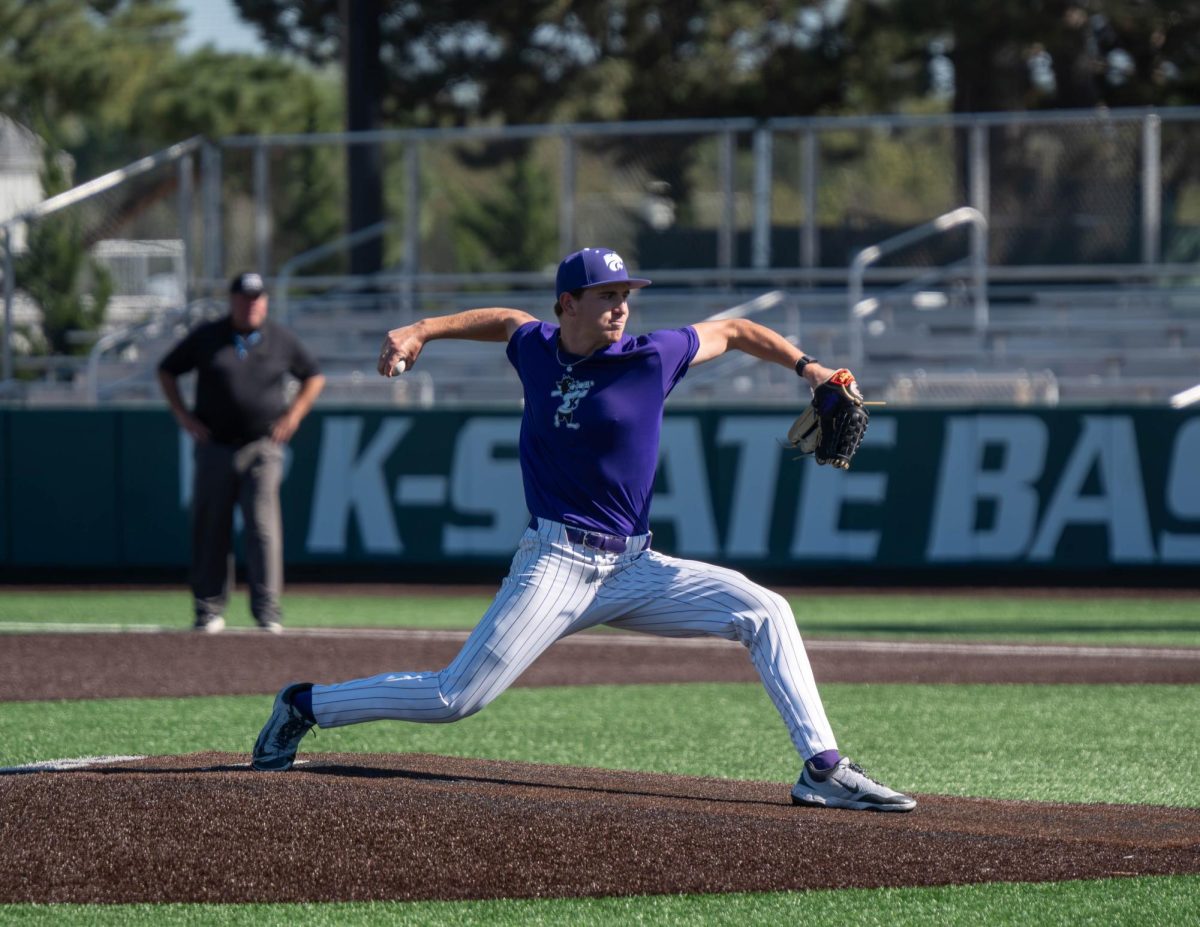
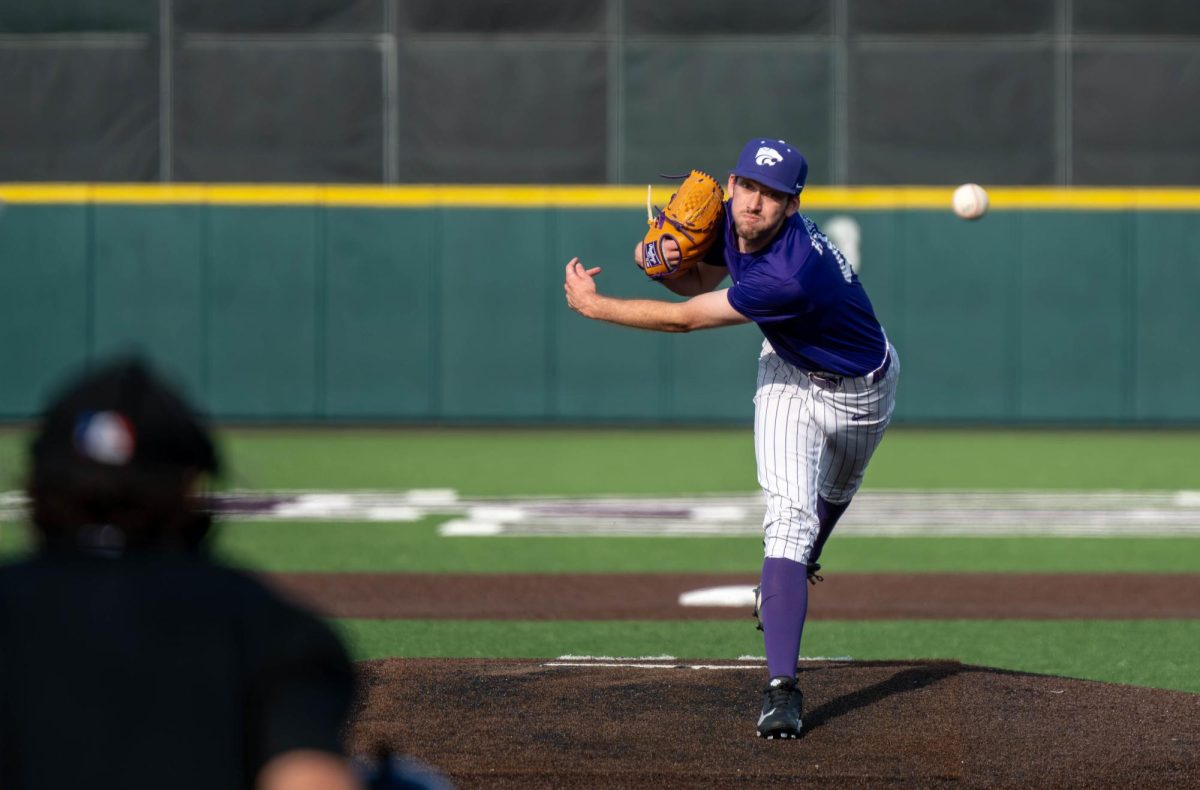
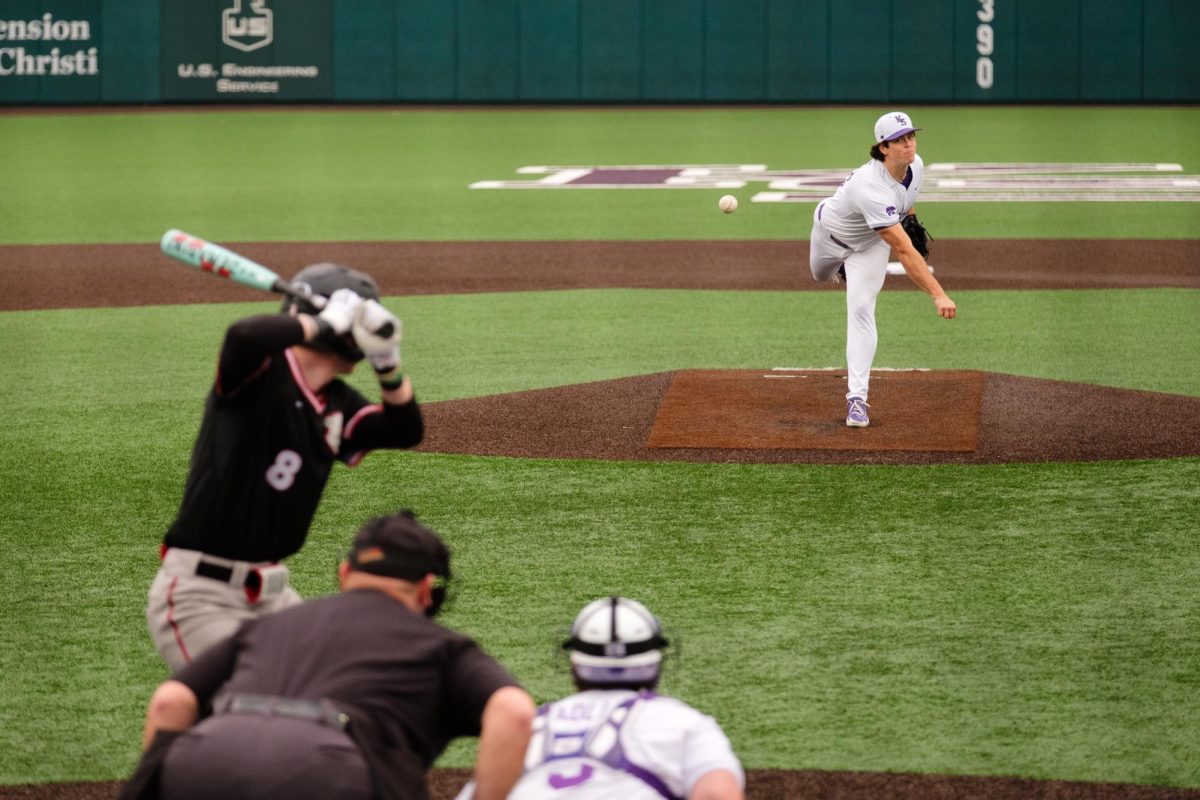
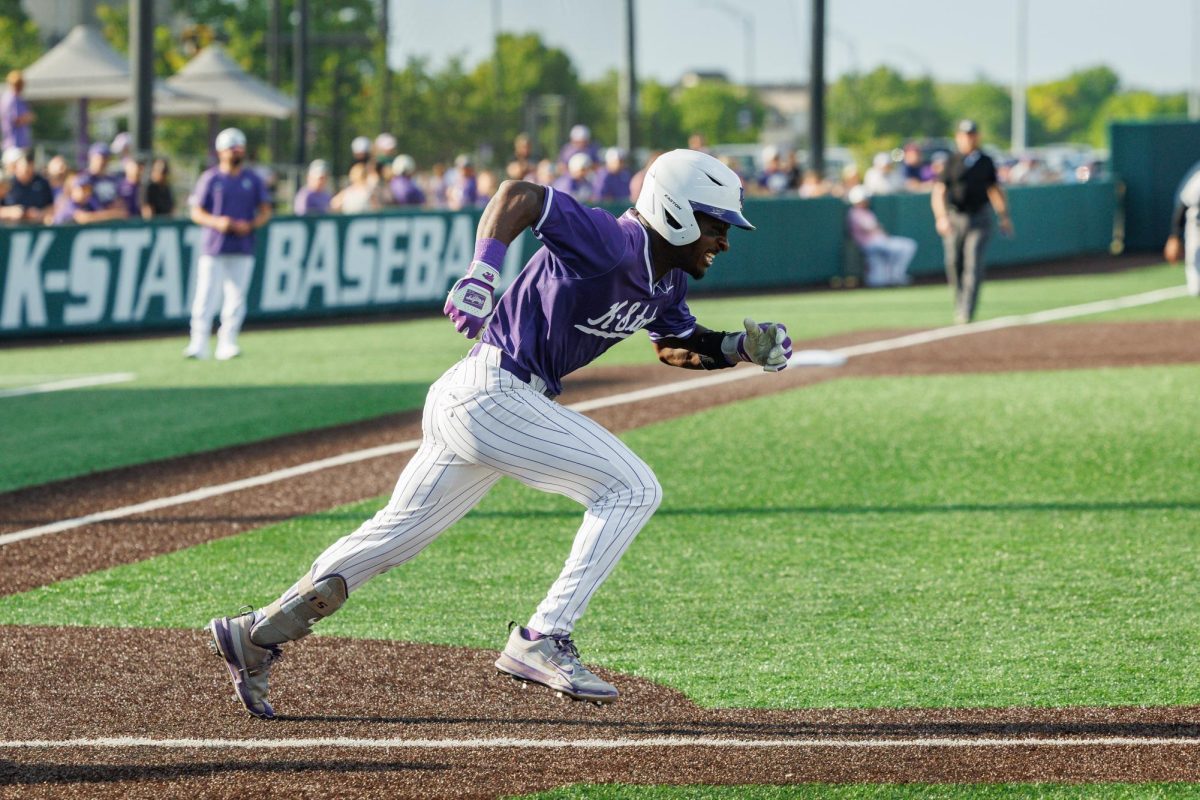
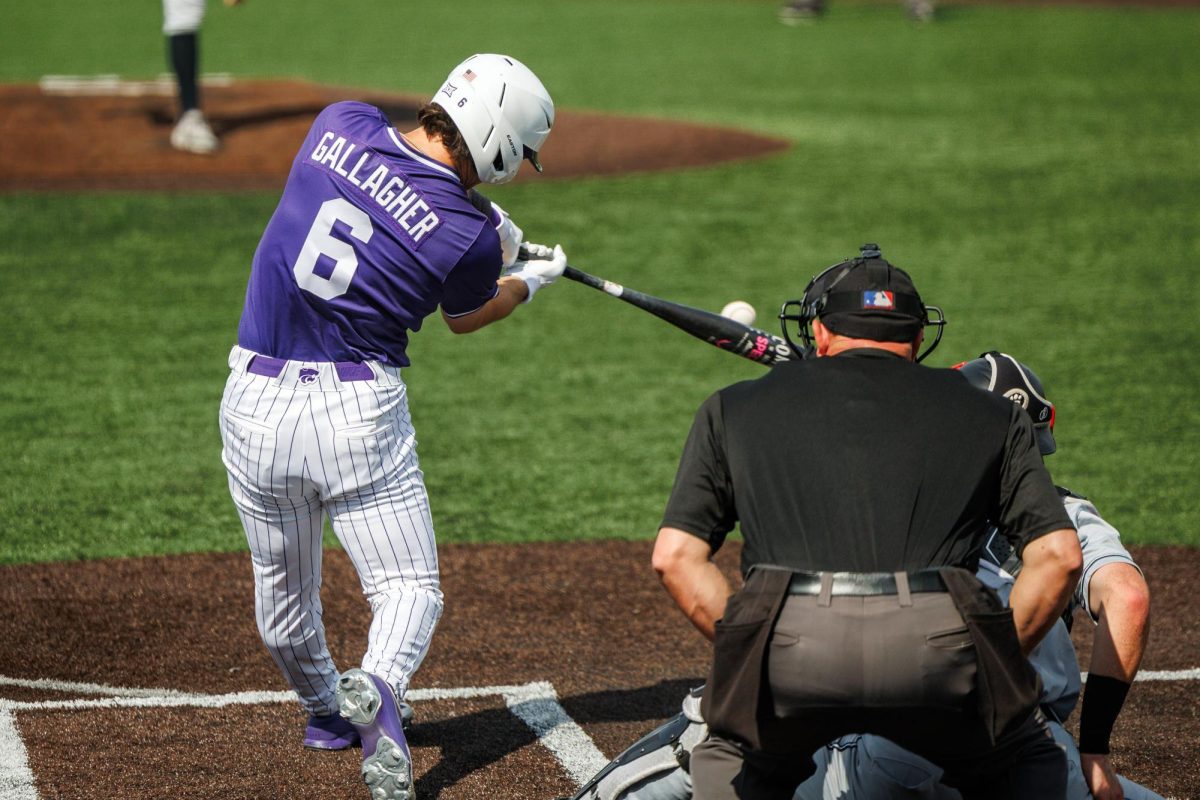
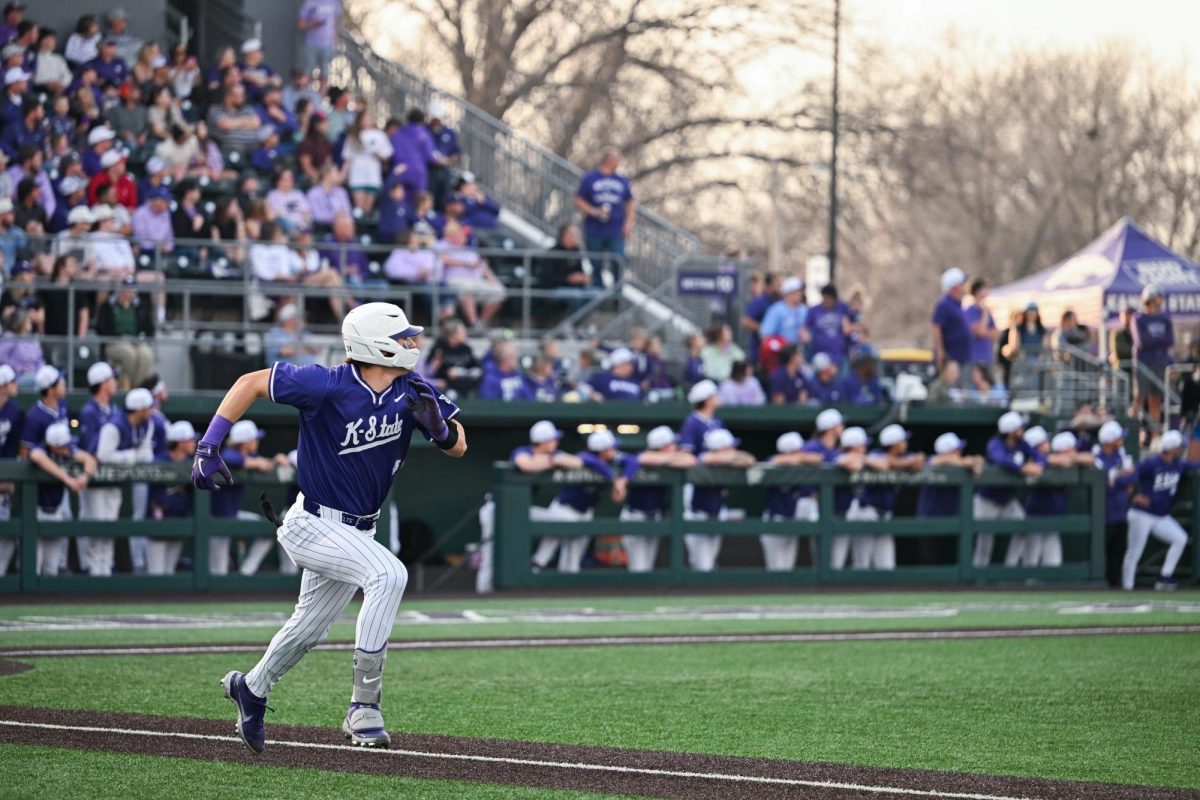
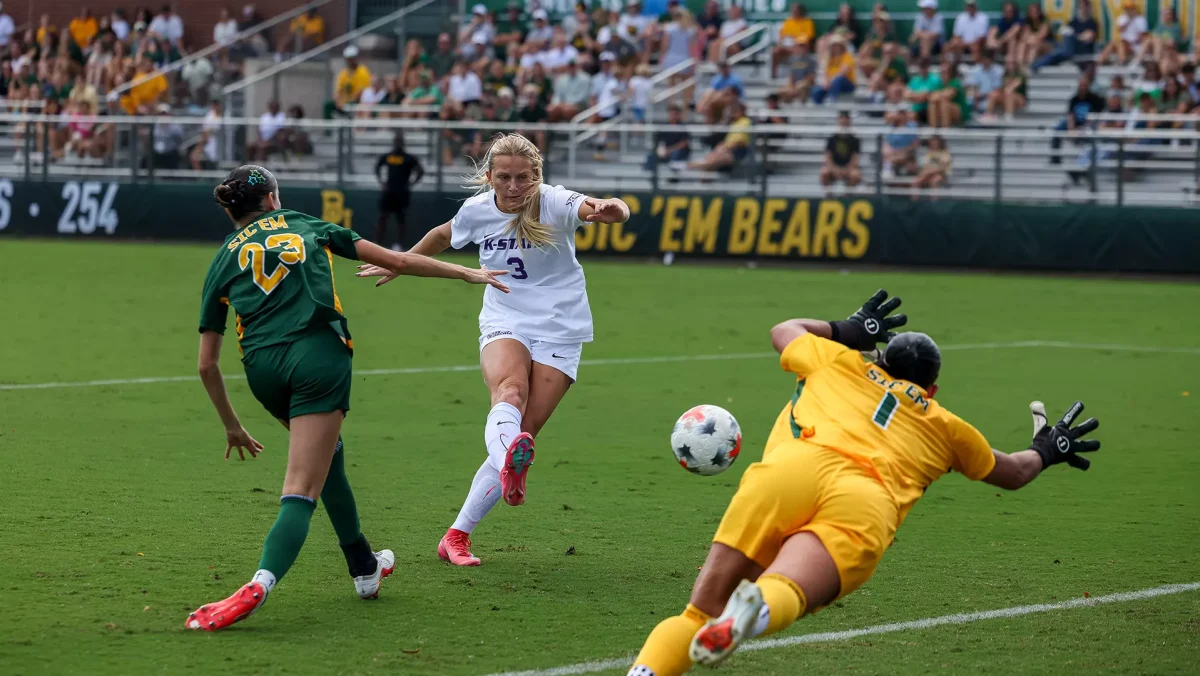
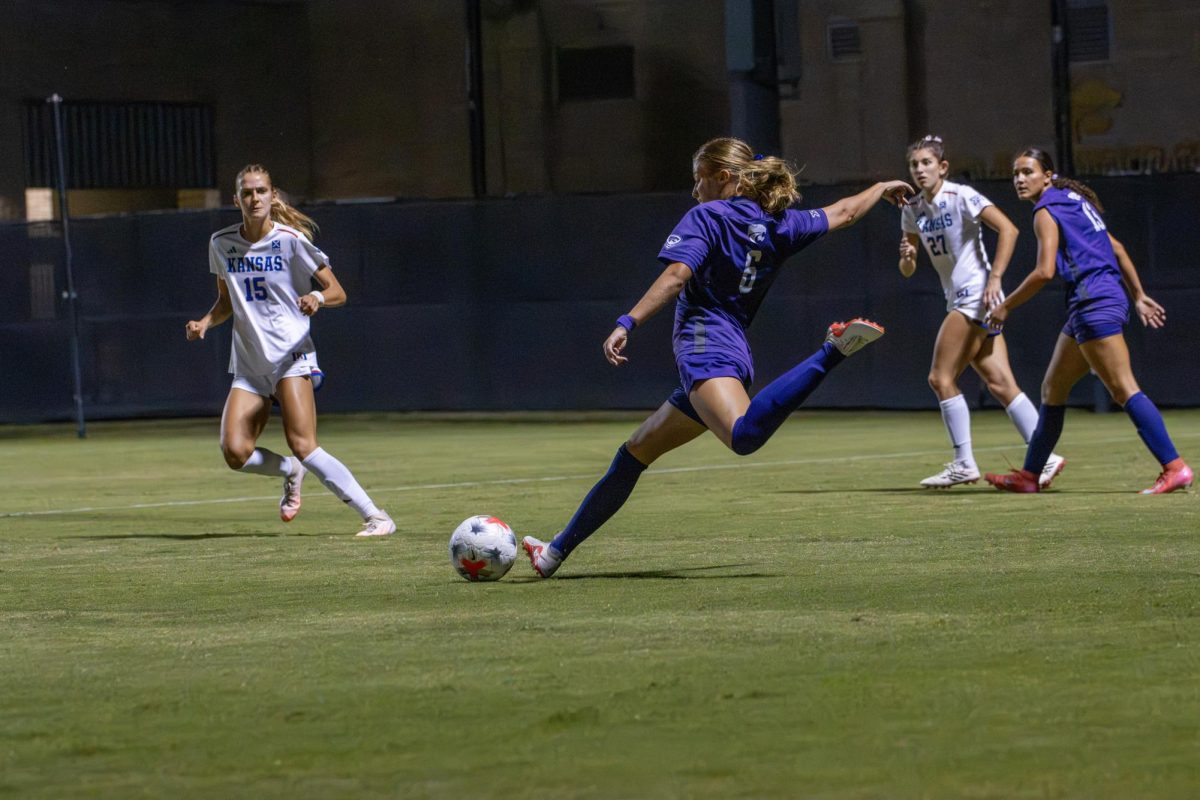
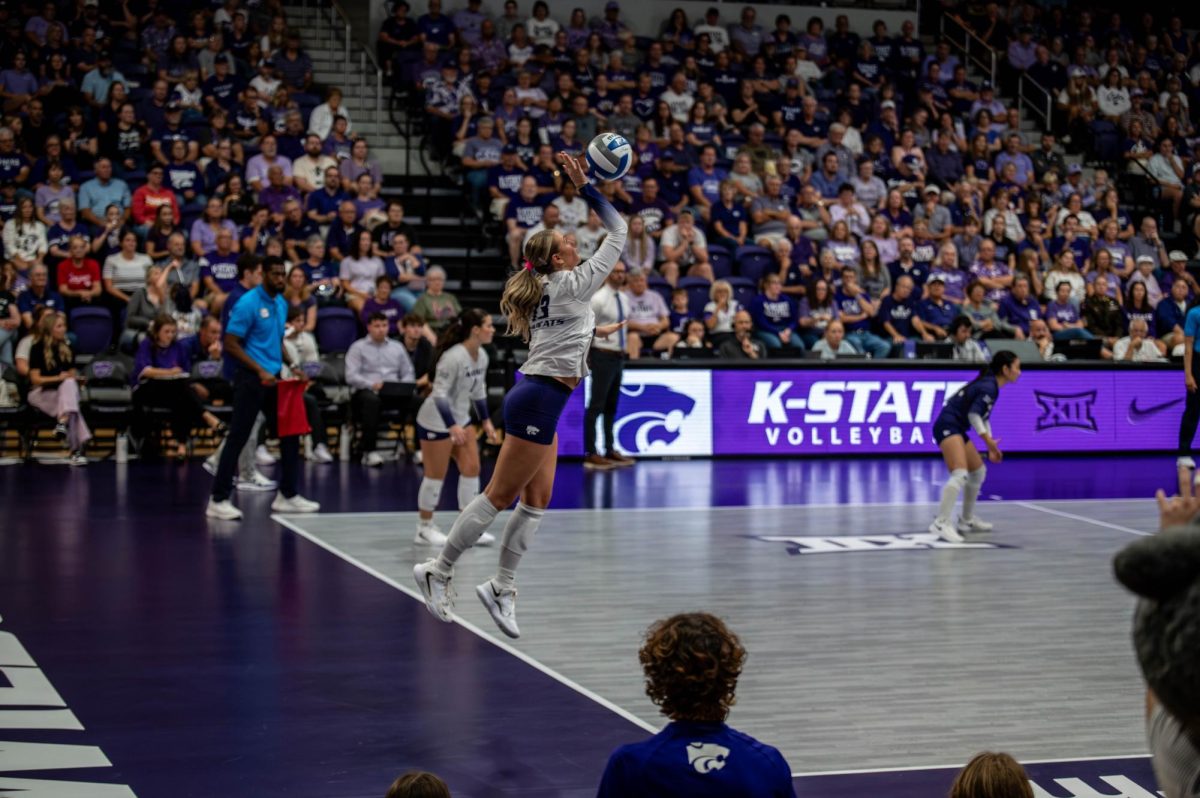

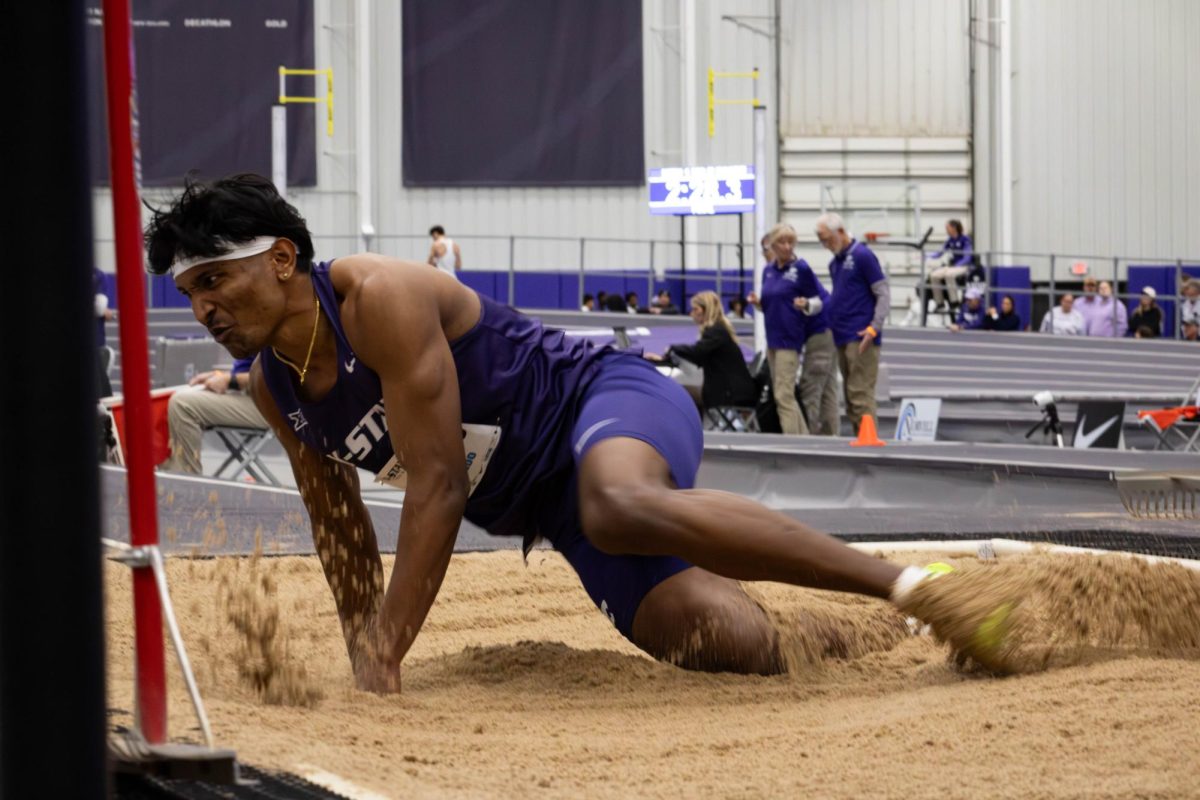
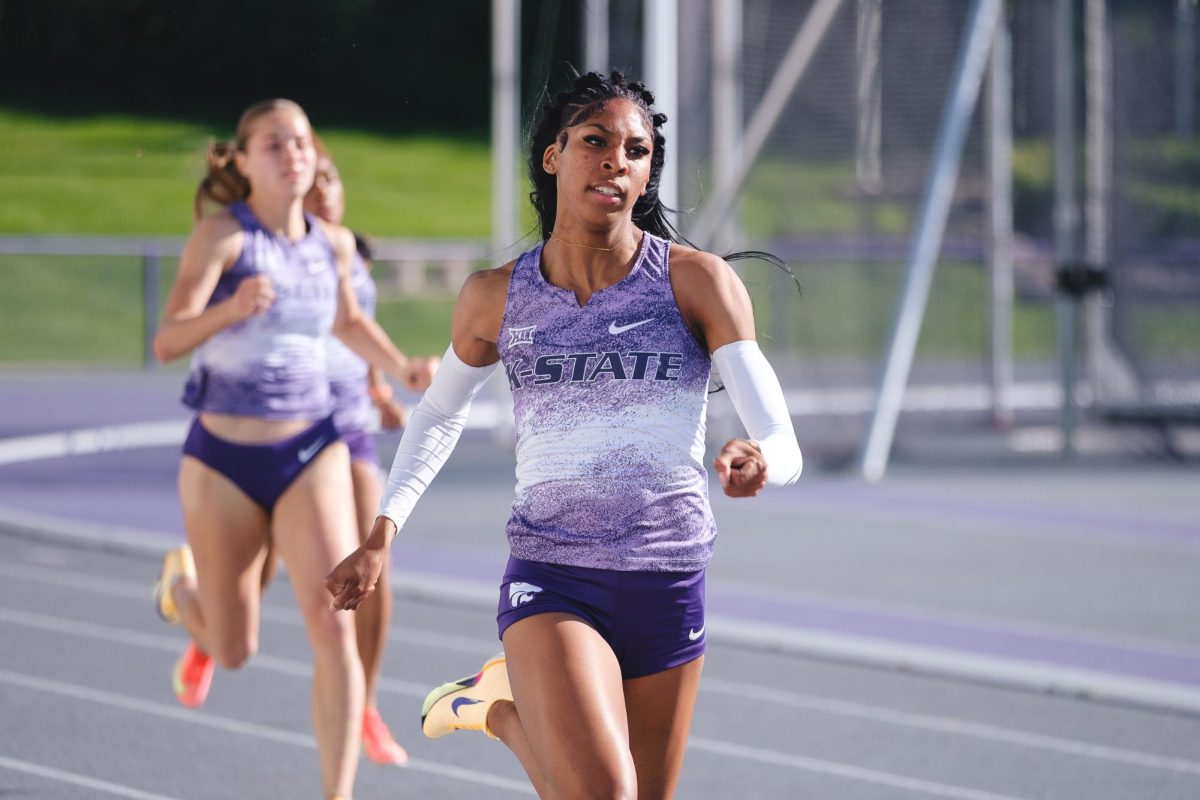
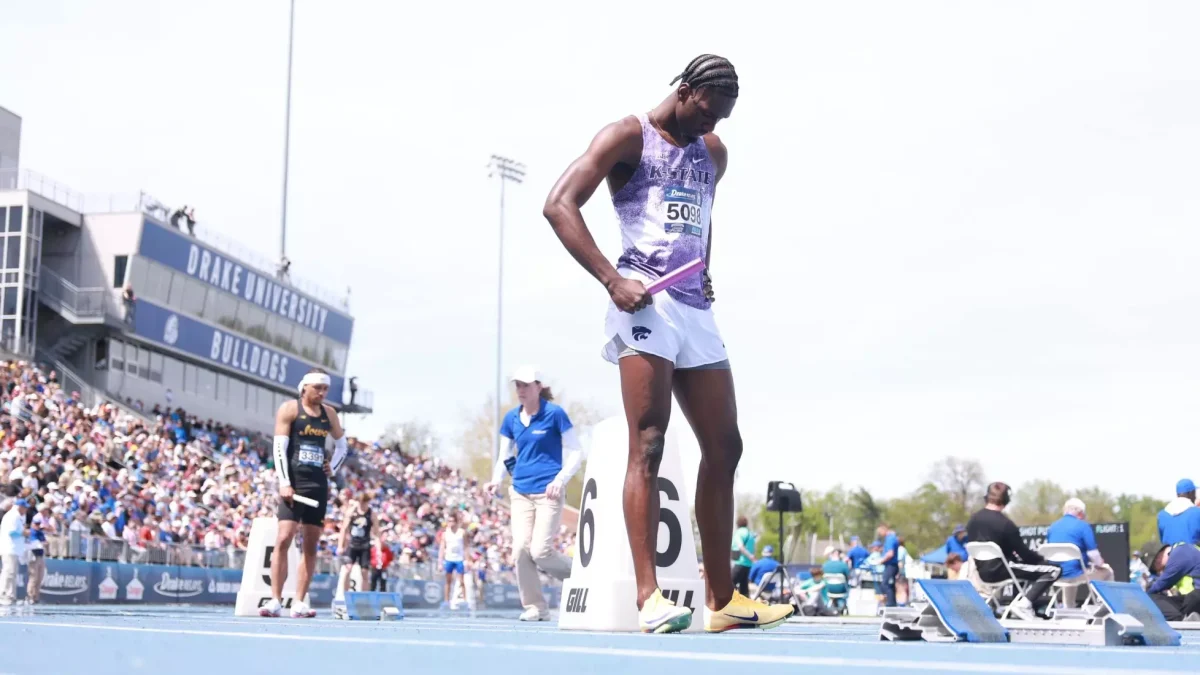











































The transition to college life is often celebrated as a period of newfound freedom and self-discovery, yet it frequently serves as a crucible for intense psychological pressure. For many students, the weight of academic expectations, financial concerns, and the social anxiety of navigating a completely new environment can lead to significant burnout and mental fatigue. While traditional counseling and academic support are vital, there is an increasingly recognized and accessible tool for maintaining psychological equilibrium: recreational sports. Beyond the physical benefits of cardiovascular health and muscular strength, engaging in sports provides a complex, multi-layered defense against the modern mental health challenges faced by young adults.
The Neurochemistry of Stress Relief
At a fundamental biological level, recreational sports act as a natural regulator for the brain’s chemistry. The “runner’s high” is the measurable result of the body releasing endorphins and enkephalins—natural chemicals that improve mood and reduce the perception of pain. When a student steps onto a court or a field after a grueling exam, the physical exertion helps to flush out cortisol, the primary hormone associated with stress. This chemical reset allows for better sleep patterns and significantly improved cognitive function during waking hours.
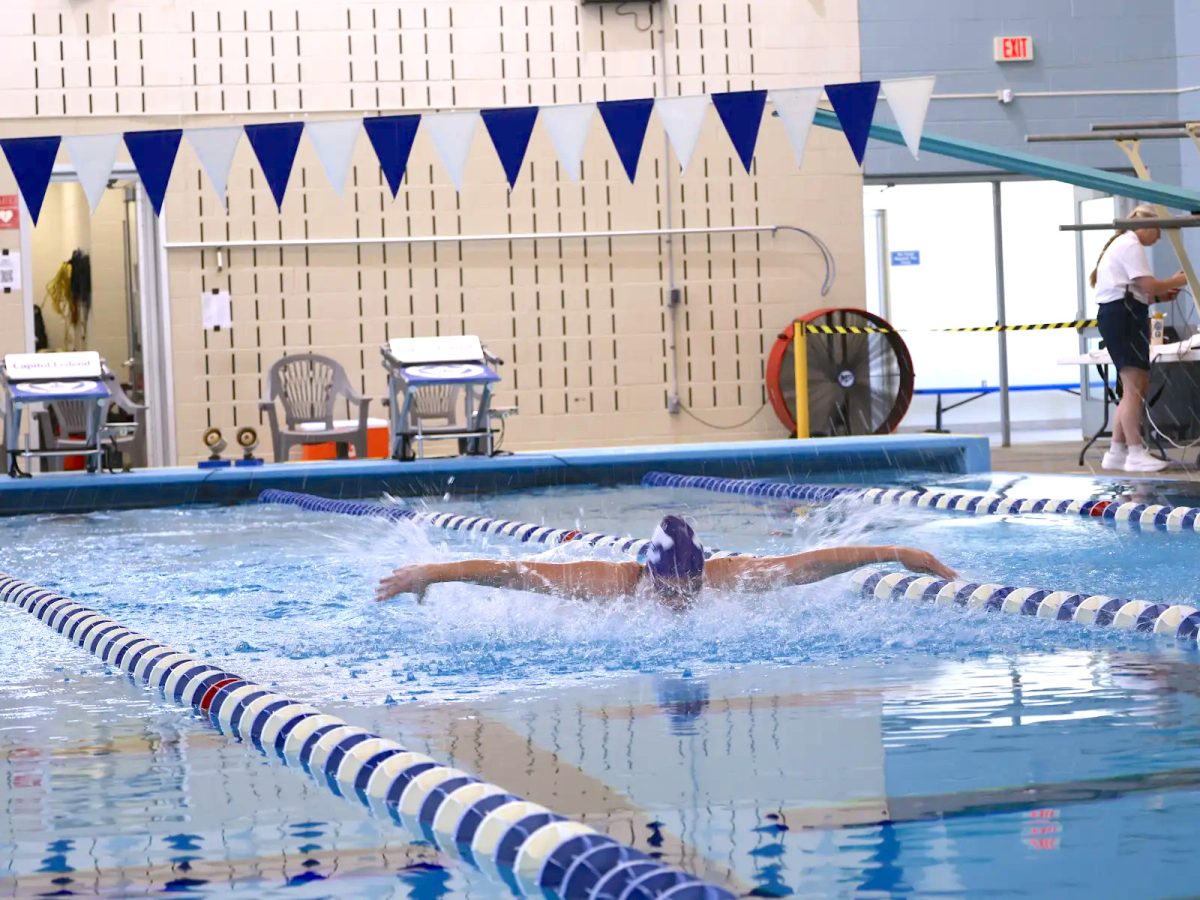
For those looking for structured ways to achieve this balance, taking up a new discipline can provide a sense of progression that academic life sometimes lacks. For example, enrolling in Tennis Pro Now lessons can offer a perfect blend of high-intensity interval training and tactical focus, forcing the brain to stay present in the moment rather than ruminating on upcoming deadlines or past mistakes. The rhythmic nature of sports like tennis or swimming creates a meditative state that calms the nervous system, providing a necessary sanctuary from the digital noise that defines modern campus life.
Social Connectivity and the Combat of Isolation
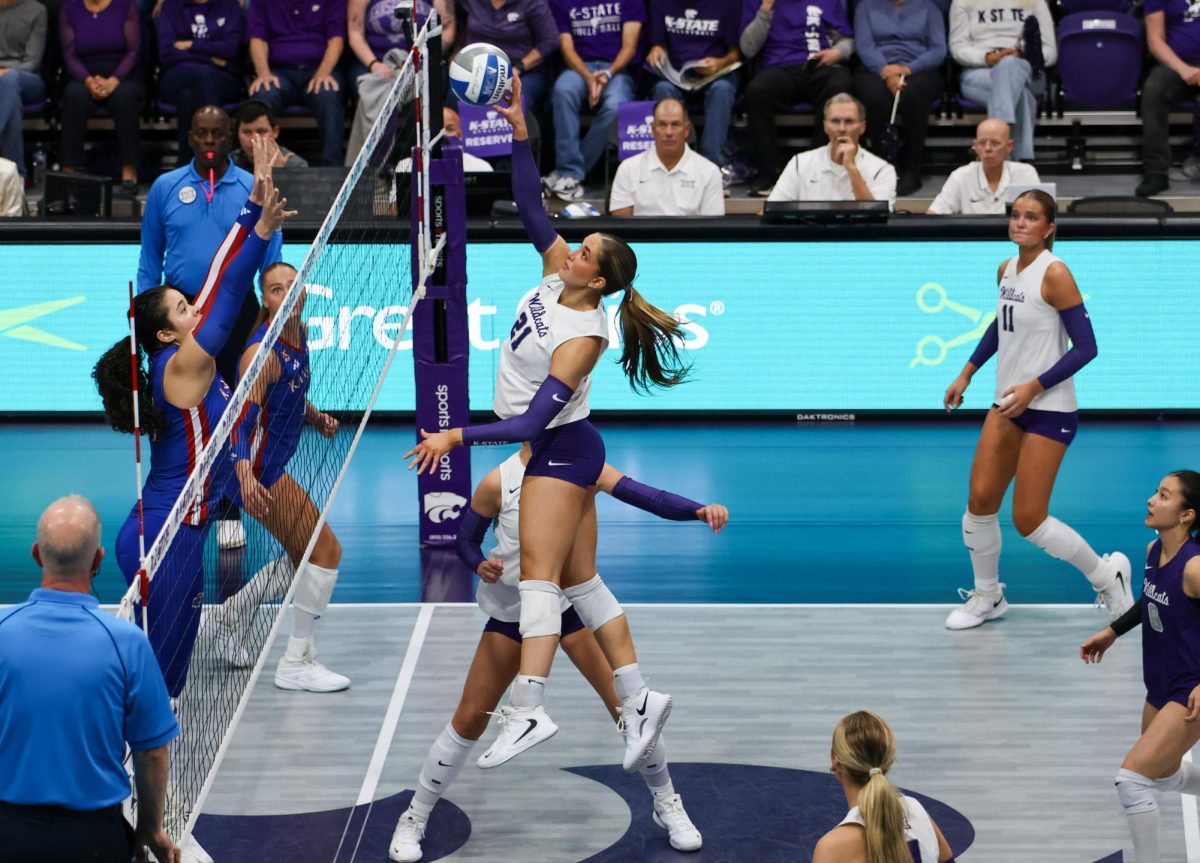
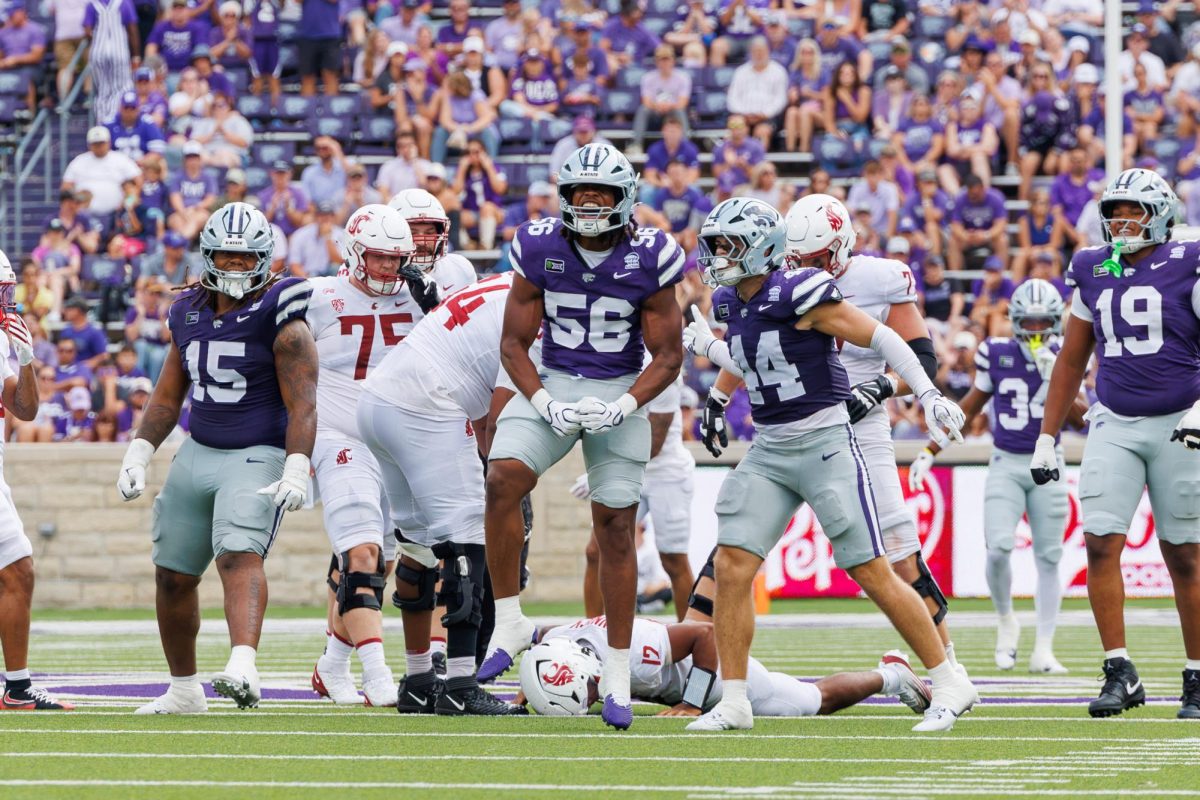
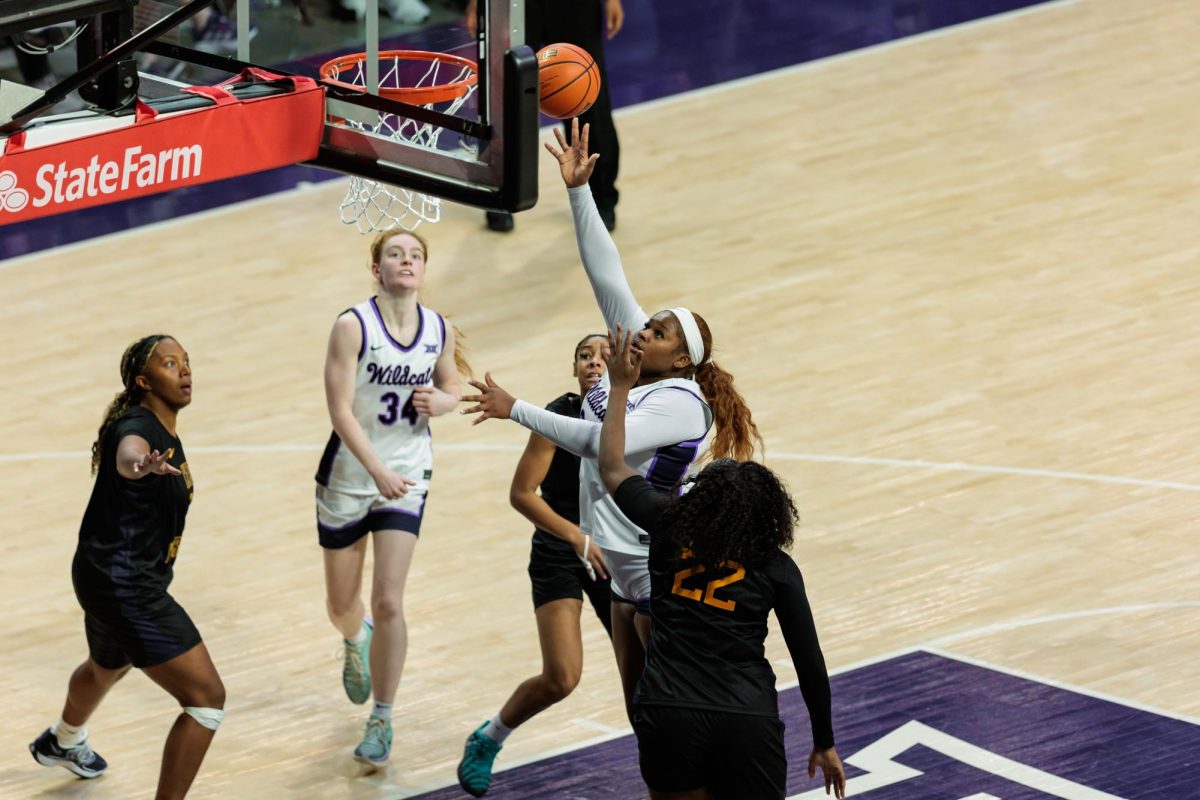
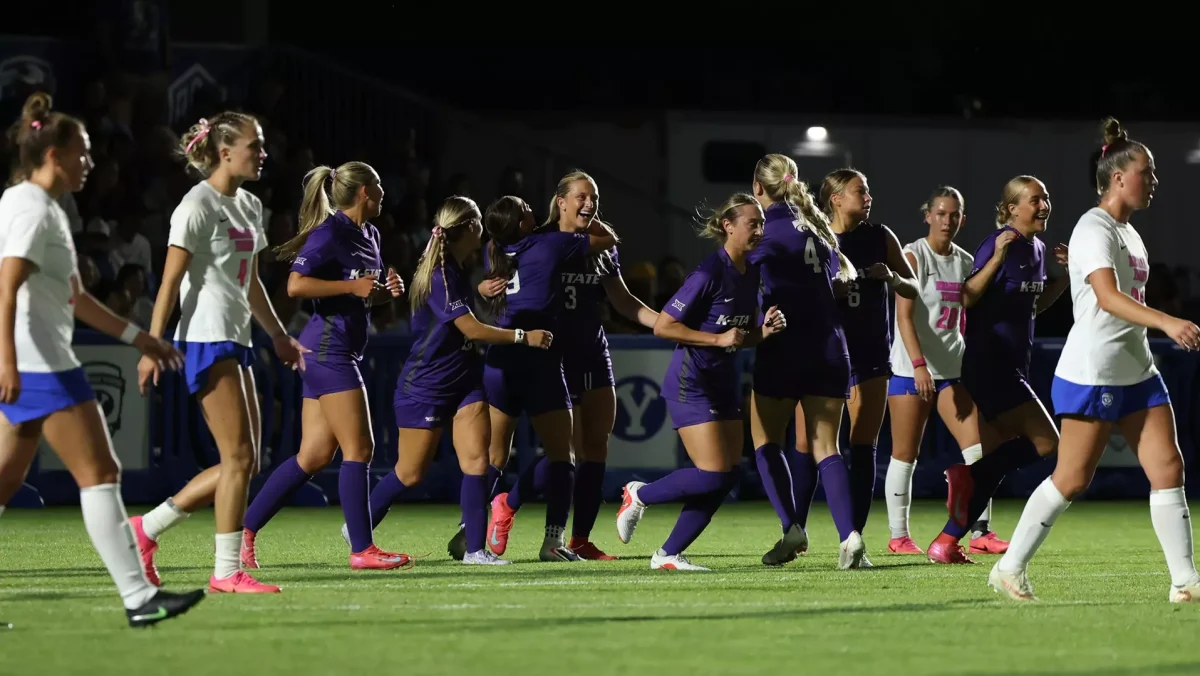
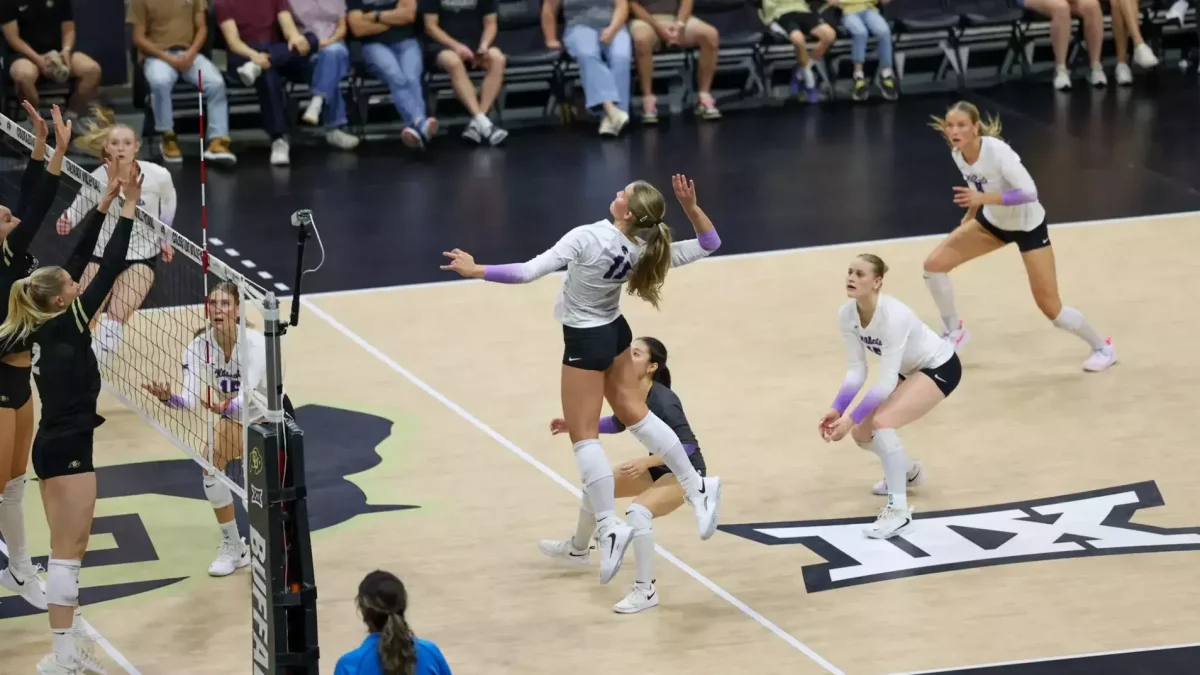
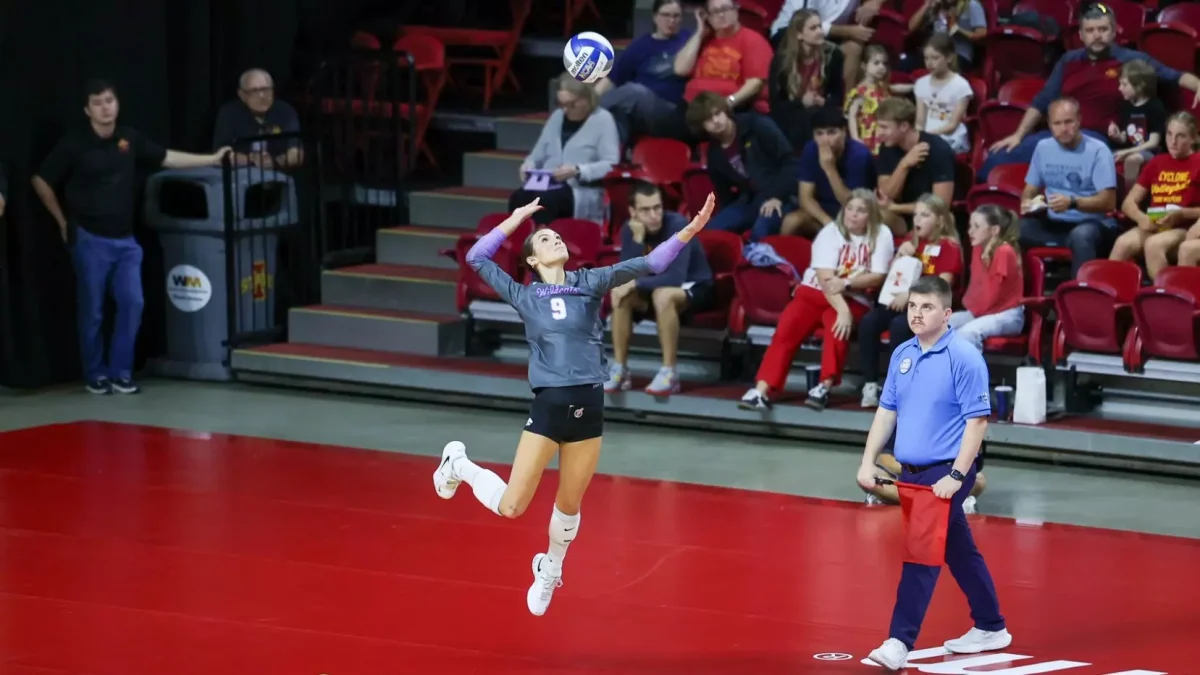
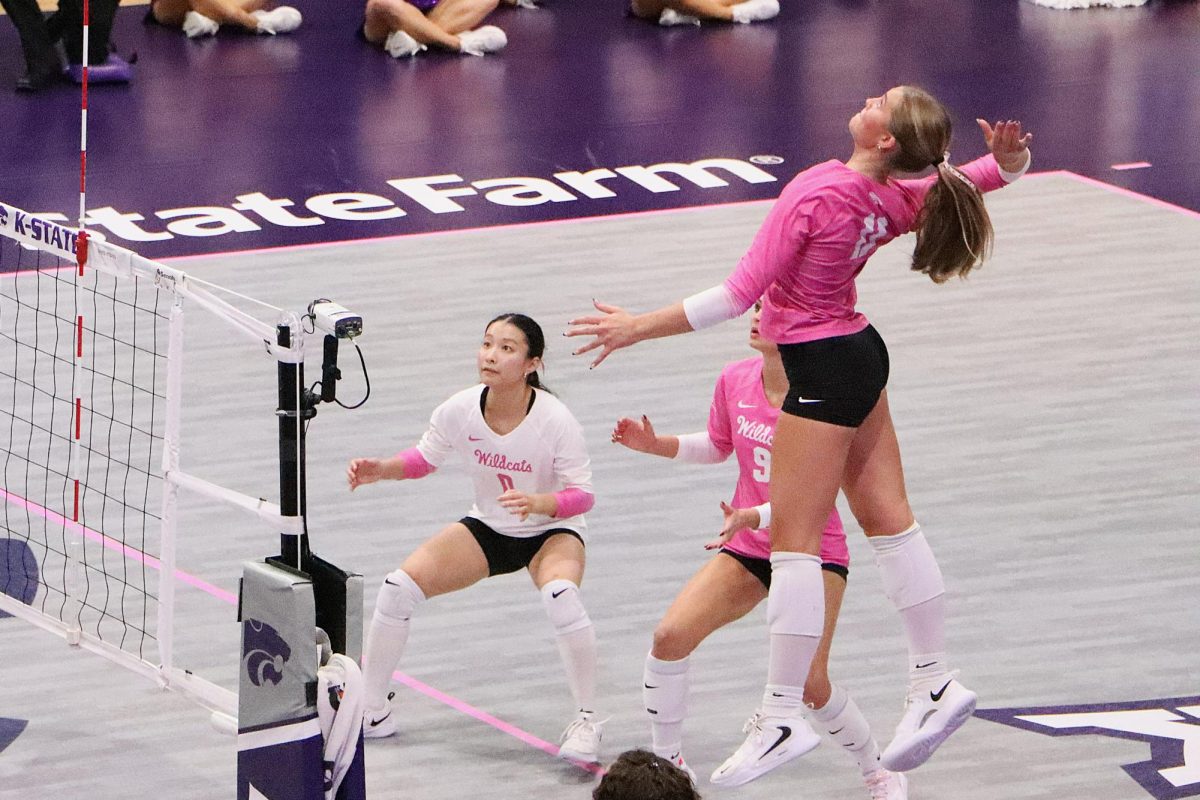
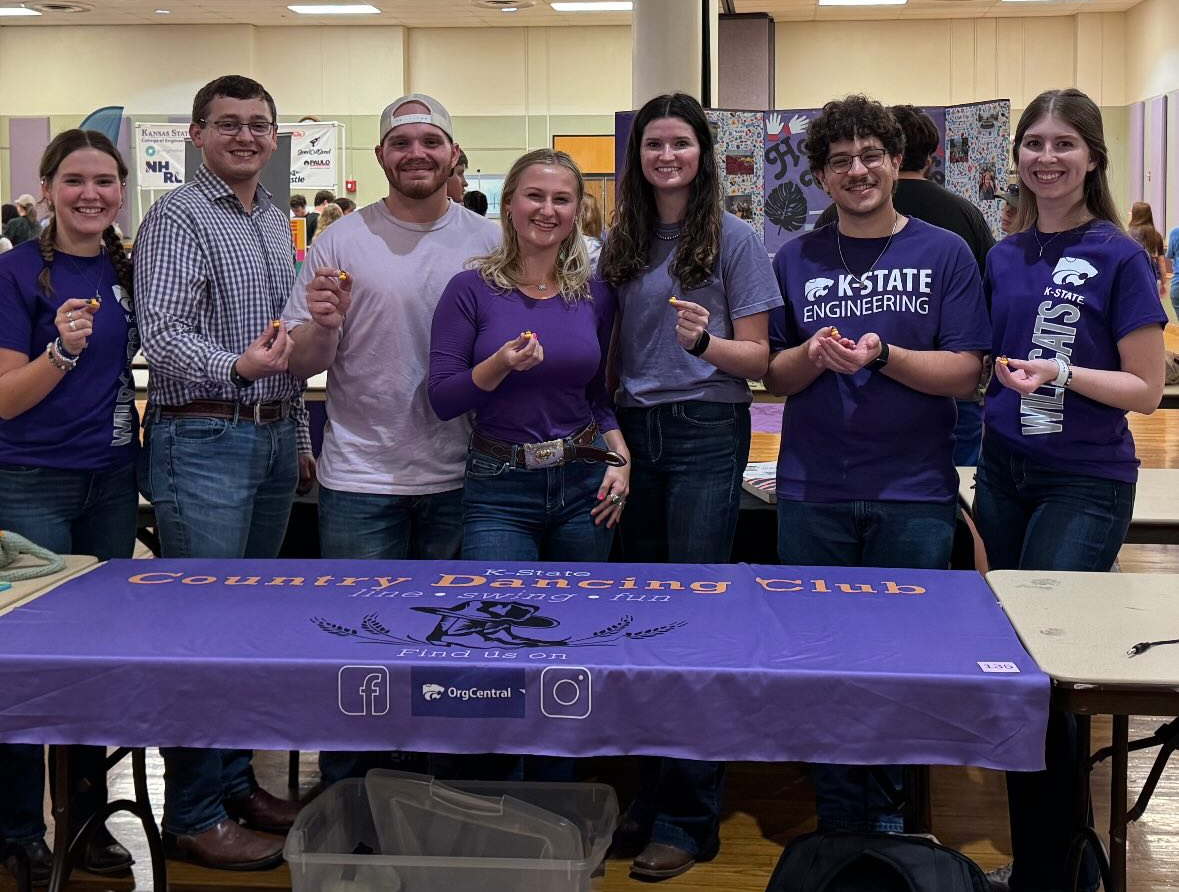
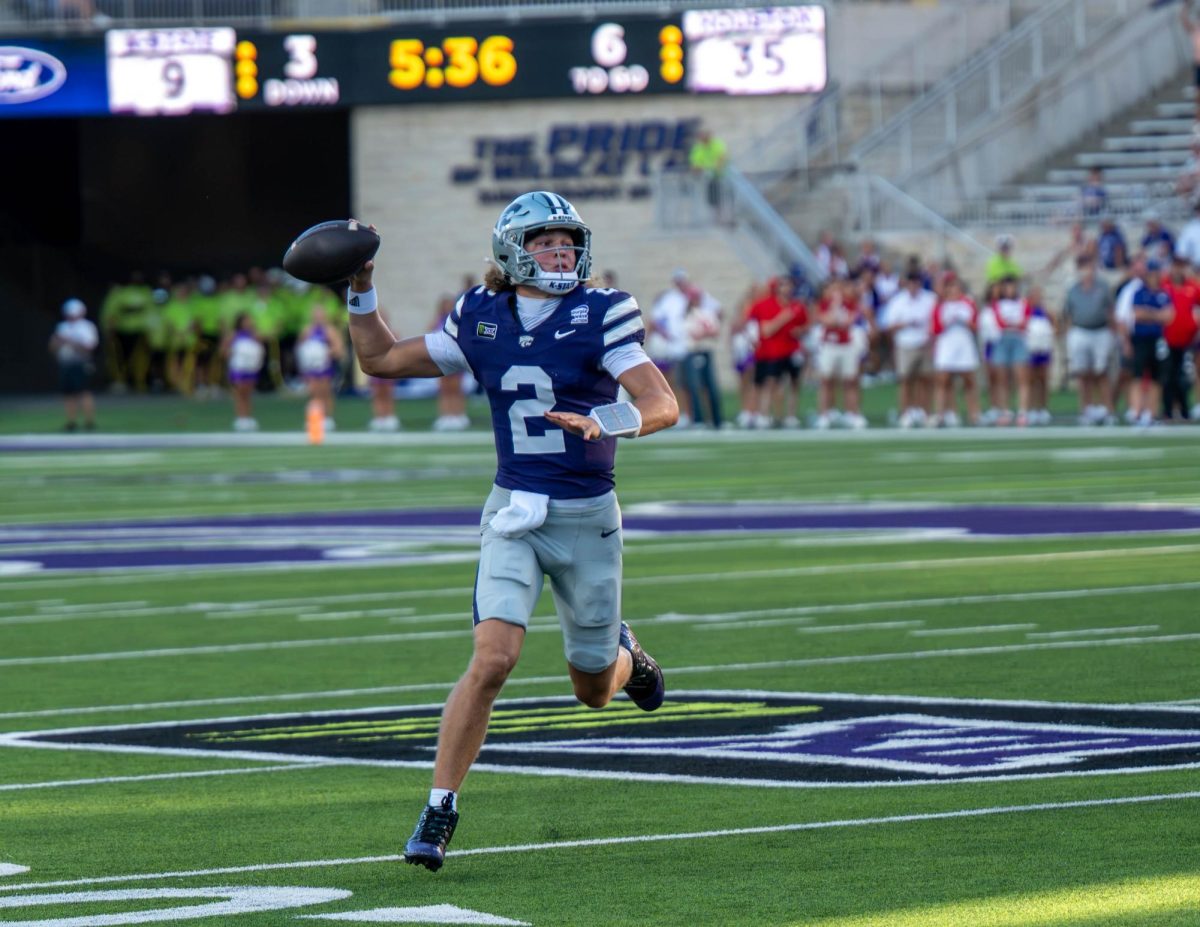
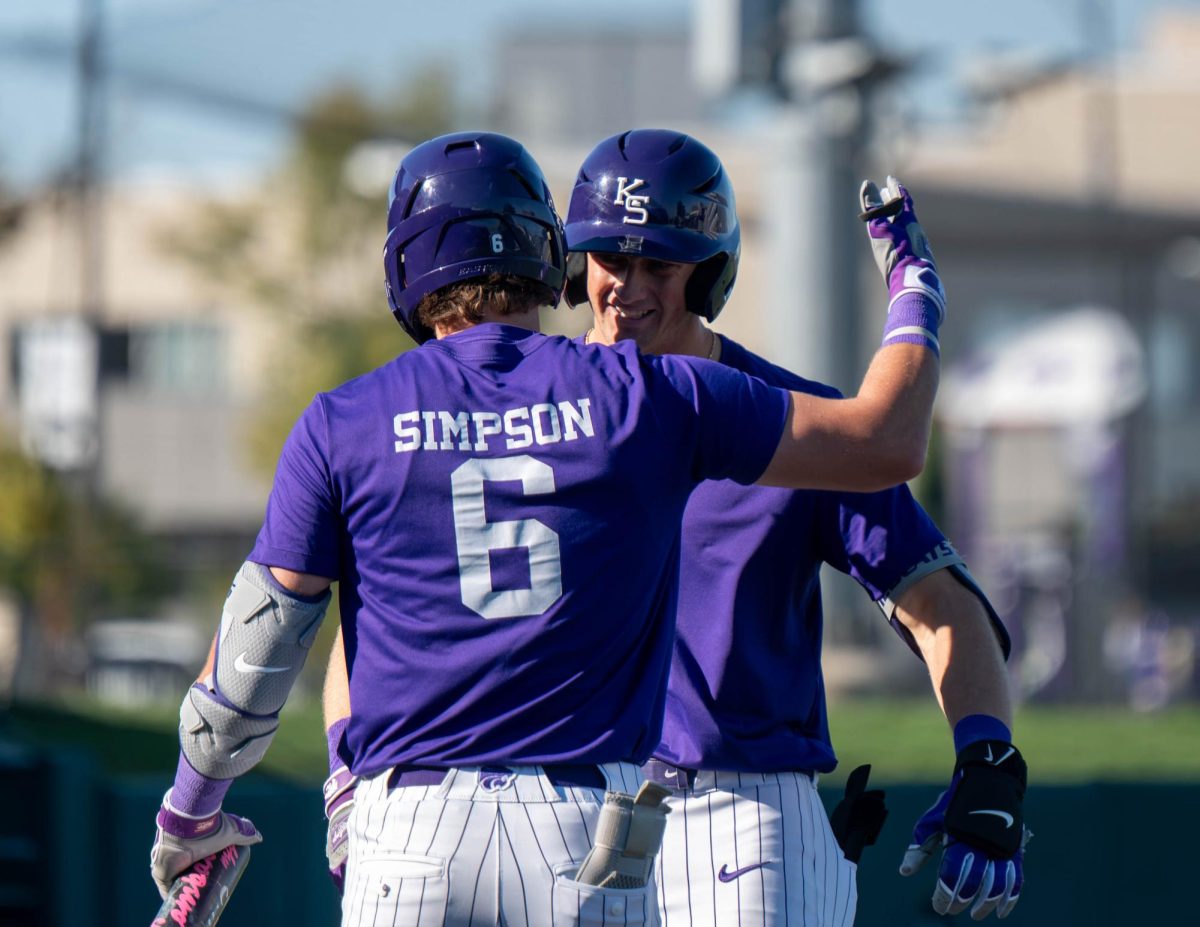
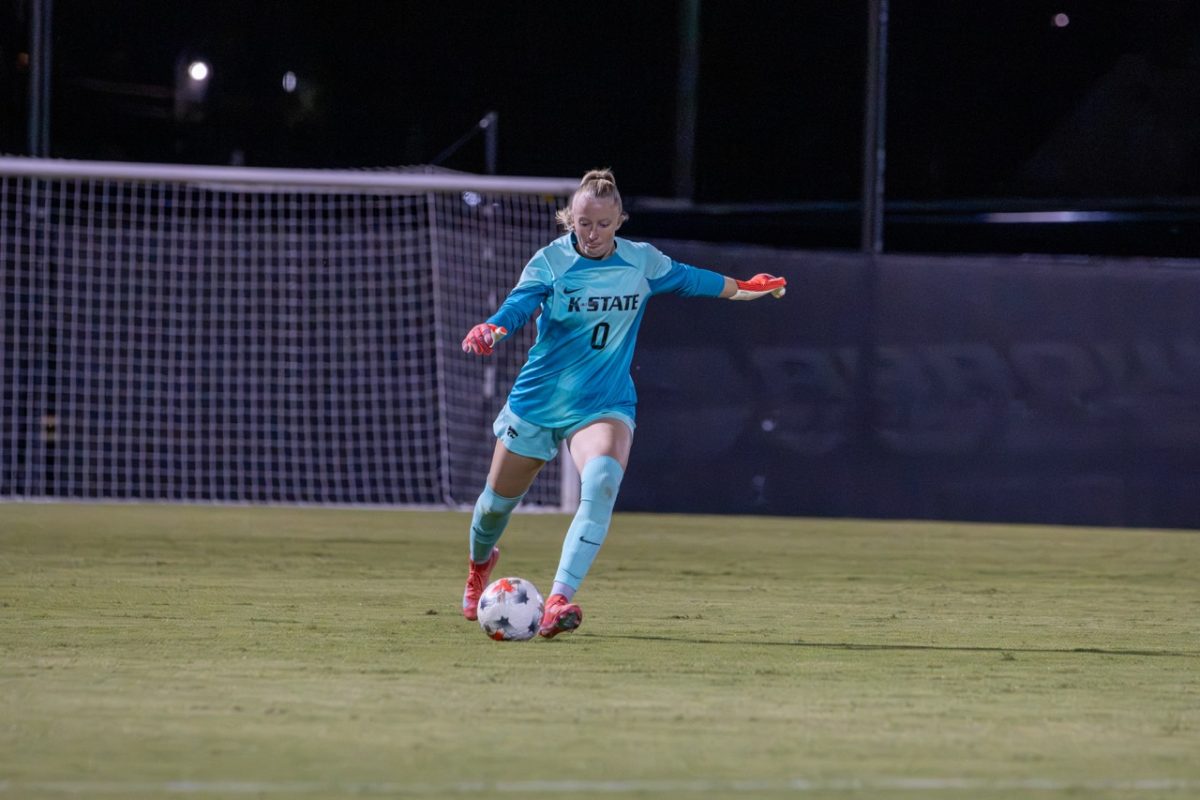
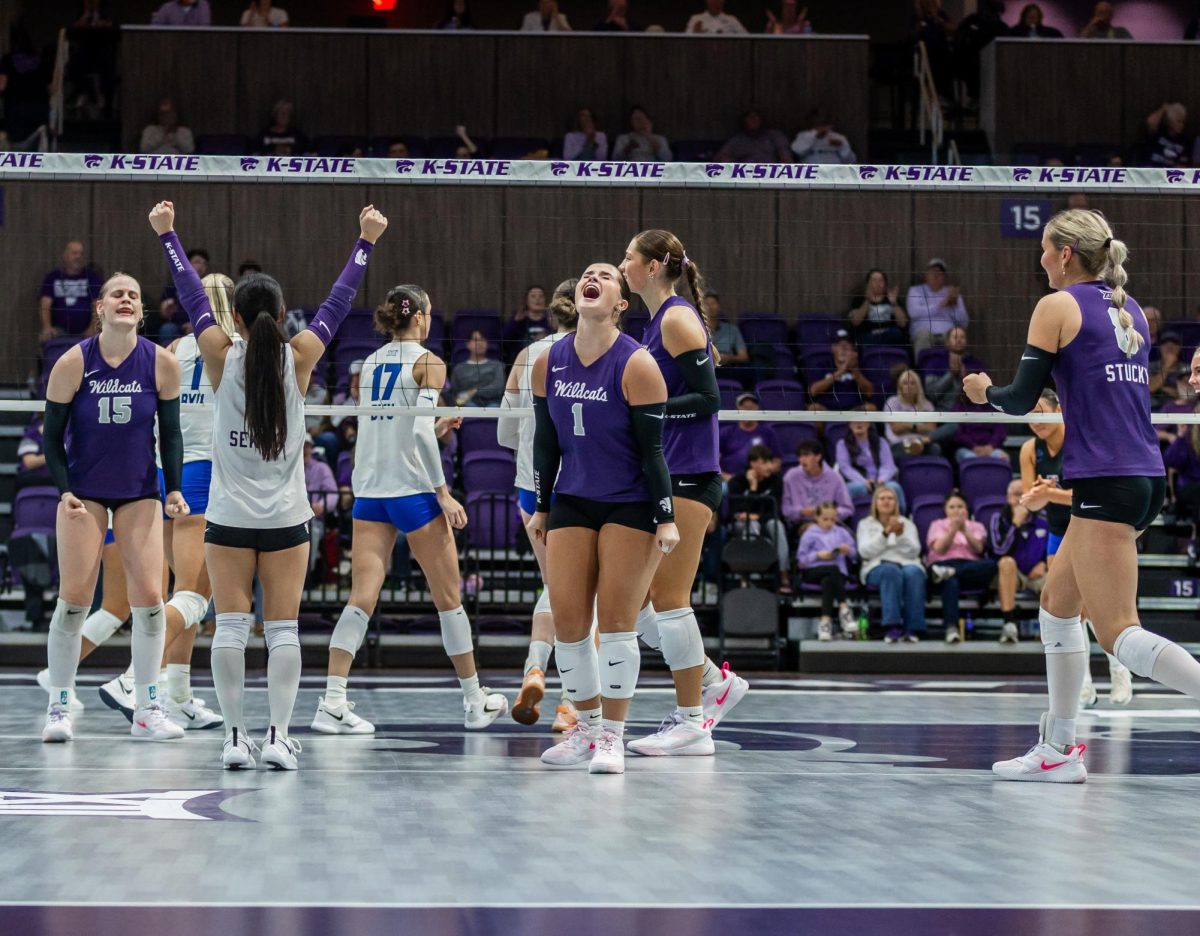
One of the most profound contributors to mental health issues in college is social isolation. Even on a bustling campus of thousands, many students feel like “a face in the crowd”. Recreational sports provide an immediate and organic social infrastructure. Intramural leagues and hobby groups lower the barrier to entry for making friends because the focus is on a shared activity rather than forced small talk. In these settings, students learn the nuances of teamwork, communication, and collective resilience.
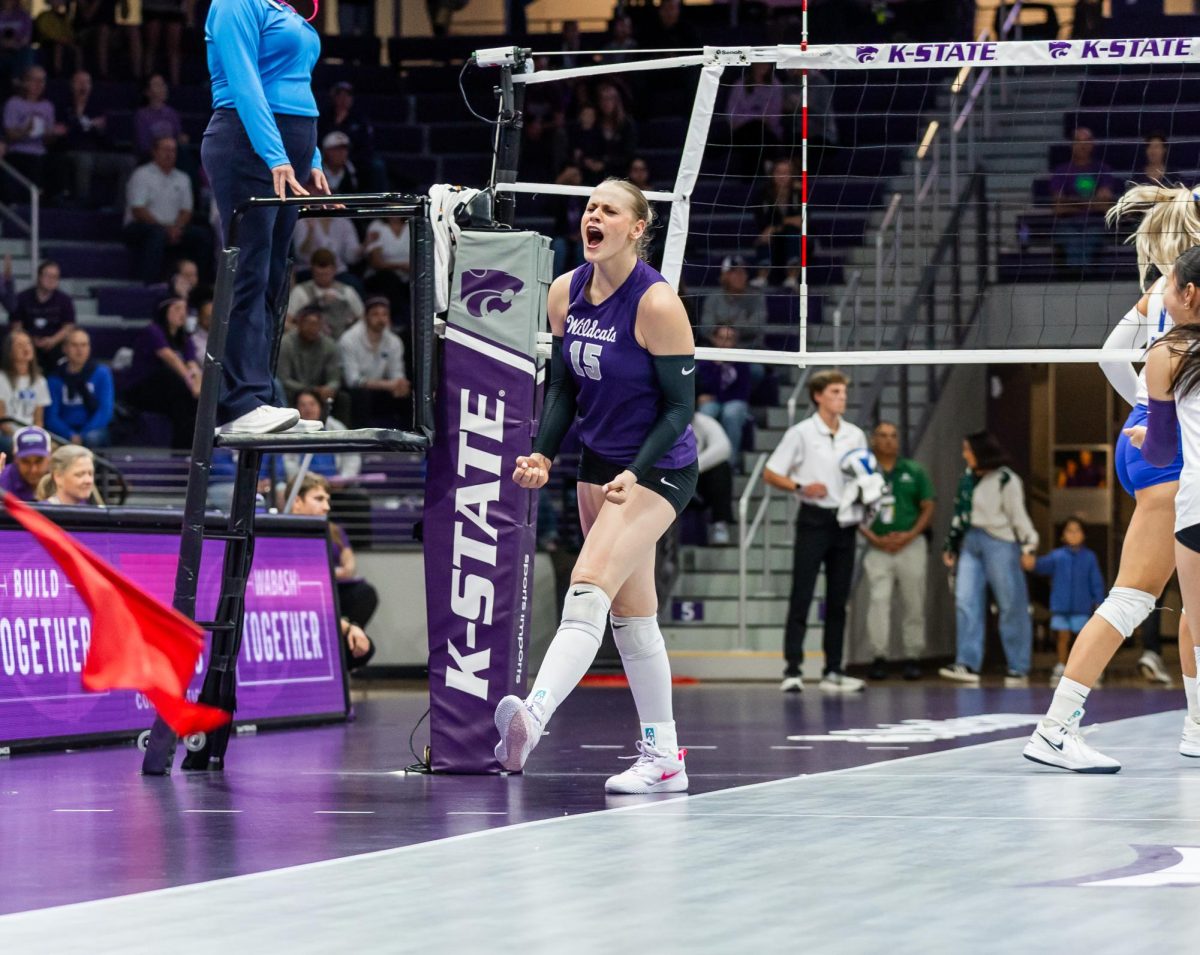
Winning together builds camaraderie, but losing together builds character and shared empathy. This sense of belonging is a powerful natural antidepressant. When a student knows their team is counting on them to show up for a Saturday morning game, it provides a sense of purpose and accountability that can be life-saving during periods of low motivation or depressive episodes. The locker room culture, the post-game meals, and the shared struggle of practice all contribute to a feeling of being part of something larger than oneself.
The Psychological Power of Mastery
Academic life is often characterized by delayed gratification; a student might work on a research project for months before seeing a grade or receiving feedback. In contrast, recreational sports offer immediate feedback and “micro-victories”. Learning a new skill provides an instant boost to self-esteem. For instance, a student who starts skateboard lessons might struggle with balance for the first week, but the moment they successfully navigate a curb or execute a clean turn, they experience a tangible sense of mastery that academic theories cannot replicate.
This “mastery effect” is crucial for college students who may be feeling overwhelmed by the complexity of their coursework. Success in a recreational setting reminds the individual that they are capable of growth and learning through persistence. This confidence often “bleeds over” into other areas of life, fostering a growth mindset that helps students tackle difficult exams or social challenges with greater resilience and a less critical inner voice.
Mindfulness and the “Flow State”
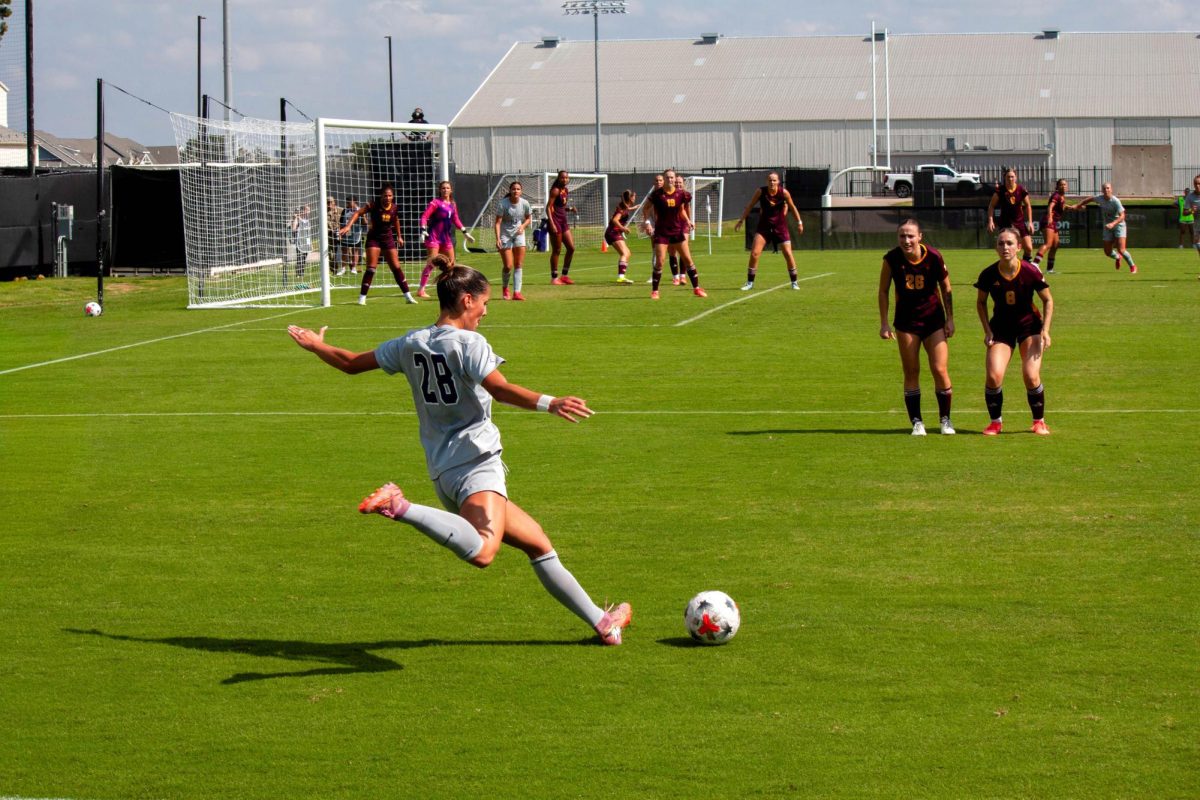
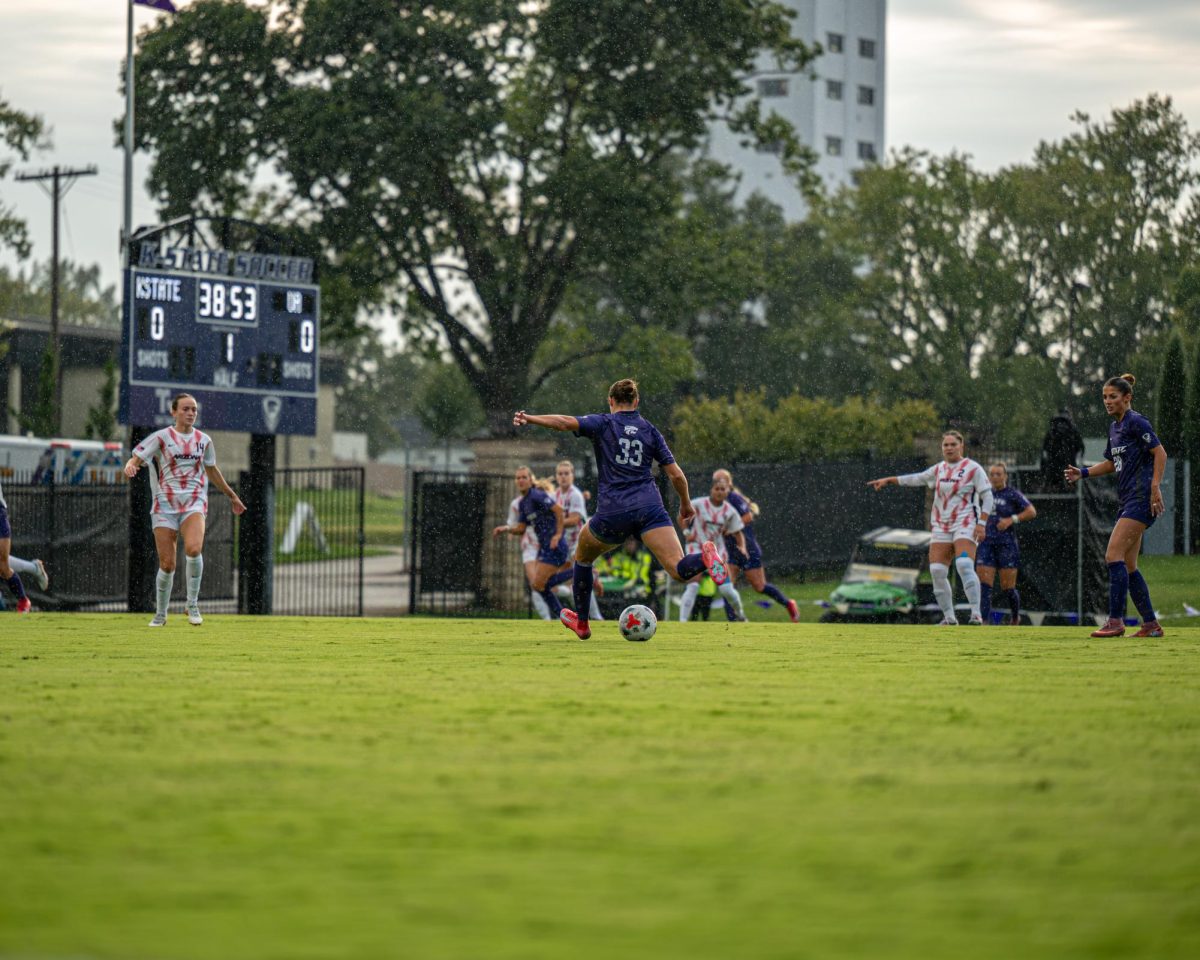
Modern students are plagued by “continuous partial attention,” where their focus is constantly divided between lectures, social media notifications, and future anxieties. Sports demand total presence. Whether it is tracking a ball in flight or maintaining balance on a board, recreational activities move the participant into a “flow state”—a psychological condition where a person is fully immersed in an activity, losing their sense of time and self-consciousness. This immersion acts as a form of “active mindfulness”. Unlike traditional meditation, which some find difficult to practice when highly anxious, sports provide an external focus that naturally quiets the internal monologue.
Cognitive Enhancement and Academic Performance
There is a persistent myth that spending time on the field takes away from time in the library. However, research consistently shows a positive correlation between physical activity and academic performance. Physical exercise increases blood flow to the brain and stimulates the release of BDNF (Brain-Derived Neurotrophic Factor), a protein that supports the survival of existing neurons and encourages the growth of new ones. This means that a student who plays recreational sports is likely to have better memory retention, sharper focus, and more creative problem-solving skills than their sedentary peers. The mental clarity gained from a break to play sports actually makes study time more efficient.
Building a Sustainable Routine
For a college student, the key to reaping these benefits lies in consistency rather than intensity. It is not about becoming a professional athlete; it is about finding an activity that brings joy and provides a release. Universities are increasingly recognizing this, investing more in high-quality recreation centers and inclusive intramural programs that cater to all skill levels. By prioritizing these activities, students are not just taking a break from their studies; they are investing in the psychological infrastructure that will support them throughout their professional lives.
Conclusion
The mental health crisis on college campuses requires a multi-faceted solution. While clinical intervention remains a cornerstone of care, the preventative and restorative power of recreational sports cannot be overlooked. By integrating movement into their daily lives, students can transform their college experience from a period of high-stress survival into a journey of holistic growth. The court, the rink, and the park are not just places for play; they are essential laboratories for building a healthier, more resilient mind that is prepared for the challenges of adulthood.