






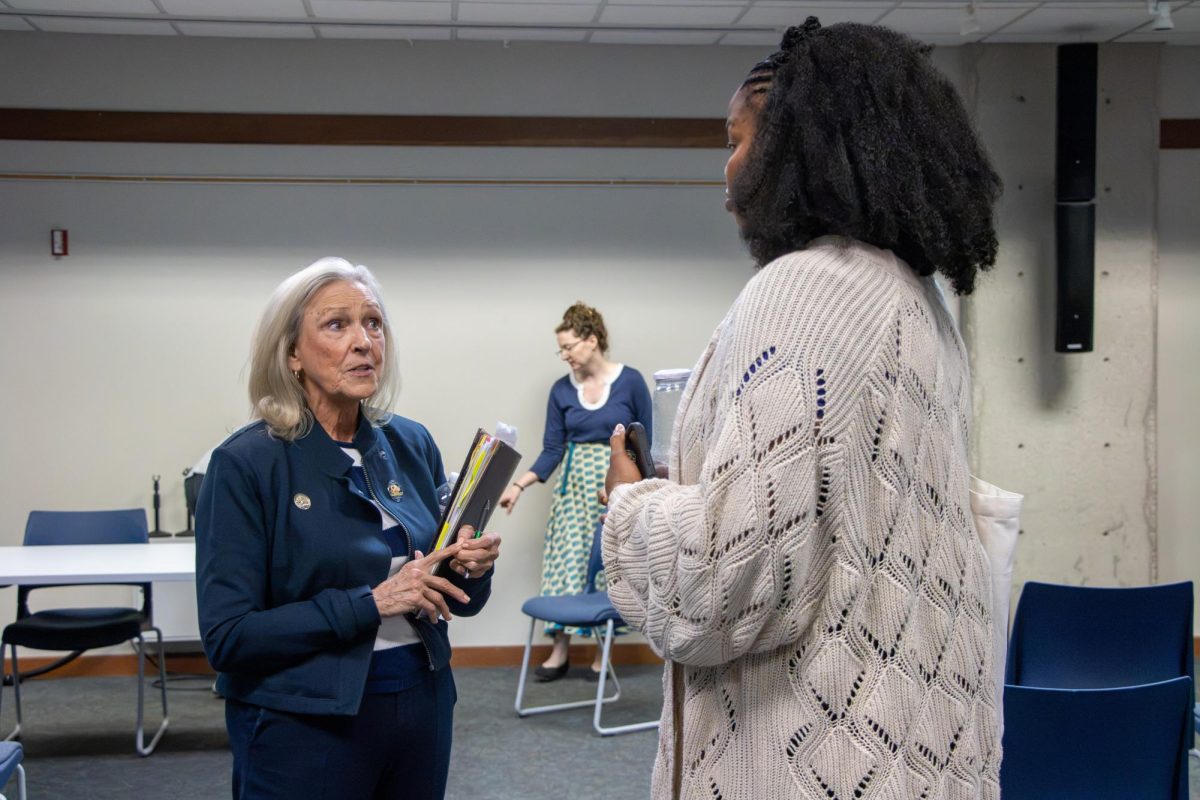



































































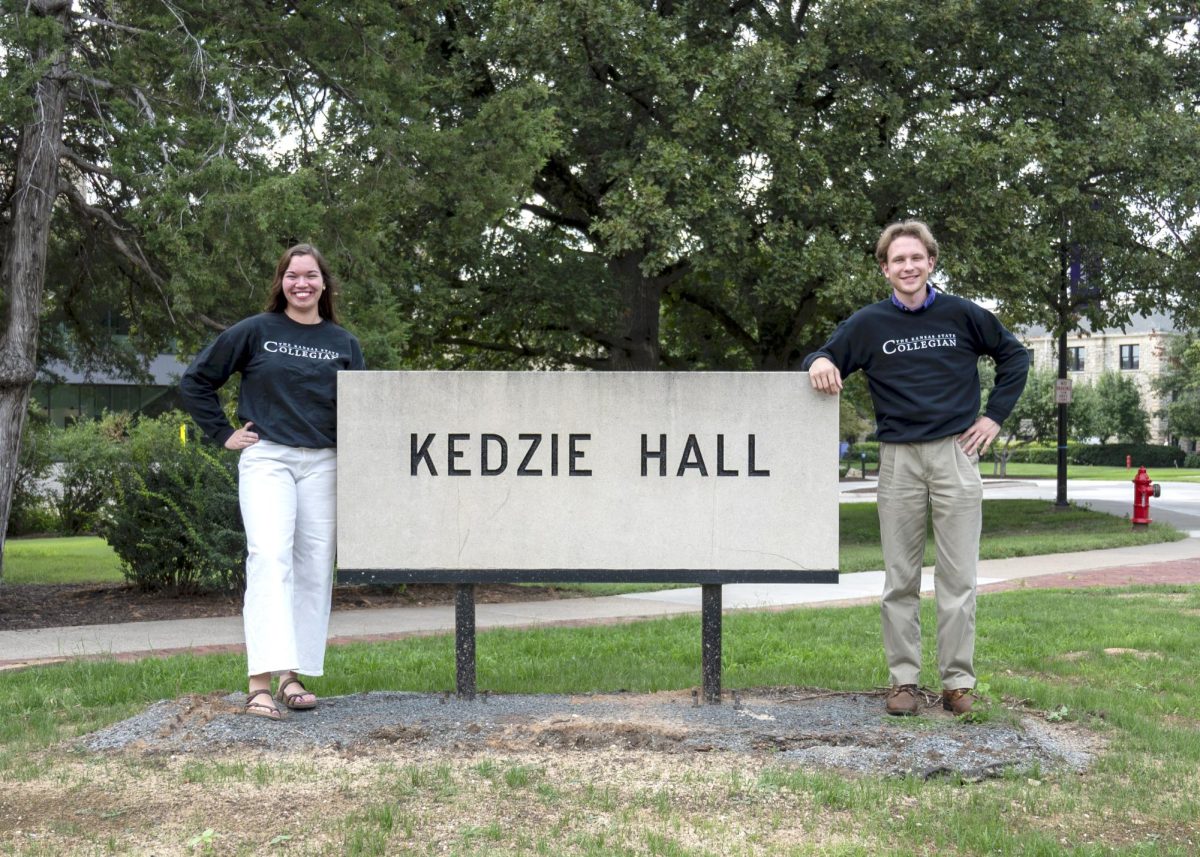




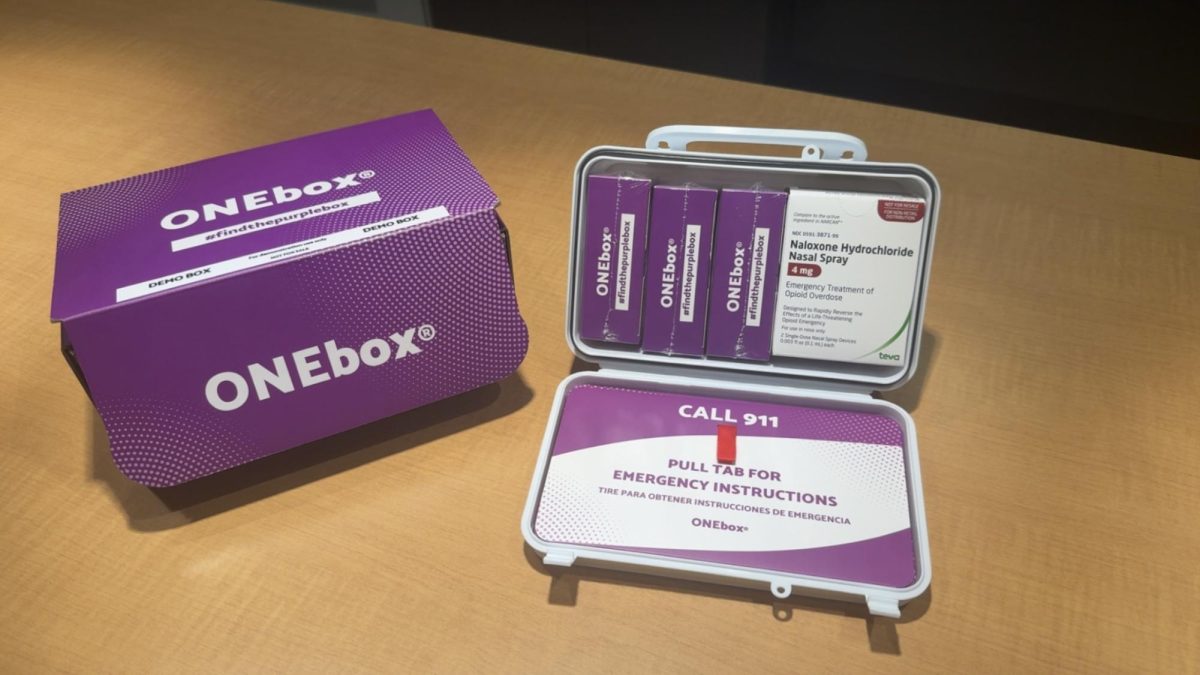
Student Governing Association senator Brady Clark proposed legislation on April 16 that would expand access to naloxone, a life-saving medication that can rapidly reverse overdoses, by placing it in key locations across Kansas State.
Brady Clark and Luci Knopik, also an SGA senator, authored the Overdose Prevention and Response Task Force Establishment Act to create a team charged with “coordinating campus-wide efforts to prevent opioid overdose,” according to the bill.
Once the task force is created, Clark will propose legislation that would allocate funds to the Morrison Family Center for Student Health and Well-being to place ONEboxes around Kansas State.
“ONEbox acts like an AED but for opiate overdoses,” Clark said. “So inside, you open it, there’s PPE, there’s naloxone and there’s a video of a girl telling you what to do.”
Clark was inspired to write the bills after witnessing an overdose in his own dorm wing, where he said faster Narcan administration could’ve prevented harm.
“Campus police was called, and they were dispatched there, but they were the only closest resource to naloxone, which is a huge, huge issue,” he said.
According to the Kansas Division of Public Health, Riley County saw an average of 10 overdoses per year over the last decade.
Regardless of his experience, Clark said he doesn’t think K-State has a problem with campus overdoses. Rather, he feels it’s important to prevent the possibility of it ever becoming one.
“Unfortunately, it took me witnessing events to get this ball rolling, so I think this will start more of a dialogue, and I think this will encourage good Samaritans to not hide behind fear,” he said.
In October 2025, K-State and Lafene Health Center received a grant to place “Save a Life” Narcan stations at Lafene, Hale Library and the Recreation Complex, according to an article published in K-State Today.
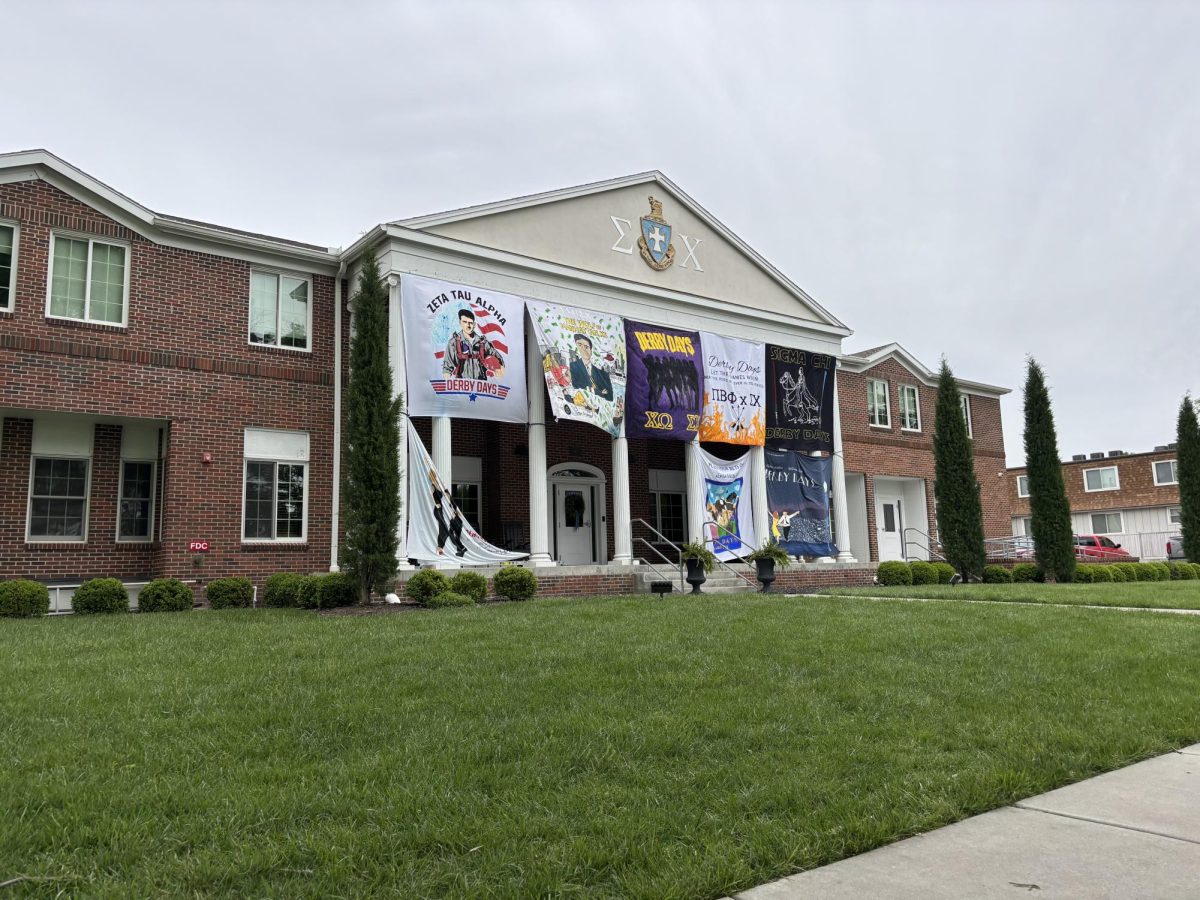
However, Narcan boxes are not at any campus living facilities. Clark’s allocation will prioritize fraternity and sorority houses to receive ONEboxes first.
“There’s 31 houses, and then any extra boxes we have; Wefald, or Ford or whoever could reach out to the task force for a box,” Clark said.
Clark said the legislation will also suggest the creation of a community safety map that would direct users to harm reduction resources.
“That’s a huge issue we battle on campus daily in the student health advisory committee, is how do we push the word out that we have resources and where they are?”
Clark proposed legislation to create the task force on April 16. It will take effect “upon passage by the Student Senate and approval by the Student Body President,” according to the bill.