



















































































By Marcus T. | Sports strategy columnist, 6 years covering Big 12 athletics and competitive decision-making. Written July 2026.
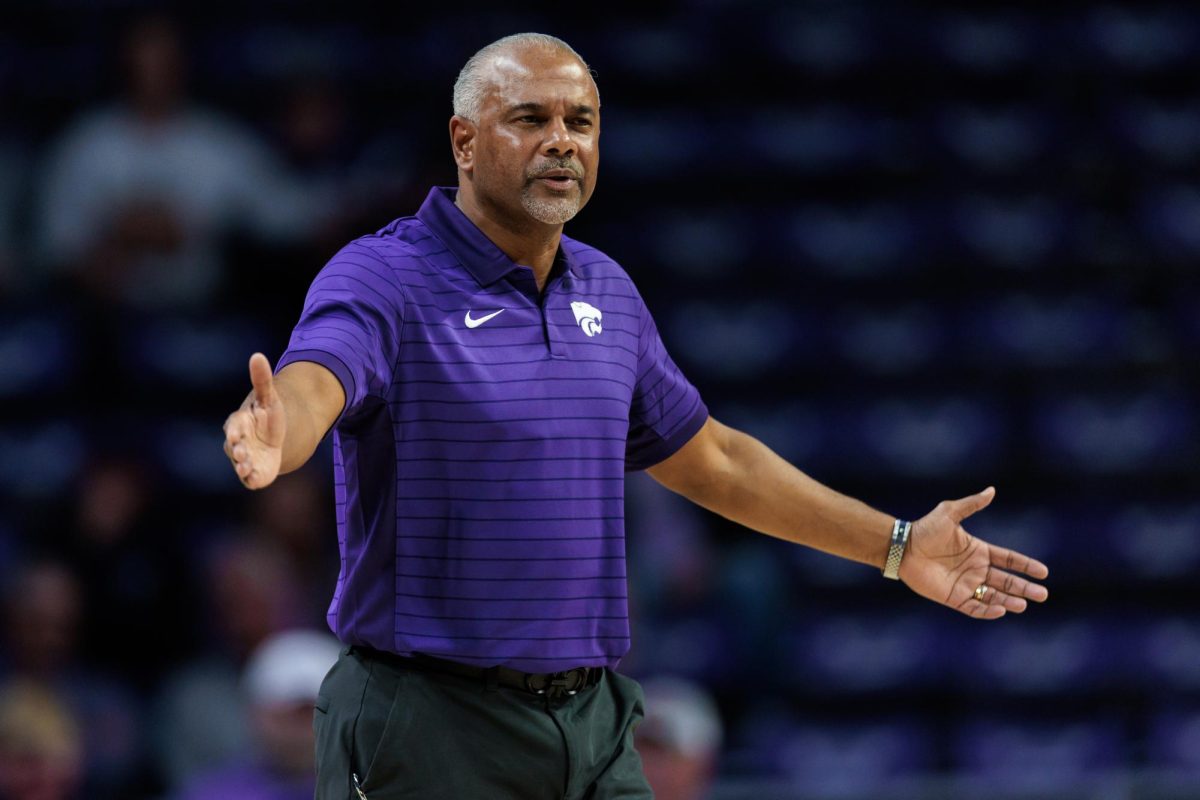
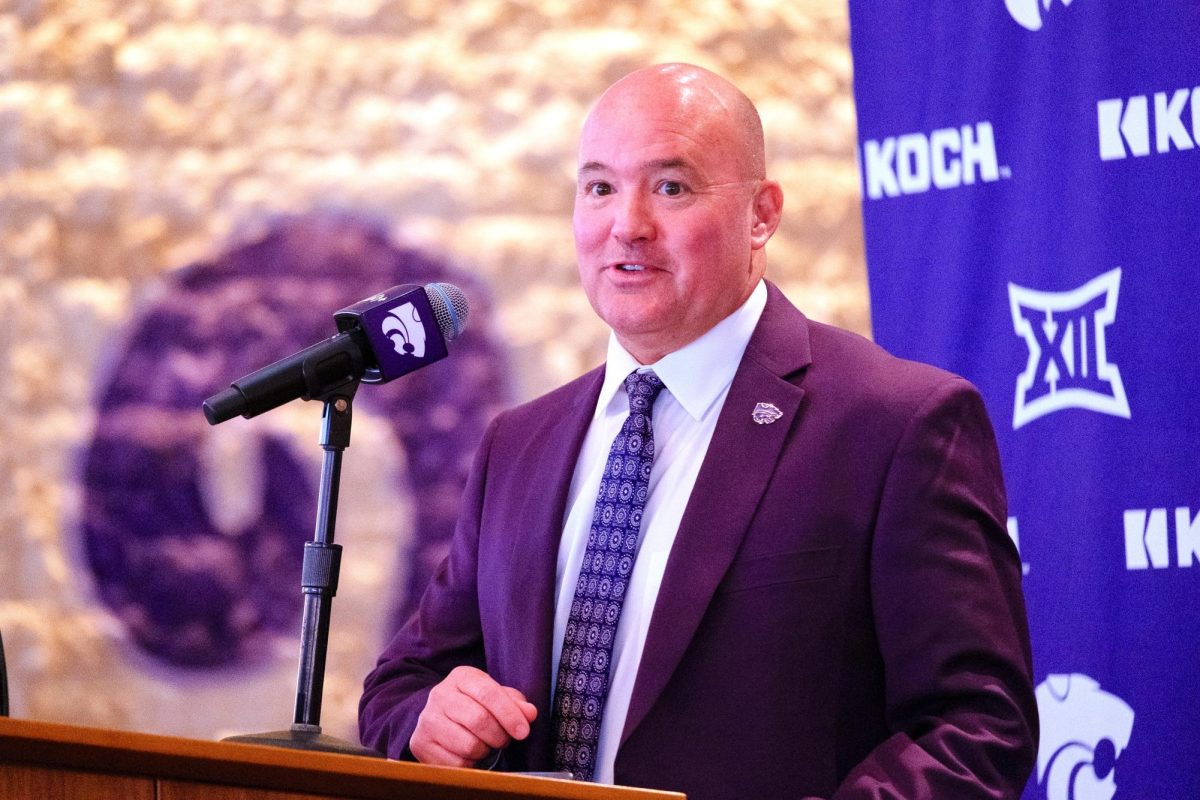
Collin Klein has been here before, just never from this seat. As a player, he took snaps under pressure on a national stage. As an assistant, he recruited and developed talent over a decade at the same program he now leads. But running your first full transfer portal cycle as head coach is a different animal entirely. It’s the kind of high-stakes, incomplete-information environment where every move you make signals something to every other participant in the market. How he handled it tells us more about Klein the strategist than any press conference ever will.
Decision-Making Frameworks When the Clock Is Running
Competitive environments with time pressure, imperfect information, and consequential outcomes force participants into a particular kind of thinking. You can’t wait for certainty. You have to act on reads, probabilities, and pattern recognition. And you have to be faster than the other side. This is true whether you’re an offensive coordinator with 35 seconds left on the play clock or a negotiator trying to land a three-star linebacker before Iowa State makes an offer.
The parallel to high-level card game strategy is closer than most football fans would admit. Poker players and coaches both operate in environments where information is structurally withheld. Opponents don’t show their hands, recruits don’t disclose competing offers. Analysts and coaches who codify these reads into repeatable decision frameworks consistently outperform those who rely on instinct alone. Coaches like those at https://www.pokertube.com/ have built an entire curriculum around this kind of structured competitive thinking. Breaking down how top players identify patterns under pressure and act decisively on incomplete data. The football application isn’t a stretch. It’s basically the same problem set.
Gambling involves risk. Please play responsibly and only wager what you can afford to lose. If you feel gambling is becoming a problem, visit BeGambleAware.org or call 1-800-GAMBLER.
According to ESPN’s breakdown of Klein’s five-year deal, he stepped into the head coaching role carrying enormous institutional goodwill but zero margin for a slow start. That context shapes everything that followed in the portal. He couldn’t afford to be passive.
The Portal as a Game of Incomplete Information
Here’s the structural reality Klein walked into: over a quarter of all FBS scholarship players entered the transfer portal after the 2023 season alone. The market has only gotten more frenetic since. ESPN’s portal explainer describes a system where coaches have compressed windows, no guaranteed exclusivity, and limited visibility into how many other programs are chasing the same prospect. Sound familiar? It’s a sealed-bid auction with moving goalposts.
In game theory, this is called a simultaneous-move game under uncertainty. Every coach acts without knowing what other coaches are doing. The optimal strategy isn’t to chase every prospect. That burns relationships and NIL budget simultaneously. The optimal strategy is to identify your highest-value targets, commit early and credibly, and walk away cleanly from targets that price above your expected return. Klein, by the grades that surfaced on 247Sports in January 2026, did this reasonably well for a first cycle. Not perfectly. But with a clarity of priority that rookies at this job rarely show.
Where it gets interesting is the bluffing layer. Recruiting is not a one-shot game. It repeats, every cycle, with many of the same coaches on the other side. That means reputation is a strategic asset. If you consistently overcommit and then pull offers, prospects and their handlers remember. If you underpromise and overdeliver on NIL and playing time, you build a table image. To borrow the poker term. That makes your offers more credible in future cycles. Klein is building that image now, whether he thinks about it that way or not.
Expected Value vs. Upside: How Klein Graded the Positions
The 247Sports grading exercise from January revealed something useful. Klein’s portal class was not flashy by the metrics most fans track. No five-star transfers. Several two-to-three star players with specific positional needs addressed. Critics who wanted splash were disappointed. But the expected-value read on that class is more favorable than the recruiting rankings suggest.
Expected value in this context is simple: what does this player realistically contribute, discounted by the probability that they pan out, divided by the cost (NIL, scholarship, roster spot, coaching attention)? A four-star portal transfer with three programs bidding against you and a shaky injury history might carry lower expected value than a three-star who has positional fit, a clean medical, and a burning desire to play in the Big 12. Klein’s class, read this way, looks like a coach who actually ran the numbers rather than chasing prestige.
This is not the same as being risk-averse. There’s an important distinction between avoiding bad bets and refusing to take any bets at all. Klein did swing on upside players at receiver and on the defensive line. Positions where K-State needed variance, not just floor. That’s the right structure. Load up on high-floor players at positions where reliability matters, take calculated variance at positions where ceiling unlocks the offense. Running backs and interior linemen versus wide receivers and pass rushers, basically.
Peer-reviewed research published in PMC in 2025 found that competitive state and time pressure systematically shift risk-taking behavior in athletes, with higher-skilled competitors making more calibrated decisions under pressure than lower-skilled ones. Klein’s portal behavior reads like someone who has internalized this, even if he’d never describe it in those terms.
The Opponent-Modeling Problem
The hardest part of portal strategy isn’t evaluating your own needs. It’s modeling what the competition will do.
Big 12 programs aren’t all playing the same game. Texas and Oklahoma alumni money is still flowing upward even in the SEC. Oklahoma State and TCU are operating in a tier below that. Iowa State and K-State are competing for a similar slice of the market: reliable NIL offers, strong coaching development narratives, Big 12 exposure. When Klein was deciding which portal windows to prioritize and which to exit, he was implicitly modeling what Dana Holgorsen, Brent Venables, and the others were going to do. Get that wrong and you end up bidding against yourself on players you were never going to land.
This is opponent modeling. It’s the same cognitive task a poker player performs when they assign a range of hands to a villain based on position, betting pattern, and history. You don’t know what they have. You build a probability distribution and act on the most likely scenario. Klein’s class suggests he read the Big 12 market correctly more often than not. He targeted players where K-State had a realistic path to winning the recruitment, not players where he was drawing dead.
The failure case worth watching is offensive line depth. It’s the one area where the portal class feels thin, and the one area where a bad read on competitor behavior could have downstream consequences in 2026. If Klein expected a specific transfer to stay and that player flipped, that’s a missed read that the season will expose. K-State fans who follow the perfect era for local sports teams sentiment from recent seasons know how quickly optimism can turn when the line doesn’t hold.
Culture, Commitment, and Long-Game Thinking
One underrated aspect of Klein’s approach is the culture calculus. A coach who raids the portal aggressively every cycle signals to their own roster that no one’s spot is safe. That’s a two-edged sword. It keeps players honest, but it also accelerates attrition. Players who sense uncertainty leave before they’re pushed. The transfer portal is a game, but it’s played inside a longer game called program culture.
Research on coaches working through the portal era, published in PMC, frames this as a “necessary evil” tension. The portal gives you flexibility, but over-reliance on it erodes the developmental identity that makes programs sustainable. Klein spent a decade building that identity at K-State as an assistant. He’s presumably more aware of this cost than a coach arriving from the outside would be.
The smart play, strategically, is to use the portal as a precision instrument rather than a blunt object. Fill specific gaps. Don’t wholesale replace developed players with portal transfers just because the transfer looks better on paper today. The developed player has institutional knowledge, system fit, and loyalty that carries real value even if it doesn’t show up on a recruiting star rating. Klein’s class looked like this kind of precision use. Which is either disciplined strategy or a constraint imposed by NIL budget. Probably both.
FAQ
How did Collin Klein’s first transfer portal class grade out? Based on 247Sports analysis from January 2026, Klein’s first portal cycle received middling grades on raw recruiting rankings but drew more favorable assessments from analysts who weighted positional fit and medical history. No headline transfers, but a class that addressed specific depth needs without overpaying on inflated portal valuations.
What is game theory’s actual connection to college football roster building? Game theory studies decision-making in environments where outcomes depend on what multiple participants choose simultaneously. The transfer portal fits this exactly. Coaches bid against each other in compressed windows without knowing competing offers, making optimal strategy a function of probability modeling and opponent behavior, not just player evaluation.
Why does roster culture matter in the portal era? Coaches who over-use the portal to replace players signal instability to their own roster, which accelerates voluntary departures. Sustainable programs use portal additions as surgical supplements rather than wholesale roster flips. Academic research published in 2024 specifically flagged this tension as one of the defining challenges for head coaches in the current era.
What positions did K-State prioritize in Klein’s first portal cycle? Public reporting from the 2026 cycle pointed to wide receiver and defensive line as the headline positions targeted, with Klein taking on more variance at those spots. Interior offensive line depth was the area most observers flagged as underaddressed. A potential vulnerability if the 2026 schedule is as front-loaded as projected.
How does the Big 12’s competitive picture affect K-State’s portal strategy? K-State competes in a tier of Big 12 programs that share a similar NIL range and recruiting footprint. Effective portal strategy in this environment requires accurate modeling of what Iowa State, Oklahoma State, and similar programs will do. Bidding only on players where K-State has a realistic competitive advantage, and exiting early when the price exceeds expected return.