











































































































There is no true equality in collegiate sports. While equal opportunity for men and women sounds fair in theory, it is not always profitable, realistic or sustainable in practice.
According to financial reports from major conferences like the Big 12, football and men’s basketball programs consistently generate 90% of team-specific revenues, often subsidizing non-revenue sports, including many women’s teams. This imbalance highlights the difficulty of maintaining identical resource allocation across programs that do not produce comparable financial returns.
Women’s teams are often expected to operate with similar roster sizes, budgets and facilities as men’s programs, despite significant differences in market demand. The bulk of NCAA revenue — $945 million — comes from annual media contracts and marketing deals that are heavily concentrated around men’s sports, particularly Saturday college football and Men’s March Madness. This creates a revenue gap that directly impacts how resources are distributed across programs. Since these teams promote the most for universities, it’s important for athletic departments that they do well, which comes with different budgets and higher standards of performance.
A George Mason University research poll found that 63% of respondents identified as college sports consumers. Among women, 54.7% reported watching college sports in the past year, compared with 73.8% of men. The most-watched sports were men’s basketball, football and baseball.
This gap in viewership directly affects revenue, sponsorships and long-term financial sustainability, as higher audience engagement drives broadcasting deals and advertising investments. For female athletes, fewer viewers often translates into less funding, reduced media exposure and fewer opportunities for program growth, reinforcing this institutional structural inequality.
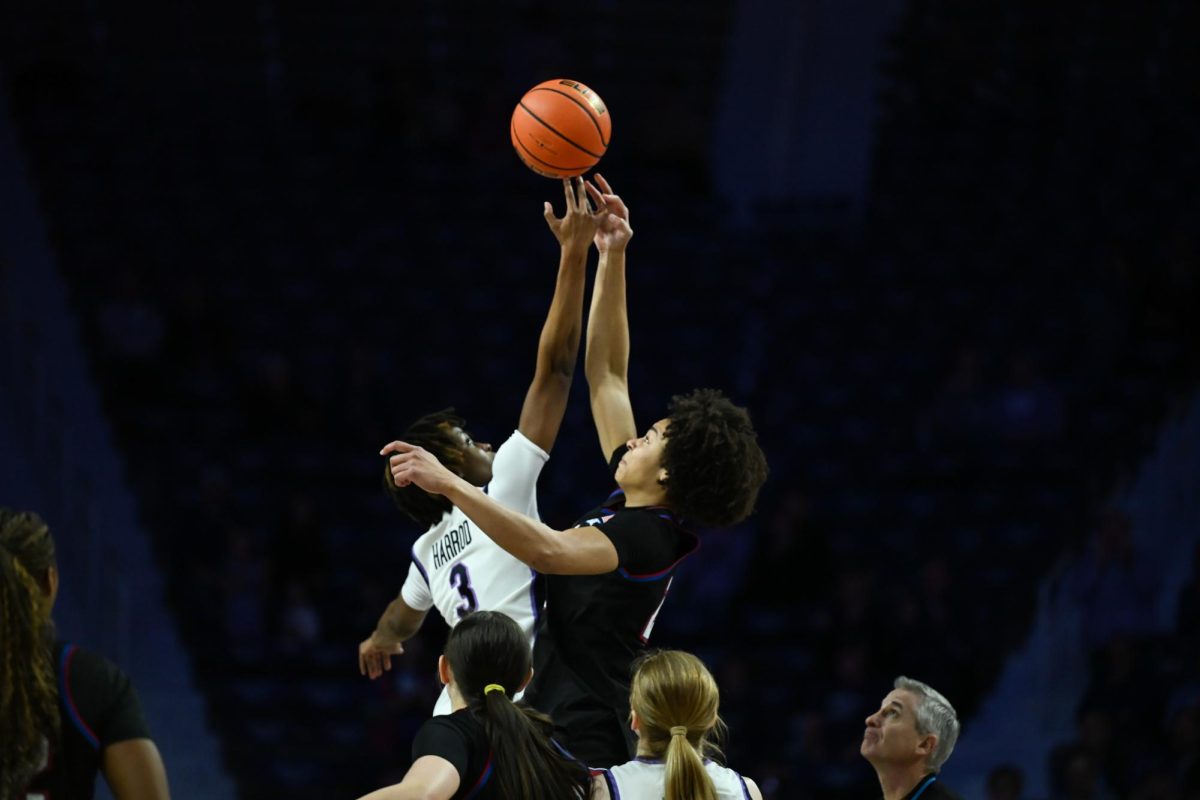
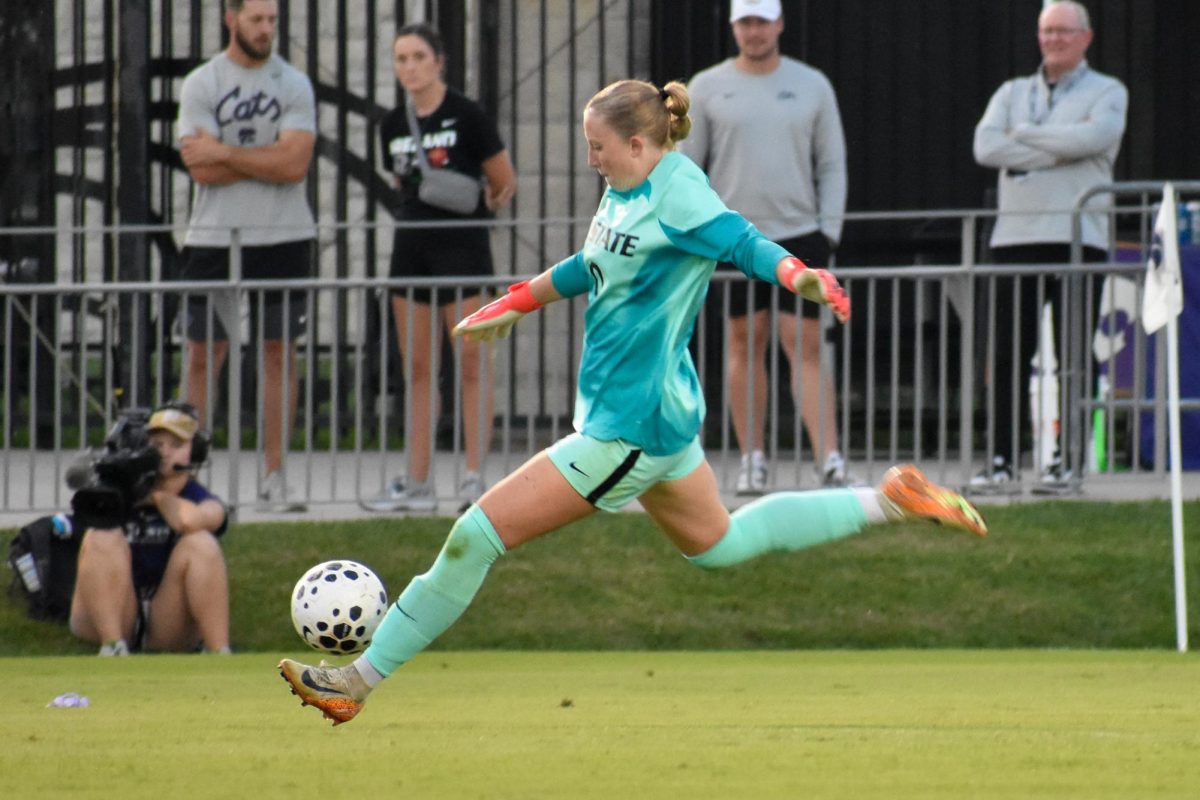
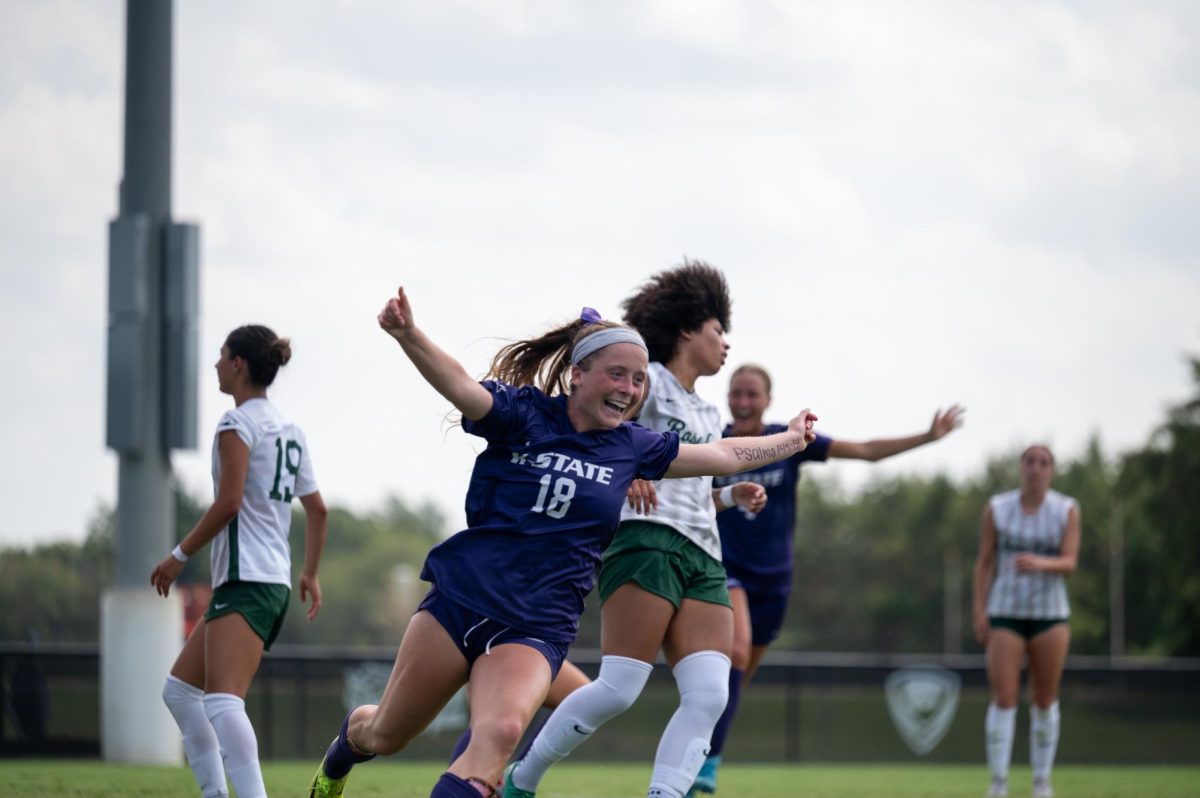
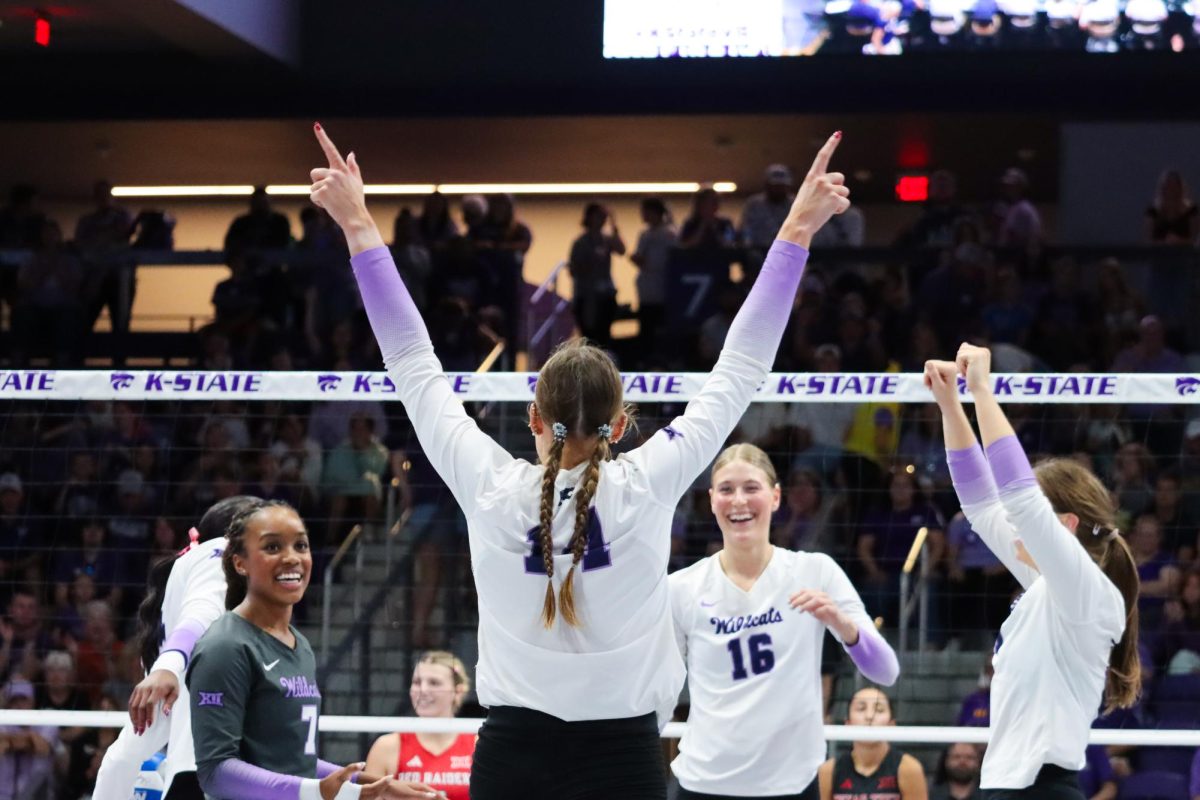
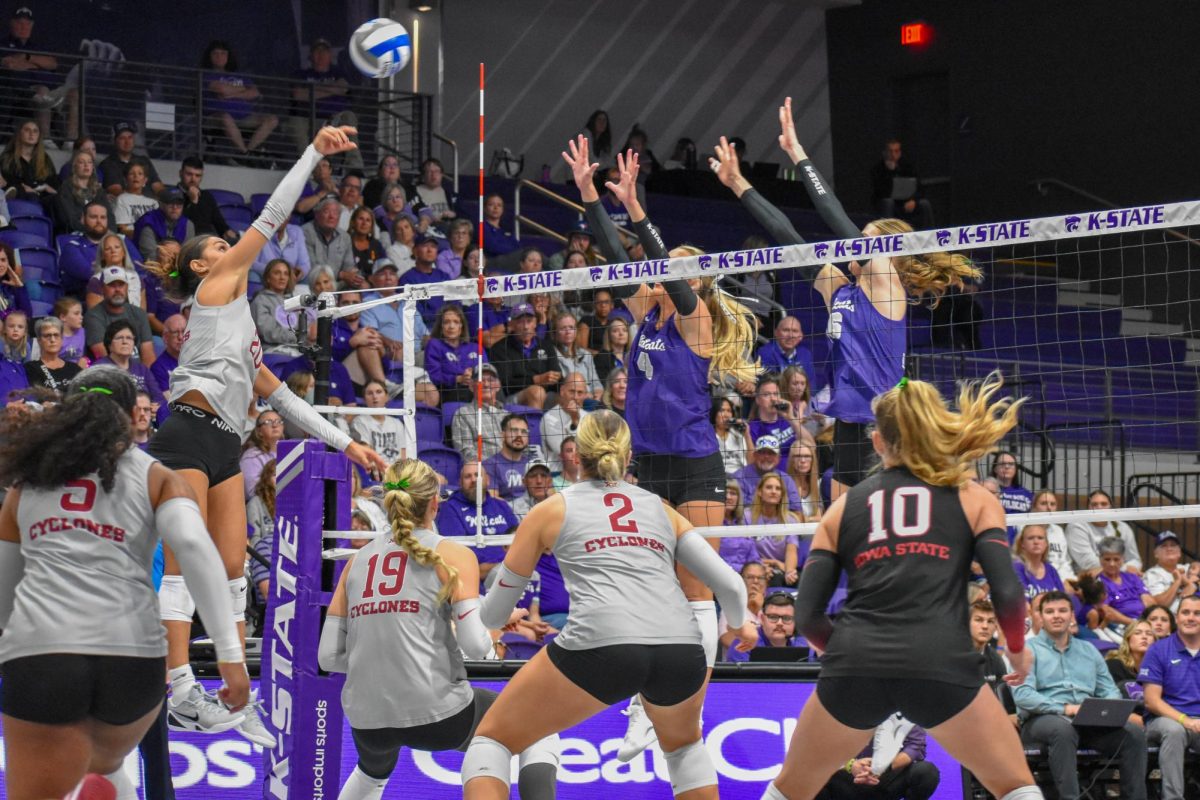
According to College Factual, there isn’t a single women’s sport that generates profit at Kansas State University. Women’s basketball, one of the most visible programs, reportedly operates at an annual deficit of about $3.5 million. This imbalance highlights a central issue: revenue in college athletics is not evenly distributed, yet spending capacity expectations are.
Although the gap in athletic participation has narrowed, challenges remain. The NCAA reports that women make up about 47% of Division I student-athletes. However, achieving compliance with Title IX — which requires equitable opportunities — can be complex.
Some universities have reduced or eliminated certain men’s programs, such as wrestling, gymnastics and swimming, in an effort to balance participation numbers and scholarship distribution. In pursuit of “equality,” Title IX has sometimes resulted in cuts to smaller programs instead of broader growth in athletics. A better solution may be to advocate for greater support and visibility for all underrepresented sports, rather than framing the issue primarily as a gender-based movement.
The original intent of Title IX was to correct inequality between men and women in education, but it has since turned into affirmative action for women in sports, presenting a complicated numbers game for athletic departments: Their student-athletes had to reflect the same gender disparity as that of the school plastered on their uniforms.
For example, if a college campus were 56% women, then roughly 56% of the student-athletes should also be women. Is this even achievable when the two most profitable sports — football and basketball, which consume roughly 80% of men’s sports budgets — require male athletes?
Without a women’s equivalent of football or men’s basketball, there will always be a struggle to control roster balance and budget allocation
High-profile athletes such as Caitlin Clark, Angel Reese and social media figures Haley and Hanna Cavinder have helped bring increased visibility to women’s sports. These athletes have demonstrated that women’s athletics can attract large audiences under the right circumstances. However, they remain exceptions rather than the norm in terms of consistent national viewership and revenue generation.
Expecting identical funding, exposure and resources across all sports does not always align with market demand. Universities operate within limited budgets, and most athletic departments rely heavily on a small number of revenue-generating programs to fund the rest.
Women deserve a place in college sports, and those opportunities should continue to grow. At the same time, conversations about equality in athletics must account for differences in revenue, interest and sustainability. Universities must consider viewership and fan interest, and athletes and fans should as well. Without that balance, the system risks becoming increasingly difficult for universities to maintain.