














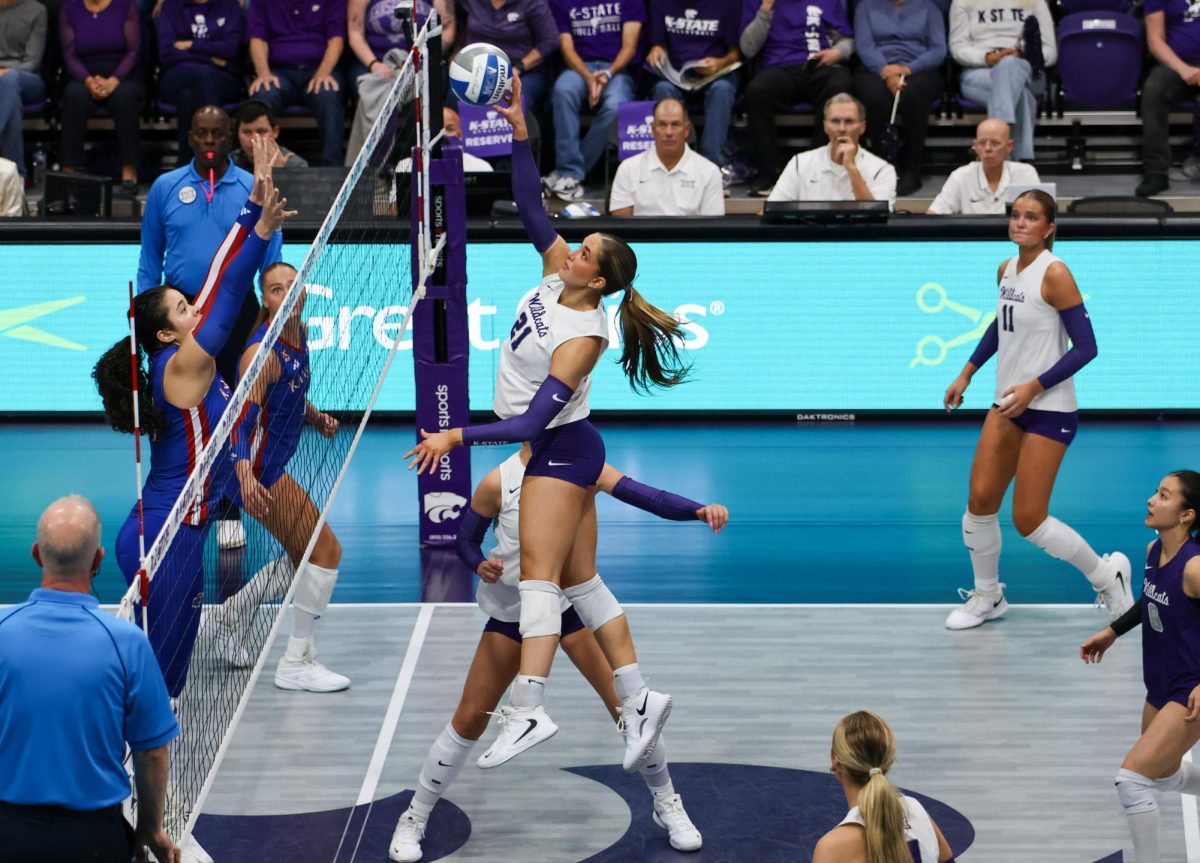
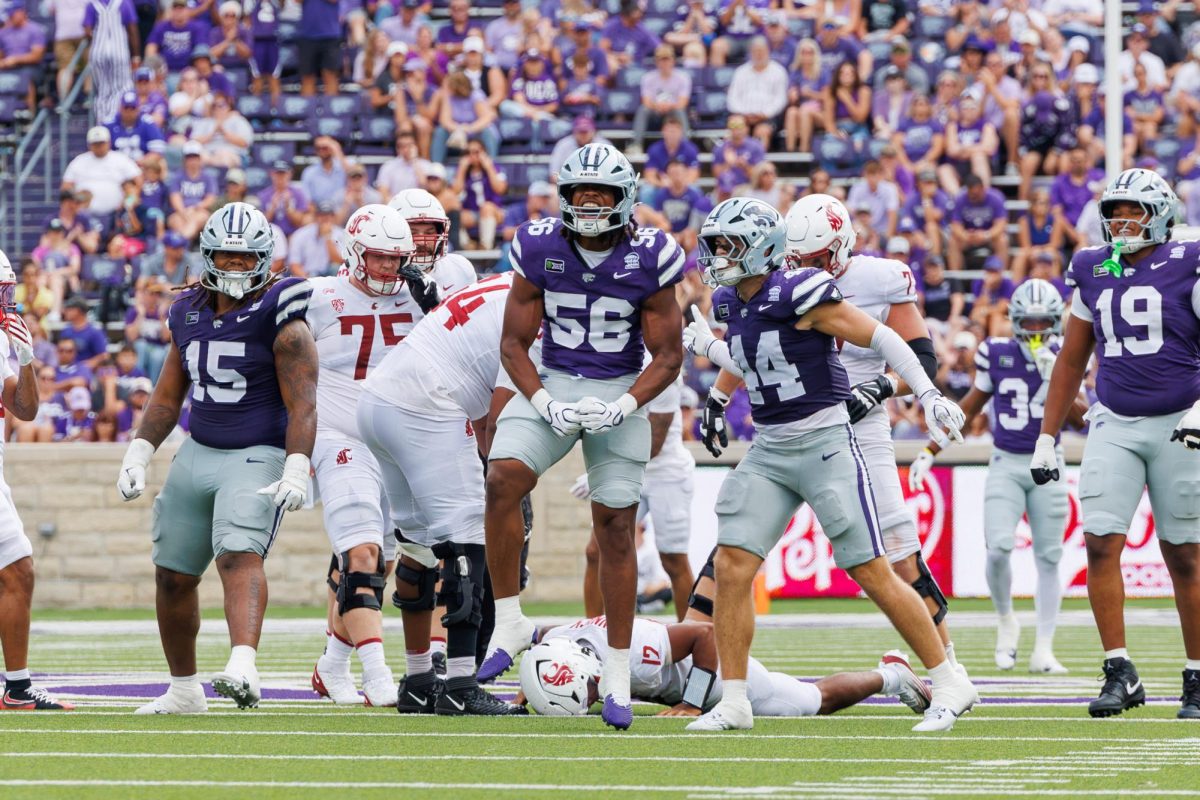
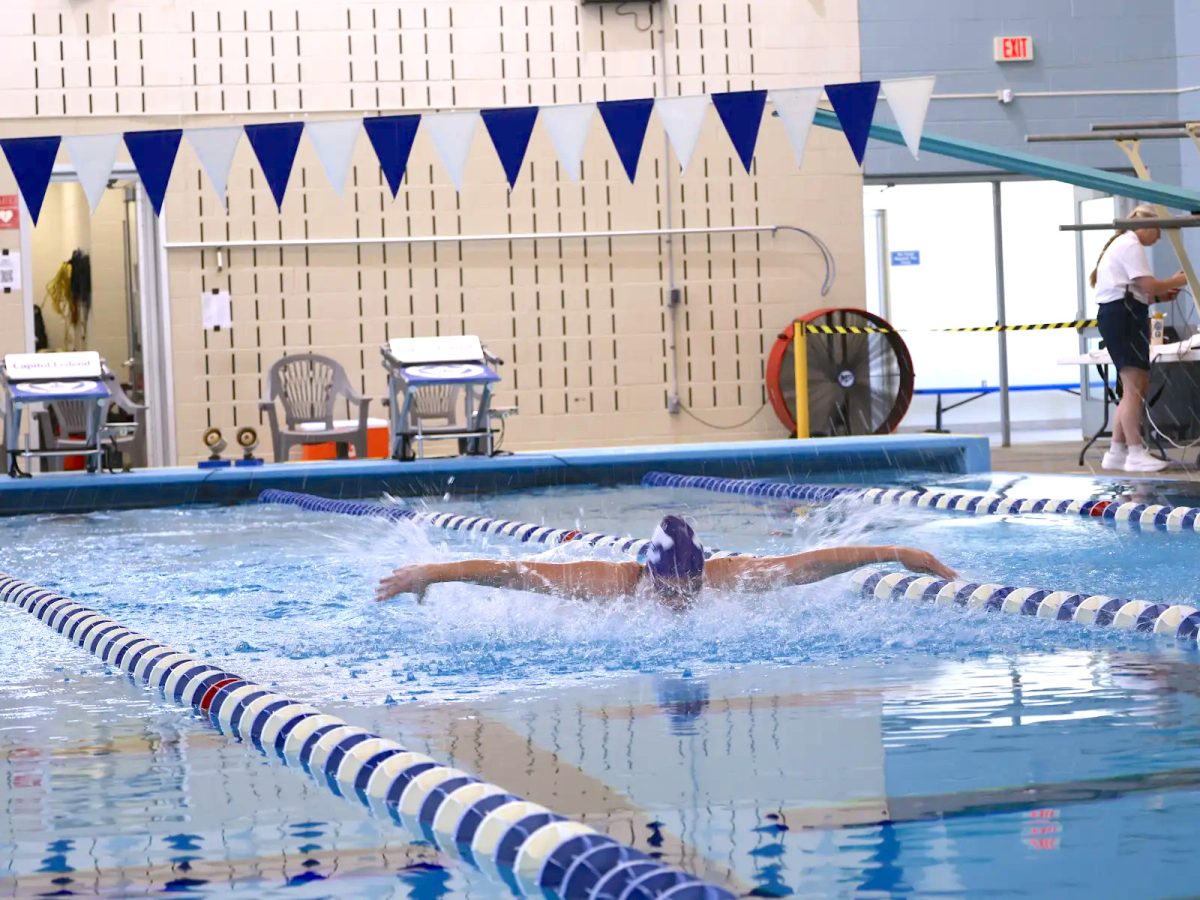
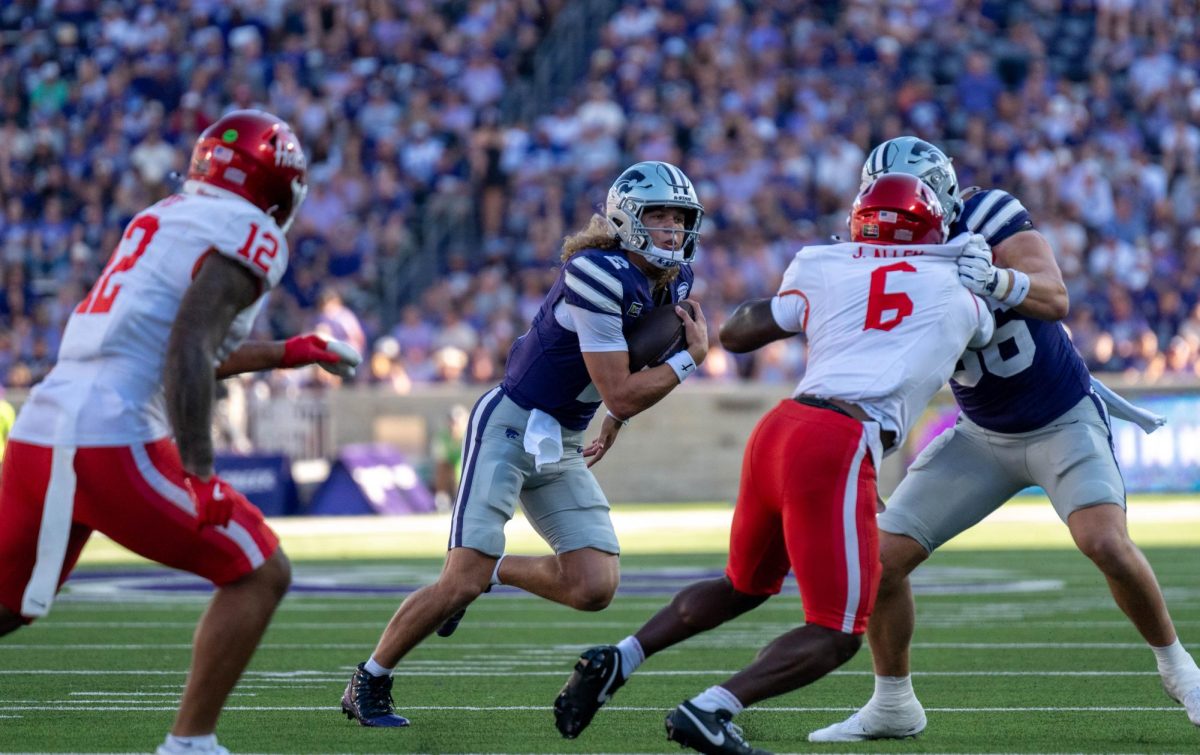
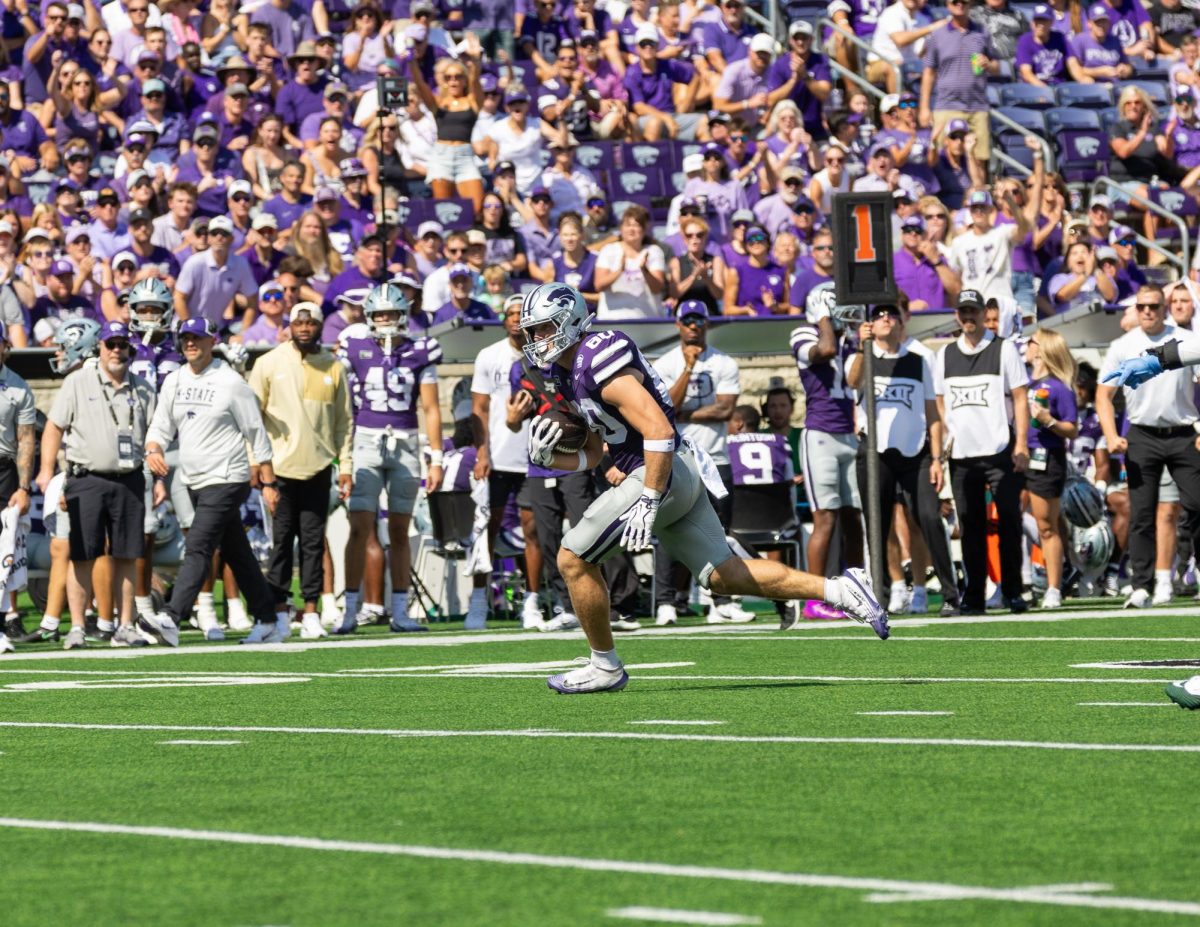





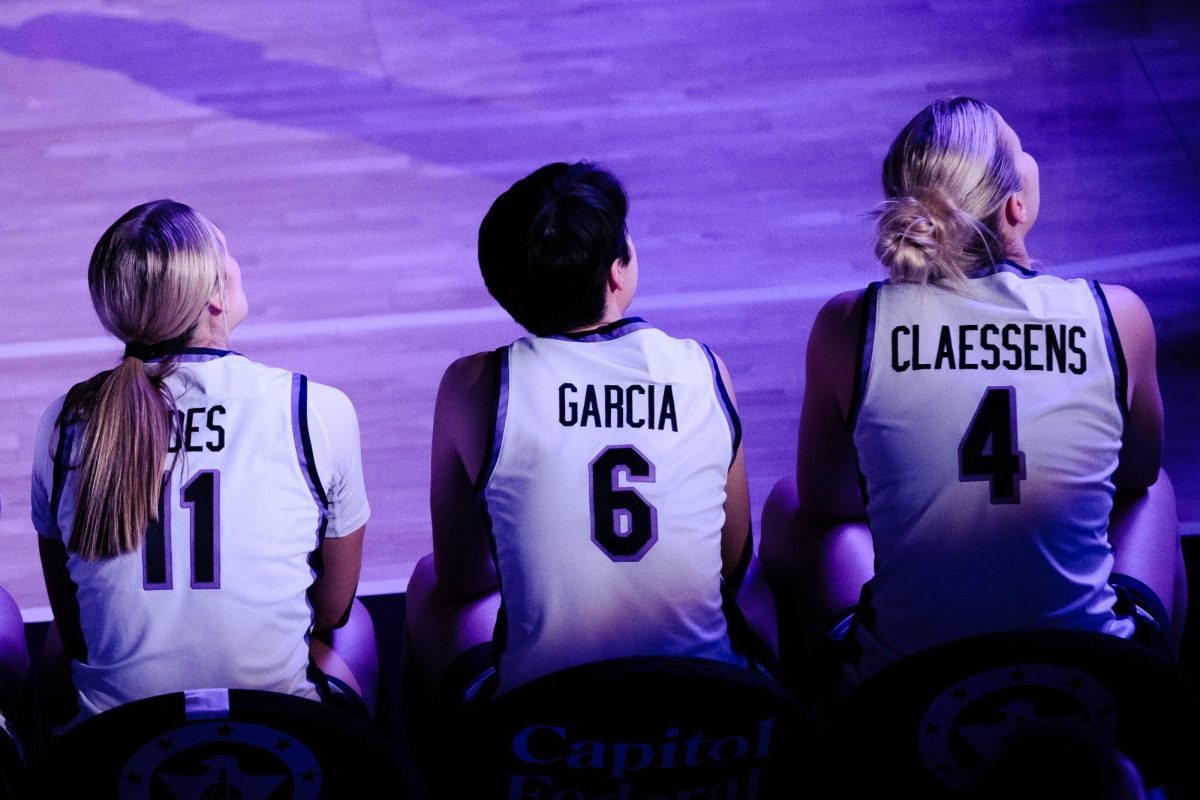
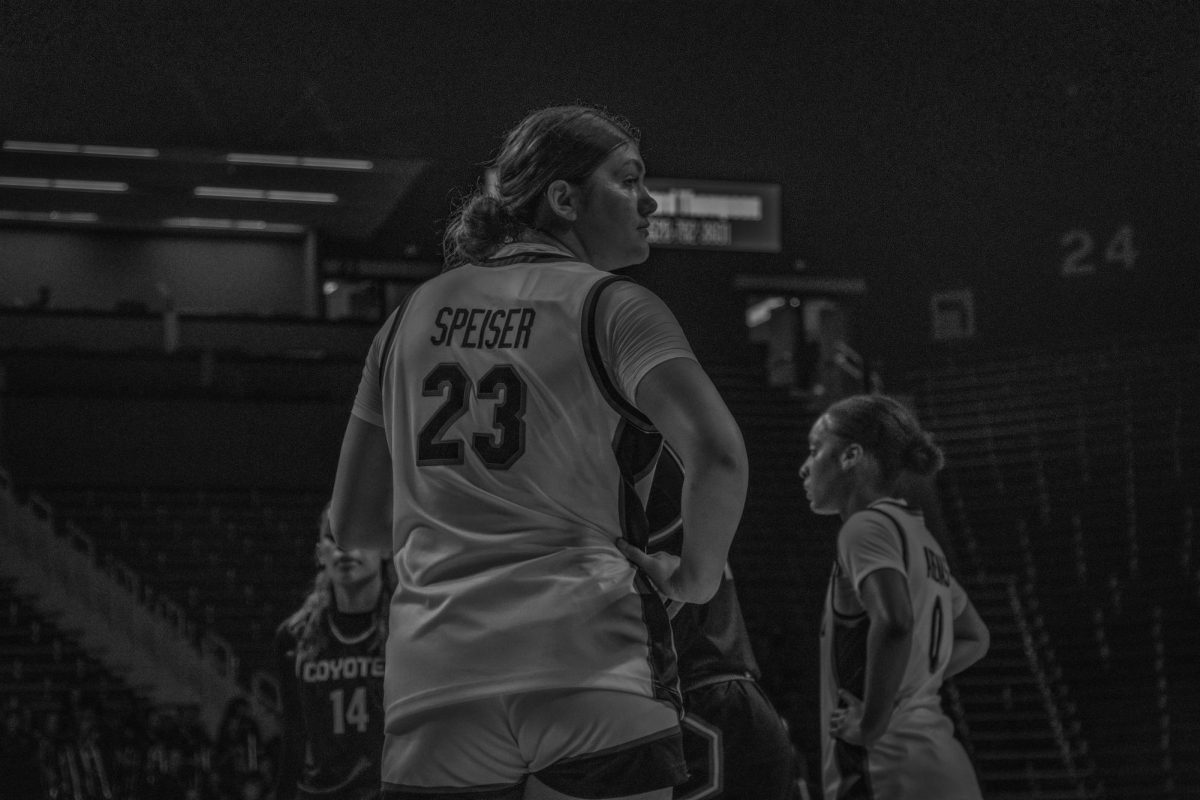

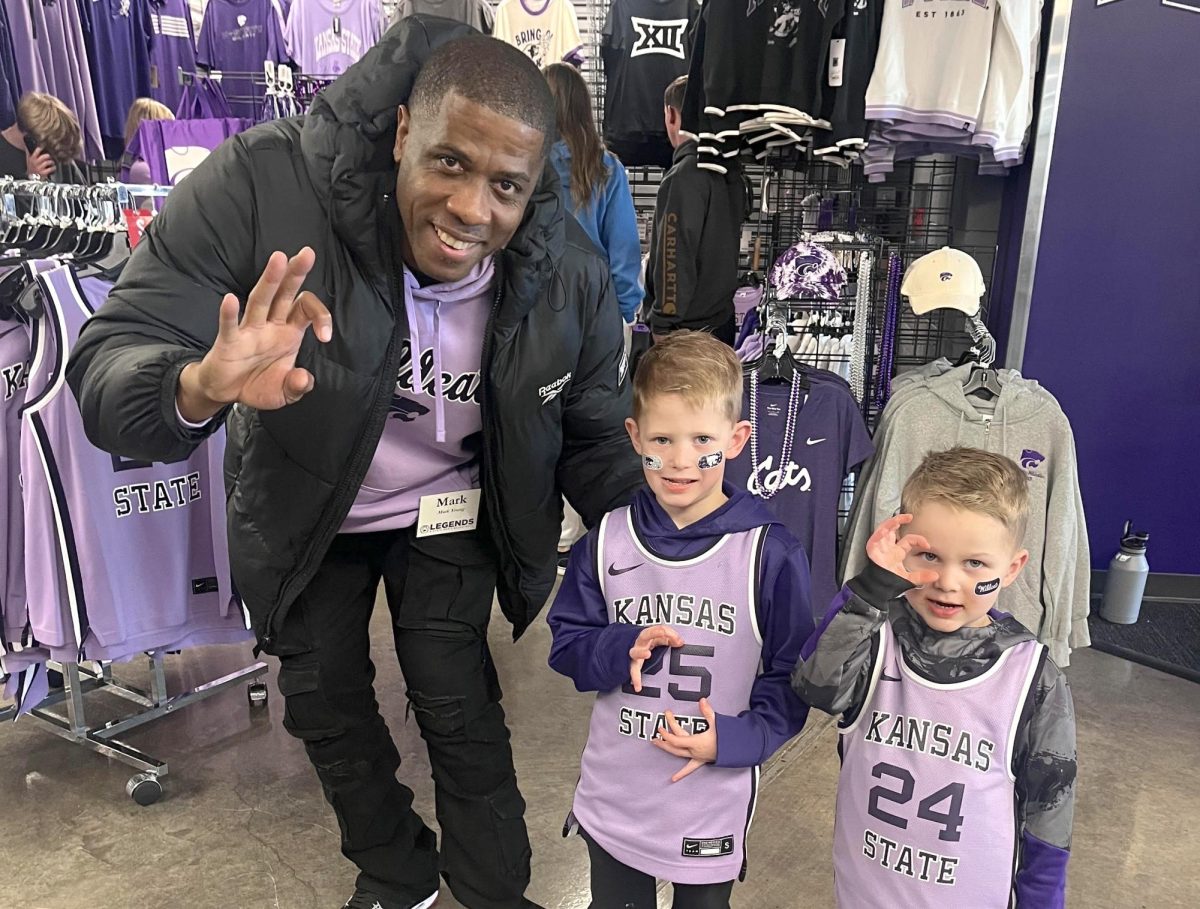


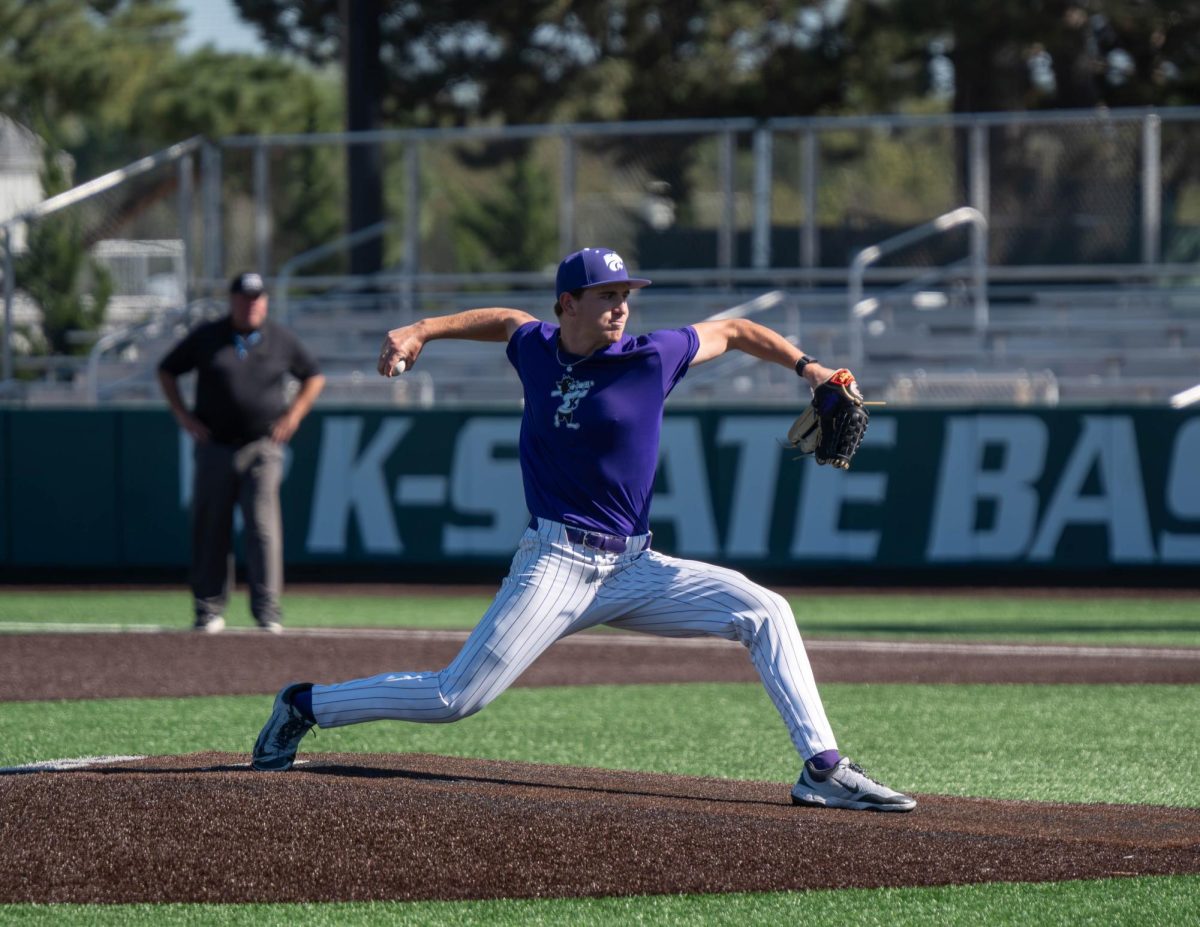
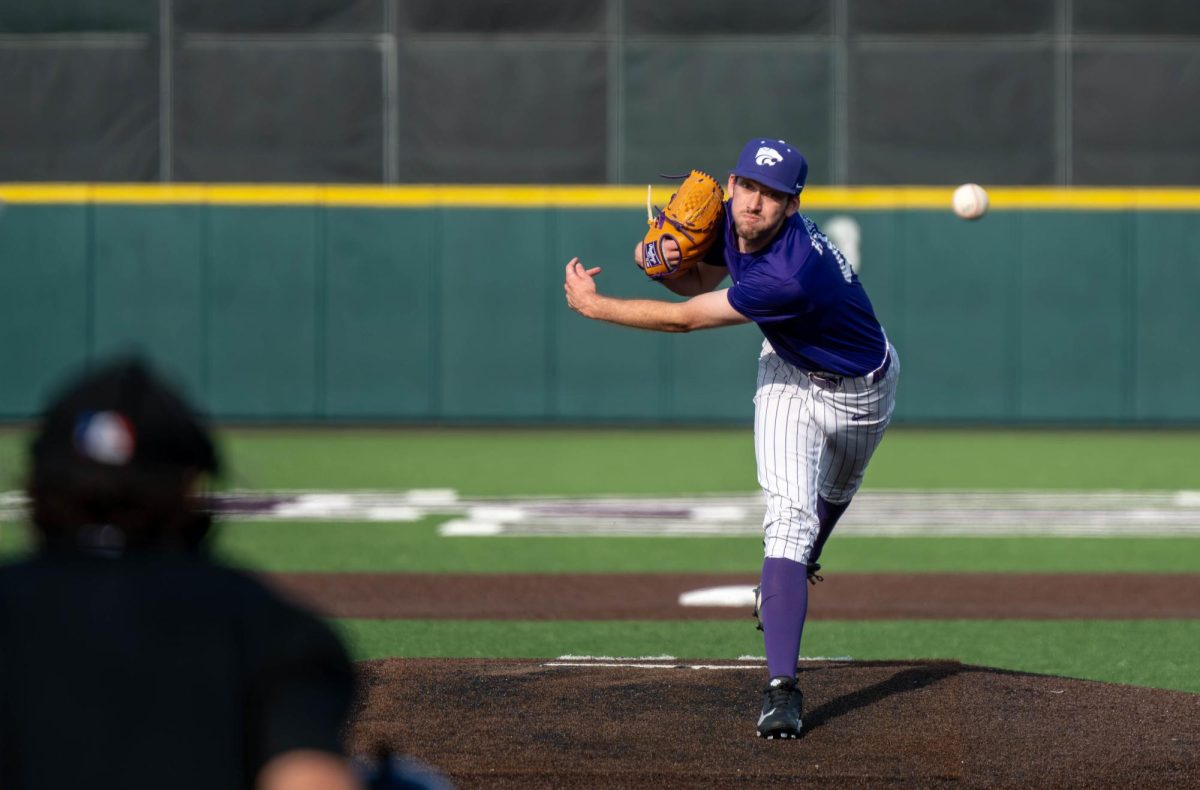
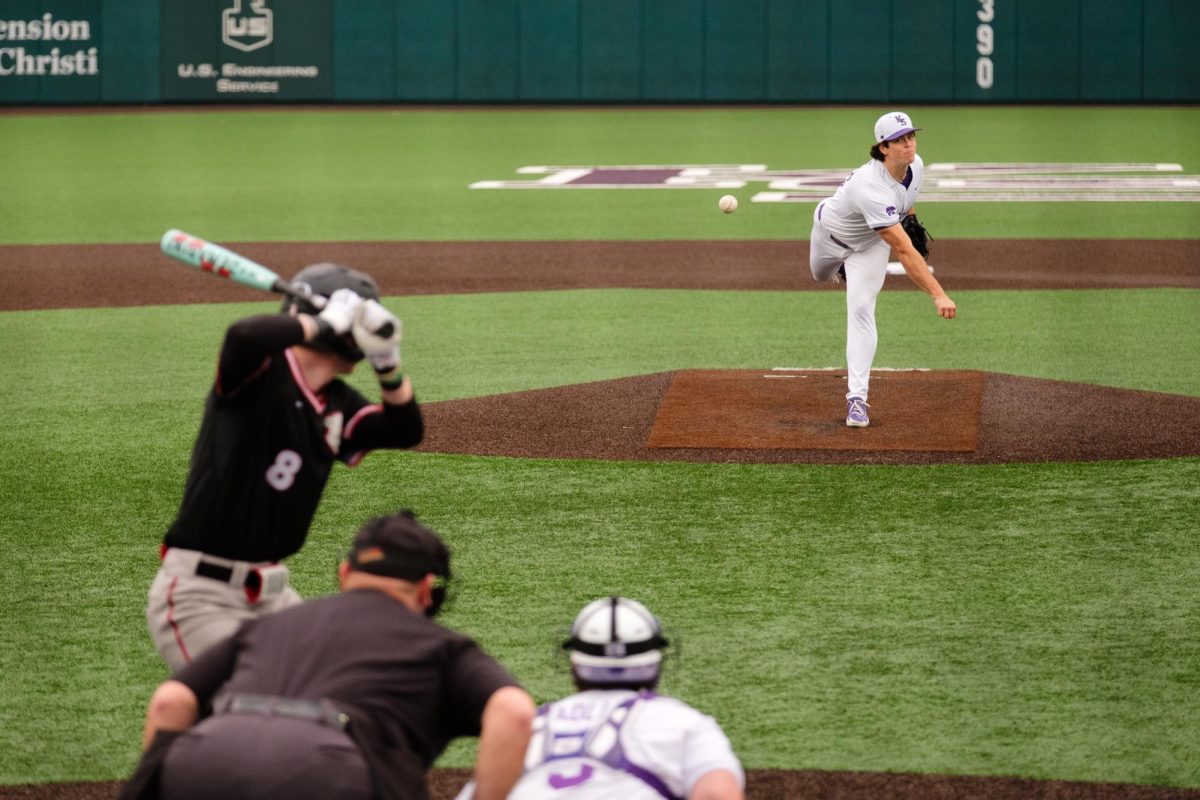
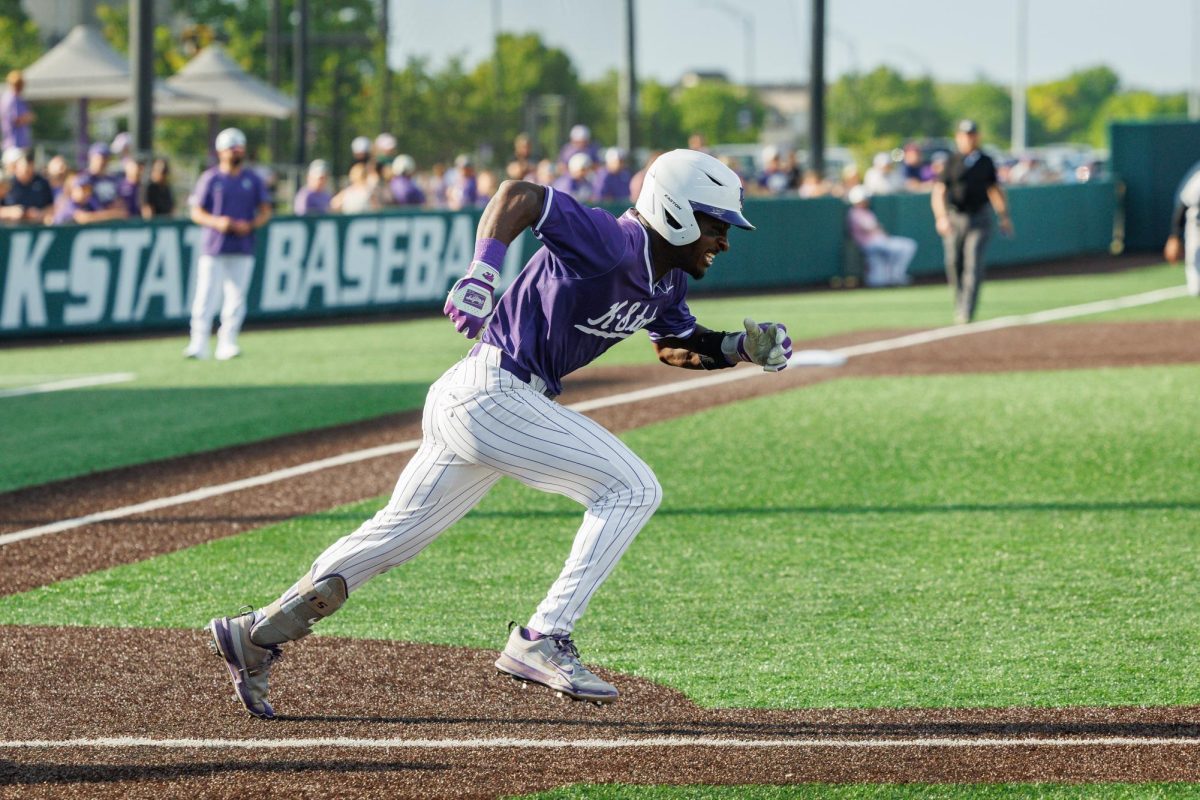
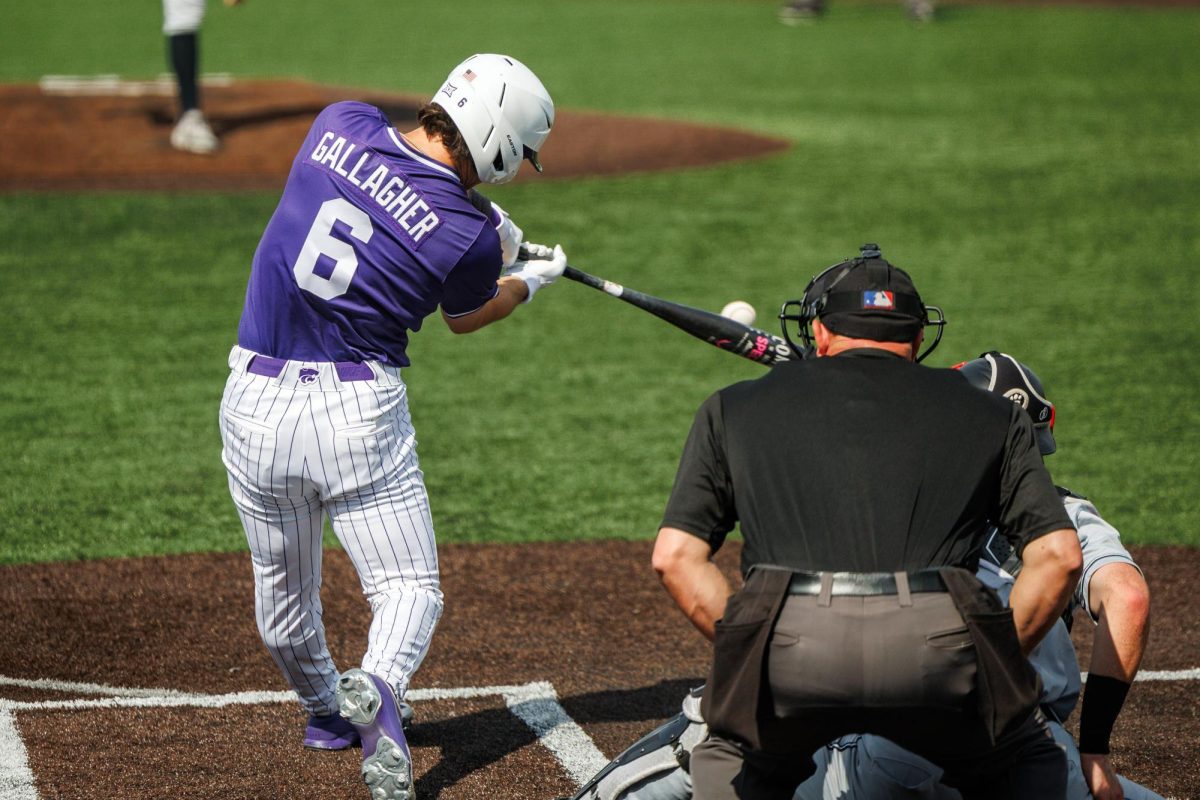
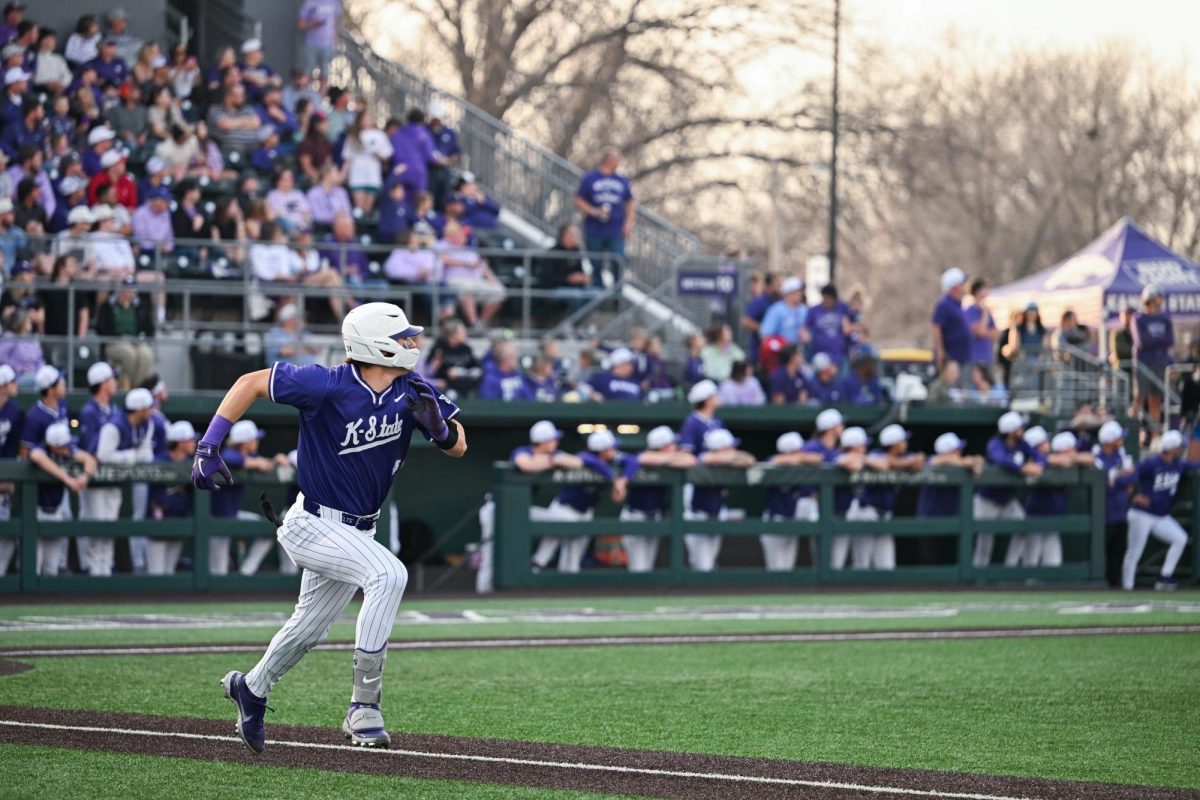
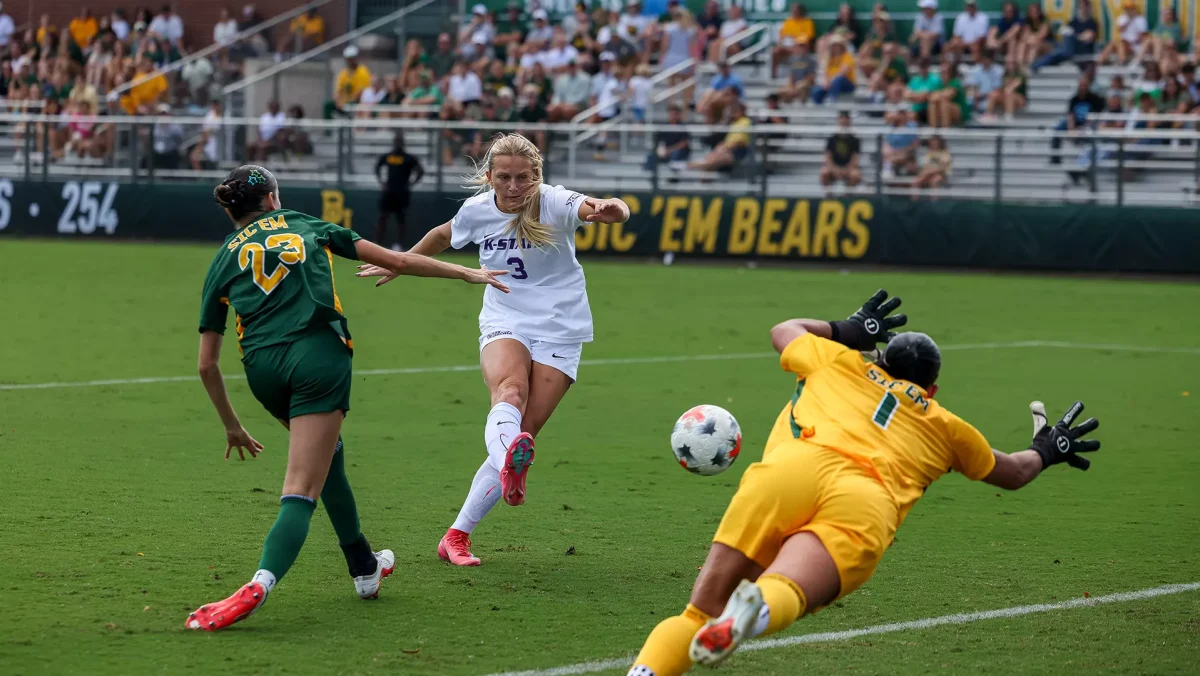
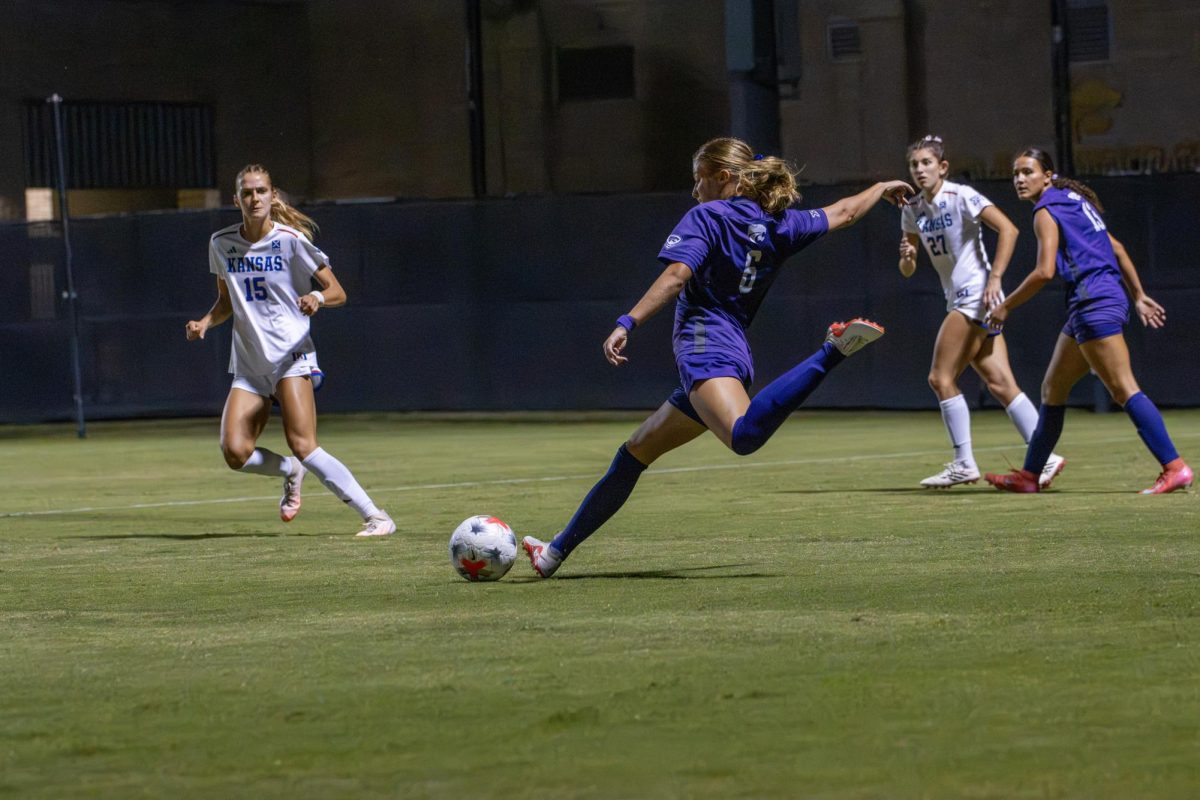
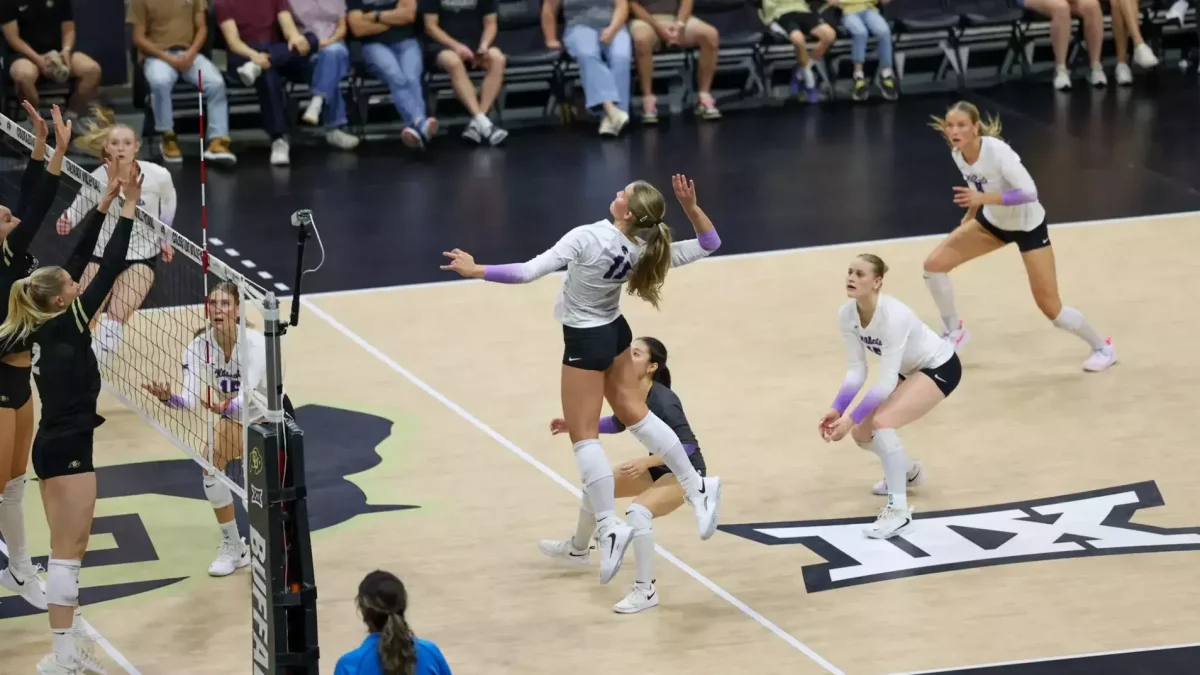
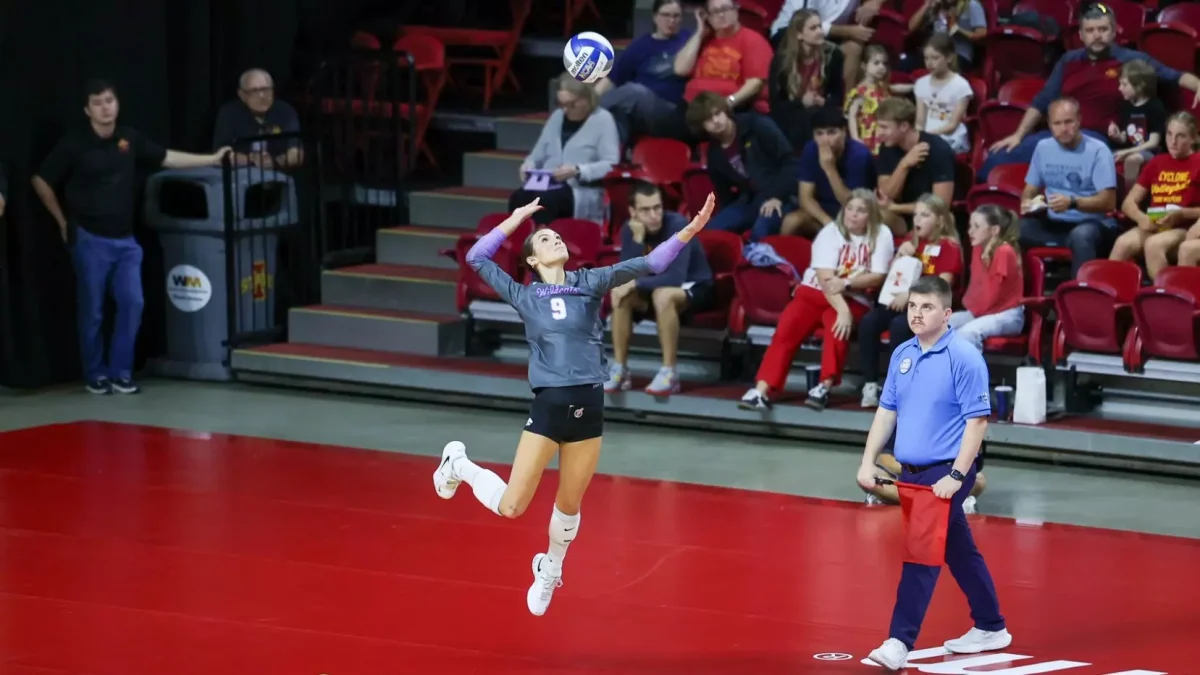
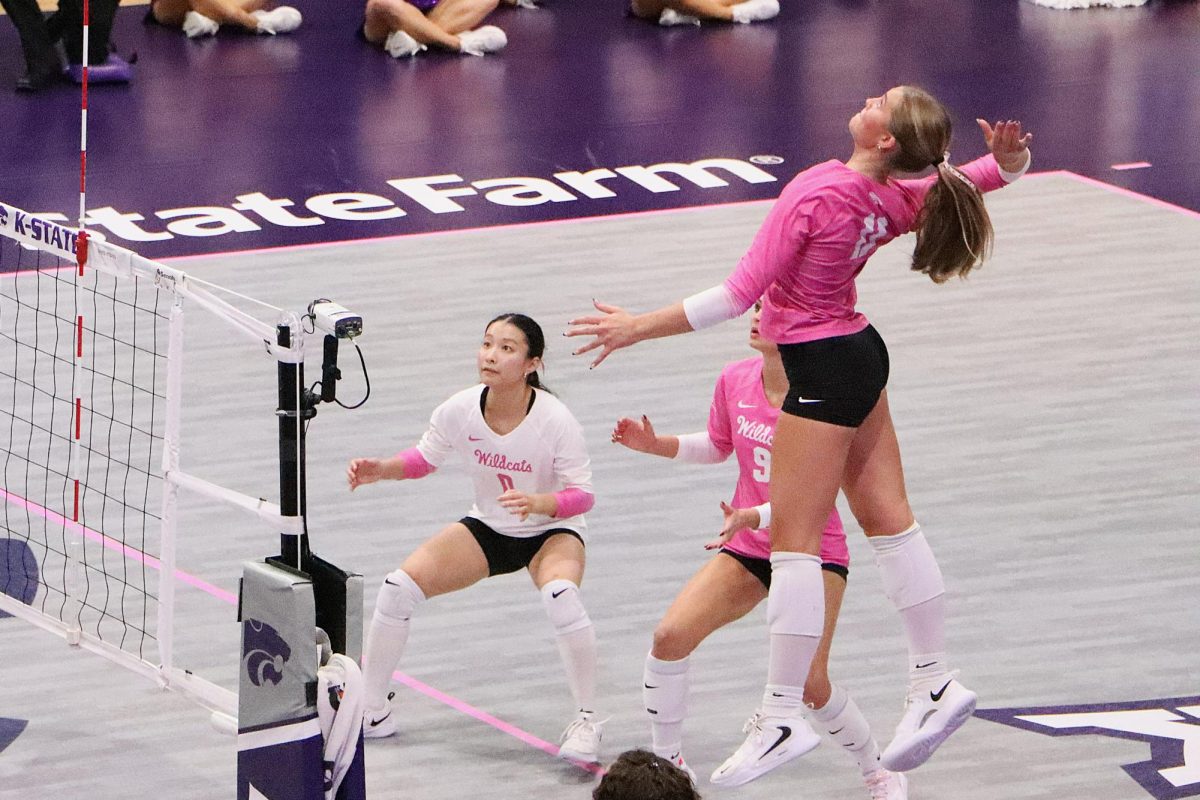
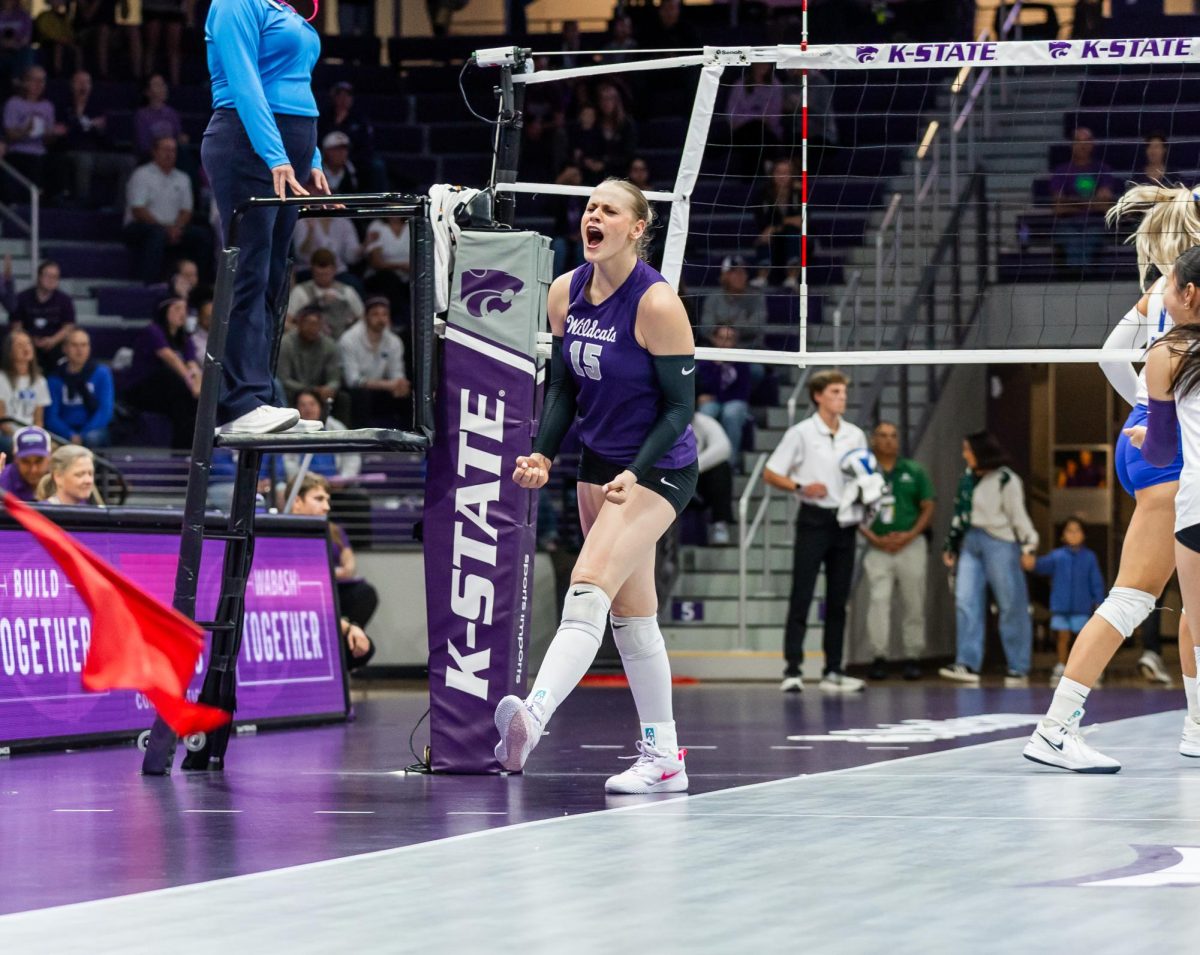
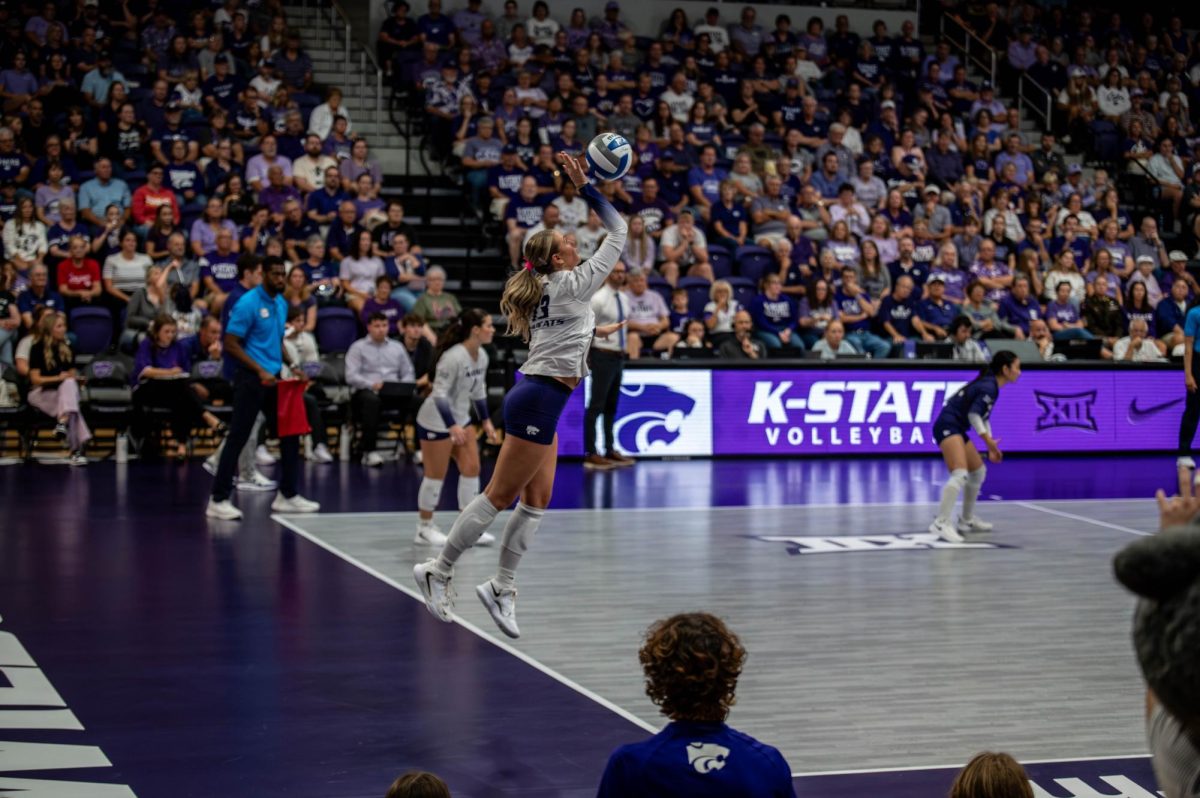
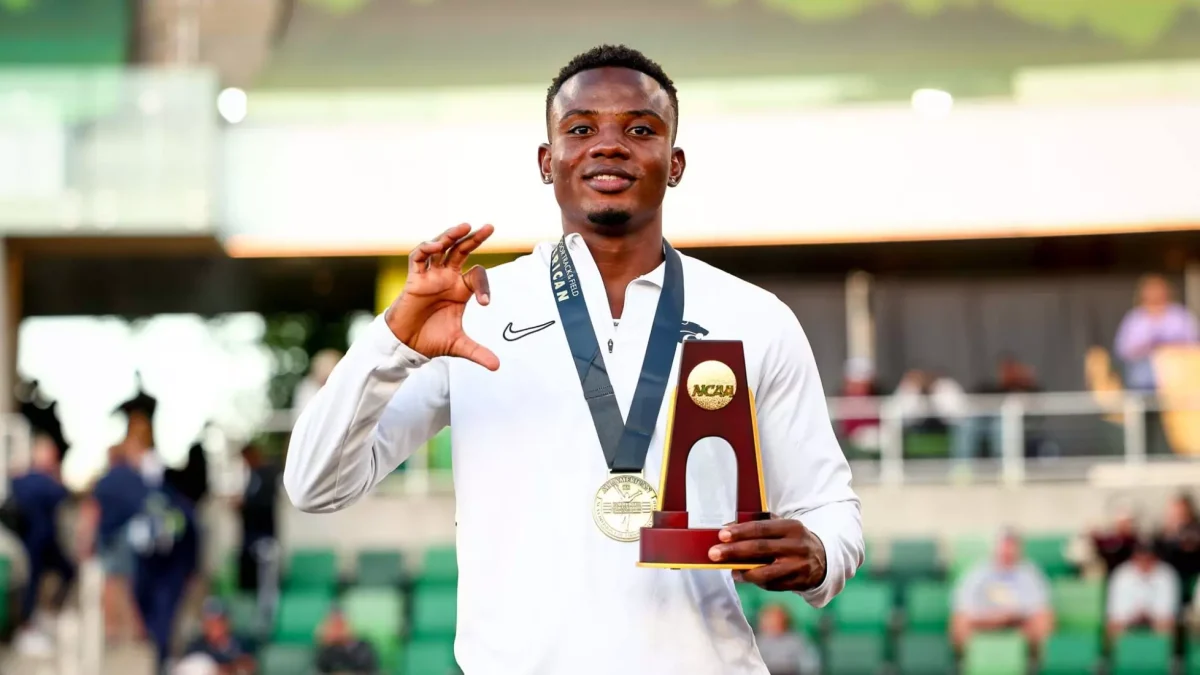
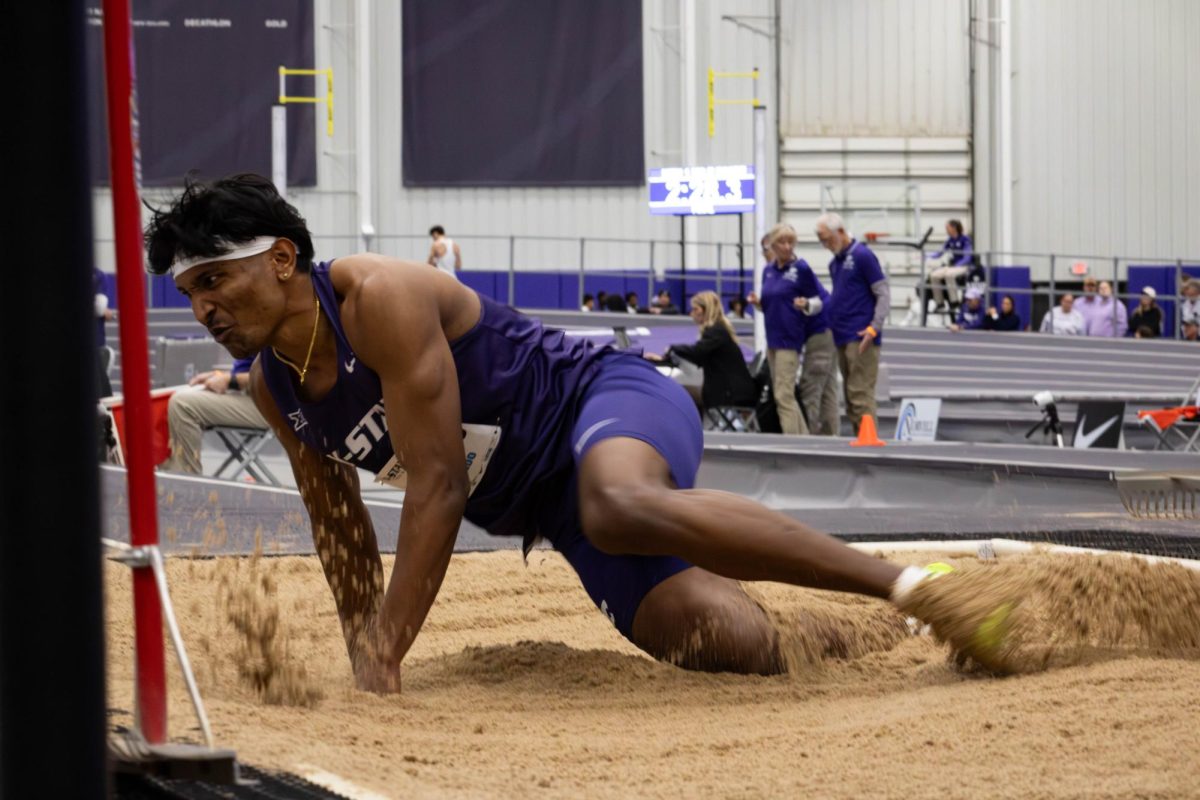
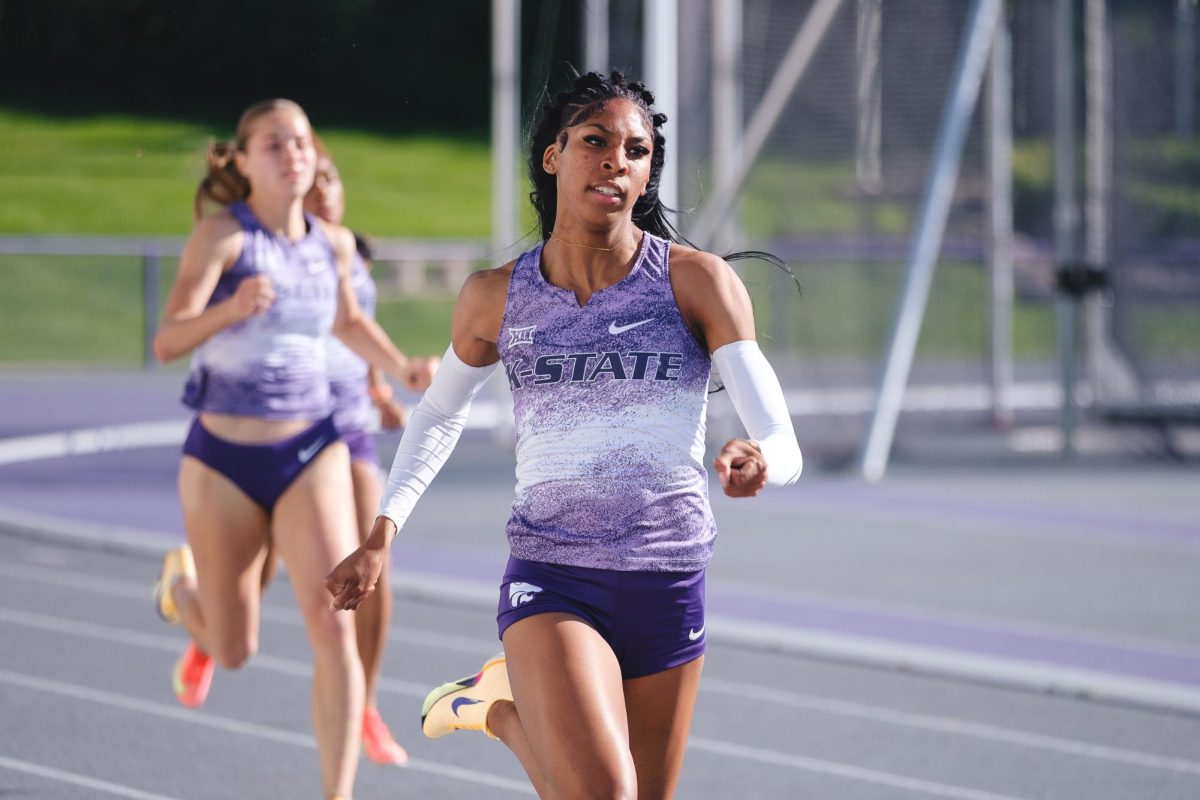




















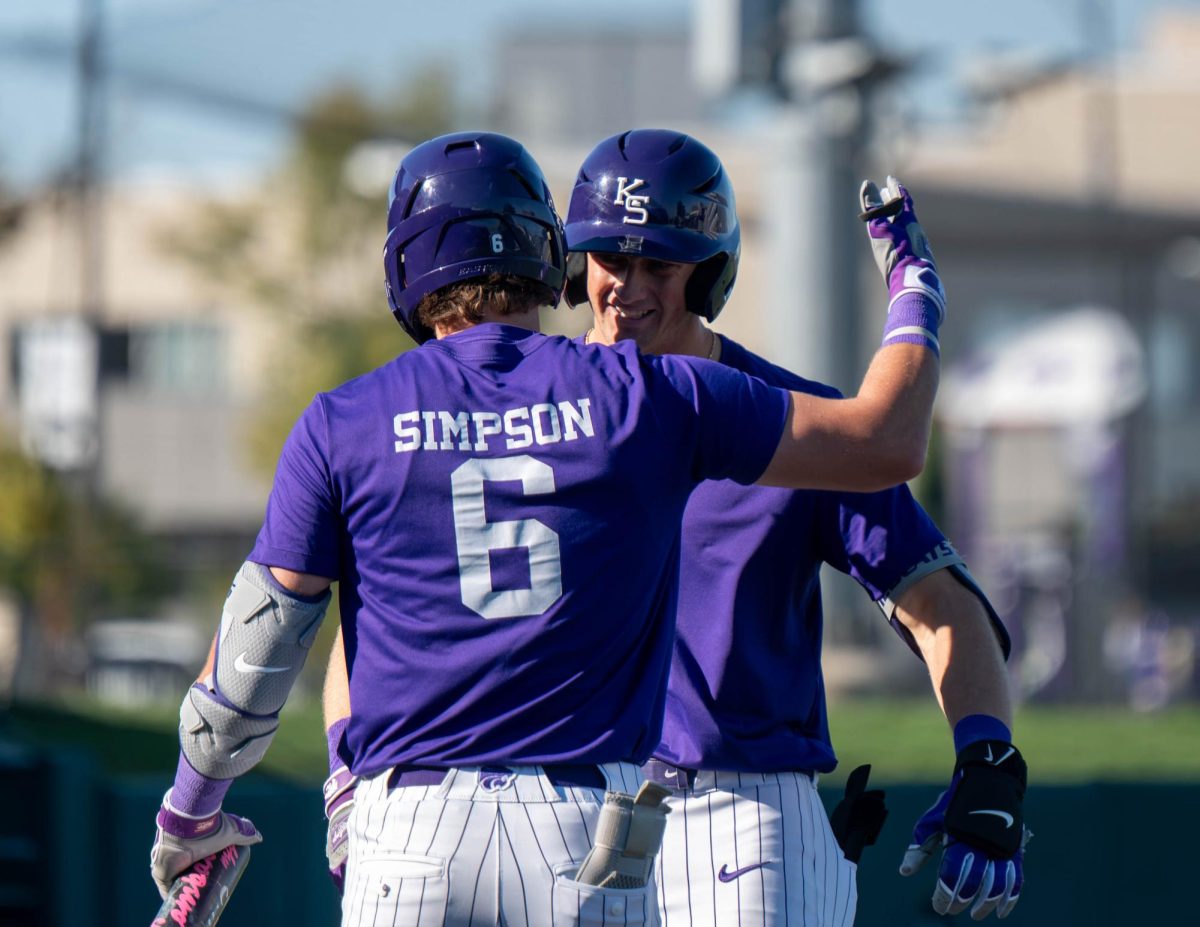
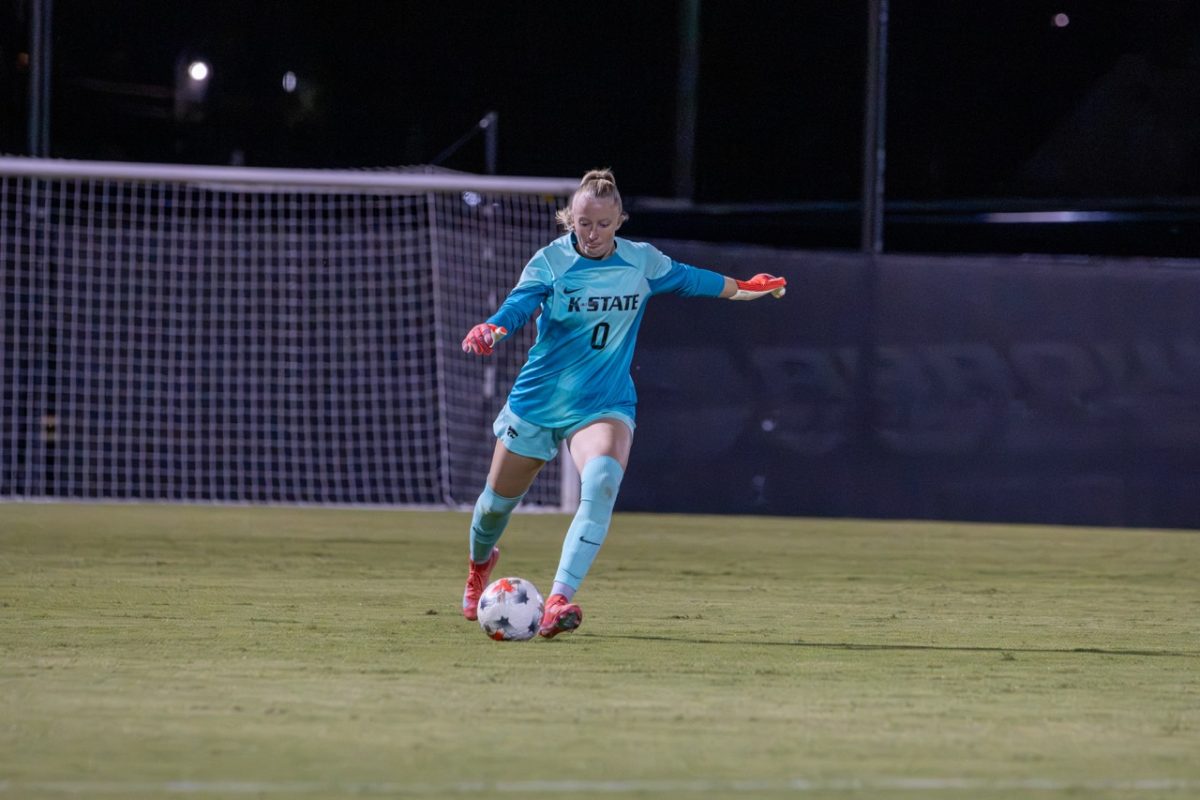
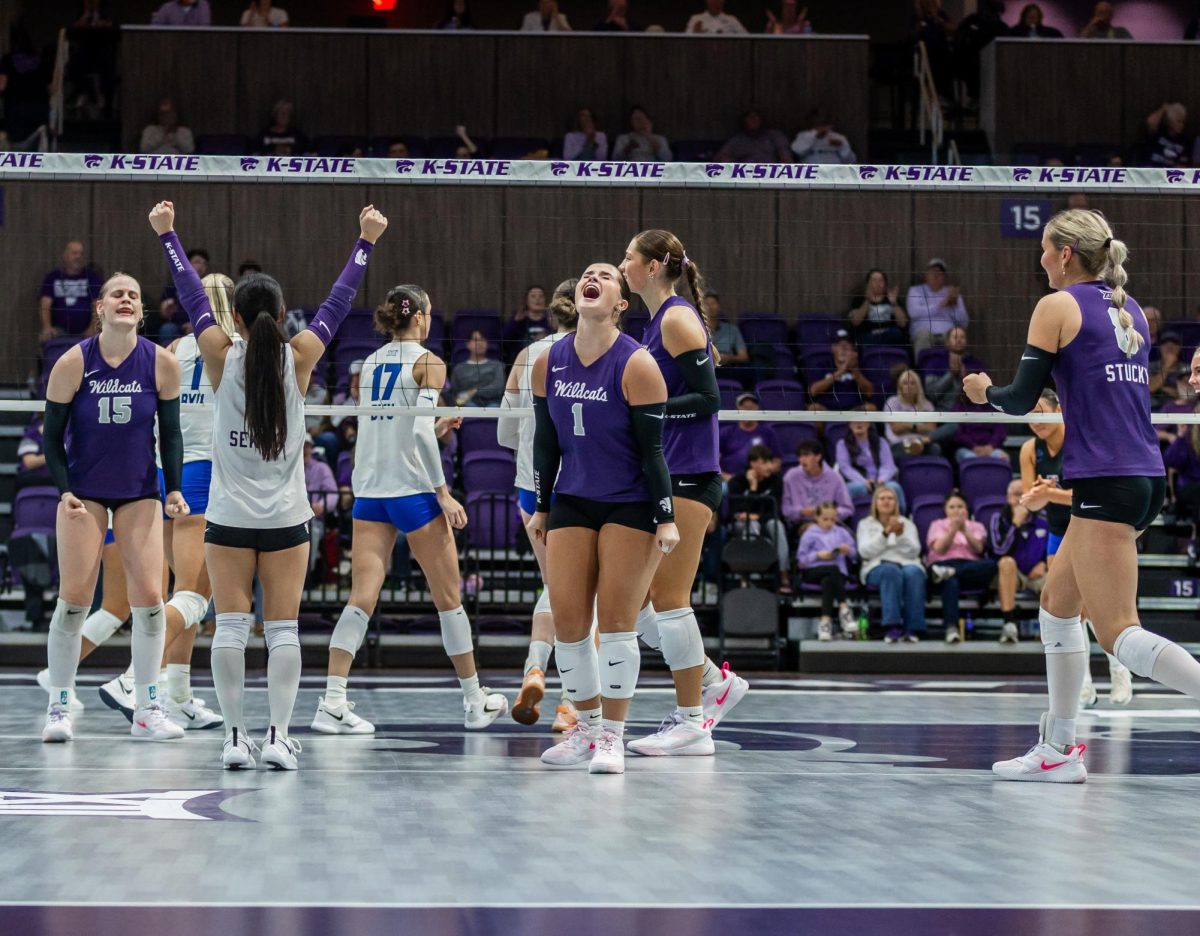
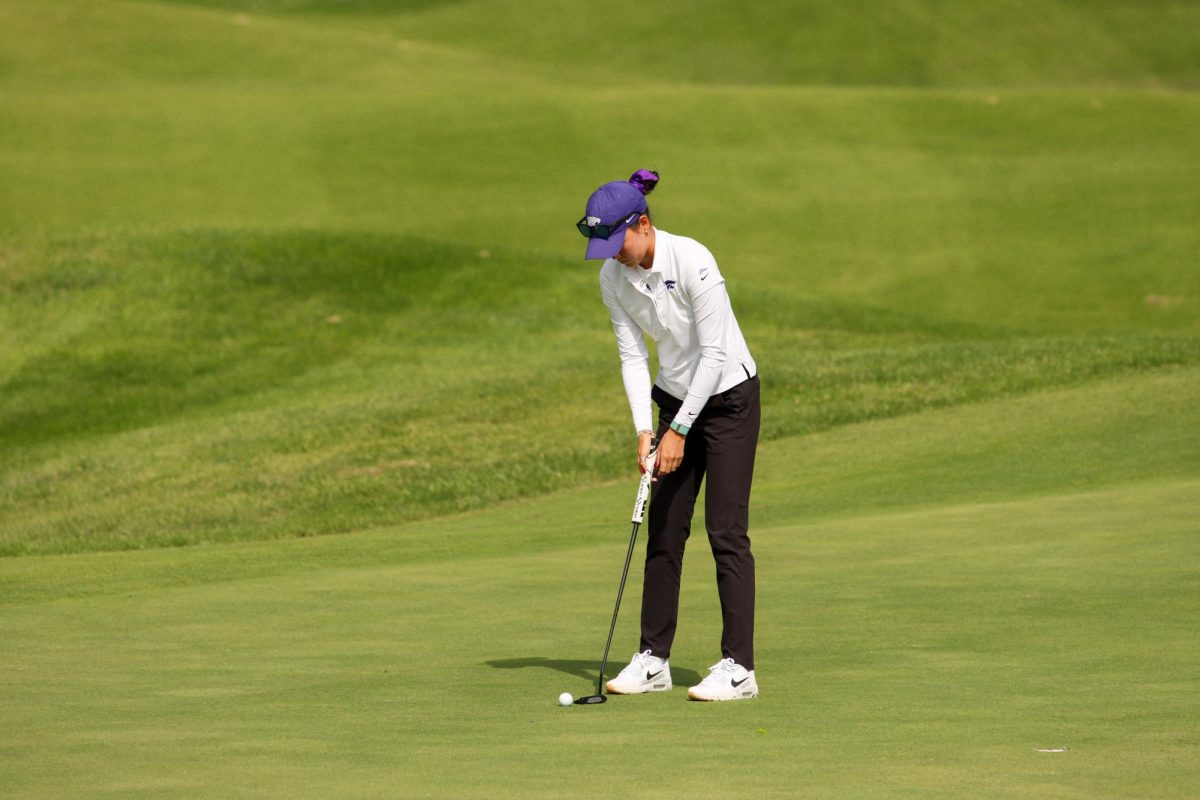





















With athletes from 39 countries across its 12 rosters, Kansas State is helping reshape the NCAA experience into a global opportunity, both on and off the court.
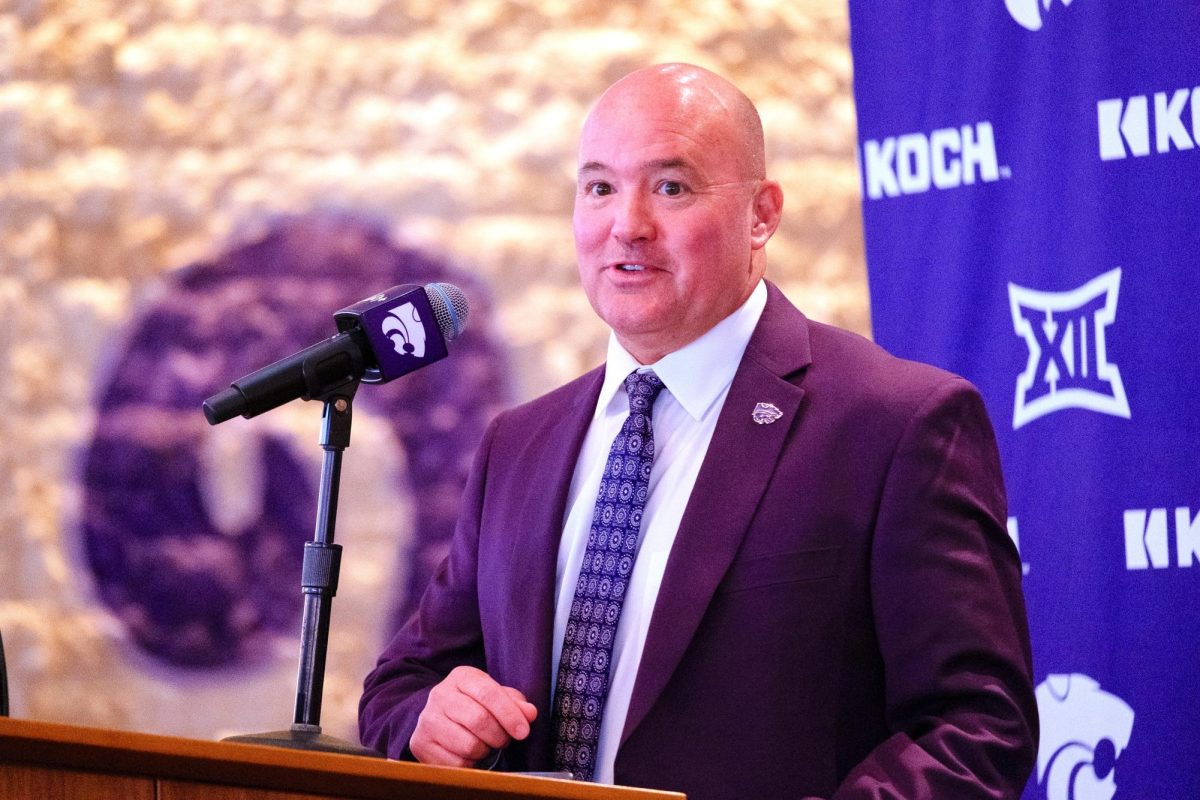
Jill Shields, deputy athletic director, said the evolving college athletics landscape is opening new doors for international talent while also changing how programs compete.
“Not only do we provide an opportunity for competitive development, but we have international students wanting to come to the United States and play because they can make more in revenue share than playing their first few years as a professional,” Shields said.
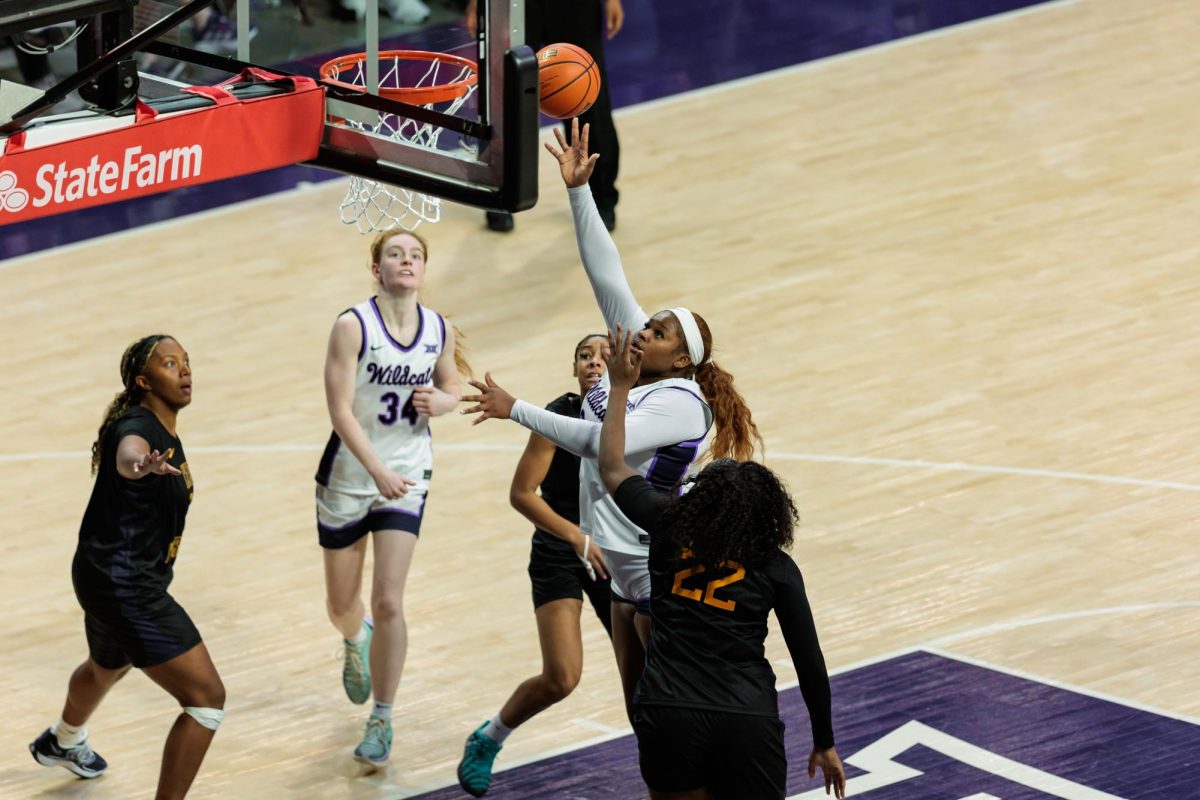
That shift is already visible within K-State programs, particularly in women’s basketball.
“There has been a great increase in our basketball teams … on the women’s side, we started a girl from Spain, Belgium, Australia — we’ve never had that before. It’s been a pretty big shift for us,” Shields said.
When it comes to recruiting, Shields credited the coaching staff with expanding their approach beyond traditional domestic pipelines.
“Before, it was always going head-to-head getting talent domestically … maybe a good avenue for Kansas State is the international route,” Shields said. “Many of our teams have had this approach, but we are seeing this expanding now.”
However, the future of international participation in college athletics remains uncertain as the NCAA evaluates potential policy changes that could significantly impact roster composition.
“There are many discussions in NCAA committees involving restrictions on the number of international athletes, level of professional experience and even age restrictions,” Shields said.
The rise of internationally experienced athletes in NCAA revenue sports is exposing gaps in eligibility rules, as many come from systems that don’t align with U.S. amateurism models. At the same time, international students on F-1 visas are largely barred from NIL activities because they are considered employment under U.S. law.
As a result, the NCAA is working to align its policies with federal immigration rules while exploring updated eligibility frameworks. These issues are expected to be a key focus at upcoming meetings, as the NCAA seeks to balance fairness for domestic athletes with the increasing presence of international competitors.
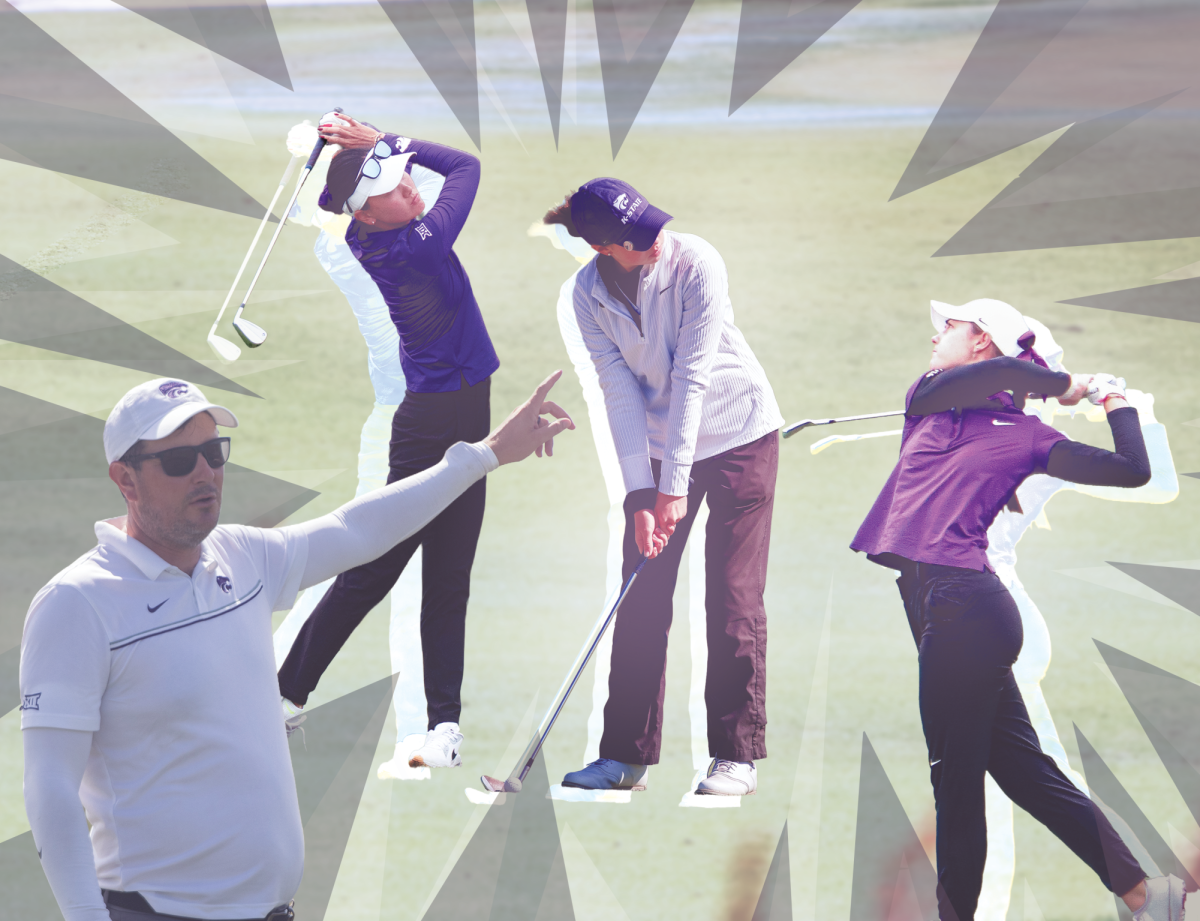
For athletes like Ville Virkkala, a freshman from Finland on the men’s golf team, the opportunity to compete in the U.S. is transformative.
“In Finland, we only have ice hockey — we only cheer for ice hockey,” Virkkala said. “Here, there are so many more opportunities for so many sports. I only get to play golf six months of the year in Finland. Getting to play year-round, even in the winter, is a great advantage and definitely helps my game progress.”
Recognizing the challenges of relocating across time zones and cultures, K-State has expanded its support systems for international athletes with the creation of programs geared to acclimate them to the community, along with resources to answer any questions they might have.
Kristin Waller, senior associate athletic director for student-athlete success and a former member of the K-State women’s basketball team, said the department has made a priority of helping athletes adjust.
“We have had our Global Cats group for about 10 years now … this is to help acclimate these students to the community and expectations of Division I athletics,” Waller said.
As international recruiting continues to grow, Waller said the department is constantly adapting to meet student-athletes’ needs.
“We try to offer consistent services across the board — we want the experience to be a good one regardless of where they are coming from,” Waller said. “We as staff members have learned from experience and are able to provide a better level of service and resources as we continue to evaluate what we are providing and how we are providing it.”
As the NCAA navigates policy decisions and programs like K-State expand their global reach, college athletics is increasingly becoming an international stage — one where opportunity, competition and cultural exchange intersect.