

















































































































College is supposed to be the best years of your life, right? Late-night study sessions, making lifelong friends, and finally having the freedom to make your own choices. But here’s the thing nobody tells you: those same years can also set you up for health problems that’ll follow you for decades.
Most college students think they’re invincible. You can survive on ramen and energy drinks, pull all-nighters without consequence, and skip the doctor because you “feel fine.” The reality hits differently when you’re 30 and dealing with chronic issues that could have been prevented.
Skipping Regular Dental Checkups
When’s the last time you went to the dentist? If you can’t remember, you’re not alone. Dental care is one of the first things college students drop from their routine. Between classes, part-time jobs, and social obligations, scheduling a cleaning seems like the least urgent thing on your to-do list.
But here’s what happens when you ignore your teeth for four years: cavities don’t announce themselves until they’re causing serious pain. Gum disease develops silently. That wisdom tooth you’ve been ignoring? It could be crowding your other teeth or becoming infected. By the time you graduate, what could have been a simple cleaning might turn into thousands of dollars in dental work.
Even if you think your teeth look fine, underlying issues can be brewing. A cosmetic dentist in Katy, TX from Sapphire Family Dentistry often sees young adults in their mid-twenties dealing with problems that started during their college years. Professional cleanings do more than make your smile brighter; they catch problems before they become emergencies. Most dental insurance through parents’ plans or student health services covers preventive care, so there’s really no excuse.
Ignoring Sleep Like It’s Optional
College culture glorifies exhaustion. Everyone brags about how little sleep they got studying for exams or finishing that paper at 4 AM. But chronic sleep deprivation isn’t a badge of honor; it’s quietly damaging your body in ways you won’t notice until later.
When you consistently get less than seven hours of sleep, you’re not just tired. You’re weakening your immune system, increasing your risk for anxiety and depression, and even affecting your metabolism. Students who skimp on sleep often gain weight, struggle with focus, and get sick more frequently. The worst part? You’re training your body to function poorly, creating patterns that become harder to break as you age.
Quality sleep isn’t lazy; it’s essential maintenance for your brain and body. Your future self will thank you for establishing good sleep habits now rather than trying to fix chronic insomnia at 35.
Living on Processed Food and Caffeine
Instant noodles, frozen pizza, and coffee for every meal might get you through midterms, but your body is keeping score. College students often joke about their terrible diets, but nutritional deficiencies aren’t funny when they lead to fatigue, hair loss, weakened bones, and a compromised immune system.
You don’t need to become a health nut or spend hours meal prepping. Simply adding fruits, vegetables, and protein to your regular rotation makes a massive difference. Your brain needs proper fuel to function, and despite what it feels like, Red Bull is not a food group. The dietary habits you form now often stick with you, so learning to feed yourself properly in college sets you up for lifelong health.
Treating Mental Health as Something to Deal With Later
College is stressful. Academic pressure, social dynamics, financial stress, and figuring out your future all at once can be overwhelming. Yet many students push through anxiety, depression, and burnout without seeking help because they think asking for support means they’re weak or failing.
Mental health issues don’t improve from being ignored. They compound. That manageable stress becomes chronic anxiety. Those occasional sad days turn into depression. Most colleges offer counseling services, yet they remain underutilized because students wait until they’re in crisis mode. Taking care of your mental health isn’t optional; it’s just as important as treating a broken bone.
Skipping Exercise Because You’re “Too Busy”
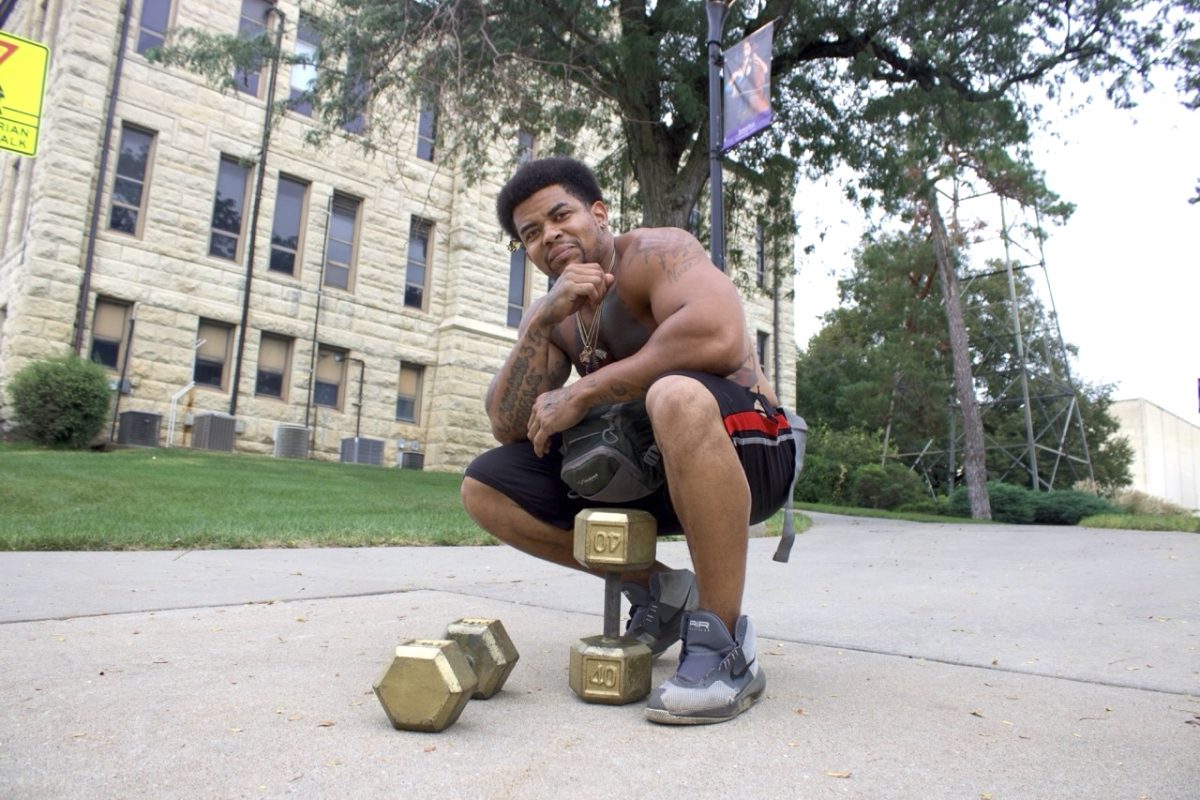
Between high school gym class and your first desk job, college is often a four-year exercise drought. You’re walking around campus, so that counts, right? Unfortunately, not really. Regular physical activity affects everything from your mood to your metabolism to your long-term risk for chronic diseases.
You don’t need a gym membership or to become a fitness influencer. Even 20 minutes of movement most days reduces stress, improves sleep, boosts your mood, and keeps your body functioning properly. The students who maintain some form of regular exercise typically report better academic performance and mental health. Movement is medicine, and unlike most medicine, it’s free.
The Bottom Line
College is demanding, and it’s easy to let health slide when you’re juggling so much. But these aren’t small issues that magically fix themselves after graduation. The habits you ignore now create the health problems you’ll deal with later. Taking care of yourself isn’t about being perfect; it’s about making choices your future self won’t regret. Start with one thing and build from there. Your 30-year-old self is counting on you.