























































































































Remote learning has become a permanent fixture of student life, offering the freedom to study from virtually anywhere. But trading lecture halls for living rooms, coffee shops, or hotel lobbies brings a different kind of challenge. One that requires a little more self-discipline, a little more awareness, and the right habits to keep you focused and secure wherever your studies take you.
1. Create a Dedicated Study Space
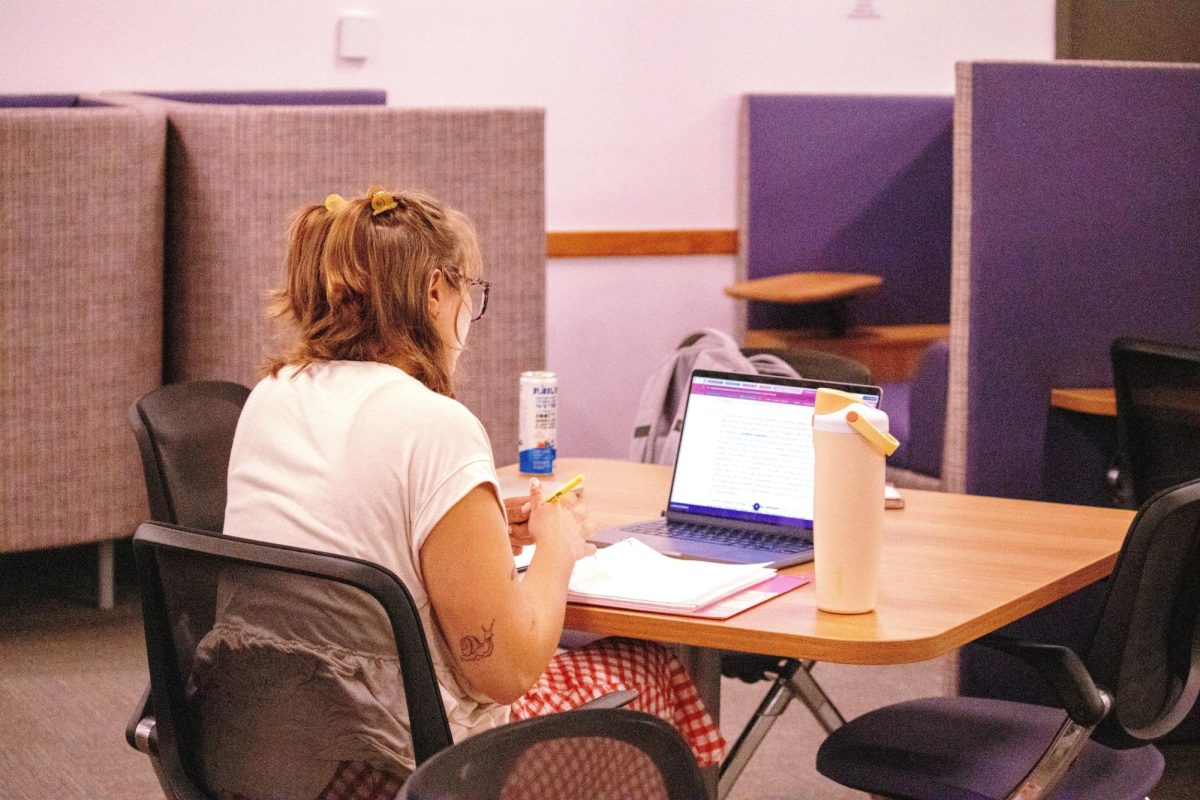
Your environment has a direct impact on your ability to focus. Having a designated area for learning helps separate study time from personal time, signaling to your brain that it’s time to concentrate. Even in a temporary location, look for a quiet spot with good lighting and minimal distractions. A tidy, organized space reduces mental clutter and makes it easier to settle into a productive mindset.
2. Stick to a Consistent Routine
Without the natural structure of campus life, it’s easy to lose track of time. Setting regular hours for studying, attending online classes, and taking breaks gives your day a framework to work within. Research from Northwestern Medicine suggests that consistent daily routines support not just productivity but also sleep quality and stress management, all of which directly affect academic performance.
3. Stay Connected with Classmates and Tutors
Remote learning doesn’t have to mean learning alone. Participating in virtual discussions, joining online study groups, and checking in with lecturers regularly can make a significant difference to both motivation and comprehension. Feeling connected to your course community helps combat the isolation that remote study can sometimes bring, keeping you engaged and on track throughout the semester.
4. Prioritize Internet Safety in Public Spaces
Many students rely on public Wi-Fi in libraries, cafés, hotels, and transit hubs when away from campus. While convenient, these networks can leave your data exposed if you’re not careful. Avoid logging into sensitive accounts on unsecured connections, keep your devices and apps updated, and use strong, unique passwords. It’s also worth taking time to understand how to change IP address and explore trusted privacy tools, practical steps that can meaningfully reduce your exposure to data interception and cyber threats in public environments.
5. Look After Your Physical and Mental Wellbeing
Long hours of remote study can take a toll if you’re not actively managing your well-being. Build regular movement, fresh air, and screen breaks into your day. A 2025 meta-analysis published in Frontiers in Psychology found that physical exercise interventions improved mental health outcomes in university students, including reductions in anxiety and better sleep quality. Even short daily walks can make a measurable difference.
Final Thoughts
Remote learning can be highly effective when approached with the right habits in place. When creating a focused workspace, maintaining a consistent schedule, staying connected with your course community, practicing good cybersecurity, and prioritizing your well-being, you’ll be well-equipped to stay on track wherever you choose to study.