





















































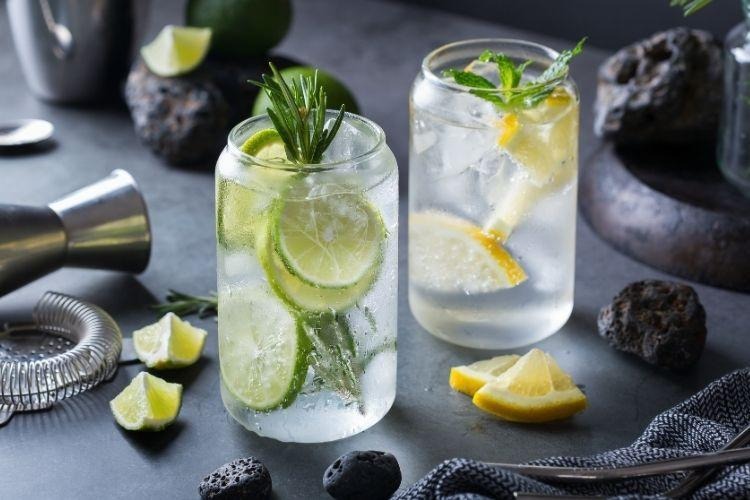
Alt text: Hard THC Seltzer Cocktail with Lime and Lemon
Image link: https://www.canva.com/photos/MAEgQpG8WsM/
College life is intense. Deadlines stack up. Exams hit all at once. Social calendars fill quickly. For many students, the traditional answer to blowing off steam has long been alcohol. But across the country, a different option is gaining attention: THC-infused beverages.
These drinks are reshaping how some students think about relaxing, celebrating, and socializing. They offer controlled dosing, smoke-free consumption, and a format that feels familiar — a can in hand at a gathering, a drink shared among friends. For a generation that values choice and moderation, that matters.
A New Category of Cannabis
THC beverages are not simply cannabis in liquid form. They represent a shift in how cannabis is formulated and consumed.
As Dr. Malik Appleton, PharmD & Director of Regulatory Compliance for The Hi Collection, explains: “This created an entirely new category of cannabis consumption, enabling innovative teams to develop unique beverage formulations with precise, controlled dosages.”
That word — precise — is key.
Unlike traditional forms of cannabis, beverages are typically designed with clearly labeled milligram amounts per serving. For students who prioritize predictability, that transparency is part of the appeal. Instead of guessing potency, consumers can make informed decisions about how much they’re consuming.
Why College Students Are Paying Attention
The college demographic is already driving major shifts in drinking culture. Many students are drinking less alcohol than previous generations. Wellness trends, fitness culture, and mental health awareness are all influencing decisions around substance use.
THC beverages fit into that evolving mindset in several ways:
- Smoke-free consumption
- Measured dosing
- Lower-calorie alternatives to beer or sugary cocktails
- A different social experience than alcohol
For some students, the draw is simple: they want to unwind without the after-effects commonly associated with alcohol. Others are curious about cannabis but prefer a format that feels approachable and familiar.
Ted Dumbauld, Founder of SoNo 1420, captures this shift clearly: “With HZE, we’re flipping the script on what a ‘good time’ looks like – no booze, no bloat, just pure, feel-good flavor with a microdose of chill.”
That “microdose of chill” language reflects what many beverage brands are leaning into — the feeling rather than the intoxication.
How THC Beverages Work
THC-infused beverages are typically formulated using emulsification technology that allows THC to mix evenly into liquids. This often results in faster onset compared to traditional edible products, though individual experiences vary based on metabolism and tolerance.
For students considering these products, several factors matter:
- Start low and go slow
- Understand your state’s laws
- Avoid mixing with alcohol
- Never drive after consuming THC
- Know your personal tolerance
Kansas has strict cannabis laws, and students must understand the legal landscape before considering any cannabis-related product. Regulations vary widely across states, and compliance matters — both legally and academically.
The Social Shift: Rewriting “Going Out”
Historically, college social life has revolved around alcohol-centric events: tailgates, house parties, bar nights. THC beverages introduce an alternative format.
Instead of shots, there are low-dose sips. Instead of high-proof cocktails, there are flavored sparkling drinks with controlled THC levels. The vibe can be different — often described as more relaxed and less chaotic.
That doesn’t mean THC beverages are for everyone. But their presence reflects a broader shift: students are exploring options that align with their personal wellness goals.
Some are looking for stress relief after exams. Others want something that fits into a movie night or small gathering without the intensity of hard liquor.
The conversation is changing from “How much can you drink?” to “How do you want to feel?”
Where Mood Fits In
One company operating in this evolving space is Mood.
Founded in 2022, Mood positions itself around accessibility, transparency, and feeling-based experiences. Rather than focusing on cannabis terminology, the brand centers its messaging on mood improvement — the idea that everyone’s emotional state is different, and products should meet people where they are.
Mood works with more than 50 small American farms and emphasizes supporting U.S. growers and sustainable farming practices. The company has grown into a global team of more than 200 employees while maintaining partnerships with local producers.
For students researching federally legal options, their collection of Mood’s THC-infused beverages reflects the broader market trend toward convenience and clearly labeled formulations.
Importantly, none of these offerings exists in a vacuum. Students should always verify local legality and understand university policies before considering any cannabis-related product.
Transparency and Responsibility
One reason THC beverages are gaining traction is transparency. Modern consumers expect to know:
- Exact THC content per serving
- Ingredient sourcing
- Manufacturing standards
- Third-party testing practices
Mood’s broader company mission emphasizes accessibility, affordability, and transparency. The brand also highlights social impact initiatives, including charitable donations and advocacy efforts supporting cannabis reform.
For college students, transparency matters. Misinformation around cannabis can be widespread, and reliable labeling reduces uncertainty.
Still, responsibility remains essential. THC affects cognition, reaction time, and perception. Academic performance, campus safety, and legal compliance should always take priority.
Stress, Mental Health, and Real Conversations
College stress is real. Academic pressure, financial concerns, and social expectations can take a toll.
However, THC beverages should never be positioned as a solution to mental health challenges. They are recreational products, not medical treatments.
Students struggling with anxiety, depression, or overwhelming stress should seek campus counseling services or licensed professionals. Substance use — whether alcohol or cannabis — should not replace proper care.
That said, the growing popularity of THC beverages reflects a cultural conversation about how students choose to relax. The emphasis on measured consumption and mood-based experiences shows a generation thinking more intentionally about what they put into their bodies.
The Bigger Picture
THC beverages are not just a trend. They represent:
- Innovation in cannabis formulation
- Changing social norms
- Increased demand for smoke-free options
- A shift toward controlled dosing
- Greater consumer education
As Dr. Malik Appleton noted, this category enables “precise, controlled dosages.” That level of standardization makes the format more approachable for first-time consumers compared to older cannabis products that lacked consistent labeling.
At the same time, students must remember that the law varies by state. Kansas law remains restrictive, and policies on campus may differ from other states where THC beverages are more widely available.
Final Thoughts
THC-infused beverages are reshaping how some college-aged adults think about relaxation and socializing. They offer an alternative to alcohol, a familiar drink format, and clearly labeled dosing.
But they are not risk-free. They require responsible use, legal awareness, and personal accountability.
For students exploring the broader landscape of cannabis products, companies like Mood highlight how the industry is evolving — focusing on experience, transparency, and farmer partnerships rather than outdated stereotypes.
Ultimately, the question is not just what students are drinking. It’s why.
In an era where wellness, control, and intentional choices matter more than ever, THC beverages have entered the conversation — not as a replacement for responsibility, but as part of a larger cultural shift redefining what socializing looks like on and beyond campus.