























































































As International Women’s Day approaches this Sunday, March 8, conversations surrounding gender equality, recognition and women’s contributions continue throughout campuses and communities worldwide.
For students and faculty at Kansas State, International Women’s Day serves as both a celebration and a reminder of ongoing conversations.
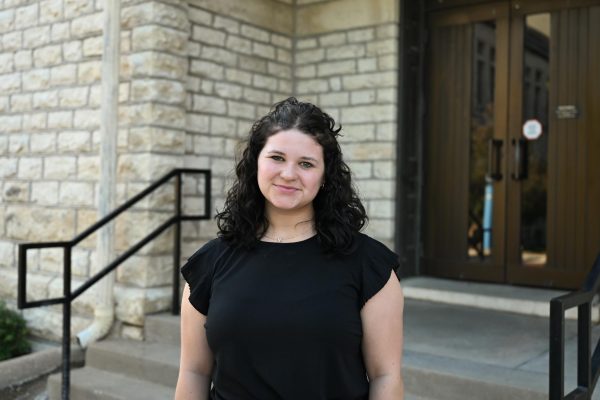
Wendy Matlock, professor in women’s studies and feminist literary scholarship, said the impact of the day varies depending on the area of academic focus.
“I try to teach female authors regularly,” Matlock said. “I talk about feminist issues when we’re interpreting literature regularly, so I feel like having a special day is not as useful for my classes as it might be in classes that are in research or are less focused on feminist interests.”
Regardless of the impact International Women’s Day may or may not have in Matlock’s classes, she said the recognition still plays an important role beyond the classroom.
“I feel like they [days, weeks and months of recognition] are opportunities to bring academic research to a more public audience,” Matlock said. “So it feels really useful for academics to find a public audience, as opposed to just other experts.”
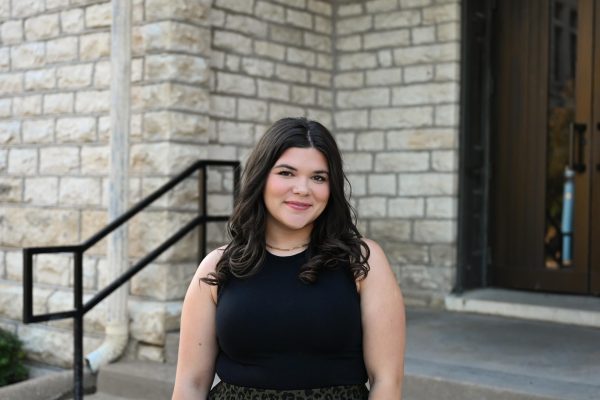
For Abigaile Weiser, Ph.D. student in sociology and researcher at K-State’s Office of Educational Innovation and Evaluation, the day is an opportunity for recognition and reflection.
“It’s something that I think is so important for us to celebrate,” Weiser said. “To me personally, I have always really tried to be aware of it.”
Weiser’s research focuses on gender and social inequality, making the day particularly meaningful in her academic work.
“One of my focuses in sociology is actually gender studies and social inequalities with a focus in gender,” Weiser said. “It’s one of those things that feels like it can be small, but it is so important when it’s like, ‘We need to have a space to talk about the amazing women in our lives.’”
Beyond recognition, the day can also bring attention to persistent gender inequalities.
“I’m always reminded of a MacArthur Genius Grant winner [Danielle Allen], who said she was going to use her grant money to pay for baby care and childcare,” Matlock said. “No man has ever said that.”
Despite the day’s focus on celebration, both Matlock and Weiser said periods of celebration like International Women’s Day can often be misunderstood.
“I feel like there’s a lot of people who get annoyed that there’s holidays or days or months set aside for certain groups of people,” Matlock said. “But there’s a history behind International Women’s Day, and that’s worth attending to.”
Weiser echoed the concerns, noting that the day is often incorrectly framed as divisive.
“I think they think it’s divisive when it should always be a celebration of the hard work that people are putting in,” Weiser said.
Weiser also noted how International Women’s Day connects to other cultural and societal issues.
“I think very specifically to attacks on the transgender community is a very big one,” Weiser said. “Attacks on anyone who is acting in a feminine manner are attacks on everyone feminine. Why are we trying to put women in a box? … Obviously, the core of International Women’s Day is celebrating everything that women do.”
Ultimately, both scholars say the day is about recognizing women’s contributions and continuing hot-button conversations concerning gender equality.
“Women do so much,” Weiser said. “There’s a lot of invisible work that women do that really isn’t talked about.”
Matlock highlighted one of the most important reminders going into International Women’s Day.
“We need to recognize that women have value in and of their own identity … and they don’t have to be in a relationship with someone to have that significance.”