















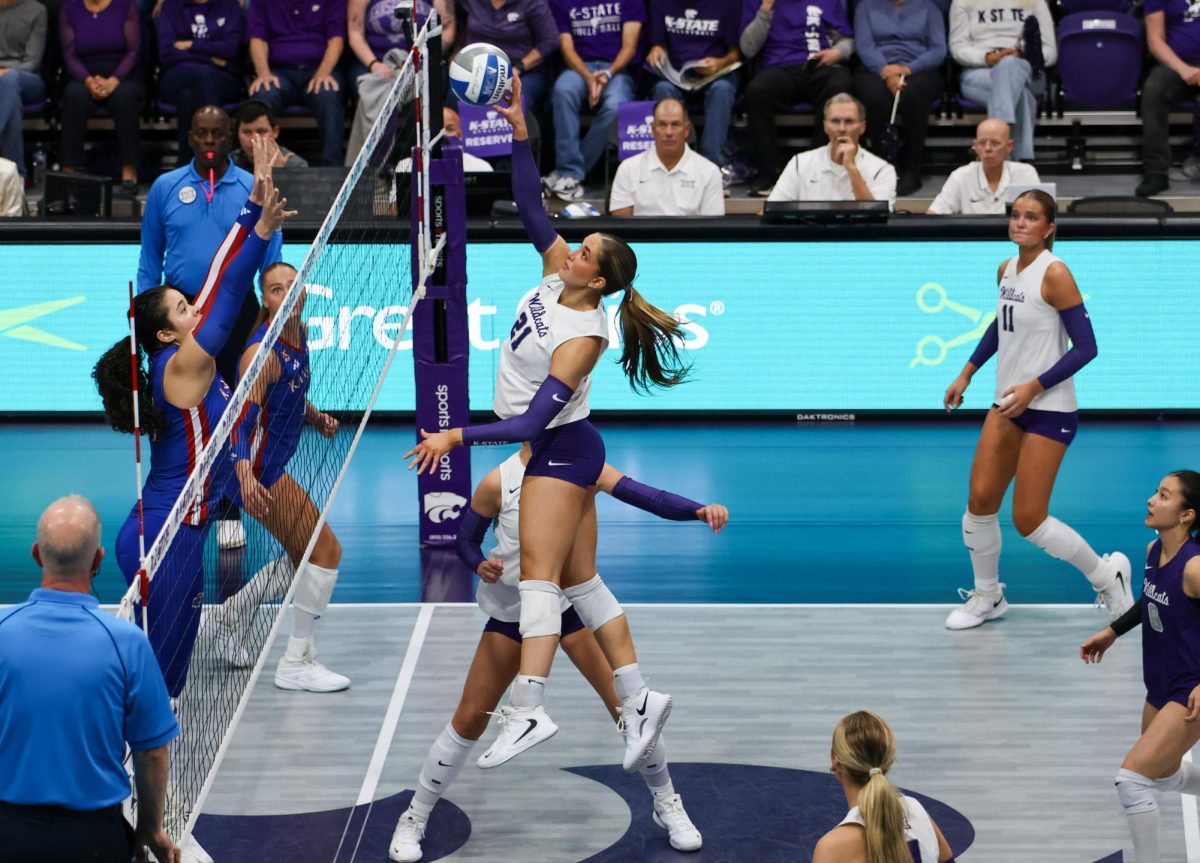
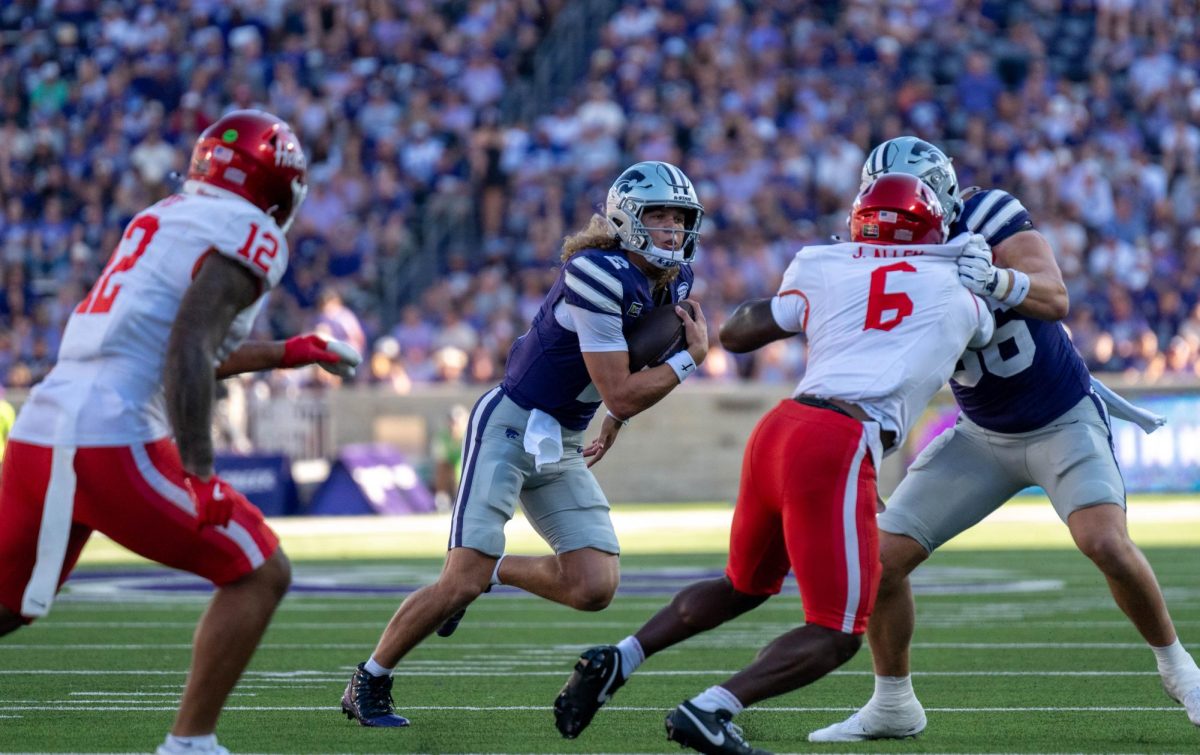
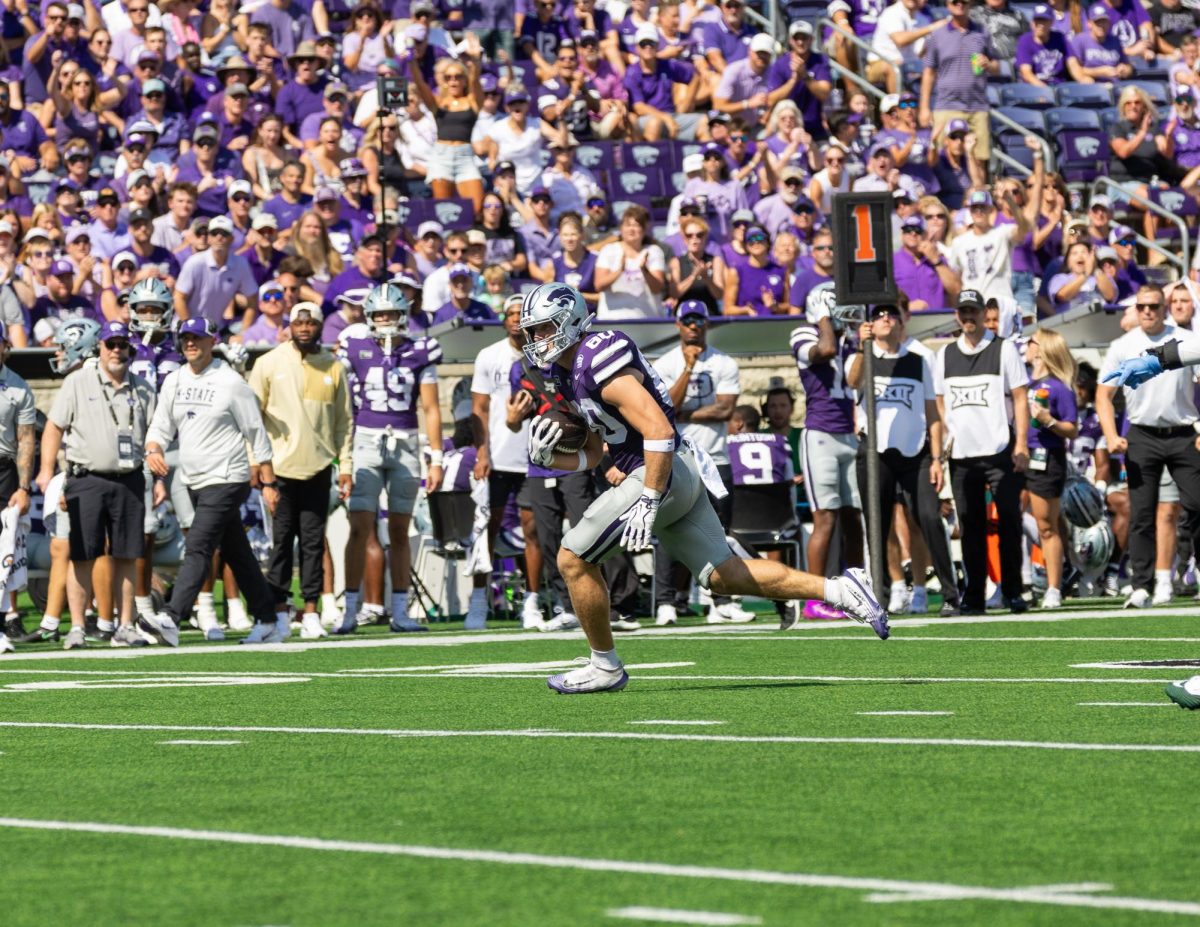



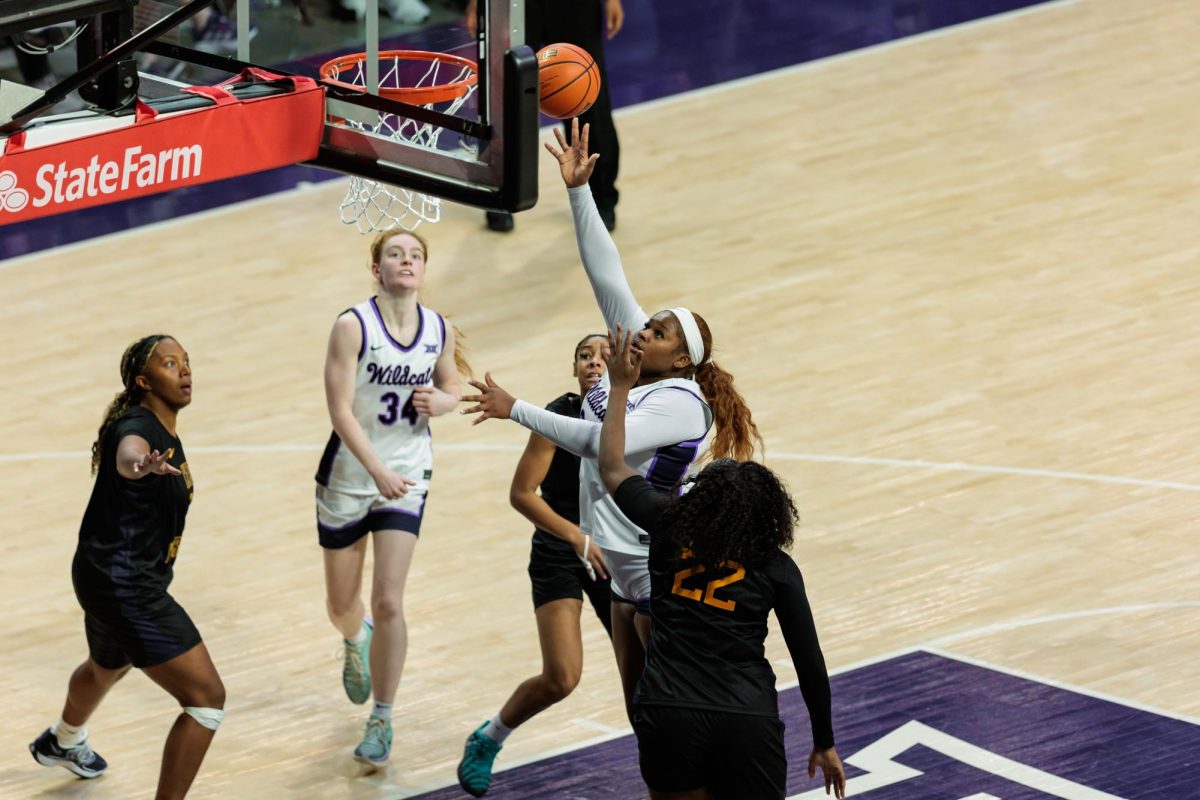


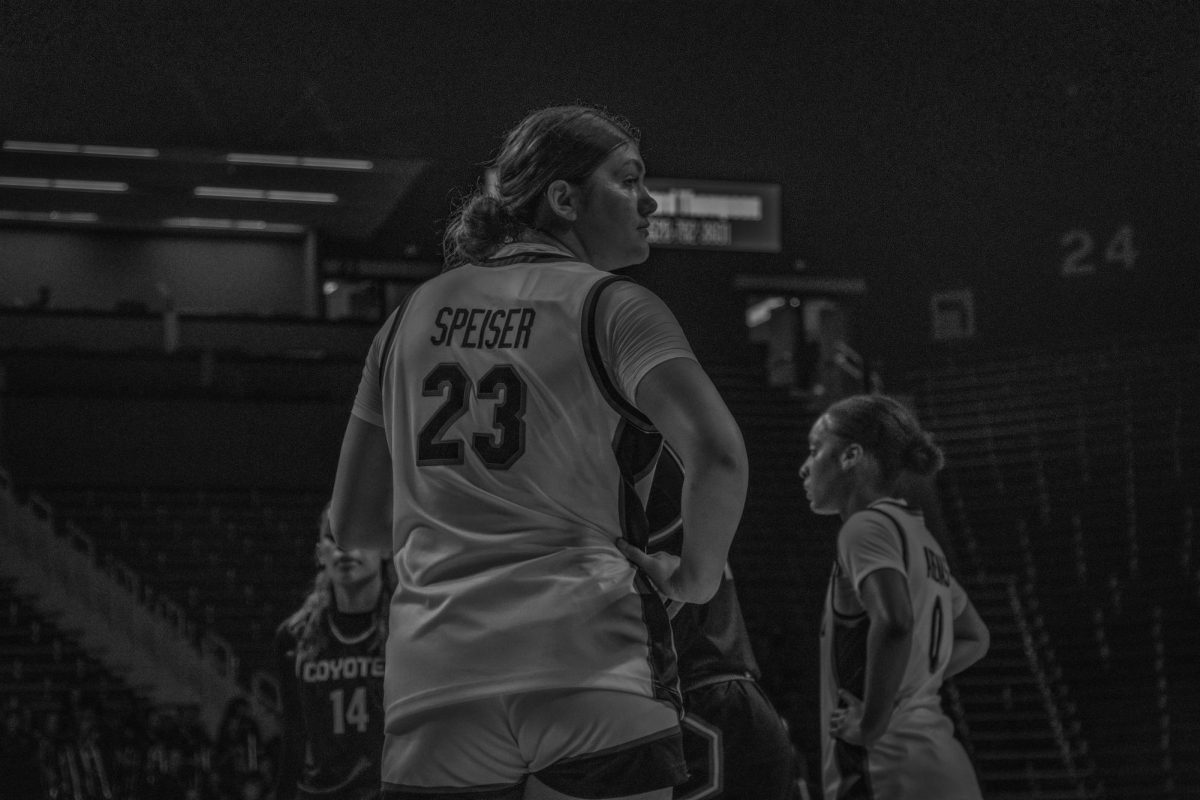

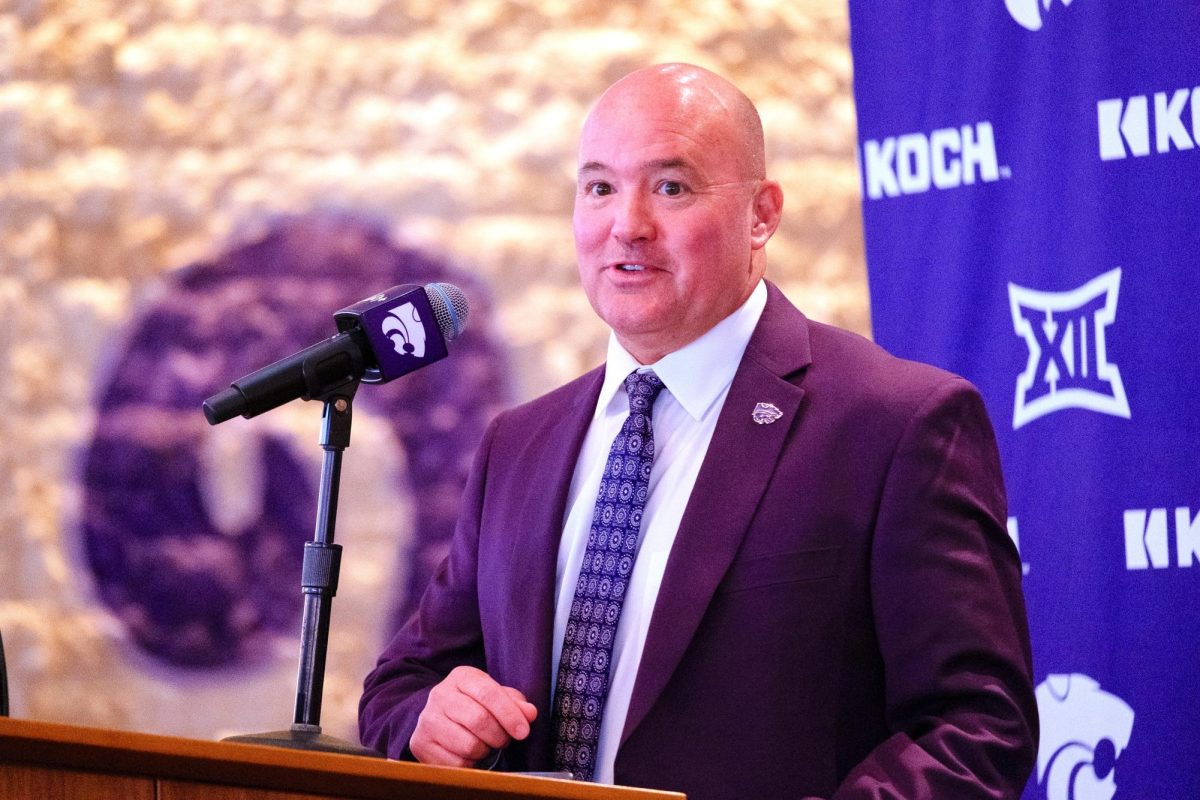









































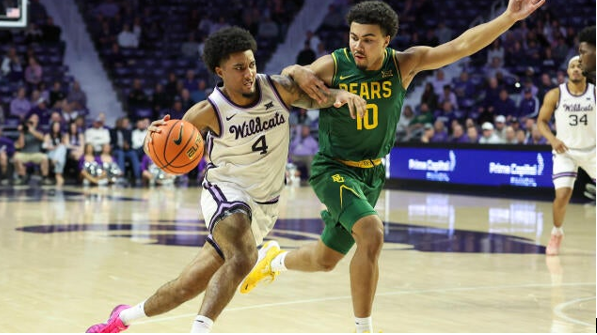
The Kansas State men’s basketball season is already out of March Madness conversation. The Wildcats boast a mid-February record of 11-15 and 15th in the Big 12, and at this point the numbers don’t leave a realistic at-large path. Forecasts that rely on models put the NCAA Tournament odds of Kansas State at practically 0%. Therefore, their stretch run isn’t so much about building their resume as it is about making an honest evaluation.
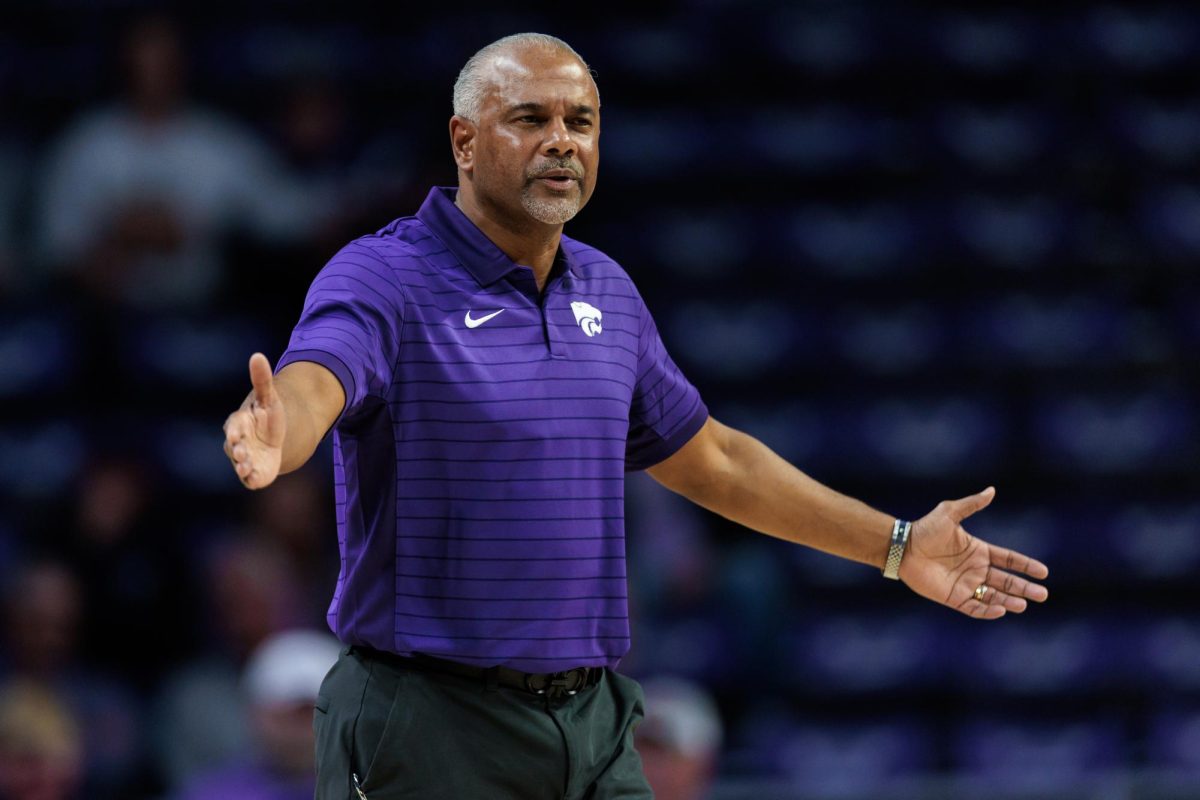
The alteration of that reality involved a major program shift. On February 15, 2026, K-State announced that they were parting ways with head coach Jerome Tang. Matthew Driscoll will serve as interim head coach while a national search begins. What ways might K-State improve to get back into the NCAA Tournament picture? This is the most sensible question now that the postseason picture is effectively off the table.
Build a traveling offense
K-State has a consistent offensive creator in P.J. Haggerty (23.7 points per game) and another one, Nate Johnson (12.0 points, 4.6 assists per game).
One elite shot-maker does not make a great offence, especially in a league like the Big 12, which is filled with scouting and road environments that punish predictable half-court possessions.
Going by expert College basketball analysis, the Wildcats’ biggest offensive need is to create a consistent identity that generates good shots, as opposed to tough, late-clock individual plays. Ultimately, that looks like cleaner spacing, faster decisions, and a consistent dedication to paint touches that generate kick-out threes and free throws. When the action and structure of the offense, rather than individual brilliance, comes to the fore, opponents find it very difficult to scheme against a full conference season.
Minimize the empty possessions
March squads seldom defeat themselves. Teams often struggle with this.
Empty possessions turnovers, hurried threes and contested twos late in the clock erase whatever good work is done at the other end. Those stretches ultimately decide games and bury a resume. The area that K-State needs to improve isn’t just to “play harder” or “execute better,” but rather to treat every possession like it’s Selection Sunday.
This may involve making reads easier for ball-handlers, focusing on safer plays that won’t result in live-ball turnovers, and adding dependable late-clock counters so possessions don’t end with low-percentage bailouts. While it may not be glamorous, it is the difference between a team that competes nightly and one that wildly swings with momentum.
Add defensive consistency and physicality
If the shots aren’t falling, defence has to keep you in reach. For K-State to get back to tournament standards, the Wildcats need a defense that travels as well as their best scoring bursts.
There are usually two areas which drive that change: containing the ball, needing less help and finishing possessions with rebounds. Repeatedly pounding the guards at the point of attack creates a defensive collapse that easily opens up clean looks. When stops don’t result in rebounds, it gives the opponent extra chances that take a toll on a team’s spirit and the scoreboard.
You don’t need complexity for a better defence. It necessitates connection, clear rotation responsibility, fewer straight-line drives and box-outs that are reliable so stops actually become stops.
Address roster balance, not just talent
It is important that roster building matches a system with the coaching change. With K-State having some top-flight recruits set to join the program, it should start to focus on creating a roster that fits modern Big 12 basketball.
In most areas of the country, the most valuable additions are the same. These include dynamic wings who have the capacity to defend and shoot, an interior presence who can rebound and protect the paint, and secondary playmaking so the offense doesn’t collapse. In this manner, if one creator goes cold or is unavailable, the rest of the forwards are still able to contribute to the plays. As far as hiring is concerned, the portal era boils down to evaluation, role clarity, and retention.
The bottom line
K-State’s key area for improvement is possession quality: on both ends of the court. Right now, the Wildcats may be out of the March Madness race. But the road back is a simple one: create an offence that generates consistent looks, cut out self-inflicted mistakes that waste possessions and build a defence that provides a baseline every night. The improvements will be the basis for returning to the tournament discussion, as the programme will enter a new phase after the leadership change of 15 February 2026.