
















































































Photo by Mikhail Nilov on Pexels
Alt text: A college student researching information on a laptop
Cannabis comes up constantly in college life, yet most students learn about it through rumor rather than reliable information. The result is a lot of confident misinformation about products, doses, and the law. A little real literacy goes a long way.
This is not a push to use or avoid. It is a guide to understanding the category clearly, whatever a student decides. A regulated Canadian source such as the Vancouver-based The Herb Centre shows how a fully legal market labels and structures its products. That makes a useful contrast for students in places where the rules are far stricter. The guide below covers the basics worth knowing.
Why Does Cannabis Literacy Matter for Students?
Cannabis literacy matters because the gap between perception and fact is wide, and the stakes are real. A student who understands products, doses, and local law makes safer and smarter decisions than one running on hearsay.
Three realities drive the point home. First, the products have changed. Why potency and a still-developing brain matter so much for the college-age group is laid out in the federal guidance on cannabis and brain health.
Second, the law is a patchwork. What is legal in one state or country can be a citation in another, and many students do not realize the line until they cross it.
Third, the dosing is easy to get wrong. Modern products are far stronger than the cultural reference points many students inherited from older media.
What Six Facts Should Anchor a Student’s Understanding?
Six facts reliably anchor a student’s baseline cannabis literacy.
- Potency varies enormously. A modern flower can exceed 20% THC, far above older norms.
- Edibles hit differently. Onset can take 1 to 2 hours, which is why over-consumption is common.
- A starter dose is small. Many guides suggest 2.5 to 5 mg of THC for newcomers, not a full 10 mg piece.
- CBD and THC are not the same. CBD is non-intoxicating; THC is the compound that produces the high.
- Local law governs everything. Legality and penalties differ sharply by state and country.
- Mixing raises risk. Combining cannabis with alcohol amplifies effects unpredictably.
One regulated market sets clear numeric rules in British Columbia’s published possession and purchasing limits. The six facts above give students a baseline regardless of where they live.
How Should a Student Approach the Legal Side?
The legal side runs cleanest when a student checks the rules first rather than assuming them. Laws vary so much that no general rule of thumb is safe.
The first step is the location check. A student confirms the actual law where they live and study, which can differ from a neighboring state. A careful product check relies on the same clear labeling that a well-reviewed THC beverage puts on its contents.
The second step is the product check. Even where some products are legal, the specific THC threshold matters, and a mislabeled product can carry legal risk.
The third step is the campus check. University policy can be stricter than state law, with academic consequences attached. A single 10 mg gummy edible can easily exceed a sensible starting dose, which is exactly why dosing literacy matters.
What Are the Common Literacy Gaps Among Students?
Five recurring literacy gaps show up across the student population.
- The potency blind spot. Assuming modern products match older, weaker reference points.
- The instant-effect myth. Expecting edibles to work quickly and then over-consuming.
- The legality assumption. Believing a product is legal because it was available for purchase.
- The CBD-equals-THC confusion. Treating the two compounds as interchangeable.
- The mixing oversight. Underestimating how alcohol amplifies the effects of cannabis.
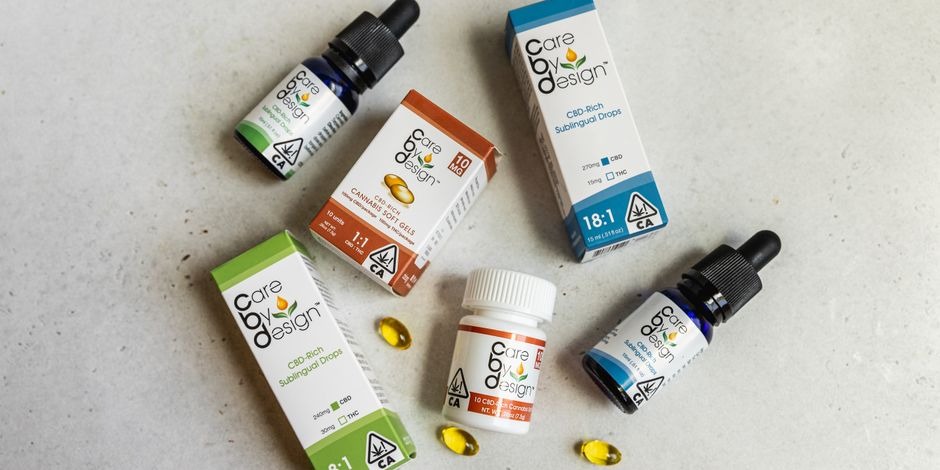
Photo by Elsa Olofsson on Pexels
Alt text: Cannabis product packaging showing clear dosage labelling
A Quick Literacy Reality Check
A short check covers the questions worth answering before any decision.
- Confirm the actual law where you live and study
- Check the campus policy, which can be stricter than state law
- Read the product label for THC content and serving size
- Treat 2.5 to 5 mg of THC as a starting reference, not 10 mg
- Allow 1 to 2 hours before assuming an edible has not worked
- Avoid mixing cannabis with alcohol
Making Informed Cannabis Choices on Campus
Cannabis literacy is about making informed decisions, not about using or avoiding. Understanding potency, dosing, the difference between compounds, and the local law lets a student decide from facts rather than rumor.
The effort is small against the stakes. A student who checks the law, reads the label, and respects the dosing avoids the most common and costly mistakes. The contrast with fully regulated markets, like the one operating in Vancouver, shows how much clearer the picture is when products are labeled and rules are spelled out.
Frequently Asked Questions
Is Cannabis Legal for College Students?
It depends entirely on location. Some states and countries permit adult use, while others, including Kansas, maintain strict prohibitions. Many universities set their own rules on top of state law, so students should confirm both before assuming anything.
How Much THC Is a Safe Starting Amount?
A sensible first dose is roughly a quarter to half of a standard 10 mg serving for someone new or returning after a break, rather than the full piece. Edibles can take 1 to 2 hours to take effect, so patience prevents accidental over-consumption.
Is CBD the Same as THC?
No. CBD is non-intoxicating and will not produce a high, while THC is the psychoactive compound. Many products combine both in different ratios, which is why reading the label matters.
Why Does the Law Vary So Much?
Cannabis is governed by a patchwork of national, state, and local rules that have changed at different speeds. A product or amount that is legal in one place can carry penalties in another, which is why a location check always comes first. Campuses can add their own rules on top, so a quick policy check is worth the few minutes it takes.