








































































After city manager Danielle Dulin declared that Manhattan is not a sanctuary jurisdiction and the city would comply with Immigration and Customs Enforcement in a letter to a federal prosecutor last December, some Kansas State students were left wondering how this applies at the university.
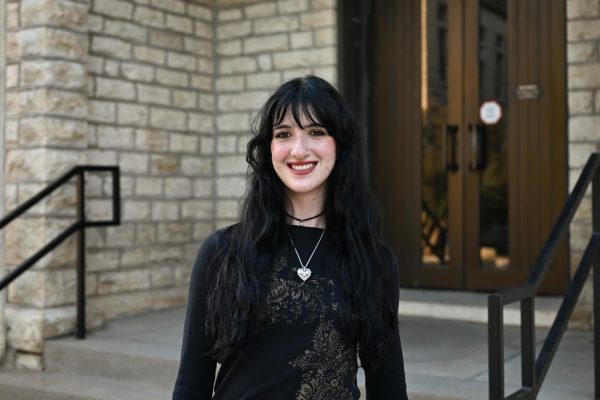
“I’m a complete U.S. citizen, but I was born in Germany,” Becky Errington, senior in communications sciences and disorders, said. “It’s not something that I’ve really talked about because it’s not something I’ve been super worried about, but the more escalated things are getting, the more it’s a fear that something could happen.”
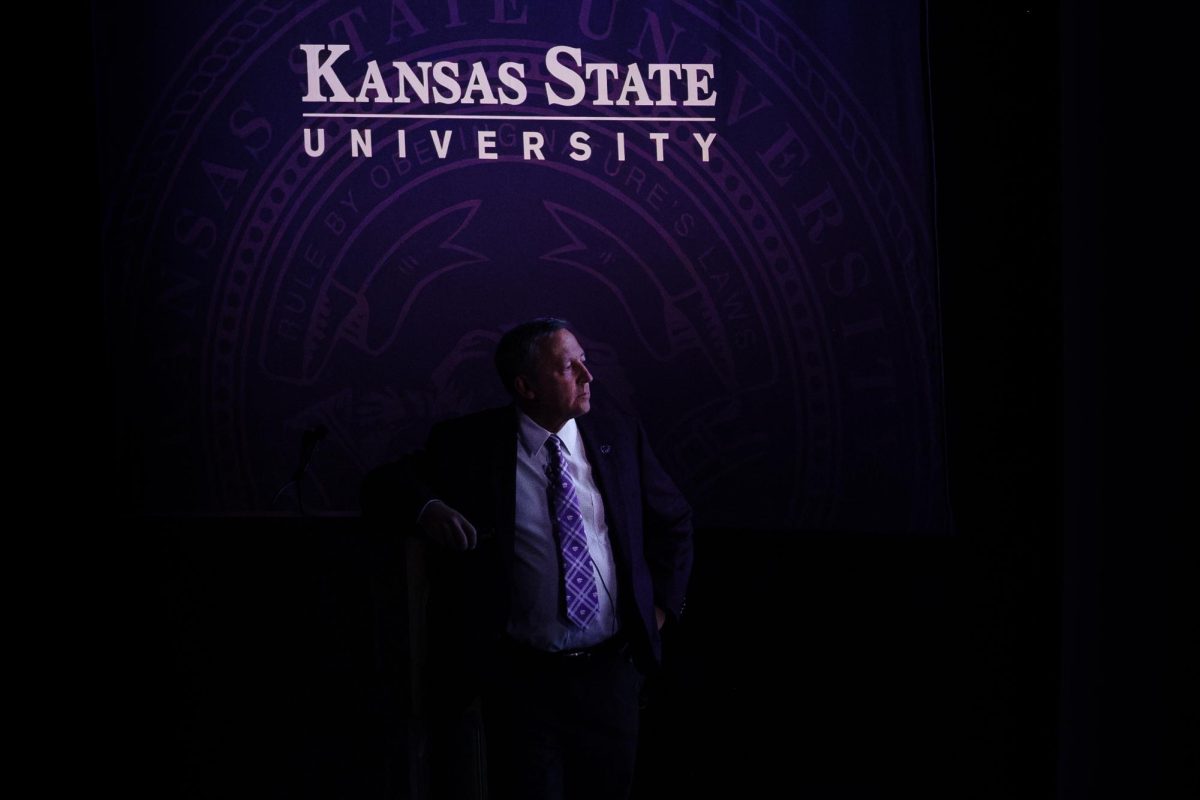
Currently, K-State’s administration plans to follow the protocol listed on its Immigration Updates and Resources website in the event of ICE agents on campus.
According to the website, which was last updated Jan. 20, 2025, K-State will continue to comply with the Family Educational Rights and Privacy Act.
“We do not release student records without written consent from the student or a lawfully issued subpoena, warrant or judicial order. It remains our policy to require the necessary legal documents before disclosing student records or information derived from student records.”
K-State would also restrict ICE agents from entering certain campus areas that are not accessible to the public, according to its website.
“Access is restricted or limited in areas due to privacy concerns, operational needs or safety considerations. Federal immigration enforcement officers are subject to these same access restrictions and must adhere to university protocols when entering non-public spaces.”
Areas of restricted or limited access include student dorms, faculty offices, certain research labs and health/counselling facilities, among others.
Errington said K-State should be obligated to protect all of its students.
“I think it’s good that they’re following FERPA and not just giving up information, but I do think they should do more to actually protect students so that people feel safe on campus.”
Errington recommended that the university introduce private access to all campus buildings.
“It’s hard because it’s an open college campus and literally anyone can come onto campus, but they should make it so that they can’t come into any of the buildings,” she said. “I don’t know the best way to do that without just making it so that you have to have an ID to get into buildings, but just have buildings be safe spaces for students where they know they won’t be attacked.”
Other students, like senior in political science Silas Thoennes, don’t think ICE protocol will be necessary at all on K-State’s campus.
“There are certain student organizations who find it incredibly necessary that the university comply with their anti-ICE sentiment, and it’s probably played up a lot because of national narratives,” Thoennes, president of Young Americans for Freedom at K-State, said. “I don’t, however, think the university has a responsibility to protect people who are breaking federal law, which would be being here illegally.”
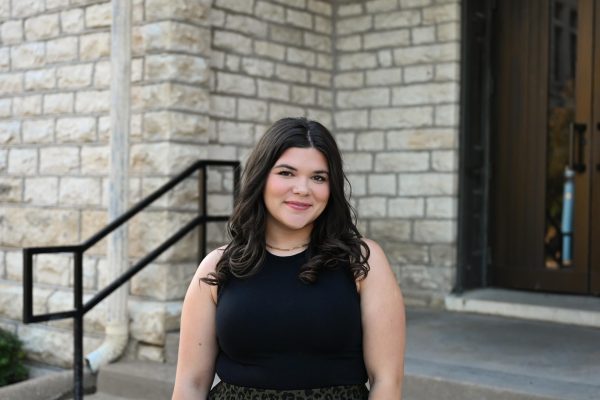
Alondra Alvarez, junior in political science and Spanish, said immigration law is too complicated to dictate whether she thinks K-State’s policies are adequate.
“If the laws are changing, it’s hard not to want to comply,” Alvarez, vice president of Young Democrats at K-State, said. “A part of me is like, ‘well why don’t we just ignore them?’ I know a lot of universities are starting to fight back against a lot of things that the government is doing, and they’re losing funding, and they’re taking those risks because they’re protecting their values and their students.”
Errington said ICE’s presence at K-State would affect more than the intended student(s).
“I think it would change the environment, and everyone would be on edge, even if you are a citizen.”
Thoennes, however, believes ICE’s presence wouldn’t affect students’ learning if they “just let the federal agents do their job.”
“I don’t like how college students are desperately trying to play the resistance role against what is federal law on the books,” he said. “You disagree with the Trump administration’s policy for deporting all illegal immigrants? That’s totally fine, and I think you should fight for it by the means of our country to change the law … but when you’re trying super hard to band up a resistance and call for our university and local leaders to stand against ICE … that’s not the way we run things in our country.”
Alvarez, however, said action at the local level can sometimes inspire nationwide change.
“I’m a person that’s like, ‘if you want your voice to be heard, let’s do it.’ This is the country that we founded on these values of making sure that your voice is being heard and making sure that the people are represented in a way that is fair to all of them. I think there’s value in [resistance].”
Witnessing local action also inspires Alvarez to stick to her own values.
“Seeing the communities of people, especially in other states, that are joining together and are out there protesting and marching, that’s enough motivation to keep me going.”
Alvarez said above all, it’s important for students to stay connected with their community at this time.
“These are tough times,” she said. “As a Hispanic woman, it can be scary looking at the news, so I think it’s just important for people to know that yes, the news is scary. Yes, there’s a lot going on, but we’re all fighting the same fight. There’s a lot of people that are feeling the same.”
As of February 2026, “the university does not have information to indicate an increase in immigration enforcement at its campuses,” according to its website.
For more immigration resources, visit the National Immigration Law Center.