





















































































































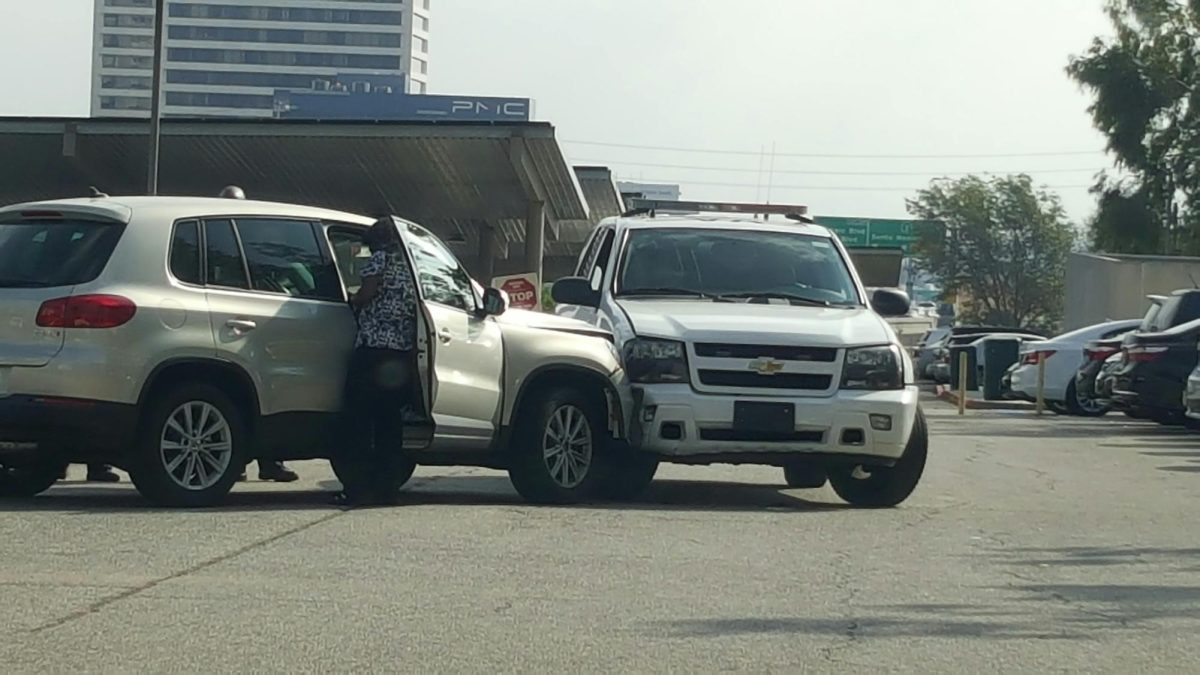
When you are involved in a car accident, fault plays a significant role in determining whether you can recover compensation. Being partially at fault does not automatically stop you from recovering damages, but it does affect how much you can receive. Every state follows its own rules, and understanding those rules helps you protect your rights from the start.
Accidents often unfold quickly. A driver might glance at a phone for a moment while another driver speeds through a yellow light. When both actions contribute to the crash, responsibility is shared. In situations like this, it becomes even more critical to have someone who can fight for the compensation you deserve.
Many people feel discouraged when they learn they may have contributed to an accident. The truth is that partial fault is common, and it simply means the legal process will focus on percentages of responsibility instead of placing all blame on one person.
How Does Partial Fault Work?
Most states use a comparative negligence system. This system divides responsibility between all drivers involved. You will be awarded lower amounts for your damages based on your portion of the liability (fault).
There are generally two forms of comparative negligence:
- Pure Comparative Negligence: Even though you are at fault for 99%, you still receive compensation; however, the amount of your compensation will be lowered based on your portion of fault.
- Modified Comparative Negligence: If you have been determined to be at least 50% (or 51%) at fault, then you may not collect compensation from the other party.
Driver error accounts for about 94% of all collisions in this country, as reported by the National Highway Traffic Safety Administration. Therefore, most accidents do not involve clear-cut “at fault” cases and instead are reflected by degrees of fault, expressed as a percentage.
How Do Insurance Companies Establish Fault?
Insurance companies base their determination of who was at fault for a collision on the information they gather through:
- Police reports.
- Photographs.
- Statements made by witnesses.
- Expert analysis.
Insurers frequently attempt to assign as high a degree of fault as possible to the person injured to pay as little money as possible. One reason many people injured in accidents retain attorneys as soon as possible after an accident is that insurers use the first investigative phase to establish the level of fault attributed to each party involved in an accident.
What Should I Do After an Accident?
Follow these recommendations to protect yourself and support your potential claim.
- Contact law enforcement immediately to document the accident.
- Document everything with pictures and videos.
- Get the names and contact information of any witnesses who saw what happened.
- Even if you don’t feel like you’ve been hurt, get medical attention right away.
- Notify your insurance company as quickly as possible.
Avoid saying anything that could be considered admitting fault or providing a recorded statement to an insurer representative before you’ve had an opportunity to speak with an attorney. By taking these measures, you’ll ensure that there is no question regarding who is responsible for the accident, and you can begin to build your case.
Important Facts to Know
- Just because you’re partially at fault for an accident doesn’t mean you won’t be able to receive compensation.
- Your ability to obtain compensation will depend on the laws related to negligence in your state.
- Your percentage of fault in an accident will be directly applied to the total amount of your settlement award.
- When determining fault for a collision, insurance companies typically dispute claims when it appears that the parties involved were equally at fault.