




































































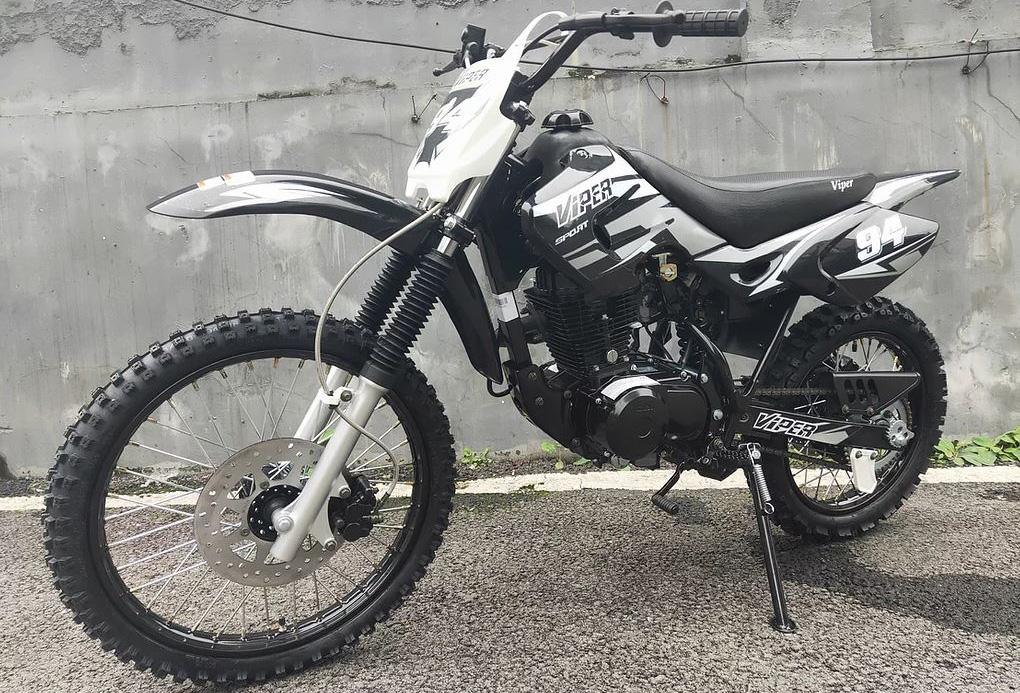
Photo from NTX Power Sports
ALT Text: Black and white Viper dirt bike
It’s Saturday morning, and the weight of upcoming finals still hangs in the air. For K-State freshmen Maya and Jordan, it’s a weight they’ve decided to shrug off, at least for a few hours.
A study break has been officially declared as they load two modest 150cc dirt bikes into a truck and head toward the Tuttle Creek ORV Area.
Just half an hour later, the drone of studying is replaced by the cheerful buzz of small engines. They’re carving gentle ruts through cedar-lined gullies, kicking up just enough dust to feel adventurous. By the time they break for lunch, they’re energized and clear-headed, promising each other they’ll buy their own bikes before the next semester begins.
If you’re a student flirting with the idea of off-road freedom but are unsure where to start, you’re in the right place. This guide unpacks exactly why the 150cc class is college-budget gold and how to choose the right machine. It’s about getting started without flunking your bank account or your exams.
Why 150cc Hits the Sweet Spot for Students
While pros fly through the air on 450cc monsters, the 150cc class offers the perfect blend of performance and affordability. It’s ideal for students looking to explore local trails without taking on a second job. This class provides ease of use without requiring a second major’s worth of mechanical learning.
Manageable Power-to-Weight Ratio
A 150cc dirt bike typically produces between 10 to 15 horsepower, which is enough to tackle challenging hills but delivered in a smooth, predictable way. The lighter frames, usually weighing between 220 and 260 pounds, are a huge advantage.
This combination makes the bike feel nimble and responsive on the trail. Just as importantly, it makes it far easier to load into a pickup or onto a hitch carrier. You won’t need a team of helpers to get your bike to the trailhead.
Comfortable Ergonomics
Confidence on a dirt bike starts with your feet. If you can’t comfortably touch the ground, every stop on uneven terrain becomes a stressful balancing act. The 150cc class generally features accessible seat heights, typically in the 32 to 34-inch range, which comfortably suits a wide range of riders.
Furthermore, these bikes have a narrow chassis, allowing your legs to reach the ground more directly. This design makes it possible for even riders with shorter inseams to flat-foot the bike. That stability provides a major boost in confidence for anyone new to the sport.
Lower Running Costs
College life is a constant budget battle, and a 150cc dirt bike is a hobby that won’t drain your meal plan funds. These fuel-sipping engines offer great efficiency, as the average fuel efficiency for a 150cc dirt bike is around 50 to 70 miles per gallon. Liability-only insurance, which is all that’s typically required for off-road use, is also incredibly cheap.
Here’s a student budget tip: a single five-gallon gas can will last most weekend warriors an entire month of riding. Compared to the costs of car ownership or other expensive hobbies, dirt biking is remarkably accessible. It’s a smart way to have fun without financial stress.
Two-Stroke vs. Four-Stroke (Lightning Round)
You’ll hear these terms a lot, but for a student, the choice is usually simple. A two-stroke engine offers a snappier response but requires pre-mixing oil with gas, which can be a hassle. A four-stroke engine provides smoother torque and runs on simple pump gas.
For weeks crowded with coursework and exams, the grab-and-go simplicity of a four-stroke is the ideal choice. It is the far more common and low-maintenance option in modern 150cc trail bikes. This makes getting out on the trail quick and easy.
Once you’ve decided that 150cc is the right choice, knowing where to shop makes all the difference. If you’re shopping new, retailers like NTX Powersports’ stock multiple 150cc dirt bikes designed specifically for beginners, making it easier to compare options in one place and find the right fit for your budget and skill level.
| Key Insight: The 150cc class is not about raw speed. It is about accessible adventure. Its blend of manageable power, low running costs, and user-friendly ergonomics makes it the perfect stress-free escape for any student on a budget. |
|---|
What Key Buying Factors Matter Most?
When you start looking at bikes, the spec sheets can seem overwhelming. Let’s break down the few key factors that truly matter for a student rider. By focusing on these, you can make a confident and informed choice.
Engine Power & Torque
Forget top speed because on the trail, usable power is king. You want to look for an engine with broad, low-end grunt. This torque allows the bike to pull you up a steep hill without needing to scream at high RPMs or constantly abuse the clutch.
This predictable power delivery makes learning much easier and more fun. To see what this looks like in practice, you can review the specifications on an off-road riding 150cc dirt bike.
Seat Height & Ergonomics
Before you buy any bike, you must do the “tip-toe test.” Sit on the bike in your normal riding shoes. If you can comfortably touch the ground with the balls of both feet, you’re golden, as this ensures you can stabilize yourself on an off-camber trail.
Don’t just rely on numbers; your body shape and inseam are what matter. A quick fit chart can give you a starting point:
- 28–30″ inseam: Look for a sub-34″ seat height
- 30–32″ inseam: You can comfortably manage up to a 35″ seat height
Suspension Basics
Suspension is what keeps your ride smooth and controlled. For a 150cc trail bike, you’ll typically see suspension “travel” numbers around 7–9 inches in the front and 6–8 inches in the rear. This is more than enough to soak up rocks, roots, and small jumps.
A key feature to look for is adjustability, specifically, preload collars on the rear shock. This allows you to stiffen the suspension slightly to compensate for extra weight. It helps ensure the bike handles correctly with a backpack or hydration pack.
Braking & Safety Features
Good brakes are non-negotiable for safety and control on the trail. Thankfully, hydraulic disc brakes on both the front and rear wheels are now standard on almost every reputable 150cc bike. They offer powerful, consistent stopping power in all conditions, from dry dust to wet mud.
Quick Spec-Check Glossary
Here are a few common terms you’ll see on spec sheets and what they mean for you.
- cc: Cubic centimeters. This measures the engine’s displacement, a rough indicator of its power potential.
- Sprocket: The large gear on the rear wheel. A bigger rear sprocket (more teeth) translates to more torque for climbing, but a lower top speed.
- Rev-Limiter: An electronic safety feature that cuts ignition briefly to prevent you from over-revving and damaging the engine. It’s a great safeguard for new riders.
| Pro Tip: Forget spec sheets for a moment. The single most important test is sitting on the bike. If you can’t comfortably touch the ground with both feet, your confidence on uneven trails will suffer. Always prioritize ergonomics. |
|---|
An Example Lineup of 150cc Dirt Bikes
To see how these features come together, it’s helpful to look at a specific brand catering to new riders. Some companies stock multiple budget-friendly 150cc models. This adds a layer of stress relief for both riders and their tuition bills.
| Model | Engine / Cooling | Seat Height | Suspension Travel | MSRP | Best For
|
|---|---|---|---|---|---|
| NTX 150 Trail | 149cc air-cooled, 4-stroke | 32.5″ | 8″ / 7″ | $1,699 | Beginner trail loops |
| NTX 150 Pro | 149cc oil-cooled, 4-stroke | 34″ | 9″ / 8″ | $2,199 | Aggressive single-track |
Mini-Reviews
NTX 150 Trail: This model is a perfect first bike, with a light clutch pull and mellow throttle response. These features let new riders focus on choosing the right line through the trees. Its manageable size also means it can fit inside most short-bed pickups with the tailgate down.
NTX 150 Pro: For the student who’s a quick learner, the Pro model offers a clear upgrade path. The upgraded inverted forks are better at soaking up the bigger bumps you’ll find at local ORV parks. Its more robust suspension rewards riders who plan to keep the bike past their freshman year.
New or Used? How to Make Your Dollars Count
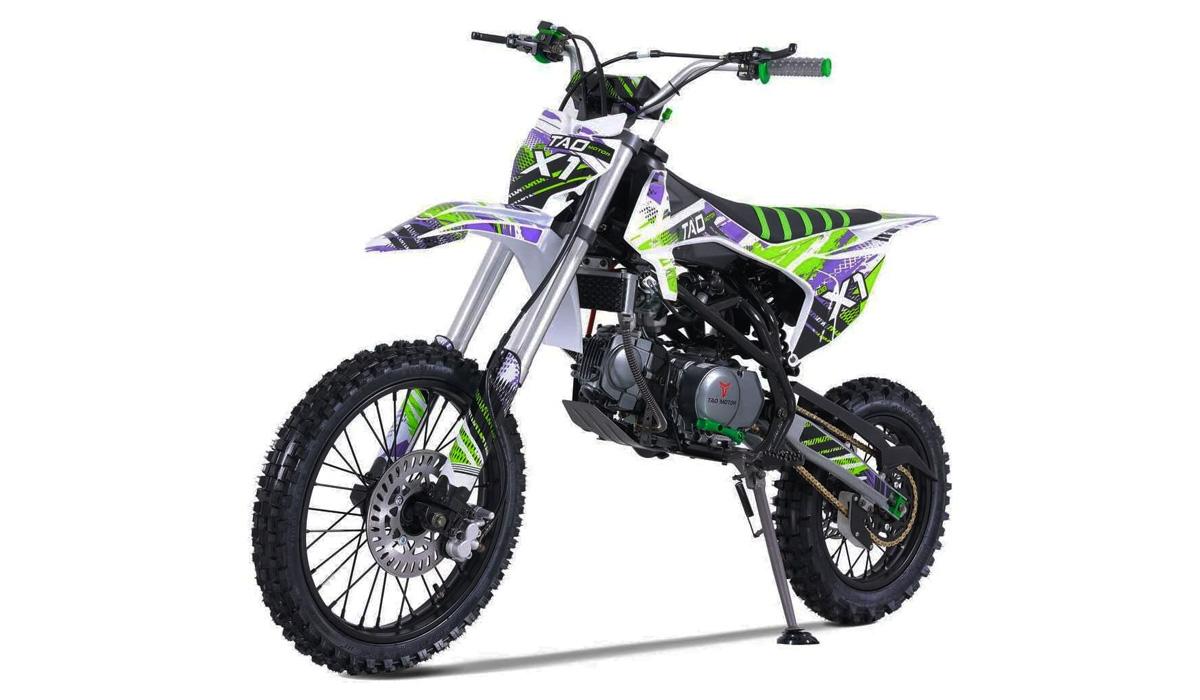
Photo from NTX Power Sports
ALT Text: Green and purple Tao Motor X1 dirt bike
This is the biggest question for any student buyer. A shiny new bike is tempting, but a used one can save you a fortune. Each path has distinct advantages and disadvantages to consider for your student budget.
Pros of Buying New
The primary benefits of buying new are peace of mind and financial accessibility. You get a full warranty with zero hidden damage. Additionally, new bikes often come with promotional financing offers, which can be helpful for students on a tight budget.
Cons of Buying New
The biggest drawbacks are the higher upfront price and rapid depreciation. The initial cost is the most significant barrier for most students. A new bike also loses a substantial portion of its value in the first year of ownership.
Pros of Buying Used
The main advantages of buying used are significant savings and potential upgrades. You can often find a 2-3 year old bike for 40-60% off its original price. Many used bikes also come with valuable aftermarket mods like handguards or skid plates already installed.
Cons of Buying Used
The biggest risks are an unknown maintenance history and the potential for hidden damage. You can’t be sure if the oil was changed regularly or if the bike was abused. There is always a risk of issues like hairline frame cracks or internal engine wear.
Used-Bike Inspection Cheat Sheet
If you go the used route, be thorough, and bring a knowledgeable friend if you can.
- Frame Welds: Check carefully around the head tube. Look for any signs of hairline fractures in the paint or welds, which indicate a major impact.
- Spoke Tension: Tap each spoke on both wheels with a small wrench. They should all make a similar “ping” sound, while a dull “thud” means a spoke is loose.
- Oil Leaks: Inspect the engine closely, paying special attention to the cylinder base gasket and the counter-shaft seal. Any oily residue is a red flag.
| Warning/Important: Don’t let a low price blind you. A used bike with hidden frame damage or engine issues can quickly become a money pit, costing more in repairs than a new bike. A thorough inspection is non-negotiable. |
|---|
What is the Total First-Year Cost?
The price of the bike is only the beginning of your investment. It’s crucial to consider all the associated expenses to get a realistic idea of the total cost. Here’s a look at what you can expect to spend in your first year to get on the trail safely.
| Expense | Budget Tier (Low / High) |
|---|---|
| Bike (new) | $1,700 – $2,400 |
| Bike (used) | $900 – $1,500 |
| Mandatory Gear | $350 – $900 |
| Maintenance (DIY) | $120 – $250 |
| Maintenance (Shop) | $350 – $600 |
| ORV Permits & Insurance | $80 – $200 |
Mandatory Protective Gear
Do not skip this part of the budget. Your brain and bones are your most important assets for getting that degree. You must budget for a full set of gear, including a helmet, riding boots, chest armor, and gloves.
For those cold-weather trail days, a set of heated gloves can keep your fingers responsive and extend your riding season. A great student budget tip is to organize a group gear order. Many online retailers offer discounts on multi-buy orders.
| Warning/Important: Never treat safety gear as an optional expense. Your helmet and boots are a one-time investment that protects your most valuable asset: your ability to stay in school. Budget for quality gear before buying the bike. |
|---|
Where (and Where NOT) to Ride Around Kansas
Owning a bike is one thing; knowing where to legally and safely ride it is another. Before you head out, it’s essential to research local regulations and designated riding areas. Here are some top spots for students in the area.
- Tuttle Creek ORV Area: This is the go-to spot near Manhattan, offering 310 acres of varied terrain. A spark arrestor and an annual Kansas ORV permit are required.
- Milford Lake ORV Park: Known for its clay-based soil, this park offers excellent hill climbs. Be cautious after it rains, as the clay can become very slippery.
- Junction City MX Track: If you get the itch for more structured riding or want to hit some jumps, this is your place. There is typically a gate fee, and full protective gear is strictly required.
Trail Etiquette 101
To ensure everyone has a good time and the trails stay open, follow these essential rules of trail etiquette.
- Uphill riders always have the right of way. If you’re heading downhill and meet another rider, pull over safely and let them pass.
- Keep your exhaust noise down. Most public areas have a 96-decibel limit, and a quiet bike is a respectful bike.
- Pack-in, pack-out. Whatever you bring with you, take it home so the trails stay clean for everyone to enjoy.
Staying Safe & Building Skills
The fastest way to improve your riding is through smart practice and developing good habits from the start. Proper training not only makes you a better rider but also a safer one. Consider these tips to build your skills effectively.
- Enroll in an MSF DirtBike School course. The Motorcycle Safety Foundation offers one-day courses that are invaluable for learning fundamental skills from certified instructors.
- Practice the “ready position.” This is the fundamental athletic stance for dirt biking: stand on the pegs with your elbows up, knees bent, and weight centered.
- Find a community. Campus riding clubs and local groups often organize beginner-friendly trail days, which is a great way to get peer coaching.
Student FAQs
Q: Will I outgrow a 150cc bike quickly?
A: It’s a common concern, but many experienced riders keep a 150cc as a “play bike” for tight trails. Remember, riding skills, not just engine size, dictate your fun and speed on the trail. Your ability to handle the bike matters more than raw power.
Q: Do I need a motorcycle license for purely off-road use?
A: In Kansas, you do not need a license for a bike that is used exclusively off-road on designated trails. However, the moment your bike touches a public road, a Class M motorcycle endorsement is legally required. Always check your local laws.
Q: Premix or straight pump gas?
A: This depends on the engine type, as only two-stroke engines need premixed fuel. Most modern 150cc student-friendly bikes are four-stroke. Just pump standard 87-octane gas from any station and you’re ready to ride.
Q: What are some summer break storage ideas?
A: Proper storage is key if you’re heading home for the summer. Drain the carburetor, fog the cylinder with storage oil, and put the bike on a stand. Sharing a small self-storage unit with other riders is also a great, cost-effective option.
Your Next Steps
Ready to trade screen time for trail time? Here’s your action plan to get started.
- Test-sit a 150cc model this weekend. Go to a dealership and just sit on a few bikes to check the fit and feel.
- Pencil out a realistic budget. Add up the cost of the bike, all the mandatory gear, and then add a 20% cushion for unplanned expenses.
- Sign up for an MSF DirtBike School course. Getting professional training from day one is the smartest investment you can make in your safety.
- Plan your maiden voyage. Choose an easy, well-marked spot and invite a more experienced friend to come along for support.
Freedom from study stress is only a throttle twist away. Do your research, ride smart, and ride safe. We’ll see you on the trail next Saturday, where textbooks are strictly optional.
| Author Profile: NTX Power Sports is a leading provider of affordable powersports vehicles for riders and adventure seekers across the U.S., delivering to all states except Alaska and Hawaii. |
|---|