










































































































The United States Mint struck its final penny on Nov. 12, marking the end of its 232-year run as a circulating coin. Though the penny will remain legal tender for the foreseeable future, its production cost has become too high for the government to justify.
According to a U.S. Mint press release, “… economic and production factors, combined with evolving consumer behavior, have made its continued production unsustainable. Over the past decade, the cost of producing each penny has risen from 1.42 cents to 3.69 cents per penny.”
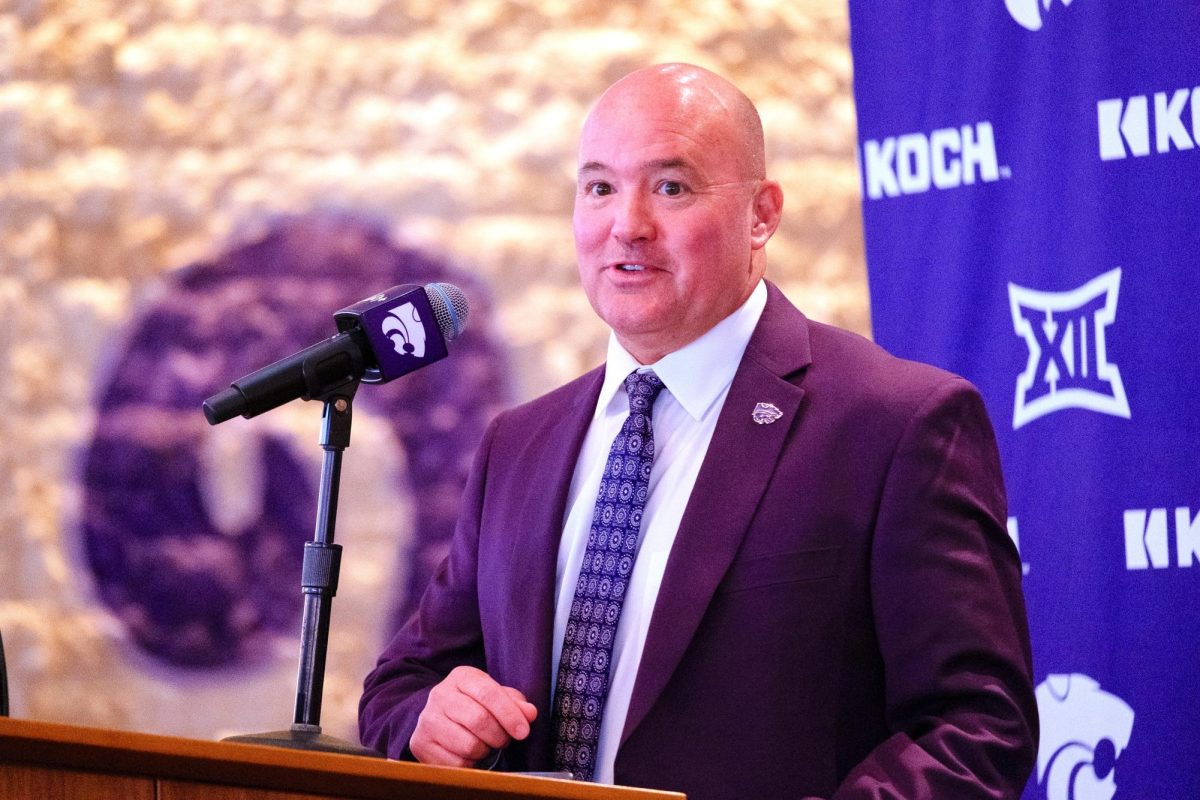
Dan Kuester, director of undergraduate studies in economics at Kansas State, said this act is the government’s way of saving money where they can.
“Where the government doesn’t particularly save a lot of money on a lot of things, this does save a few million dollars here and there, which, in a $30 trillion economy, is not avidly that much, but it makes people feel good that the government’s trying to do something to be more efficient,” he said.
Kuester believes the end of penny production won’t cause any issue for most shoppers.
“Prices are such that the usefulness of the penny is probably relatively obsolete,” he said. “I don’t see this as a huge disruption to people’s everyday purchases. Of course, a larger and larger percentage of people’s purchases are electronic banking transactions, anyway.”
In fact, Kuester said he hasn’t seen much need for the penny for several years due to inflation and the changing economy.
“When I was a boy, prices were maybe 20-30% of what they are now. Back then, you might get a little bit of people wanting pennies. But I think, for the most part today, it’s a minor concern at most.”
With around 300 billion pennies still in circulation, according to the Mint, there aren’t any federal laws requiring businesses to change their pricing.
Local businesses in Manhattan, like The Fridge Wholesale Liquor, won’t change their policy this year, at least.
“Our bank has told us we hopefully will have a limited supply of pennies until the end of the year, and then at that point we’re going to sit down and figure out exactly what we’re going to do,” Rob Caya, associate at The Fridge, said. “It seems that, as of right now, we don’t have a concrete set plan.”
Anne Morgan, manager at ACME Local, said the business has “bigger things to worry about.”
“Cash sales are a pretty small percentage of what we do these days,” Morgan said. “Most people use cards, or Apple Pay or whatever.”
However, Audrey Adams, server at Tallgrass Tap House, said tip-dependent employees may lose money if penny usage dwindles.
“If a customer pays in cash, we hold onto the cash until the end of the night, and then we end up paying the restaurant what the customer owes,” Adams said. “Any leftover cash or change would be our tip. If restaurant prices don’t change, I can see how I would lose out on a few cents trying to make sure the restaurant gets paid what they’re owed.”
Adams said Tap House management hasn’t told their staff to adjust any protocol yet.
“I can see prices being difficult or changing, and I can see how that would be difficult for regular cash users versus card users. I feel as though cash users would be at a disadvantage, because how are you going to pay something that ends in nine cents if you don’t have nine cents?”
Corporations like McDonald’s will solve this problem with a rounding system, Amanda Blair, manager at the McDonald’s on Westloop, said.
“We’re rounding up,” Blair said. “Three and four round up to five, one and two round down.”
Any price ending in a digit greater than five will round up to the nearest dollar.
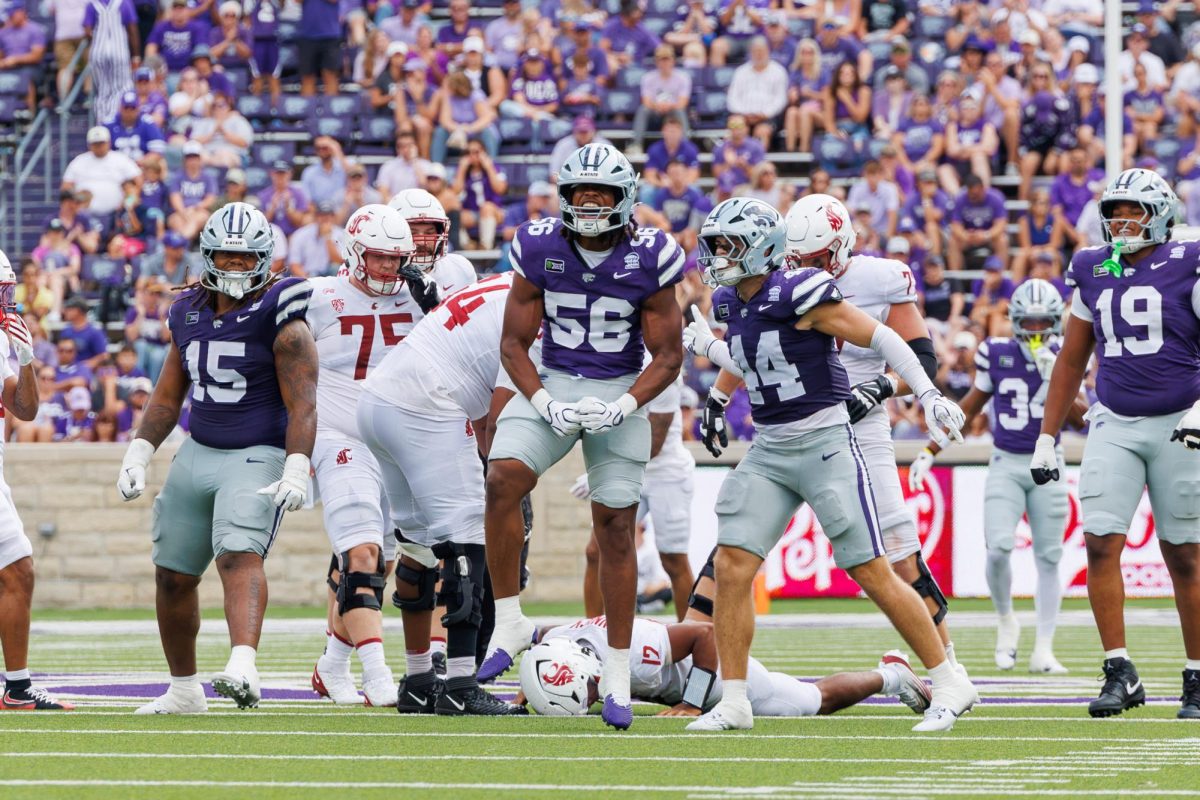
Kansas State Athletics announced its venues would go cashless in August of 2024, saying in a press release the decision would “reduce wait times while providing a faster and more secure payment system for fans.”
Kuester said when organizations go cashless, they usually have motives other than better customer experience.
“Usually when firms do that, it’s more to prevent employee theft than anything,” he said. “They say it’s beneficial for the consumers, but I don’t know that it really is.”
Though he’s in favor of ending penny production, Kuester said he wouldn’t support efforts to make America completely cashless.
“When you talk about the government saying, ‘We’re gonna go cashless,’ this is done very much to monitor people’s economic activities and try to crack down on illegal behavior,” he said. “I object to that.”
Currently, the U.S. government is not considering an imminent elimination of physical currency. Kuester said this move wouldn’t be worth the government’s time.
“Even if you said, ‘Okay, we’re going to go cashless in the United States,’ the dollar is used all over the world,” he said. “It wouldn’t even have the desired impacts in terms of severely harming illegal activity because it may get outsourced to some degree.”
At the end of the day, Kuester said, the Mint’s move to stop production of pennies doesn’t have larger implications that should worry the average consumer.
“We’re kind of making this out to be a bigger deal than it is.”