





























































































































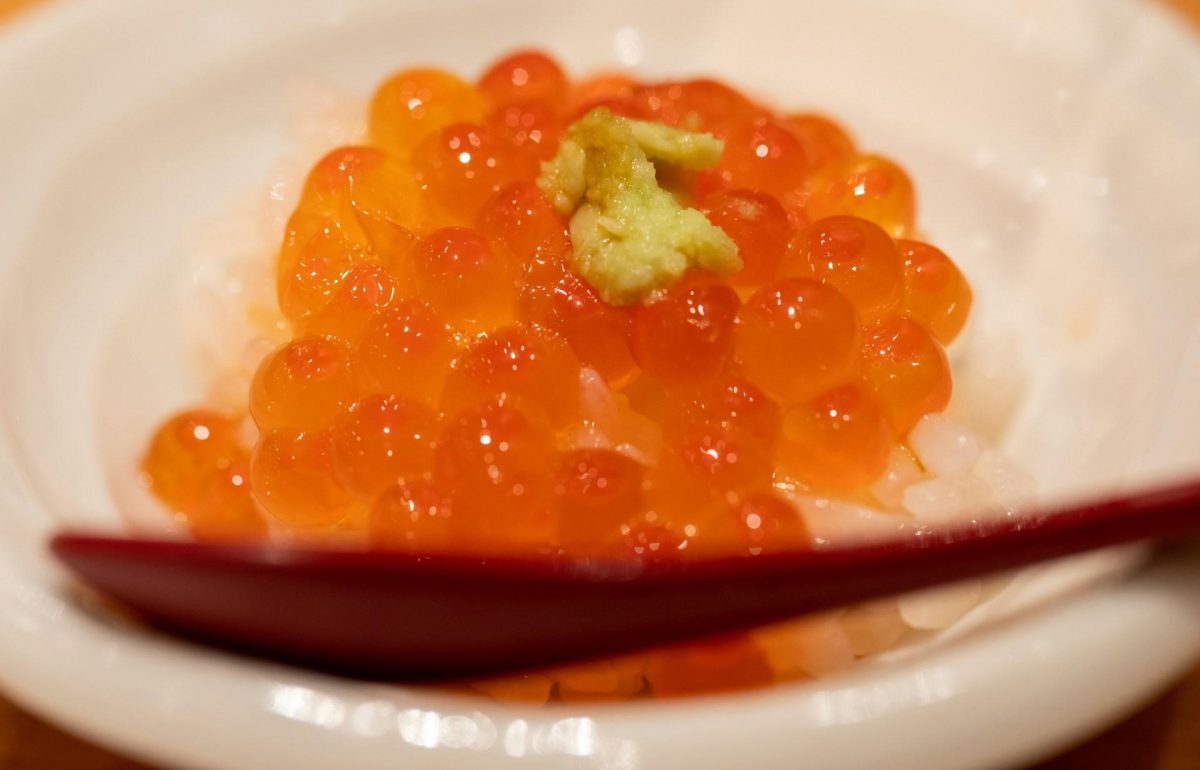
Few foods carry quite as much elegance and mystique as caviar. From luxurious tasting menus to special celebrations, these delicate fish eggs have long been associated with fine dining and refined traditions.
However, if you’ve ever seen caviar served at a restaurant or event, you may have noticed it’s presented with a mother-of-pearl, bone, horn, or another non-metal spoon.
So, what’s the reason behind this centuries-old rule? Is it simply a matter of etiquette, or does a metal spoon actually affect the taste? The answer is a little bit of both. Understanding why certain serving tools are preferred can help you appreciate caviar the way it was intended to be enjoyed and make your next tasting even more memorable.
Where Did the “No Metal Spoon” Rule Come From?
The tradition of avoiding metal spoons dates back to the early days of caviar service. Because caviar is prized for its subtle, complex flavor, experts wanted to ensure that nothing distracted from its delicate balance of buttery, briny, and slightly nutty notes.
As a result, serving caviar with non-metal utensils became standard practice among producers, chefs, and fine-dining establishments. Mother-of-pearl quickly became the material of choice because it was considered neutral and elegant.
Over time, other materials such as bone, horn, wood, and certain food-safe plastics also gained popularity. Today, using a non-metal spoon remains one of the most recognizable traditions associated with serving premium caviar.
Does Metal Really Change the Taste of Caviar?
Caviar has a remarkably delicate flavor profile, so even subtle changes can be noticeable. More reactive metals, particularly silver, may leave behind a faint metallic taste or aroma when they come into contact with salty foods like caviar. That slight interference can mask some of the product’s natural richness.
While the effect isn’t always dramatic, enthusiasts believe it’s enough to justify using non-metal utensils whenever possible. If you’re investing in high-quality caviar, preserving every nuance of its flavor becomes part of the experience. Choosing the right spoon is simply one easy way to let the roe shine on its own.
What Spoons Are Best for Serving Caviar?
The classic choice for caviar service is a mother-of-pearl spoon, which is both beautiful and non-reactive. Its smooth surface won’t influence the taste, making it a favorite among caviar connoisseurs and upscale restaurants alike.
Other excellent options include spoons made from bone, horn, wood, acrylic, or food-safe plastic. These materials are similarly neutral and allow the natural flavors of the caviar to remain front and center.
Is Stainless Steel Actually a Problem?
Not all metal spoons are created equal. Modern stainless steel is much less reactive than older metals like silver, which means it’s less likely to alter the flavor of caviar during the short time it takes to enjoy a serving. For many people, especially those enjoying caviar casually at home, a clean stainless steel spoon won’t make a dramatic difference.
However, traditional caviar service still recommends non-metal utensils whenever possible. Since premium caviar is often appreciated for its subtle tasting notes, enthusiasts prefer to eliminate even the slightest chance of flavor interference. Think of it as an extra step that helps showcase the product at its very best.
Other Rules for Serving Caviar Properly
The spoon isn’t the only factor that influences the caviar experience. Caviar should always be kept well chilled until it’s ready to serve, often by placing the serving dish over a bowl of crushed ice. This helps preserve both the texture and the fresh, clean flavor.
It’s also best to handle caviar gently and avoid excessive stirring, which can damage the delicate eggs. Traditional accompaniments like blinis, lightly buttered toast points, or crème fraîche complement the roe without overwhelming its flavor. The goal is to let the caviar remain the star of the plate.
Is the Spoon More About Tradition Than Science?
The answer is somewhere in the middle. There is genuine science behind avoiding reactive metals, but the tradition has also become part of the ritual that makes serving caviar feel special. Using a beautiful mother-of-pearl or bone spoon adds a sense of occasion, enhancing the overall dining experience.
Still, don’t let etiquette discourage you from trying caviar. Whether you’re sampling a luxury tin or enjoying a more affordable variety, the most important part is appreciating its unique taste. The “rules” are meant to enhance your enjoyment, not intimidate you.
A Small Detail That Protects Big Flavors
When it comes to serving caviar, the spoon is more than just a utensil. Choosing a non-metal option helps preserve the delicate flavors that make this luxury food so distinctive while honoring a tradition passed down for generations.
Although modern stainless steel is less likely to affect the taste than older metals, mother-of-pearl and other non-reactive materials remain the preferred choice for the fullest experience. If you’re treating yourself to caviar, this simple detail can help ensure every bite tastes exactly as intended.