















































































































When people think about erectile dysfunction (ED), they often think of it as something that only affects older men. In reality, ED can affect men of different ages, backgrounds, and health profiles.
Erectile dysfunction is the inability to achieve or maintain an erection that’s firm enough for sexual activity. While occasional difficulties are normal, ongoing issues are more common than many people realize, and millions of men experience ED at some point in their lives.
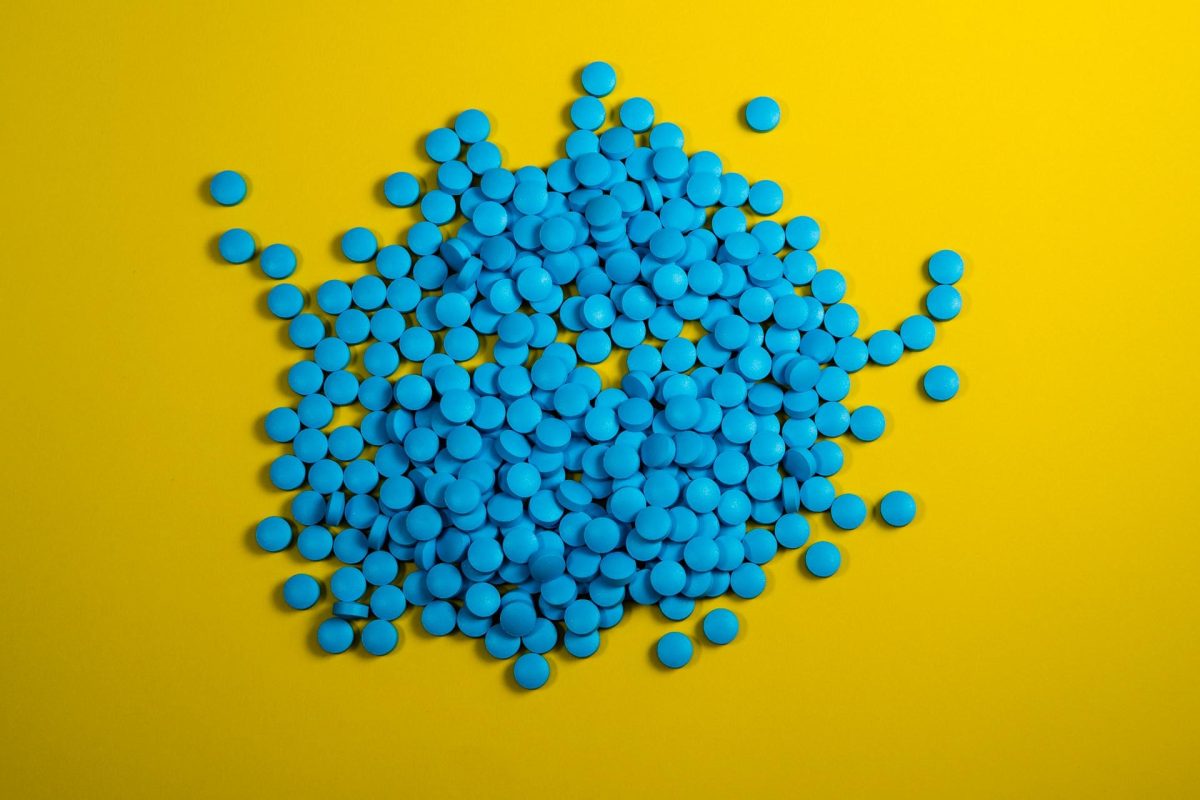
Fortunately, there are more treatment options available than ever before. Some men find relief through lifestyle changes, while others may explore counseling or prescription ED meds as part of their treatment plan. Understanding who is most likely to experience ED can help remove some of the stigma and encourage people to seek support when needed.
Age Increases the Odds, but It’s Not the Whole Story
Age is one of the biggest risk factors associated with erectile dysfunction. As men get older, natural changes in blood flow, hormone levels, and overall health can make erections more difficult to achieve or maintain. However, aging itself is not a guarantee that ED will occur.
Many men remain sexually active and continue to enjoy healthy erectile function well into their later years. The reason ED becomes more common with age is often that other health conditions and risk factors become more common as well. Age may increase the odds, but it is rarely the only factor involved.
Men With Certain Health Conditions Face a Higher Risk
Healthy erections depend on proper blood flow, nerve function, and communication between the brain and body. When one or more of these systems are affected, erectile dysfunction can become more likely. Several health conditions are associated with a higher risk of ED, including diabetes, heart disease, high blood pressure, and obesity.
Diabetes can damage blood vessels and nerves, while cardiovascular conditions may limit circulation. Excess weight can also affect hormone levels and overall vascular health. Because of these connections, ED can sometimes serve as an early warning sign that something else is happening in the body.
Mental Health Can Play a Major Role
Not all causes of ED are physical. Mental and emotional health can have a significant impact on sexual performance and confidence. Stress from work, finances, family responsibilities, or relationships can make it more difficult to stay focused and relaxed during intimate moments.
Anxiety and depression may also contribute to erectile difficulties, while performance anxiety can create a frustrating cycle that becomes hard to break. Treating ED may also require paying attention to emotional well-being and mental health.
Lifestyle Habits That May Increase the Risk
Your daily habits can have a bigger impact on erectile function than you might think. The body needs healthy circulation, balanced energy, and steady communication between the brain and blood vessels to support an erection.
Smoking is one major factor because it can affect blood vessels and reduce healthy blood flow. Heavy alcohol use may also interfere with sexual response, especially over time.
A lack of physical activity, poor sleep, and a diet low in nutrient-rich foods can all also contribute to the problem. Moving more, sleeping better, limiting alcohol, and quitting smoking may support better overall health, and sexual health along with it.
Medications and Medical Treatments Can Contribute
Sometimes, ED is connected to something a person is taking or a treatment they’re receiving. Certain prescription medications may affect sexual function, including some drugs used for blood pressure, depression, anxiety, and other health concerns.
However, you shouldn’t stop taking a medication on your own. In many cases, a healthcare provider can adjust the dose, suggest an alternative, or help weigh the benefits and side effects. The important thing is to bring it up, even if the conversation feels awkward.
Medical treatments and surgeries, especially those involving the pelvic area, may also play a role. If ED starts after beginning a new medication or treatment, it is worth discussing with a provider.
Younger Men Can Experience ED
In younger adults, erectile dysfunction may be linked to stress, anxiety, relationship issues, alcohol use, lack of sleep, or underlying health conditions that have not yet been diagnosed. Because ED is often treated as an older man’s issue, younger men may be more likely to ignore it or feel embarrassed.
ED is worth taking seriously at any age. Persistent erectile difficulties can be a sign that the body or mind needs attention.
ED Can Affect More People Than You Think
Erectile dysfunction is not reserved for one specific group of men. It can affect older adults, younger adults, people with health conditions, people under stress, and people whose lifestyle habits or medications may be part of the picture.
Ultimately, ED is common, understandable, and often treatable. Talking with a healthcare provider can help identify what is contributing to the issue and which options may help, so you can move forward with confidence.