


























































































































Most students get used to managing their own healthcare pretty quickly. A trip to a campus clinic, an urgent care visit, or a counseling appointment usually feels routine. You check in, get seen, and go back to class, work, or whatever else is waiting for you.
Still, not every visit feels simple. Sometimes something feels off, even if you cannot explain it right away. It could be a comment that lingers after the appointment, a lack of clear communication, or an interaction that leaves you uneasy on the way home.
Knowing how to recognize those moments and what to do with them can make a real difference.
When a Visit Doesn’t Feel Right
Most medical visits do not raise concerns. When one does, it is worth paying attention.
That feeling does not always come from one obvious moment. Sometimes you leave an appointment more confused than when you arrived. Sometimes it feels like your questions were brushed aside or your concerns were not taken seriously.
In other cases, the issue comes down to communication. A provider may not clearly explain what they are doing, or they may move ahead without making sure you understand what is happening. Tone matters as well. Rushed care, dismissive comments, or behavior that feels unprofessional can change the whole experience.
Some situations are more direct. Inappropriate remarks, unnecessary physical contact, or pressure during an exam can cross a line, even if it takes time to sort out why it felt wrong.
Not every uncomfortable visit points to a larger problem. Still, repeated concerns, strong gut reactions, or anything that feels clearly out of place deserve attention. Recognizing those signs early can help you decide what to do next.
What to Do in the Moment and After
If something feels off during a visit, you do not have to ignore it or force yourself through the rest of the appointment. It is okay to pause, ask questions, or speak up if you are unsure about what is happening. You can ask a provider to explain what they are doing, why it is necessary, or give you a moment before continuing.
After the appointment, it helps to write down what happened while it is still fresh. Note the date, location, names, and anything that stood out. Keep copies of paperwork, discharge instructions, prescriptions, or messages tied to the visit in case you need them later.
If you are not sure whether something was handled appropriately, getting a second opinion can bring clarity. Another provider may confirm that everything was standard, or they may point out concerns you had not considered.
At times, a visit that felt wrong involves more than simple miscommunication. When care causes harm, is handled carelessly, or falls below expected standards, it may fit into a broader legal category. A clearer breakdown of common types of personal injury claims can help put those situations into context.
Taking a few practical steps early can make it easier to protect yourself and decide how you want to move forward.
How These Situations Can Vary by Location
Experiences like this do not happen in just one place or setting. Students at K-State in Manhattan may rely on campus services for some needs, then visit local clinics, urgent care centers, or larger healthcare systems elsewhere in Kansas for others. Some may also travel to nearby metro areas, such as Kansas City, for more specialized care, meaning one student’s healthcare experience can span several environments.
That matters because the setting can shape how concerns are handled. A larger system may have more formal complaint processes or clearer follow-up channels. Smaller communities may offer fewer options for second opinions or support. The standard of professional conduct should remain the same, but the experience of speaking up can feel very different depending on where care is provided.
That broader view also helps put cases from outside Kansas in context. In Illinois, the Fabio Ortega sexual misconduct lawsuit reflects concerns that are not limited to one state or one kind of healthcare setting. Similar issues have surfaced in large urban healthcare systems and smaller regional clinics across the country, which shows how questions of trust, accountability, and patient safety can carry across very different environments.
Looking at patterns across places can help students take their own experiences seriously. Whether care takes place in Manhattan, a larger city, or another state entirely, the core issue remains the same: students deserve clear communication, professional boundaries, and care that feels safe and appropriate.
Getting Support and Understanding Your Options
When something does not feel right, figuring out what to do next can feel overwhelming. You do not have to sort it out alone. Many campuses offer support through student health services, counseling centers, or Title IX offices, and talking with someone you trust can help you think through your options more clearly.
It also helps to understand what kind of situation you may be dealing with. Some concerns can be addressed through follow-up care or a second opinion. Others may need to be reported through formal channels. In more serious cases, outside support may help you better understand what happened and what options are available.
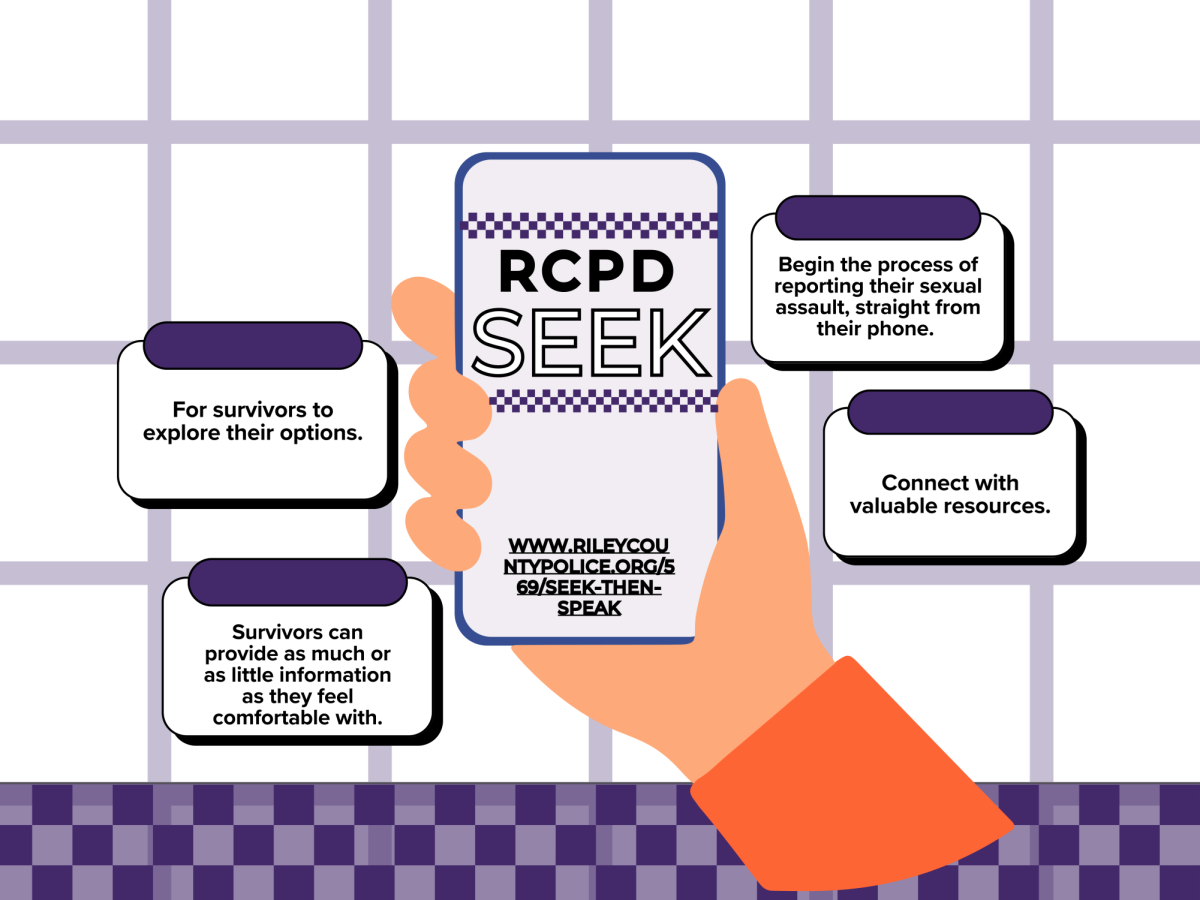
If you are unsure where to begin, guides like reporting sexual assault and what to expect can make the process feel less abstract and more manageable.
What matters most is giving yourself permission to take the experience seriously and seek clarity. That may mean asking more questions, speaking with someone on campus, or looking into outside resources. Support can exist at each step.
Moving Forward with Confidence
A difficult or confusing healthcare experience can stay with you, especially when you are still trying to make sense of it. Taking time to reflect, ask questions, and get clarity can help you feel more in control.
Future appointments may also feel easier when you go in with a better sense of what to expect. That could mean asking more questions during a visit, requesting explanations before a procedure, or bringing a friend or family member along if you feel unsure. Small steps like that can help you feel more grounded in the moment.
It also helps to trust your instincts. If something feels off, even when you cannot explain it right away, that feeling is worth paying attention to. You do not need every answer on the spot to recognize that something did not feel right.
Learning how to spot concerns, respond thoughtfully, and seek support when needed can make future experiences feel more manageable.
Conclusion
Most healthcare visits are straightforward, but when something feels wrong, it is worth taking seriously. Whether the issue turns out to be a misunderstanding or something more serious, knowing how to respond can help you make informed decisions about your care.
Students do not have to handle these situations alone. With the right information, support, and awareness, it becomes easier to recognize concerns, ask better questions, and move forward with more confidence.