

























































































(Source)
Something significant is shifting in how parents think about their children’s education. Enrolment in non-traditional schooling models has grown steadily over the past decade, and the trend accelerated sharply following the disruptions of recent years. Parents who once assumed traditional school was simply what education looked like are now asking harder questions about whether that model is actually serving their child well.
The answers they are finding are driving a meaningful move toward alternative education in all its forms. From microschools and Montessori programmes to project-based learning academies and one-to-one instruction models, the options available to families have never been broader or more accessible.
The common thread is not dissatisfaction for its own sake. Most parents choosing alternative education are not rejecting learning. They are pursuing a better version of it, one that fits their child rather than asking their child to fit a system designed for a different era.
Understanding what alternative schools actually offer and why they are resonating so strongly with today’s families starts with understanding what the traditional model is increasingly struggling to provide.
The One-Size-Fits-All Problem
Traditional schooling operates on a model built around consistency and scale. A teacher manages a class of twenty to thirty students, delivers a standardised curriculum at a pace set by the group, and assesses progress against uniform benchmarks. For students who happen to fit that model, it works reasonably well.
For those who do not, it creates persistent friction. Students who learn faster than the class pace disengage from material that is not challenging them. Students who need more time with a concept fall behind and carry that gap forward into increasingly complex material. Students with different learning styles, attention profiles, or emotional needs find themselves managing the demands of an environment that was not designed with them in mind.
Parents are recognising this mismatch earlier than previous generations did. They are also less willing to accept that their child simply needs to adapt to the system. The question is shifting from how do we get our child to fit the school to how do we find a school that fits our child.
What Alternative Education Actually Offers
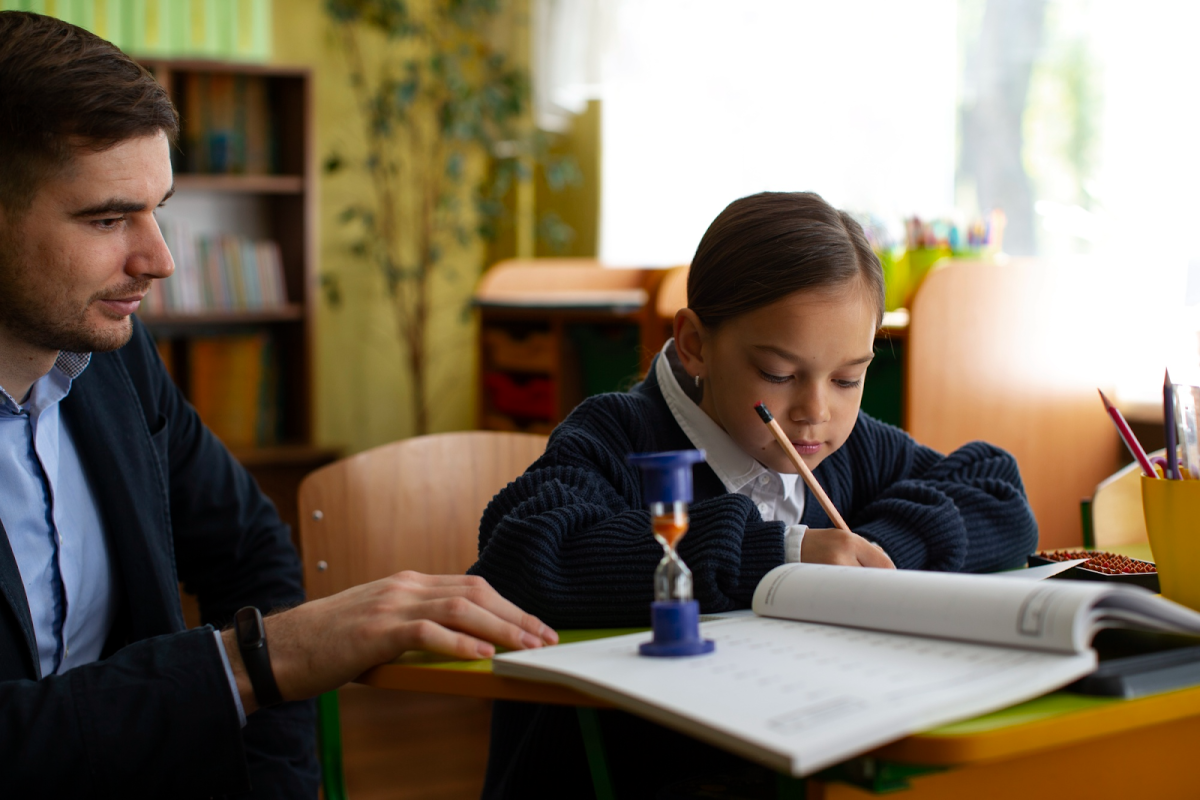
Alternative schools take many different forms, but they share a set of qualities that address the core limitations of the traditional model. Smaller learning environments reduce the student-to-teacher ratio and allow for more personalised attention. Flexible pacing means students can move through material at the speed that serves their actual comprehension rather than the speed dictated by the group.
Many alternative models place a stronger emphasis on how students learn rather than solely on what they learn. Project-based approaches build critical thinking, problem-solving, and collaboration skills alongside academic content. Socratic and discussion-based methods develop the ability to reason, articulate, and engage with ideas in ways that standardised curricula rarely prioritise.
For students who have struggled in traditional settings, the shift to an alternative environment often produces a rapid and significant change in engagement, confidence, and academic performance. When a child feels seen as an individual rather than managed as part of a group, their relationship with learning changes fundamentally.
The Role of Social and Emotional Wellbeing

(Source)
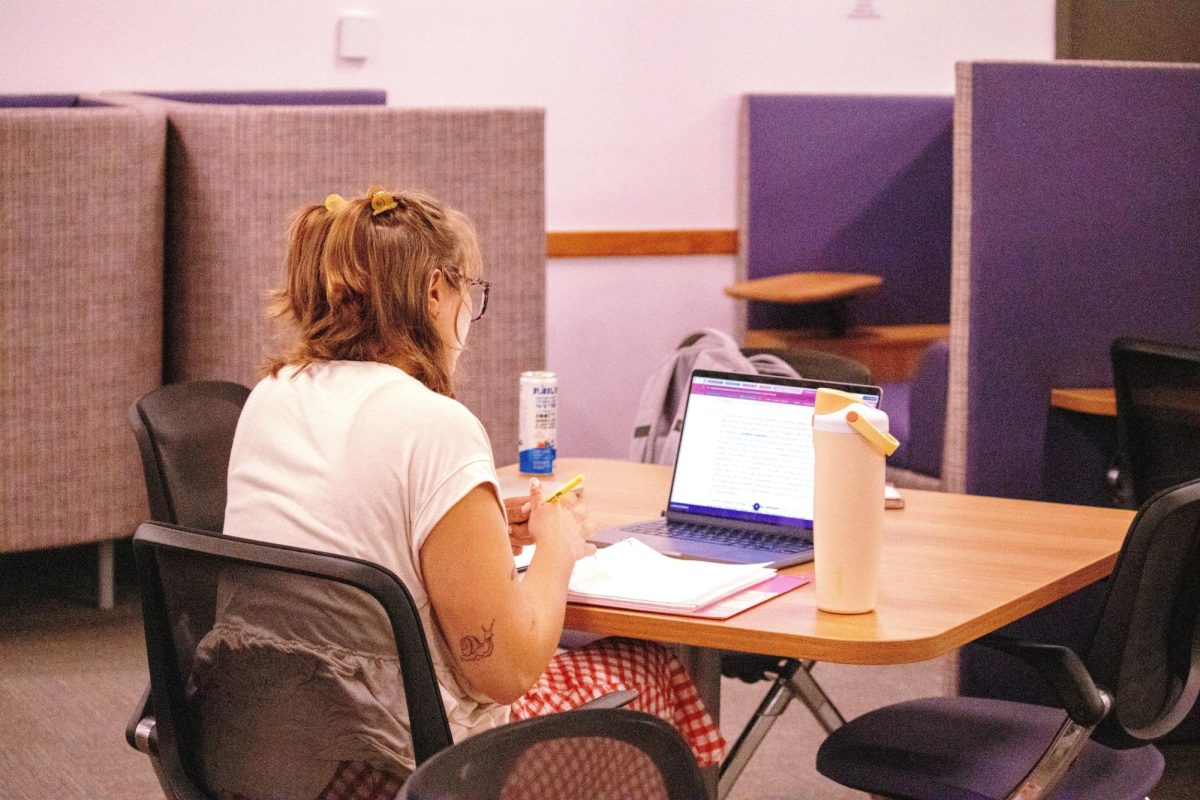
One of the most consistent motivators behind parents choosing alternative education is concern for their child’s social and emotional wellbeing. Traditional school environments, particularly at the secondary level, can be socially intense in ways that are genuinely difficult for many young people to navigate.
Anxiety, bullying, social pressure, and the challenge of managing complex peer dynamics alongside academic demands take a real toll on many students. For children who are already managing learning differences, emotional sensitivity, or social challenges, the traditional school environment can amplify those difficulties rather than supporting their management.
Alternative schools typically operate with a stronger emphasis on psychological safety, individual support, and the kind of adult relationships that help young people feel genuinely connected and cared for within their learning environment. That emotional foundation is not separate from academic performance. It is what makes consistent academic engagement possible in the first place.
Who Is Making This Choice and Why
The parents choosing alternative education are not a uniform group. They include families whose children are academically advanced and chronically under-stimulated in traditional classrooms. Families whose children have learning differences that require more individualised support than mainstream schools can practically provide. Families who have watched a previously enthusiastic learner become disengaged, anxious, or resistant to school over time.
They also include families who are simply drawn to a different educational philosophy, who believe that curiosity, creativity, and intrinsic motivation are worth protecting and that the traditional model does not do enough to preserve them through the years of formal schooling.
What they share is an active engagement with the question of what their child needs educationally and the conviction that finding the right answer matters enough to look beyond the default option.
Practical Considerations for Families
Exploring alternative education requires research, conversations, and often a willingness to question assumptions that have been in place since the parents themselves were at school. Visiting schools, understanding their specific pedagogical approach, and speaking with other families who have made the transition all contribute to a clearer picture of whether a particular model is the right fit.
Accreditation, academic outcomes, and the pathway from alternative education into higher education or employment are all legitimate questions to investigate. Many alternative schools have strong records across all of these measures, and the assumption that non-traditional equals academically inferior does not reflect the evidence on outcomes from well-designed alternative programmes.
Cost is a practical consideration for many families, and the range of options across different price points is wider than many parents initially assume. Some alternative models operate within the public system. Others are independent with fee structures that vary significantly. Understanding the full landscape of what is available in your area and at what cost is an early step worth taking before ruling options in or out.
A Decision Worth Taking Seriously
The decision about where and how a child is educated is one of the most significant a family makes. It shapes not just academic outcomes but a child’s relationship with learning, their sense of self, and the habits of mind they carry into adulthood.
Alternative education is no longer a fringe choice for a small minority of families. It is a growing and increasingly mainstream response to the genuine limitations of a traditional model that was built for a different world. For the families it serves well, it is not a compromise. It is simply a better fit.
That is a conclusion more parents are reaching every year, and the range and quality of options available to support that choice have never been stronger.