














































The goal of every Kansas student-athlete is to compete for a state championship on a level playing field. Yet when the postseason consistently favors programs with different structural advantages, it chips away at the motivation of athletes in community-based public schools.
High school sports are supposed to be about resilience and fair play, but that spirit is weakened when the path to a title feels uneven before the season even begins. To ensure the postseason remains an attainable goal for every kid in the state, the Kansas State High School Activities Association (KSHSAA) should consider separate championship brackets for public and private schools.
This is not an argument against private schools or their success. Many private programs in Kansas are exceptionally well-run and consistently excellent. The issue is structural. Public and private schools operate under different enrollment realities, and those differences matter most in postseason competition.
Public schools remain community-based institutions. Even under Kansas’ open-enrollment changes, they are still shaped by geography, capacity and transportation, serving primarily the students within their districts. Private schools, however, operate without those same boundaries, allowing them to draw from a broader geographic area and build programs with fewer structural constraints.
Kansas has long attempted to address this imbalance through a multiplier system that places private schools in higher classifications. With a “multiplier system,” KSHSAA’s goal has been to create more equitable postseason groupings. However, results suggest the gap has not closed.
Private schools make up roughly 7.6% of KSHSAA’s 348 member schools, according to association enrollment data. In 2017-18, private schools won 30 of 133 state championships, or 22.6%, despite representing a small fraction of total schools.
That share has since increased. In the 2024-25 school year, private schools won approximately 34% of Kansas’ major team state championships, and in the 2025-26 season, they accounted for 31% of fall and winter team titles. In basketball alone this season, private schools won 35.7% of state championships and nearly 40% of state tournament qualifiers in Classes 6A and 5A, according to postseason bracket data.
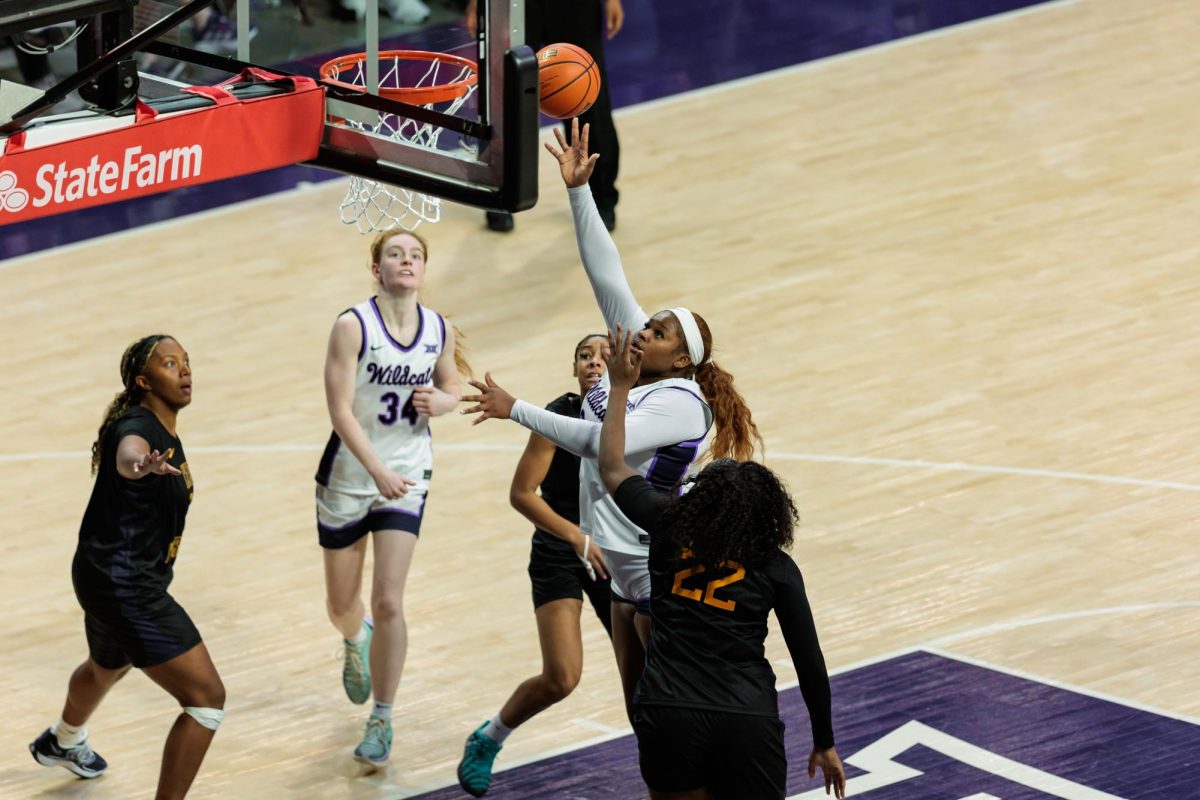
A glaring example of private school dominance is St. Tomas Aquinas, which has won 138 state championships across all activities, according to KSHSAA historical records. Another example is Bishop Miege’s girls basketball program, which has won 24 state titles, including championships from 2014-17, 2019 and 2021-25. Their only interruption in that stretch came this year — not from a public school, but from another private program, Hayden.
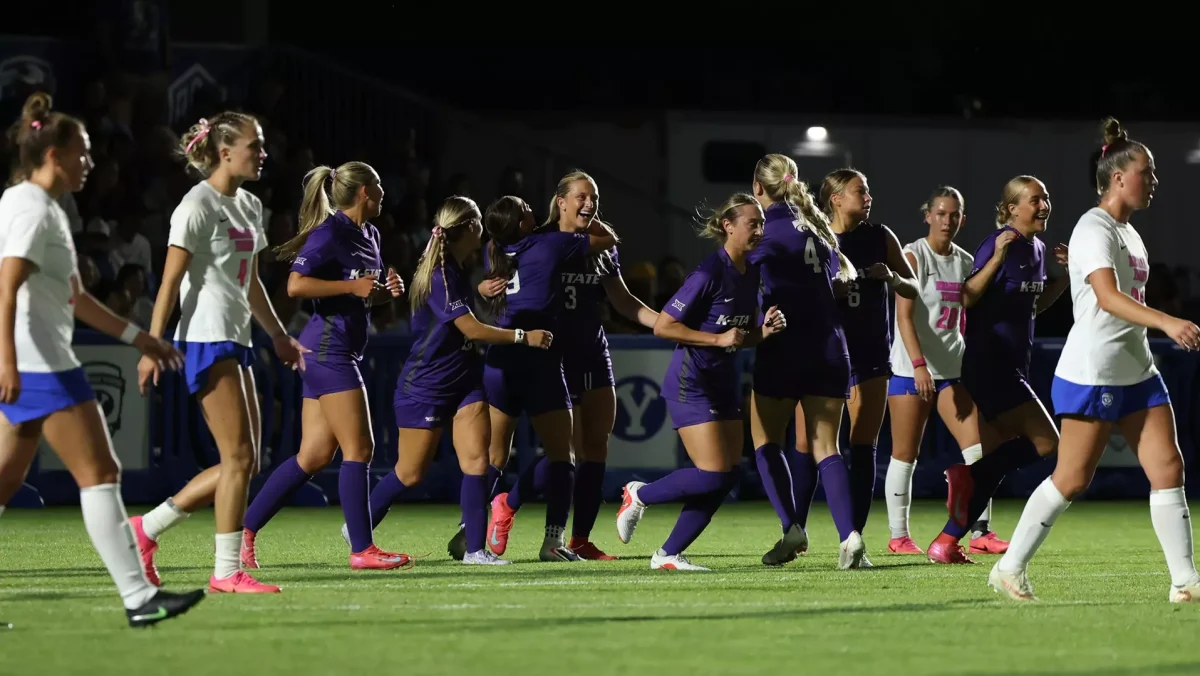
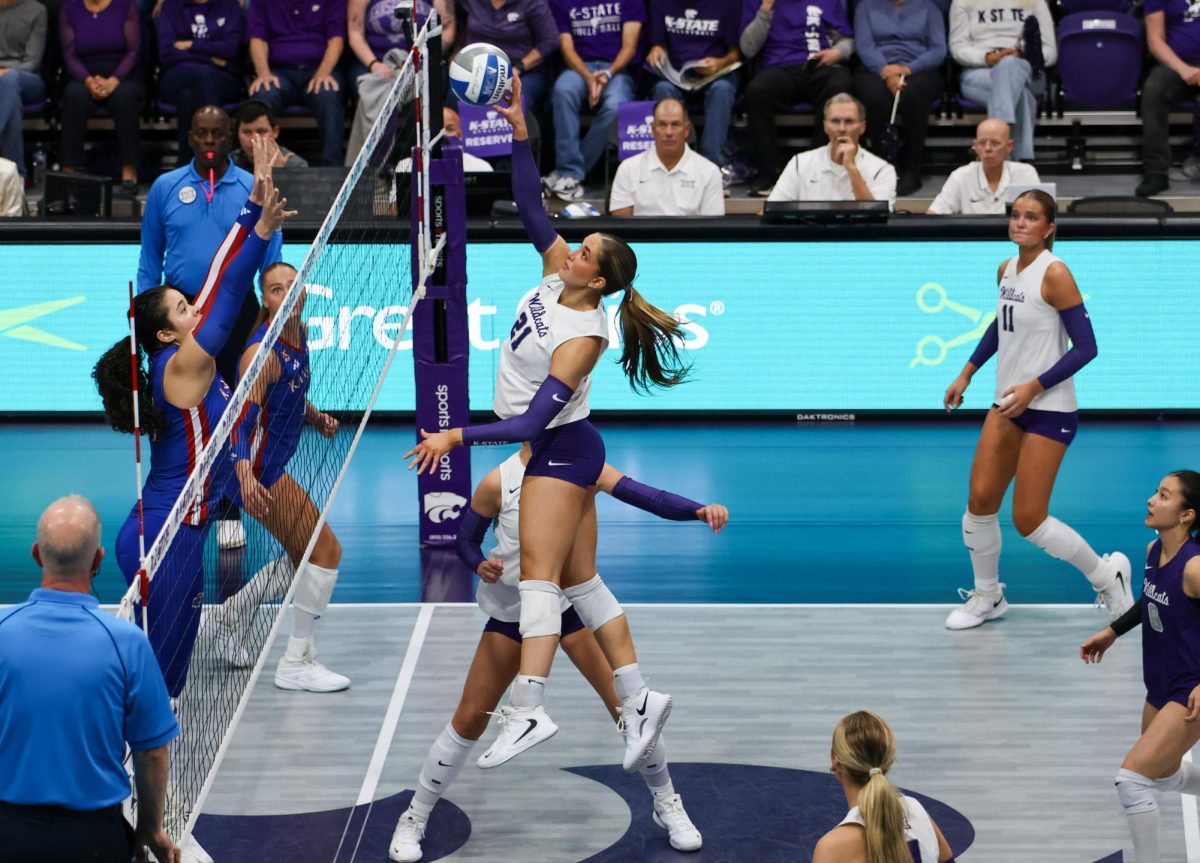
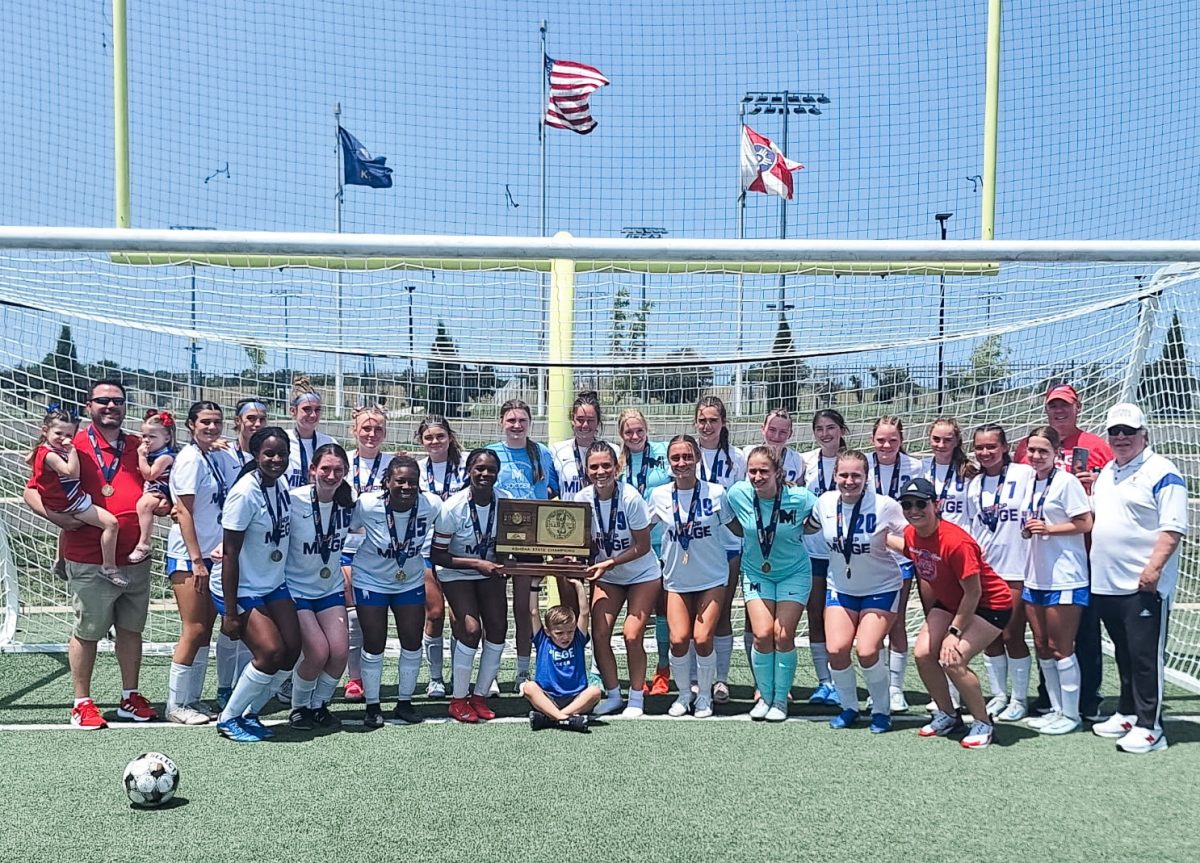
Beyond basketball, Miege’s girls soccer program has also built historic dominance, winning nine consecutive state championships and 10 overall, a streak that stands as one of the most sustained runs in KSHSAA history. Collegiate and St. James have also produced sustained success across volleyball, tennis and basketball, often winning multiple state titles per year.
Public schools can and do break through — Andale and Axtell are examples — but those runs are often shorter and tied to exceptional local talent, even if it creates a dynasty. For many public schools, especially rural and mid-sized programs, state championships remain rare.
Over the last 16 years, private schools won championships at nearly five times the rate of public schools, based on aggregated KSHSAA championship records. More specifically, one in three private schools win a team state title in a given year, compared to about one in 15 public schools. Furthermore, many private schools have earned five to eight team state championships since 2010, while many public schools have one or none in the same period.
Other states have already addressed this imbalance more directly. In Tennessee, the Tennessee Secondary School Athletic Association (TSSAA) separates schools by financial aid and enrollment model. Public and private schools without financial aid compete in Division I, while private schools that offer financial aid compete in Division II against similarly structured programs.
In Texas, public schools compete under the University Interscholastic League (UIL), while most private schools compete in separate organizations such as the Texas Association of Private and Parochial Schools (TAPPS) and the Southwest Preparatory Conference (SPC). Each system runs its own postseason structure, creating parallel championship pathways that reflect different enrollment and funding models while still maintaining high levels of competition.
Kansas does not need to eliminate public versus private regular-season competition, and it does not need to diminish private school achievement. It only needs to acknowledge that a shared regular season does not require a shared postseason.
What would the harm be in trying? Separate brackets would not erase private school success, championships nor reduce opportunity. Instead, they would give public school athletes a postseason structure that more closely reflects the conditions under which they compete.
If the goal is fairness, competitive balance and student-athlete well-being, Kansas should be willing to ask a simple question: why not try a system that better matches reality?