



























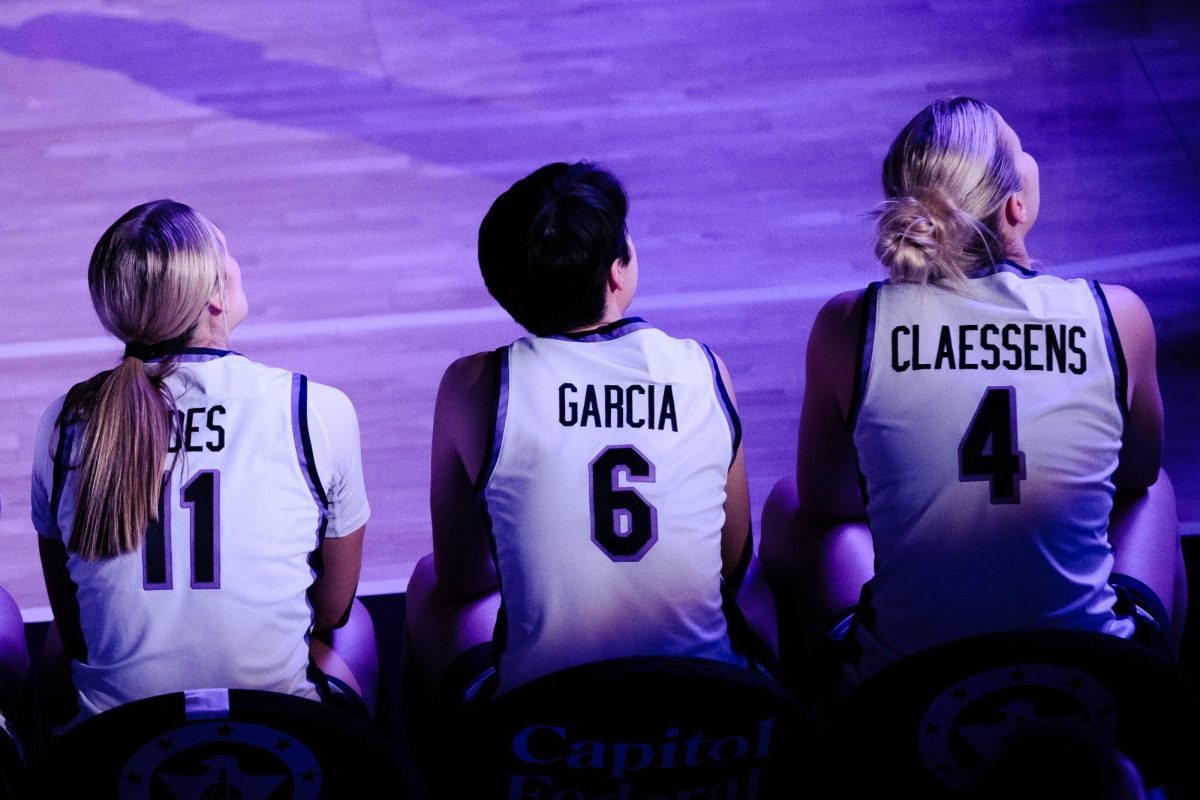


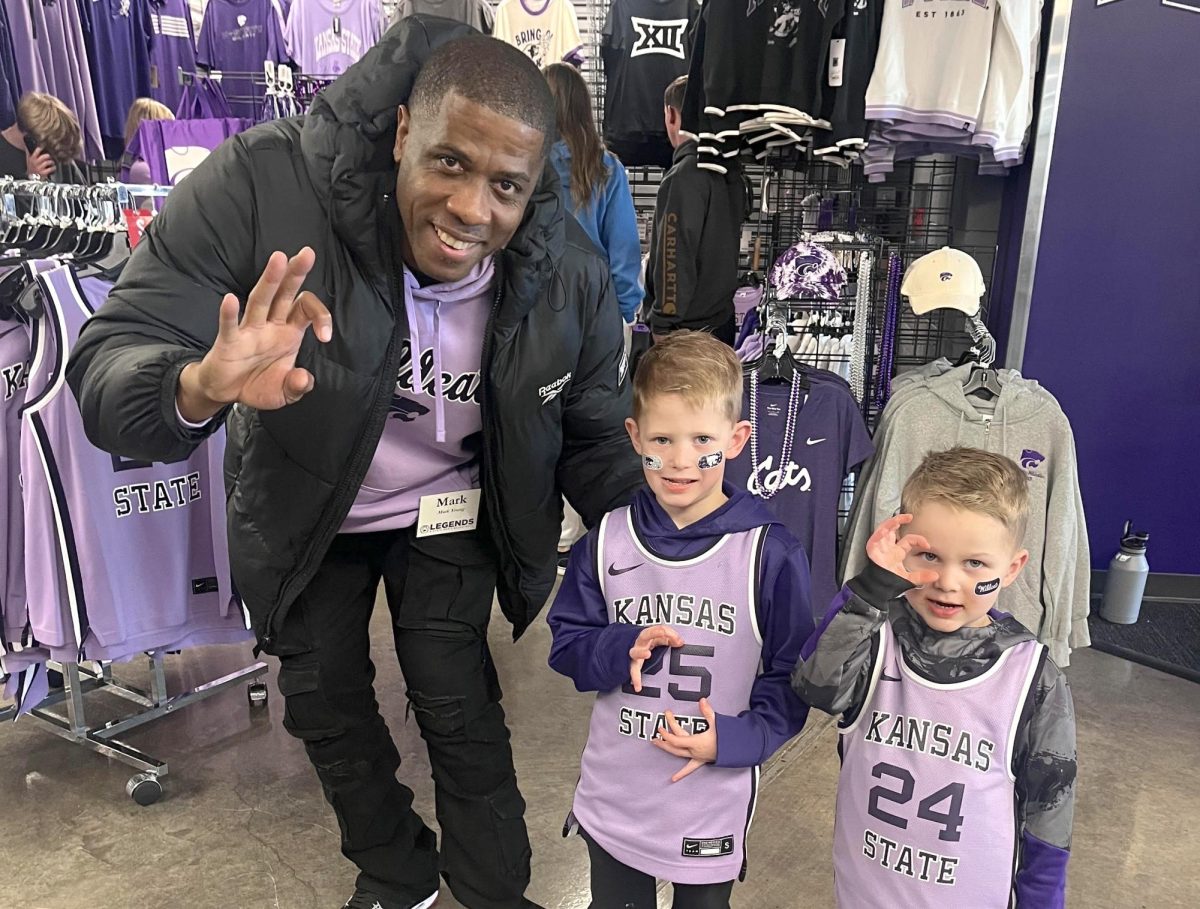




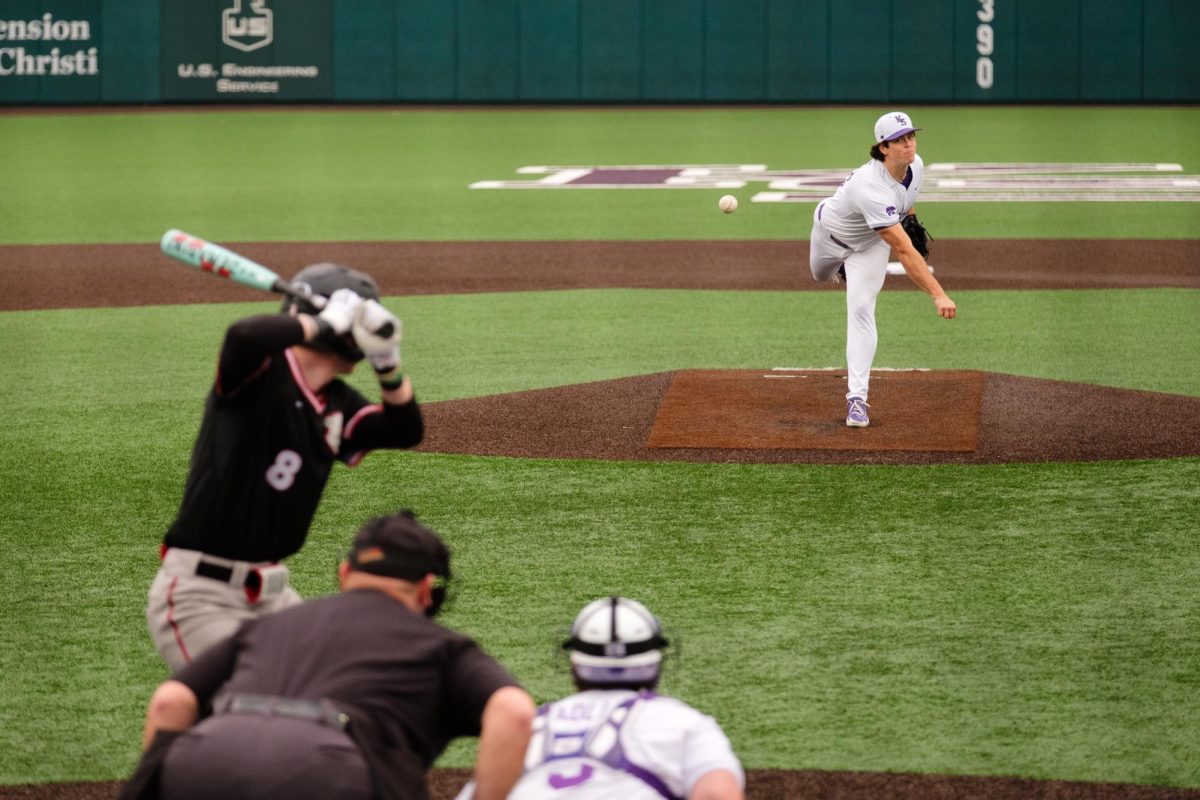


























































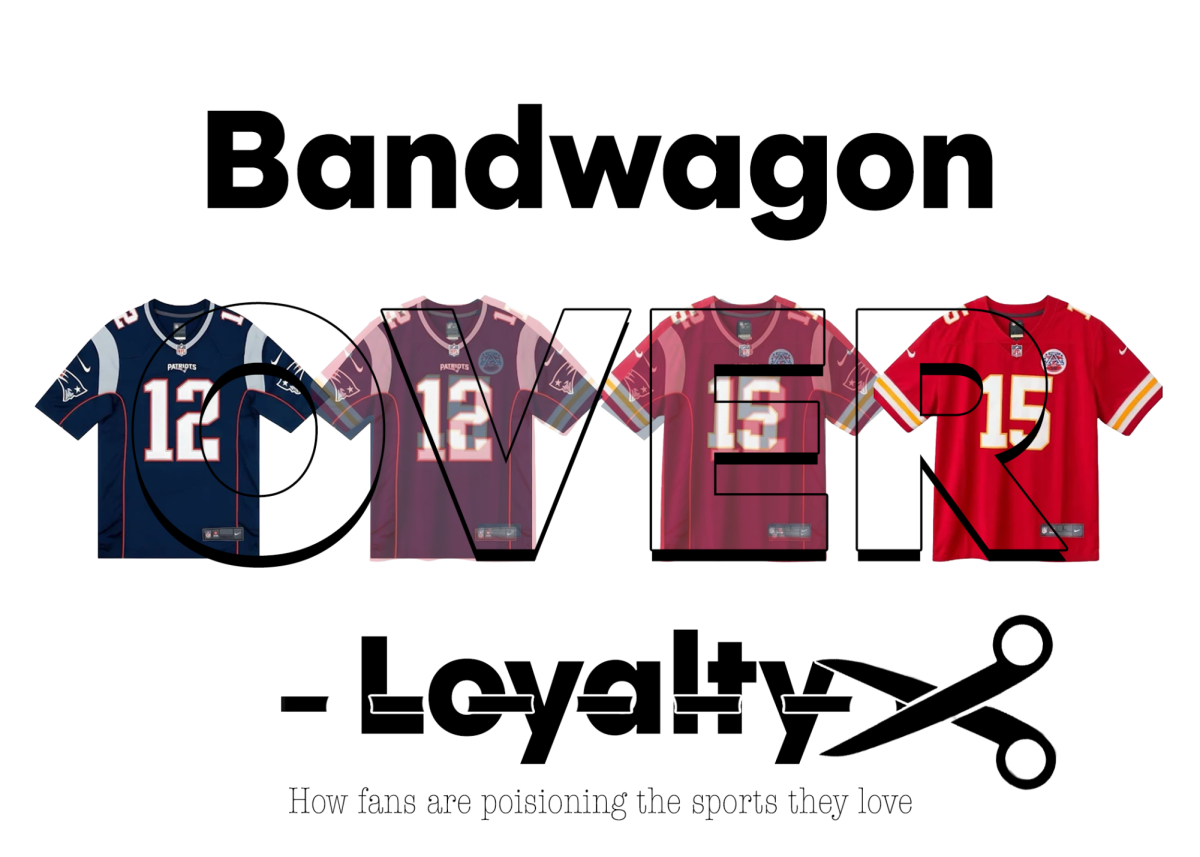
I’m concerned about the future of sports, and it has nothing to do with players or the games themselves — it has to do with bandwagons.
The definition of a bandwagon, according to Merriam-Webster, is “a popular party, faction, or cause that attracts growing support — often used in such phrases as jump on the bandwagon.”
So why wait? Why wait for a team that you either have geographical or family ties to and see win?
I was born in Greeley, Colorado, and spent part of my childhood in Cañon City, Colorado, about two hours away from Denver. With a large part of my family being from Colorado, including my parents, it made sense for me to cheer for Denver’s professional sports teams, including the Rockies, Avalanche, Broncos and Nuggets.
I believe that your first obligation to sports teams is from geographical or family ties, depending on how active your family is as fans. Being close to a team allows more access to merchandise, player interactions and in-game attendance.
Obviously, there are many factors to these advantages, including the fan’s finances, but in general, fans have access to better experiences the closer they are to the team they are rooting for. A real-world example from my life is going to a Denver Broncos meet and greet, where I got to meet some players and take a picture with the mascot, Miles.
For college teams, I believe that you should be loyal to the school you graduated from first, followed by the college town you grew up in and finally your parents’ alma mater. The only stipulation worth mentioning is that if you are from a college town with a Division I sports program and go to a smaller school without one, it can be acceptable to cheer for your D1 school.
Another aspect of the debate between bandwagons and loyalists is the larger issue of instant gratification. Sure, I’ve been luckier than some by seeing three championships during my life, but those championships feel more significant because of the many times I have seen my teams fall short.
For example, if I were to celebrate the Denver Nuggets’ 2023 NBA Finals victory and follow it up by celebrating the Oklahoma City Thunder’s championship two years later, I wouldn’t understand the years it took the Thunder to build and grow the team. Wins are more meaningful through the process. Would you not want to see the success that led to that final victory?
Though it might be shocking to some, I believe the best description of the instant gratification battle is by Forbes Councils Member Cody Bjugan, when he said, “Successful people also understand the cost of distraction. Instant gratification is expensive. It costs us in time, energy and missed opportunities. The time you spend chasing short-term wins is time you’re not investing in your long-term growth.”
The bottom line? It’s easy to cheer for the best team, but I challenge you to watch a team’s growth and not find more joy in its success.
A particularly valid argument that has increased in recent years is that more and more fans enjoy watching a player rather than a team. But I think it’s pretty simple: if you truly love watching a player, you will be able to see their impact on the team and enjoy watching the integral aspects of the team forming around your favorite player without cheering for them. I am amazed to this day by what LeBron James can do on a basketball court, but I would never cheer for him unless he had a Denver Nuggets jersey on.
If you are new to sports, find your teams, watch what you can and cheer as if it has a large impact on the game. There should be nothing more annoying to a true fan than a member of a crowd wearing two rival team jerseys at the same time. Submit to the long-term goal of watching a team build a championship-level squad. I promise the payoff will be worth it.