



















































































Walk into any clinic or medical center in Kansas, and you will likely sense the tension. The staff is working hard, but there simply aren’t enough of them. While Kansas remains a desirable place to live, our local healthcare facilities are fighting the same battle as the rest of the country. We need more nurses, and we need them soon.
Fixing this problem requires us to think differently about how we recruit and train talent. Relying solely on traditional four-year graduates isn’t filling the gap fast enough. We have to look at creative educational routes and better support systems to build a workforce that can handle the demand. Here are a few practical ways to tackle the issue.
Speeding Up the Education Process
Time is the biggest enemy right now. A traditional nursing degree takes four years, which is a long wait when hospitals are understaffed today. One of the most effective solutions is the Accelerated Bachelor of Science in Nursing (ABSN). These programs are intense, but they get the job done quickly.
By stripping away the summer breaks and non-essential electives, an ABSN degree in Kansas can produce a qualified nurse in roughly 16 months. This model is perfect for students who want to enter the workforce as soon as possible. What’s more is that schools offering hybrid formats mix online coursework with a focused 10-day campus residency. This allows students to handle the theory from home and then travel briefly for high-impact, hands-on simulation training. It expands the pool of potential nurses by making education fit into different lifestyles.
Embracing Career Switchers
There is a huge, untapped resource in our community: people who already have degrees but are tired of their current jobs. Maybe they work in marketing, tech, or education, but they have always thought about healthcare.
We need to make it easier for these professionals to pivot. Second-degree nursing programs are designed exactly for this group. Since they have already proven they can handle college-level work, admissions teams look for a cumulative GPA around 2.7 and completion of core science classes like Chemistry or Microbiology. By targeting career changers, we get mature, motivated individuals who bring diverse life experiences to patient care.
Handling the Logistics of Clinicals
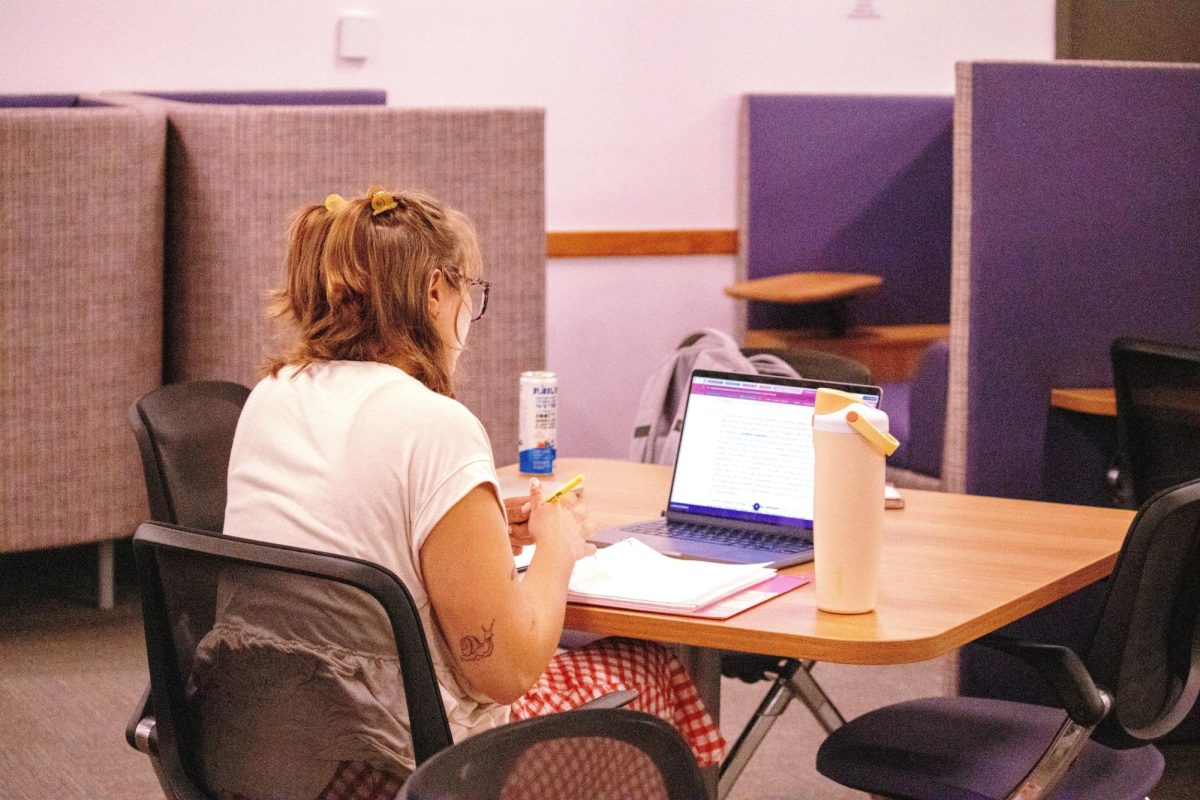
Ask any nursing student what stresses them out the most, and they will likely mention “clinicals.” Finding a hospital or clinic willing to take a student for training is often a logistical nightmare. When students have to find their own placements, they often get discouraged or delayed.
To fix the pipeline, nursing programs must take this burden off the student’s shoulders. The best programs include clinical placement services as a standard part of the degree. This means the school employs staff specifically to find preceptors and sites for the students. When a student can focus on learning heart rhythms instead of cold-calling doctors’ offices, they are much more likely to graduate on time.
Pushing for the BSN Standard
While we need speed, we cannot sacrifice quality. The data shows that hospitals prefer hiring nurses with a Bachelor of Science in Nursing (BSN). In fact, surveys suggest over 70% of employers have a strong preference for BSN graduates.
Encouraging new nurses to aim for the BSN, rather than stopping at an associate degree, raises the standard of care across the city. BSN nurses receive deeper training in leadership and public health. Plus, the degree opens doors for higher salaries and future roles as Nurse Practitioners. It is a better long-term investment for both the nurse and the Kansas healthcare system.
Offering Real Support
Getting into nursing school is hard; staying in is harder. Retention is a major piece of the puzzle. We need to ensure students have access to faculty who are active clinicians, not just academics. They need mentors who know what the hospital floor is actually like right now.
Support also means preparing students for the final hurdle: the NCLEX licensure exam. Programs that offer one-on-one coaching and boast high pass rates are essential. We can’t afford to have students complete the coursework but fail the exam.
Solving the local nursing shortage won’t happen by magic. It takes a deliberate shift in how we view nursing education. By championing accelerated programs, welcoming professionals from other fields, and removing logistical barriers like clinical placement, we can build a stronger healthcare system. Whether the solution comes from local schools or hybrid programs in neighboring states, the goal remains the same: getting skilled, compassionate nurses to the bedside where they belong.