









































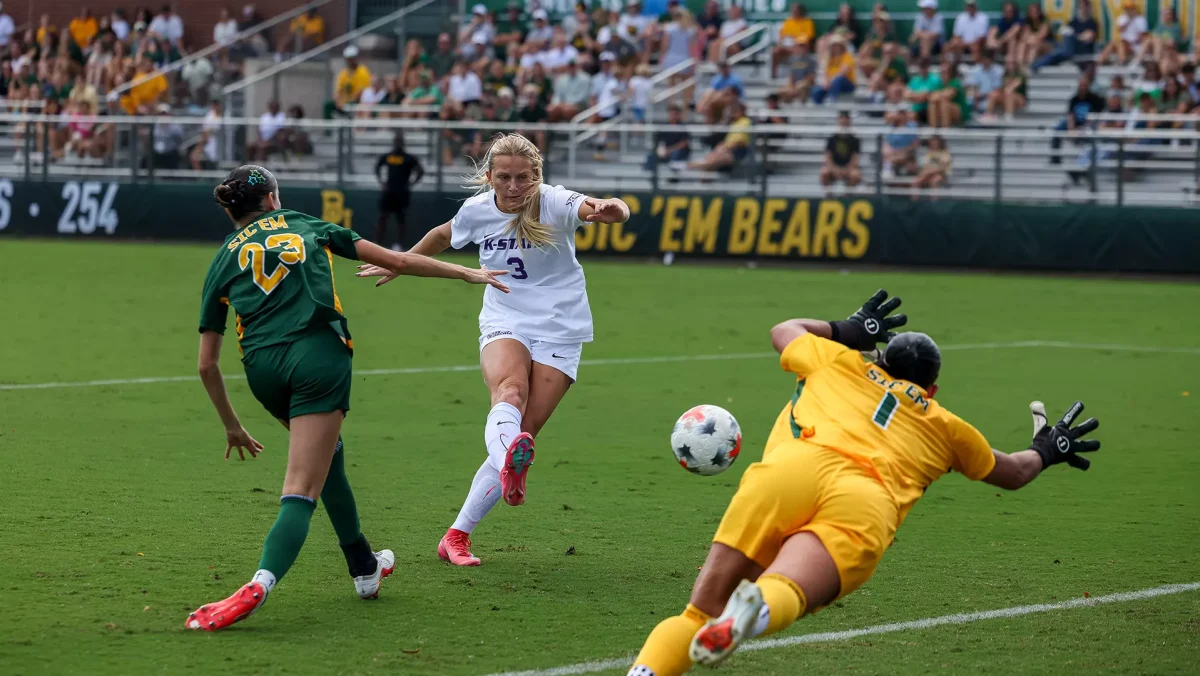
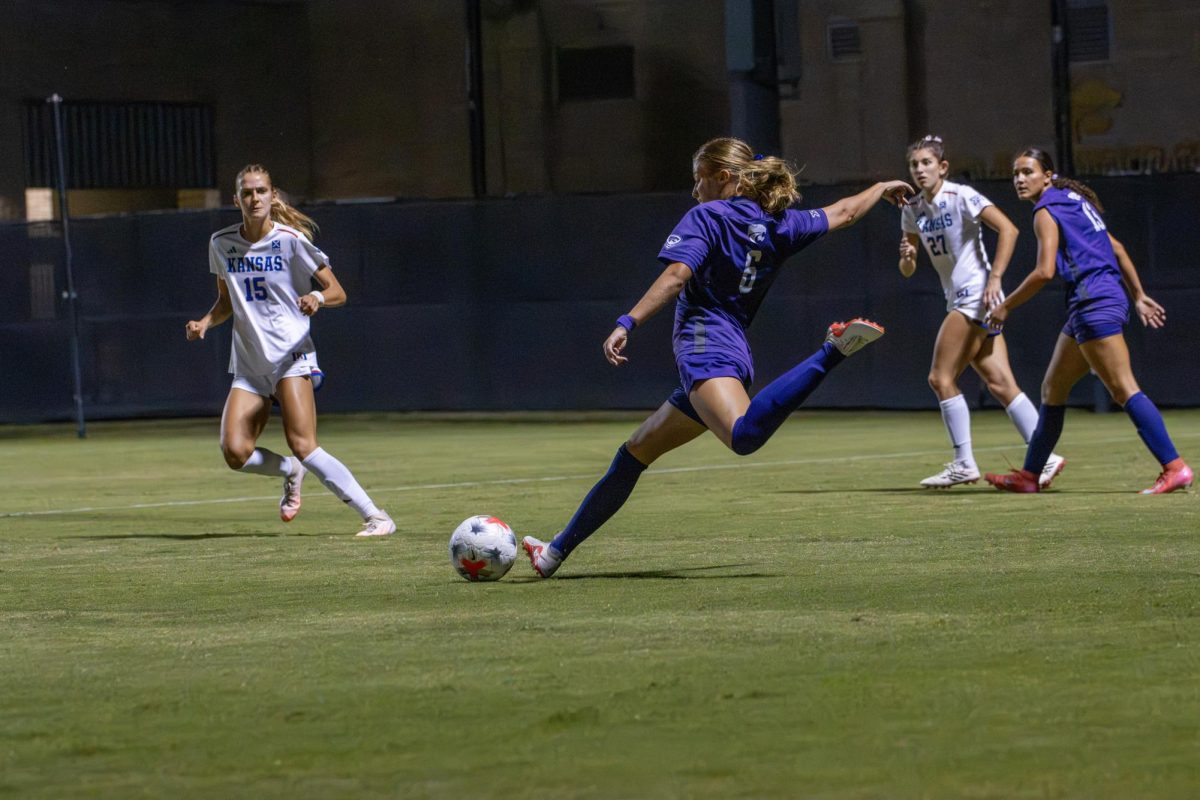

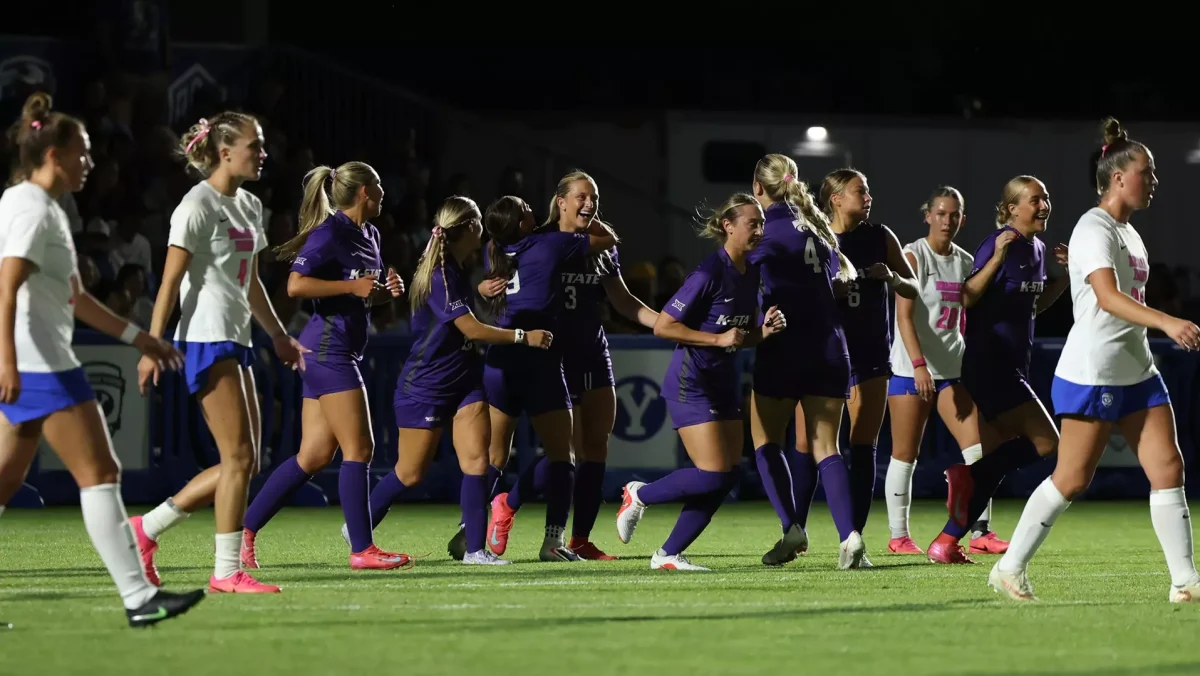


























































On campus, it is hard not to notice how much soccer shows up in day-to-day conversations. Some students chat about matches as they walk to class, others keep up through short videos between lectures and plenty follow international leagues closely enough to place the occasional soccer bet when a big game is on. What used to feel like a niche interest now fits naturally into student life, showing how global sports can blend into a college routine without much effort.
Soccer’s Wide Appeal Among Students
Part of soccer’s rise comes from how many different students connect with it for different reasons. International students often bring a strong sense of pride for their home teams, and that enthusiasm spreads quickly among new friends. Even students who never followed the sport before find it easy to enjoy because the rules are simple and the pace makes sense after watching a match or two.
The sport’s global presence is huge. FIFA reported that the 2022 World Cup created close to 5 billion media engagements around the world. These were not all viewers, but the number still shows how strongly soccer circulates online. Clips of goals, commentary, fan reactions and analysis travel fast across platforms, which naturally pulls students into the conversation.
The energy around soccer also matches the social side of campus life. It is one of the few sports that can unite a room full of people who follow completely different leagues. Watching with others becomes an experience on its own, with cheering, frustration and jokes shared from one match to the next.
How Digital Spaces Shape the Way Students Follow Soccer
Most students follow soccer through their phones. It takes seconds to watch a highlight or check the score of a match happening in another time zone. DataReportal notes that more than 96 percent of internet users browse on mobile devices, and this constant access changes how sports fit into a day. Students do not need to sit for a full match. They can stay updated through clips, comments and quick updates that appear naturally in their feed.
Digital platforms also shape which teams and players students learn about. Algorithms push trending highlights and stories, so even someone who is new to the sport ends up seeing the biggest moments soon after they happen. For students who already pay close attention, online tools make it easy to track form, injuries or lineups before a major match. Some use that information when making predictions with friends or when deciding on a soccer bet for added excitement.
This level of access means soccer stays close even when students are busy. They can check scores while eating lunch, watch highlights before bed or skim match reactions when they wake up. It becomes part of the small gaps in the day.
Community and the Atmosphere Around Live Matches
Even though so much soccer content is online, watching games with other students feels different. Dorm watch parties, apartment gatherings and club events all pull people together whenever the bigger matches are on. International student groups often lead these events because they follow the sport closely, and their excitement tends to spread to everyone else in the room.
Sometimes local spots near campus screen major games, especially during global tournaments. These places fill up quickly because people enjoy being around other fans. The atmosphere becomes lively without much planning. Students cheer, complain about referee calls and argue about which players deserve more credit. These moments feel more like community than competition.
Friendly group predictions pop up too. Students make guesses about scores, top scorers or lineups just for fun. It creates another layer of conversation around the sport. Even people who do not watch every match enjoy being part of these moments.
Soccer Fits Into Student Routines Naturally
Another reason soccer works so well on a college campus is its schedule. Matches from Europe often happen early in the morning or in the middle of the afternoon, which can line up with breaks between classes. Evening games from North or South America are easier for students to watch live. There is always a match happening somewhere, and highlights appear almost instantly once a game ends.
With 6.04 billion global internet users at the start of October 2025, according to DataReportal, soccer content has countless places to spread. Students are among the most connected groups online, so they end up encountering soccer whether they seek it out or not. MLS has also gained attention in recent years. Statista reports increased viewership across several networks during the 2023 and 2024 seasons, which makes domestic soccer feel more relevant for students who want something closer to home.
All of this makes soccer feel like a natural part of college student life. It fits into down moments, shared conversations, digital routines and group activities. Students do not need to be diehard fans to enjoy it. The sport offers connection, entertainment and a sense of belonging in a community that is always shifting as new people arrive each semester.