























































































The single-screen viewing habits that defined entertainment for the previous two generations have effectively disappeared from college dorms. Students in 2026 routinely consume two, three or four streams of entertainment simultaneously, switching attention between them on a rolling cycle that would have seemed impossible to focus through twenty years ago. The pattern is not just multitasking. It is a fundamental shift in how the audience relates to entertainment, and the implications for the entertainment industry, for higher education, and for how students themselves think about leisure time are larger than the casual observer might assume.
What the second-screen behavior actually looks like
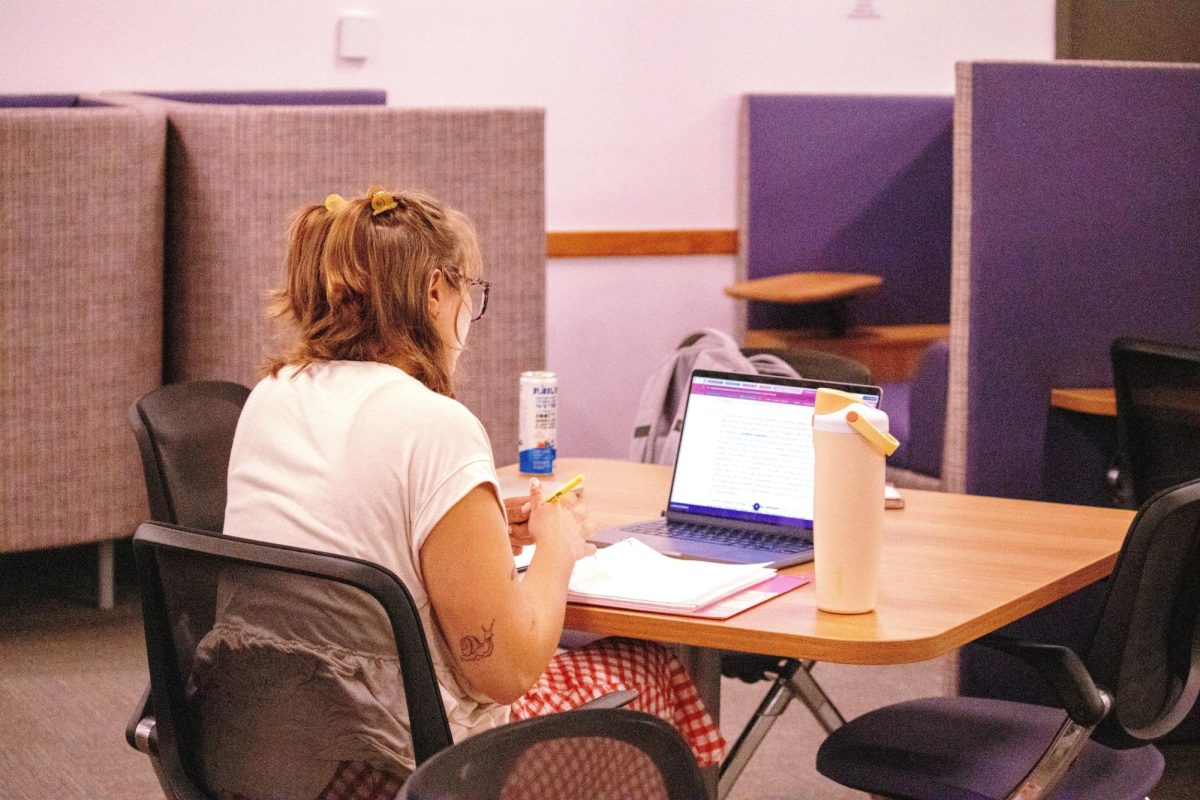
The typical college student’s evening entertainment session involves a primary screen (often a streaming service or YouTube), a secondary screen (usually a phone running social media or messaging), and frequently a tertiary screen (a laptop with something playing in the background). The student moves attention between these screens on a cycle of roughly ten to thirty seconds, never fully committing to any single stream but also never disengaging from any of them entirely. The behavior would have looked like inability to focus to a viewer from the 1990s. To the student doing it, it feels like a coherent way to engage with multiple things at once.
Why traditional entertainment formats struggle in this context
Single-screen entertainment formats have to work harder to capture and hold attention from the second-screen generation. A film that demands two hours of undivided attention feels increasingly out of step with how this audience consumes other entertainment. The streaming services have responded by producing content that works in shorter segments or that the viewer can dip in and out of without losing the thread. The shift has been quieter than many media analysts predicted, but it has been thorough. Almost no major streaming platform now optimizes for two-hour single-screen sessions as its primary use case, and the same shift shows up in how student-focused arts and culture entertainment coverage tracks what students actually watch on any given evening.
Where social gaming fits the second-screen attention pattern
Spin Blitz, a social gaming platform that runs short interactive sessions through the browser, has built its product around the kind of attention pattern that the second-screen generation displays. The Live dealer games on Spin Blitz available through the platform fit naturally as one of the streams a student might cycle through during an evening, alongside whatever else they have running. The format does not demand undivided attention, works in short sessions, and integrates cleanly with the second-screen behavior pattern rather than fighting against it. The audience is large because the format respects how this audience actually consumes entertainment.
How the behavior pattern affects student academics
The second-screen behavior pattern carries over into academic settings in ways that have measurable effects on student outcomes. Students who study with multiple streams running tend to retain less information than students who focus on a single task at a time. The research on this question is consistent across multiple disciplines and has not been refuted in any meaningful way. The implications are clear, but the behavior persists because the same audience that learns less efficiently when multitasking also finds single-task work increasingly difficult to maintain.
Why the entertainment industry adapted before higher education did
The entertainment industry recognized and adapted to the second-screen pattern well before higher education did. Streaming services restructured their interfaces to support short-session viewing. Social platforms built their entire user experiences around short bursts of attention. Gaming companies built products that work alongside other entertainment streams. The educational sector has been slower to acknowledge the shift, partly because the educational outcomes from second-screen learning are worse than from single-task learning.
What the second-screen audience actually wants from entertainment
Students who consume entertainment through the second-screen pattern tend to value certain features that single-screen audiences did not prioritize. Content that works in short segments. Visual design that captures attention quickly. Content that can be picked up and put down without losing the thread. Content that integrates with social feeds, allowing the viewer to engage with other people about it in real time. The entertainment that thrives in this environment tends to share these features, and the entertainment that struggles tends to be the kind that demands the kind of sustained focus that this audience has stopped offering.
How the pattern is likely to evolve
The second-screen pattern is not necessarily the endpoint of how entertainment consumption will evolve. Some indications suggest the pattern may be stabilizing rather than continuing to fragment further. Younger Gen Z students show patterns similar to older ones, rather than further intensified ones. The audience may have hit something close to a maximum of how many simultaneous streams attention can productively handle. If that is true, the entertainment industry can build for the current pattern without worrying that the pattern will keep shifting under them.
Why the second-screen behavior actually reveals something useful about modern attention
The temptation is to read the second-screen pattern as a story of declining attention spans, and many commentators do exactly that. The actual story is more interesting. Students consuming multiple streams simultaneously are not losing the ability to focus. They are deliberately spreading their attention across multiple sources because they have learned that no single source consistently delivers what they want. The behavior is a rational response to an entertainment environment that has trained audiences to expect optionality. Until the entertainment industry produces individual streams that reliably deserve undivided attention, the audience will continue spreading their attention across multiple streams to maximize the chance of finding something worth fully engaging with. The behavior is not the problem. It is the symptom of one, and the entertainment industry knows it.