





























































































































Becoming a new mother is one of life’s most profound experiences, yet the early weeks of breastfeeding and pumping can feel isolating and overwhelming. Between sleep deprivation, physical recovery, and the pressure to nourish your baby, many first-time moms find themselves struggling with uncertainty about whether they’re doing things right. Add to that the dizzying array of breast pump options available today, and the decision-making process alone can feel exhausting. Which pump will actually work for your body? How do you build a routine that doesn’t leave you drained? Where can you turn when things aren’t going as planned?
This guide is designed to cut through the noise and provide you with dependable, practical answers. We’ll walk you through understanding electric breast pumps, selecting the best one for your specific needs, building a pumping routine that supports both your milk supply and your sanity, and connecting with expert resources that offer real solutions. Whether you’re preparing before baby arrives or already navigating the postpartum fog, this comprehensive resource will help you find the reliable support you deserve.
Understanding Electric Breast Pumps: A Foundation for First-Time Moms
An electric breast pump uses a motorized mechanism to create rhythmic suction that mimics a baby’s natural nursing pattern, drawing milk from the breast into a collection container. Unlike manual pumps that require you to repeatedly squeeze a handle, electric models do the physical work for you—a significant advantage when you’re pumping multiple times per day and already exhausted from round-the-clock newborn care.
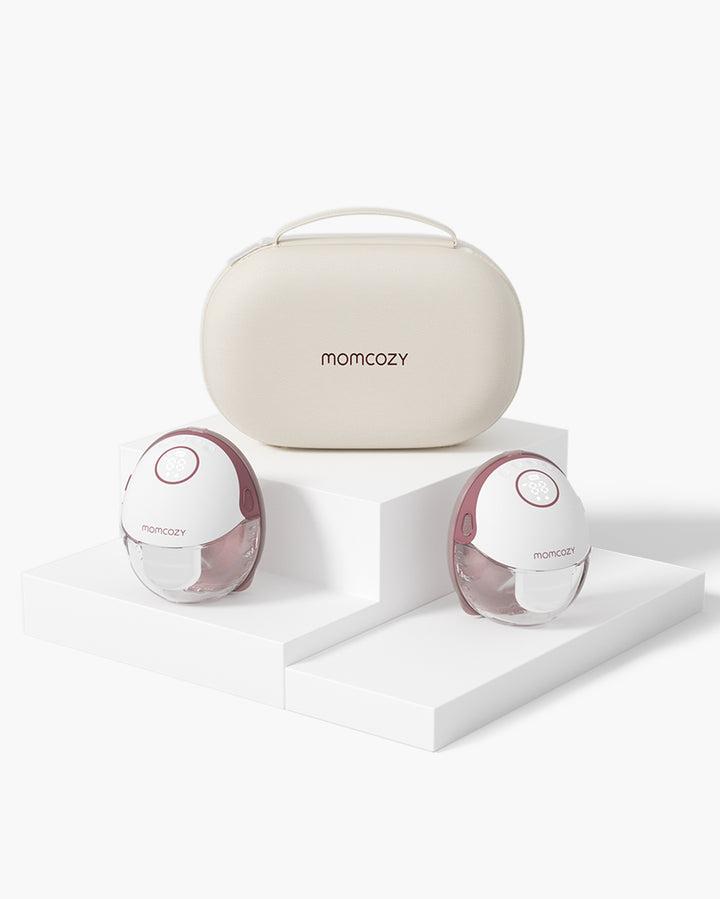
For first-time mothers, an electric breast pump offers something invaluable: flexibility. Whether you need to build a freezer stash before returning to work, share feeding responsibilities with a partner, or maintain your milk supply when baby struggles to latch, electric pumps provide consistent stimulation that helps signal your body to keep producing. This reliability matters enormously during those critical early weeks when your supply is being established. Many mothers also find that electric pumps allow them to reclaim small pockets of independence without compromising their breastfeeding goals. Understanding the different types available and which features genuinely matter will help you invest in a tool that serves your unique situation rather than adding frustration to an already demanding time.
Types of Electric Breast Pumps: From Single to Double
Single electric pumps express from one breast at a time, making them suitable for occasional use or supplementing direct nursing. Double electric pumps work on both breasts simultaneously, cutting pumping time in half—ideal for mothers who pump frequently or exclusively. Hospital-grade models offer the strongest, most adjustable suction and are designed for establishing supply in challenging situations, though they’re typically rented rather than purchased. Personal-use pumps balance performance with portability, and newer wearable models fit inside your bra for hands-free pumping during daily activities.
Essential Features: Lightweight and User-Friendly Designs
The best electric pumps prioritize comfort alongside function. Adjustable suction levels let you find the intensity that works without causing pain, while multiple phase settings mimic the fast initial letdown stimulation followed by slower, deeper expression. A lightweight design matters more than many mothers anticipate—when you’re carrying a diaper bag, baby gear, and pumping supplies, every ounce counts. Look for intuitive controls you can operate one-handed, quiet motors that won’t wake a sleeping baby, and minimal parts that simplify assembly and cleaning during those bleary-eyed middle-of-the-night sessions.
How to Choose the Best Electric Pump for Breastfeeding
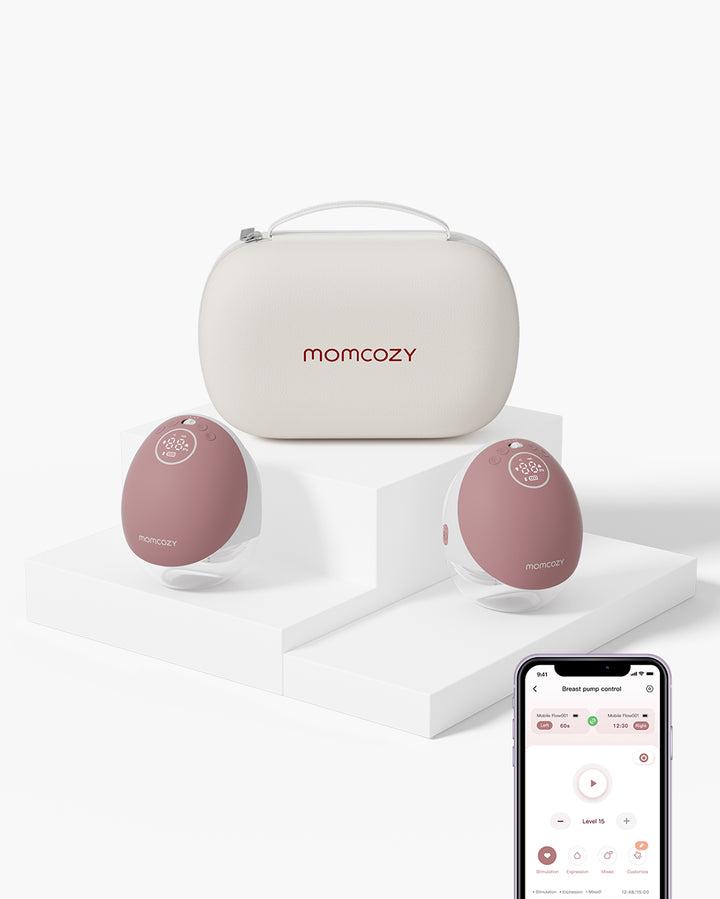
Selecting the best electric pump for breastfeeding doesn’t need to be an agonizing process, but it does require honest reflection about your daily life and goals. Start by asking yourself how often you’ll pump. A mother who plans to exclusively pump needs a workhorse double pump with hospital-level performance, while someone supplementing occasional bottles might do perfectly well with a simpler model. Next, consider where you’ll be pumping most often. If you’re returning to an office, discretion and portability rank high. If you’re primarily at home, you might prioritize power and output over size.
Budget is a practical reality, but remember that reliability saves money in the long run. A pump that loses suction after three months or causes discomfort you can’t resolve will end up costing more—financially and emotionally—than investing in quality upfront. Check whether your insurance covers a pump, as many plans now provide one at no cost. Comfort should never be an afterthought; pain during pumping isn’t normal and usually signals a wrong flange size or excessive suction. Finally, evaluate cleaning requirements honestly. Pumps with fewer parts and dishwasher-safe components will serve you better at 3 a.m. than elaborate systems requiring hand-washing of twelve separate pieces. The best electric pump for breastfeeding is ultimately the one you’ll actually use consistently without dreading each session.
Key Considerations: Matching Pump to Your Lifestyle
Battery life determines whether your pump travels well or ties you to an outlet. If you commute, attend appointments, or simply move between rooms frequently, look for models offering at least two hours of cordless operation. Portability extends beyond weight—consider how quickly you can assemble and disassemble everything, because fumbling with parts in a bathroom stall or parked car adds unnecessary stress. Compatibility with your breastfeeding schedule matters too; some pumps offer programmable settings that remember your preferred suction and speed combinations, eliminating setup time when you’re rushing between meetings or nap windows. Hygiene features like closed-system designs prevent milk from entering the tubing, reducing contamination risk and cutting cleaning time significantly. Think about noise as well—if you’ll pump during conference calls or while baby sleeps nearby, a whisper-quiet motor isn’t a luxury, it’s a necessity.
Top Recommendations: Reliable Pumps for New Mothers
When evaluating highly-rated options, focus on models with strong track records among first-time users rather than flashy marketing. Hospital-grade rental pumps from established brands consistently earn praise for establishing supply in those critical early weeks, making them worth considering for the first month even if you transition to a personal pump later. Among personal-use double electrics, look for brands that offer responsive customer support lines, replacement part availability, and active user communities where mothers share real-world troubleshooting advice. Wearable pumps have improved dramatically and receive high marks from working mothers, with brands like Momcozy gaining popularity for their hands-free designs that allow multitasking, though output can vary compared to traditional flanged models. Before purchasing, read reviews specifically from mothers with similar lifestyles and goals to yours. Reputable parenting publications, lactation consultant blogs, and peer-reviewed breastfeeding resources provide more trustworthy assessments than sponsored content or influencer partnerships.
Establishing an Effective Pumping Routine for Success
A consistent pumping routine does more than fill bottles—it communicates directly with your body’s milk production system. Prolactin, the hormone responsible for milk synthesis, responds to regular breast stimulation, meaning that predictable pumping sessions help establish and maintain a robust supply. For first-time mothers navigating the unpredictability of newborn life, having a pumping routine provides something rare and grounding: structure you can control when so much else feels chaotic.
The key is building a routine that serves you rather than enslaves you. In the early postpartum weeks, aim to pump eight to twelve times per day if you’re exclusively pumping, or two to three times daily if supplementing direct nursing. Timing matters less than consistency—your body adapts to whatever pattern you establish, so choose windows that align with your natural rhythms rather than forcing an arbitrary schedule. Many mothers find success by anchoring pumping sessions to existing habits: first thing upon waking, after morning feeding, during baby’s longest nap, and before bed. As your supply regulates around six to twelve weeks postpartum, you can gradually reduce frequency without significant drops in output. Set realistic goals from the start. Producing enough for the next day’s feeds is success; building a massive freezer stash immediately is not required. Reducing pressure around output helps your body relax, which paradoxically often improves milk flow. Track your sessions loosely—a simple note on your phone works—so you can identify patterns and adjust without obsessing over exact ounces each time.
Creating a Sustainable Schedule: Tips for Beginners
Start within the first six hours after birth if possible, even if you’re only hand-expressing colostrum into a syringe. During week one, focus on frequency over duration—fifteen to twenty minutes per session signals your body effectively without causing nipple fatigue. By week two, begin spacing sessions more evenly across twenty-four hours, ensuring you don’t go longer than five hours without emptying, even overnight. As baby’s feeding patterns emerge around four to six weeks, align your pumping with their natural breaks. If you nurse directly, pump immediately after or thirty minutes following a feed to capture residual milk without competing with baby’s next session. Gradually drop one session every few days once supply stabilizes, monitoring output to ensure you’re maintaining adequate production. Flexibility matters—if you miss a session, simply resume at the next planned time rather than doubling up, which can lead to oversupply complications.
Maximizing Output: Techniques and Best Practices
Proper flange sizing is the single most impactful factor in pumping efficiency. Your nipple should move freely within the tunnel without excessive areola tissue being pulled in—most mothers need to size down from what comes standard with their pump. Before each session, apply warm compresses for two minutes and massage your breasts using gentle circular motions from chest wall toward nipple. During pumping, use hands-on techniques: compress and massage while the pump runs to access deeper milk ducts. Start with your pump’s letdown mode for two minutes before switching to expression mode, and consider power pumping once daily—twenty minutes on, ten off, ten on, ten off, ten on—to simulate cluster feeding and boost supply. Stay hydrated, keep a photo or video of your baby nearby to trigger oxytocin release, and practice slow breathing. Tension in your shoulders and jaw directly inhibits letdown, so consciously relaxing these areas can noticeably improve output within the same session.
Accessing Expert Support: Your Guide to Reliable Help
No mother should navigate pumping challenges alone, yet many first-time moms suffer silently through problems that have well-established solutions. Expert support transforms the pumping experience from a source of anxiety into a manageable, even empowering part of motherhood. The difficulty lies not in the availability of help but in knowing where to look and whom to trust during a period when you’re already cognitively overwhelmed and short on time.
Lactation consultants represent the gold standard of breastfeeding and pumping support. These professionals—particularly International Board Certified Lactation Consultants (IBCLCs)—complete rigorous clinical training and can diagnose issues ranging from improper flange fit to hormonal supply challenges. Many hospitals offer free consultations within the first week postpartum, and private practitioners typically provide home or virtual visits that accommodate your recovery schedule. Don’t wait until you’re in crisis to reach out; a proactive session during pregnancy or the first few days postpartum can prevent weeks of frustration. Beyond individual consultants, manufacturer support lines often go underutilized. Most reputable pump brands employ trained specialists who can walk you through troubleshooting motor issues, optimizing settings, or identifying when replacement parts are needed. Keep your pump’s support number saved in your phone for quick access during those moments when something suddenly feels wrong mid-session. Online communities also provide invaluable peer support, though they require discernment. Evidence-based Facebook groups moderated by lactation professionals, forums hosted by breastfeeding organizations, and subreddits with active expert participation offer real-time advice from mothers who’ve faced identical challenges. The combination of professional guidance and community solidarity creates a safety net that catches you before small problems become overwhelming ones, making expert support not a luxury but an essential component of pumping success.
Where to Find Professional Guidance and Communities
Your birthing hospital is the most immediate resource—request a lactation consultation before discharge and ask about outpatient breastfeeding clinics that offer drop-in hours for weighing, latch assessment, and pump troubleshooting. If hospital resources feel insufficient, search the IBCLC directory through the International Lactation Consultant Association to find private practitioners in your area who specialize in pumping support. Many accept insurance or offer sliding-scale fees. Community health centers and WIC offices provide free breastfeeding peer counselors trained to help with basic pumping questions. For online resources, prioritize groups affiliated with organizations like La Leche League, KellyMom, or the Academy of Breastfeeding Medicine. When evaluating any advice—online or in person—look for recommendations grounded in current research rather than anecdotal claims. Credible sources cite evidence, acknowledge individual variation, and encourage you to consult your healthcare provider when symptoms suggest medical concerns rather than offering blanket solutions.
Common Challenges and Solutions: From Low Supply to Comfort Issues
Low output during pumping sessions is the most frequent concern, and it’s often mechanical rather than biological. First, verify your flange size by measuring your nipple diameter and comparing it against the manufacturer’s sizing guide—even a two-millimeter difference dramatically affects suction efficiency. If sizing is correct but output remains low, increase session frequency for forty-eight hours before assuming a supply problem, as your body may simply need more stimulation signals. Nipple pain or damage typically indicates flanges that are too small, suction set too high, or tunnel friction from incorrect positioning; applying food-grade lubricant inside the flange often resolves discomfort immediately. Sudden drops in suction usually point to worn membranes or valves—replace these small parts monthly for consistent performance. Engorgement between sessions responds well to brief hand expression before pumping to soften the areola, allowing the flange to seal properly. If you’ve addressed mechanical factors and still struggle, schedule an appointment with an IBCLC who can evaluate hormonal, anatomical, or medication-related causes that require individualized intervention.
Building Confidence in Your Pumping Journey
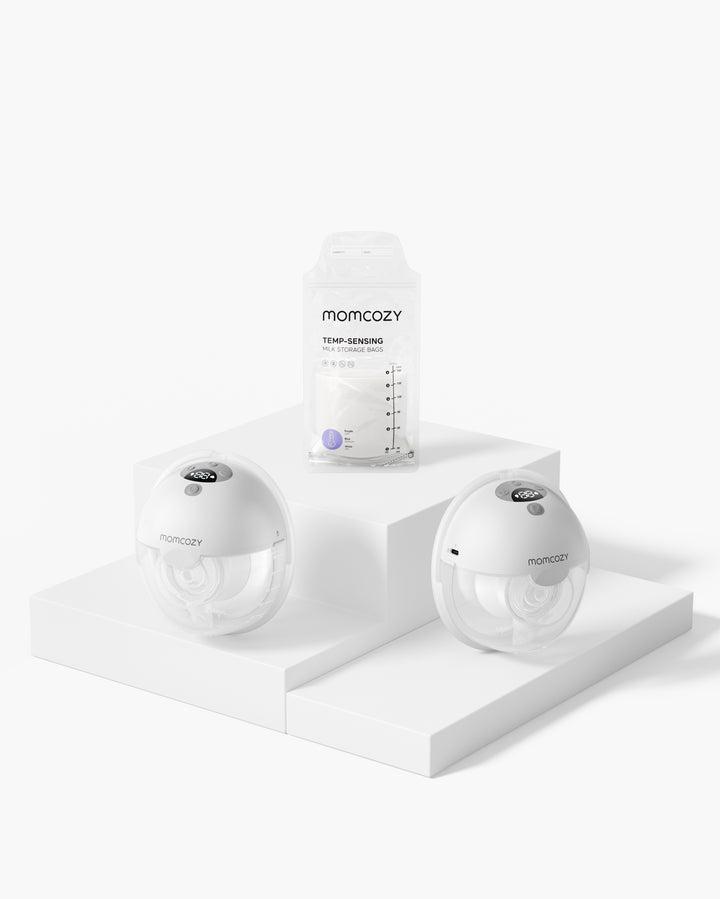
Finding reliable support as a new mother starts with equipping yourself with the right tools and knowledge. Selecting the best electric breast pump for your lifestyle—whether that means prioritizing portability for work, power for exclusive pumping, or simplicity for occasional use—lays the foundation for a sustainable feeding journey. Paired with a consistent pumping routine built around your body’s natural rhythms and your baby’s evolving needs, the right pump becomes more than a device; it becomes a source of confidence and autonomy during an otherwise unpredictable time.
Equally important is recognizing that you don’t have to figure everything out alone. Expert support from lactation consultants, peer communities, and manufacturer resources exists specifically to catch you when challenges arise—and they will arise for nearly every mother at some point. By taking proactive steps now, whether you’re still pregnant or deep in the postpartum weeks, you’re investing in both your wellbeing and your baby’s nutrition. Trust yourself to ask for help, adjust your approach as needed, and remember that consistent, imperfect effort always outperforms an unsustainable pursuit of perfection.