




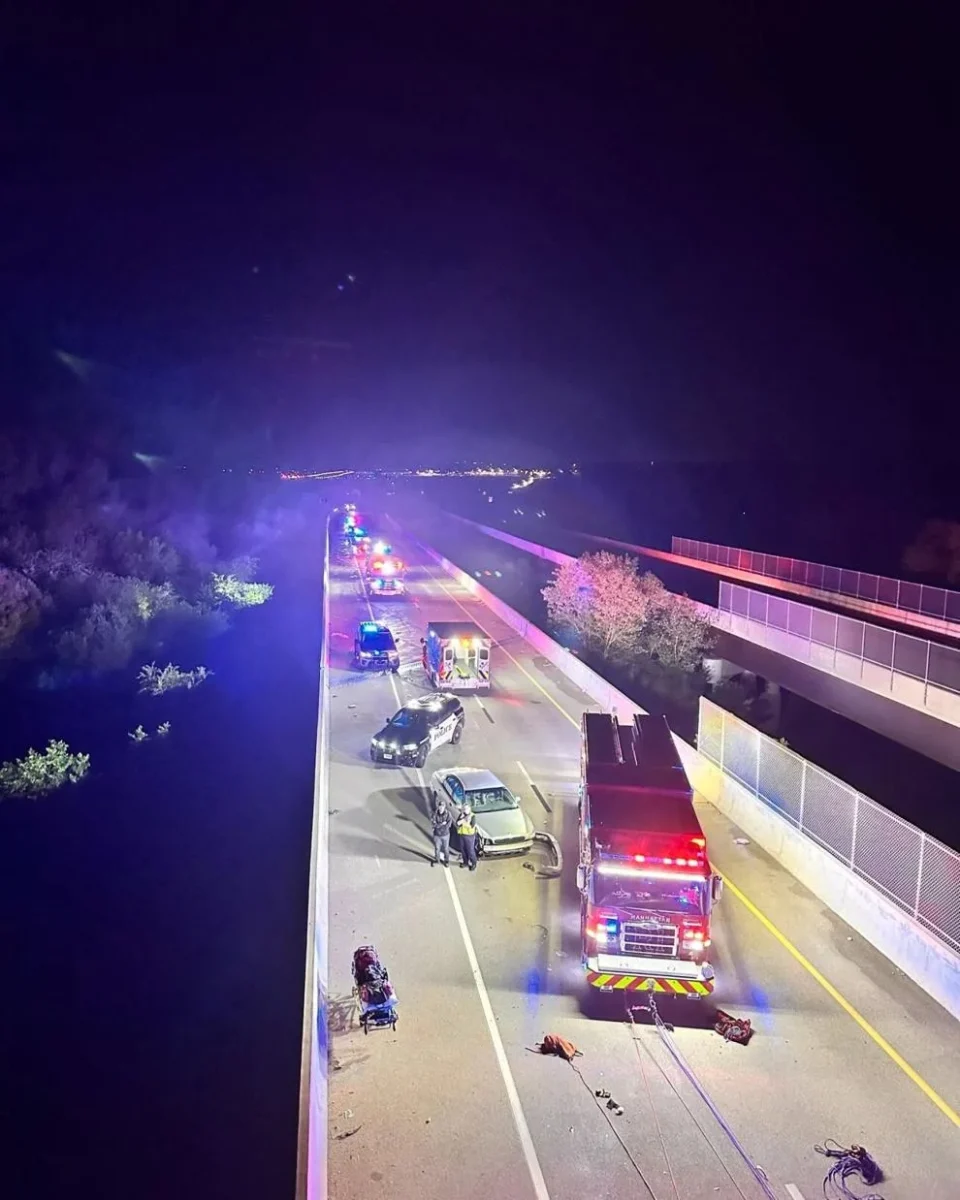

























































































You’ve been in a truck crash near K‑State, so first check everyone for injuries, call 911, and move to safety if you can. Take photos of vehicles, plates, road conditions, and injuries, get witness info, and exchange details without admitting fault. Give police clear facts, seek medical care even for minor pain, and report the claim to your insurer. Keep all records and consider an attorney for serious cases; keep going to learn practical next steps.
Quick Checklist: Immediate Steps After a K‑State Truck Crash
If you’re involved in a truck crash near K‑State, stay calm and take these immediate steps: check yourself and passengers for injuries, call 911, and move to a safe location if you can do so without worsening injuries; if anyone’s hurt, don’t delay emergency care.
After that, document the scene: take photos of vehicles, road marks, signage, and injuries. Exchange names, contact info, insurance and license details with other drivers and any witnesses. Note truck identifiers and company info.
Don’t admit fault or speculate. Seek emotional support from friends, campus counselors, or family — trauma can amplify decision-making errors.
Finally, contact a qualified attorney promptly to protect your legal rights, preserve evidence, and guide insurance communications. Follow their instructions closely.
Stay Safe and Get Help: 911, Basic First Aid, and Scene Priorities
When a truck crash happens, prioritize life-saving actions: call 911 immediately, move only if you can do so safely, and start basic first aid on anyone who’s seriously injured while you wait for emergency responders.
You should tell dispatch your location, number of injured, and hazards like fuel leaks. Follow emergency protocols the operator gives.
Check yourself and others for breathing, severe bleeding, and responsiveness; apply direct pressure to major wounds and use a tourniquet only if trained.
Keep injured people still and warm; don’t remove helmets or move a spine-injured person.
If you have safety equipment—reflective triangles, a first-aid kit, or gloves—use it to protect victims and alert traffic.
Stay calm, stay visible, and await trained help.
Document the Crash Fast: Photos, Notes, and Witness Contact Info
After you’ve called 911 and tended to any injuries, start documenting the scene immediately—photos, notes, and witness contacts are time-sensitive evidence.
You’ll want to use systematic crash documentation techniques: photograph vehicle positions, license plates, skid marks, traffic signs, damage close-ups, and the broader scene from multiple angles. Time-stamp images if possible and back them up to your phone or cloud.
Take concise written notes about direction, weather, lighting, and your actions while memories are fresh. Ask witnesses for names and phone numbers, and jot a short statement of what each saw.
These evidence preservation methods help insurers and lawyers reconstruct events. Keep everything organized in one folder so you can hand it over quickly when requested.
What to Say (And Not) at the Scene to Drivers and Police
Because what you say at the scene can shape insurance claims and legal outcomes, speak clearly, stick to facts, and keep statements brief.
Tell other drivers where you were headed and what you saw without admitting fault; say, for example, “I was driving north on Anderson when the truck changed lanes.”
Limit driver communication to names, contact, insurance, and observable facts.
With police interaction, give your license, registration, and a concise factual account; avoid speculation, opinions, or apologies that could be construed as admissions.
Don’t argue, apologize, or speculate about causes or injuries. If you’re shaken, say so and ask for time to collect yourself.
Politely decline to sign statements beyond basic facts until you’ve spoken with your insurer or an attorney.
Get Medical Care Near K‑State and Record Injuries Properly
Statements at the scene can protect your case, but medical documentation often makes or breaks it—so get checked out right away if you have any pain, discomfort, or signs of injury.
Go to nearby medical facilities that handle trauma and follow their triage instructions; even minor symptoms can signal delayed issues. Insist on thorough evaluations, imaging when recommended, and clear discharge instructions.
Keep meticulous injury documentation: dates, diagnoses, treatment plans, medications, and provider names.
Save all medical records, bills, referrals, and photos of wounds or bruising taken over time. Ask for written notes from each visit and request electronic copies if available.
Accurate, timely records strengthen your position for care continuity and any later claims, so don’t delay or skip follow-ups.
Report the K‑State Truck Crash to Insurance: What to Tell Them
When you call your insurer, stick to clear, factual information: give the time, exact location, names and contact info of drivers and witnesses, the truck company and number if visible, and a brief, objective description of what happened and your visible injuries.
After that, ask for the claim number and note the representative’s name. Use plain language; avoid admitting fault or guessing causes. Mention any tow, police report number, and medical treatment you’ve received.
Record all details the insurer provides about next steps and deadlines. Learn basic insurance terminology the adjuster uses so you understand reserves, liability, and coverage limits.
Follow the insurer’s claim process instructions promptly and keep dated copies of every communication and document.
When to Call a Lawyer After a Truck Wreck: Timing, Costs, Next Steps
Deciding whether to call a lawyer after a truck wreck often comes down to timing and complexity: if you’ve suffered serious injuries, extensive property damage, disputed liability, or the trucker or carrier is contesting fault, contact an attorney promptly so evidence and witness statements can be preserved. Bretz Injury Law can help evaluate your case, protect critical evidence, and guide you through communications with insurers while you focus on recovery.
You should seek a lawyer consultation when insurers offer quick lowball settlements, when multiple parties are involved, or when medical bills and lost income mount. Ask about contingency fees, typical percentages, and any upfront costs so you know financial exposure.
An attorney will advise on preserving evidence, filing deadlines, and gathering expert testimony for accident claims. If your case is straightforward and damages are minor, you can handle initial reporting, but call a lawyer before signing releases.
K‑State Campus and Local Resources, Recovery Tips, and Expense Tracking
After a truck wreck near K‑State, tap into campus and local resources immediately to streamline your recovery and expense tracking: contact K‑State Health & Counseling Services or the local emergency department for medical care, report the incident to campus police and the Manhattan Police Department, and reach out to the Office of Student Financial Assistance or your employer for guidance on medical leave and billing issues.
Keep detailed records: save medical reports, prescriptions, receipts, tow and repair bills, and communication logs. Use a simple spreadsheet or app to track dates, amounts, and purpose.
Seek campus support—academic accommodations, counseling, and disability services can protect your status while you heal. Explore financial assistance options, external grants, and short‑term loans.
If liability is unclear, consult an attorney to protect recovery and expense claims.
Frequently Asked Questions
Can a K‑State Student Sue if the Truck Driver Was a University Employee?
Yes — you can sue if university liability applies and employee negligence caused the crash, but your success depends on proving the driver acted within their employment scope, negligence caused harm, and statutory immunities or procedures don’t bar your claim.
Will My Grades or Campus Housing Be Affected After a Crash?
Your grades and housing usually won’t automatically change after a crash; you should contact academic support for accommodations and review housing options with campus services so you can arrange extensions, temporary moves, or other necessary adjustments.
Does Kansas Law Limit How Long I Can Claim Pain and Suffering?
Yes — Kansas limits pain compensation claims via claim deadlines: you’ve generally got two years from the injury to file a personal injury suit, so act promptly to preserve your right to seek pain compensation.
Can I Keep Attending Classes While Pursuing a Truck Accident Claim?
Yes — you can keep attending classes while pursuing a truck accident claim, but you’ll prioritize accident recovery, document injuries and absences, notify professors, and work with your attorney to balance class attendance and legal deadlines effectively.
What Evidence Helps Prove Liability in a Truck Maintenance Dispute?
You’ll need maintenance records, accident reports, inspection logs, repair invoices, driver logs, and photos; eyewitness statements and expert analysis strengthen your case, and you’ll want preserved vehicle parts and digital telematics to prove negligent maintenance.
Conclusion
If you’re involved in a truck crash near K‑State, act quickly: make safety your top priority, document everything, and get medical care even for minor injuries. Share facts — not guesses — with police and insurers, and preserve evidence and witness info. Track expenses and timelines, and contact an attorney promptly if liability, serious injury, or disputes arise. Use campus and local resources to support recovery, and don’t delay taking the legal and medical steps you need.