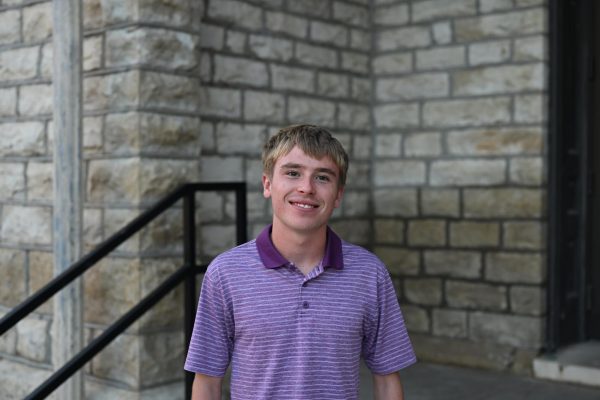









































































The brisk Kansas wind cut sharply across John Latenser’s face as he walked to class, a far different feeling from the dry desert heat he experienced just months ago.
Latenser, a 22-year-old Kansas State student and member of the Kansas National Guard, spent the 2025 school year based in Kuwait. The work often began before sunrise, when the desert was cool enough to operate without the sun beating down and varied from day to day. An average day in Kuwait included a mix of tiresome work, exhaustion and occasional moments of downtime.
Before even having time to settle into life after training, Latenser was told with little warning that he was going overseas.
“I returned from basic training and AIT and basically just got told I was leaving to the Middle East in two months,” Latenser said. “It was my first day of work.”
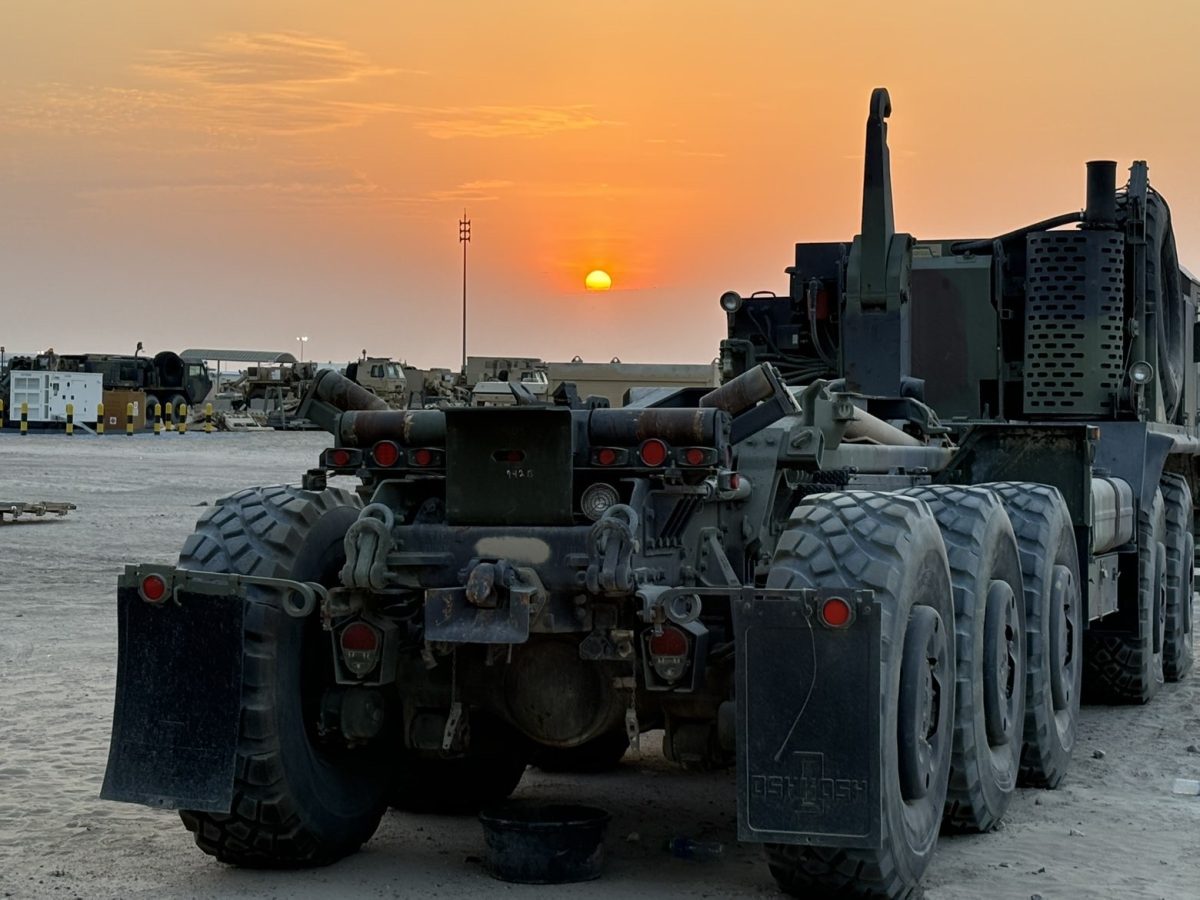
Serving overseas brought tough moments, including constant sunburn and other skin diseases, as well as constant exposure to the rough desert climate. Additionally, he had to overcome some mentally challenging times.
“My aunt, who was very important in raising me, passed away while I was in Kuwait,” Latenser said. “I am also very opposed to the United States continued military incursions into the region … so that made it difficult to be motivated about something I passionately disagreed with.”
Returning to K-State brought its own adjustments. Challenging exams and the academic workload proved strenuous, but outside the classroom, the transition was not as burdensome.
“My grades definitely struggled,” Latenser, who is majoring in sales, said. “But I felt like the human side of the transition was relatively fast.”
Austin Littlepage, sophomore in criminology and member of the Kansas National Guard, said that adjustment is common among student-soldiers.
“There’s just an element of understanding when you’re in the service that people outside of it don’t get,” Littlepage said.
Littlepage joined the Guard in high school when trying to figure out how to afford college, and said balancing service with school has taught him great discipline.
“It is definitely a difficult thing to manage at times, however far from impossible,” Littlepage said. “K-State has been absolutely fantastic about being flexible with the many required tasks and training the Army has bestowed upon me.”
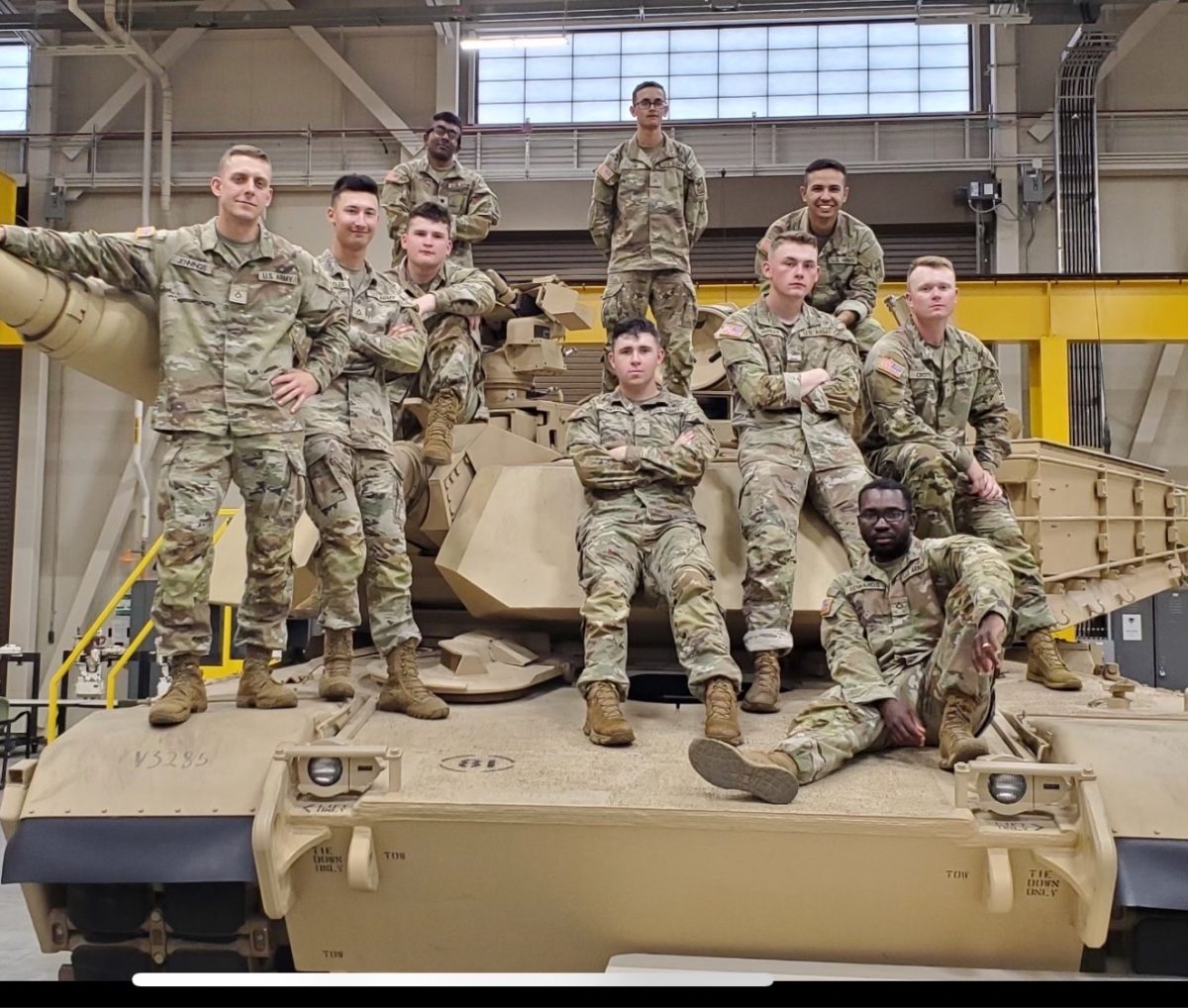
For Latenser, that same flexibility — and continuous support from fellow Guard members and K-State professors — made the return to campus feel welcoming. He said classmates are often curious about his service and ask questions about what he did overseas and why the U.S. military is present in Kuwait.
As for what Latenser wants people to know about student-soldiers and those returning from deployment, he said he doesn’t see himself as any different than anyone else.
“For me personally, I don’t really see how I’m any different than a normal student,” Latenser said. “The National Guard in my head is like a side job.”