




































































































Image by Freepik
Outdoor spaces have taken on a new level of importance in recent years. Whether it’s a small patio outside a student apartment, a shared campus courtyard, or a family home backyard, these areas are no longer treated as occasional-use zones. Instead, they are becoming extensions of daily living, places to study, relax, socialize, and even work.
This shift has brought greater attention to how outdoor environments are designed, particularly when it comes to comfort, usability, and adaptability across different seasons.
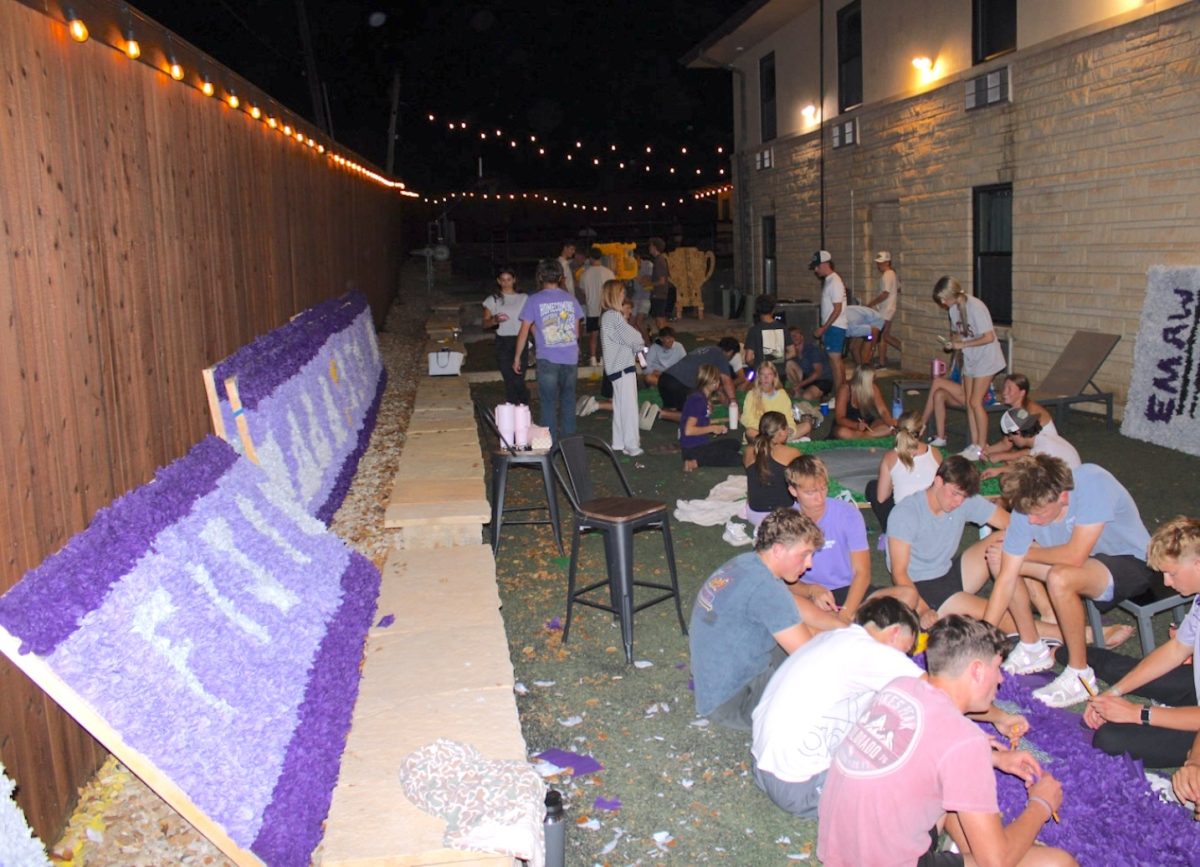
For students and young professionals, outdoor spaces offer something increasingly valuable: flexibility. A shaded patio can double as a quiet study spot during the day and a social gathering space in the evening. Similarly, shared outdoor areas on campuses are being reimagined to accommodate everything from group discussions to casual downtime.
However, usability depends heavily on environmental conditions. Exposure to direct sunlight, heat, and unpredictable weather can quickly limit how often these spaces are used. As a result, more people are looking for practical ways to improve outdoor comfort without sacrificing design.
One solution gaining traction is the integration of custom shade structures. Companies like GT Watts, known for designing and installing tailored canopy and awning systems, demonstrate how even simple structural additions can dramatically increase the functionality of outdoor areas. By providing consistent shade and protection, these solutions make it easier to use outdoor spaces throughout the day and across seasons.
Why Shade Matters More Than Ever
The importance of shade goes beyond comfort. It also plays a role in health, energy efficiency, and overall well-being.
Prolonged exposure to sunlight, especially during peak hours, can lead to overheating and increased UV exposure. According to the U.S. Environmental Protection Agency, limiting direct sun exposure is an important part of reducing risks associated with ultraviolet radiation. This is particularly relevant for students and individuals who spend extended time outdoors, whether studying or participating in campus activities.
In addition to health considerations, shaded areas help regulate temperature. Outdoor surfaces like concrete and metal can absorb and retain heat, making spaces uncomfortable even after the sun begins to set. By introducing shade, temperatures can be reduced significantly, creating a more inviting and usable environment.
Blending Design with Practicality
One of the reasons outdoor shade solutions have become more popular is their ability to combine aesthetics with functionality. Modern canopy and awning designs are no longer purely utilitarian. They are now available in a wide range of styles, materials, and configurations that complement different architectural settings.
For student housing, this means outdoor areas can feel more intentional and cohesive rather than improvised. A well-designed canopy over a patio or entrance can create a defined space that feels both comfortable and visually appealing.
At the same time, these structures can be customized to suit specific needs. Some are designed to provide maximum sun protection during midday hours, while others are angled or adjustable to accommodate changing light conditions throughout the day.
Supporting Social and Academic Life
Outdoor environments play a subtle but important role in shaping daily routines. On college campuses, shaded seating areas encourage students to spend more time outside, which can have positive effects on mood and productivity.
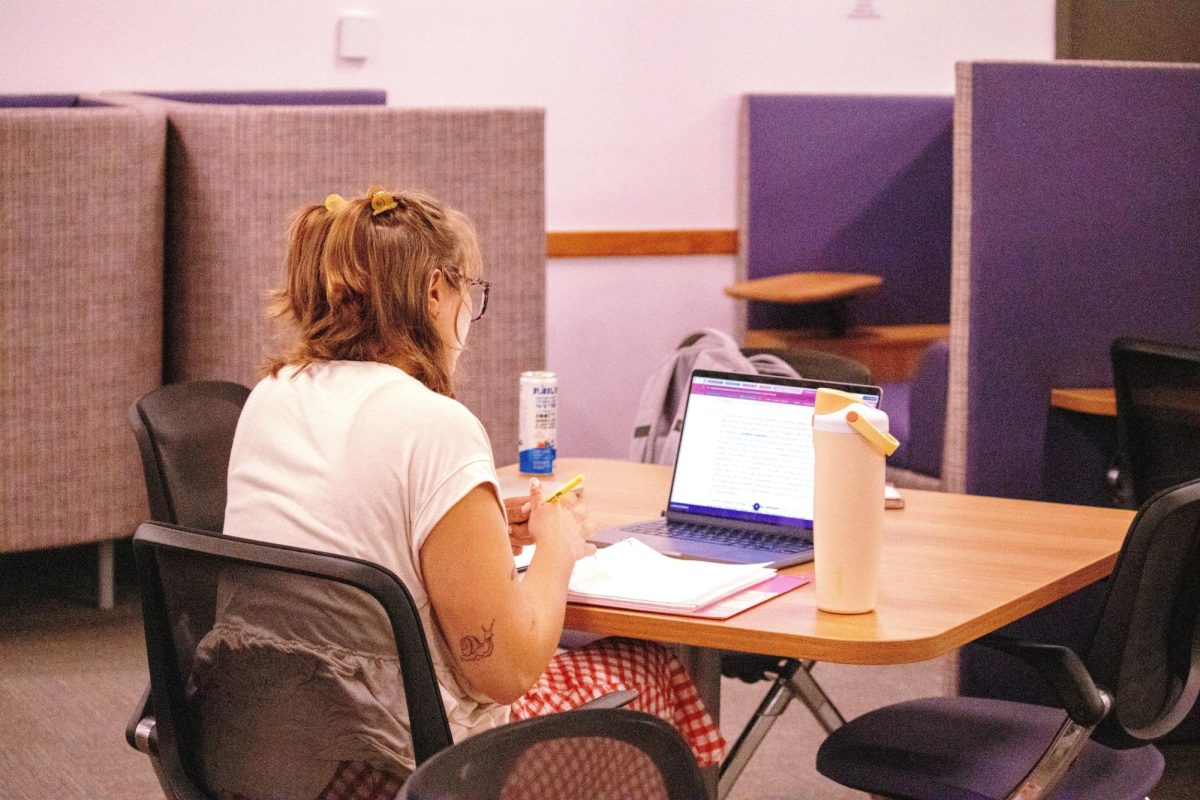
Natural light and fresh air are often associated with improved focus and reduced stress. When outdoor spaces are designed to be comfortable, they become viable alternatives to indoor study environments. This flexibility is particularly valuable during busy academic periods, when students benefit from having multiple settings to choose from.
In residential settings, the same principle applies. A shaded backyard or patio becomes a place where people can unwind without needing to retreat indoors, especially during warmer months.
Adapting to Changing Weather Patterns

Image by boggy on Freepik
Another factor driving interest in outdoor structures is the increasing variability of weather conditions. Hotter summers, stronger sunlight, and more unpredictable seasonal changes have made it harder to rely on outdoor spaces without some form of protection.
Shade solutions offer a way to adapt without requiring major renovations. They can be installed relatively quickly and adjusted or expanded over time as needs change. This makes them a practical option for both temporary living situations, such as student housing, and long-term residential use.
Additionally, some modern designs incorporate weather-resistant materials that provide protection not only from sunlight but also from light rain. This extends the usability of outdoor spaces even further, allowing them to remain functional in a wider range of conditions.
A Shift Toward Intentional Living
At a broader level, the growing focus on outdoor design reflects a shift toward more intentional living. People are paying closer attention to how their environments affect their daily experiences, from productivity and comfort to social interaction.
Instead of viewing outdoor areas as secondary or optional, they are being integrated into the overall design of living spaces. This approach emphasizes versatility, encouraging individuals to make the most of every available area.
For students, this can mean transforming a small balcony into a functional study nook. For homeowners, it might involve creating a shaded outdoor dining area that becomes a regular part of daily life.
Looking Ahead
As lifestyles continue to evolve, the demand for adaptable, comfortable environments is likely to grow. Outdoor spaces will play an increasingly important role in meeting this need, particularly as people seek balance between indoor and outdoor living.
The integration of thoughtful design elements, such as shade structures, seating, and layout planning, will be key to making these spaces both practical and enjoyable.
Ultimately, the goal is not just to create outdoor areas that look good, but to design spaces that support how people actually live. Whether on a college campus or in a residential neighborhood, the ability to use outdoor environments comfortably and consistently is becoming less of a luxury and more of an expectation.
And as more individuals recognize the value of well-designed outdoor spaces, solutions that enhance usability, like those offered through custom canopy and awning systems, will continue to play a central role in shaping how these environments are experienced.