













































College sells you a vision. Late nights with people who just get you, a crew that forms naturally, bonds that feel effortless.
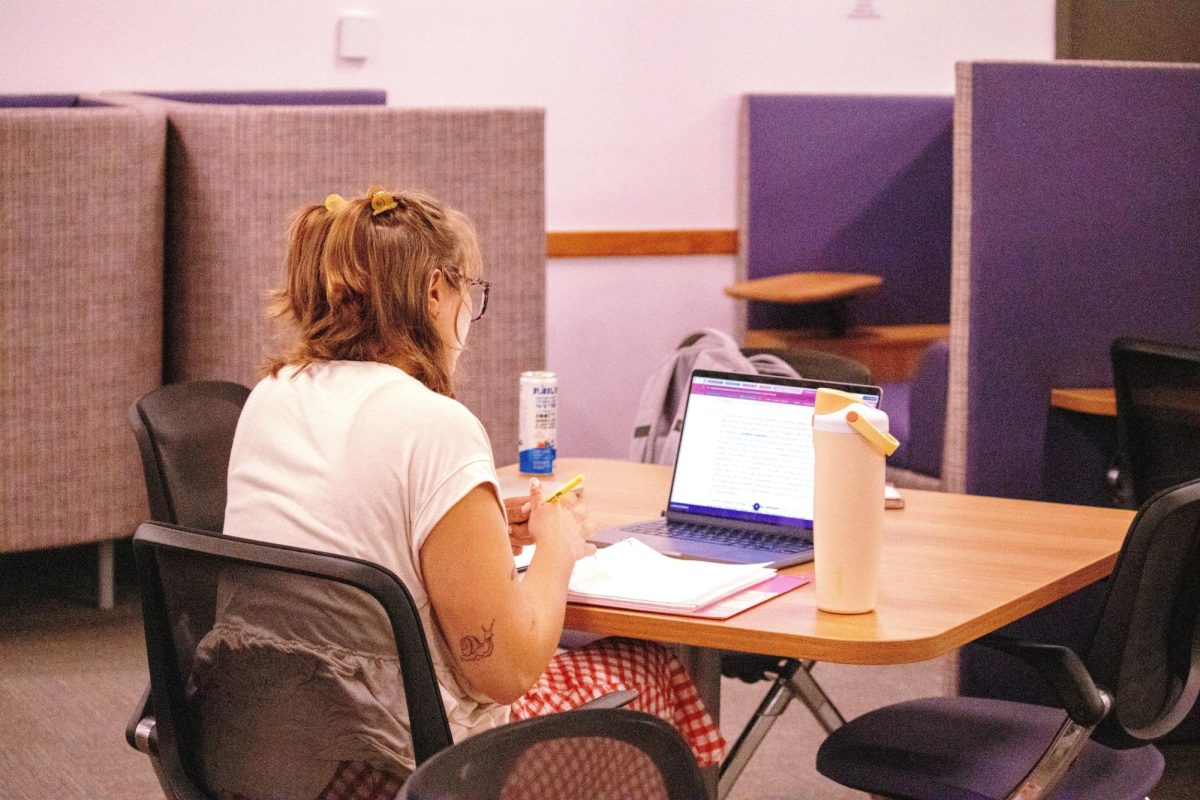
Then you actually get there and spend your first semester eating lunch alone while scrolling your phone pretending to be busy. It catches people off guard every single year.
And the frustrating part is it’s not about effort. Most students are genuinely trying. They go to the club fair, sign up for three things, attend one meeting each, and quietly fade out when nothing sticks.
The campus social architecture just wasn’t built for real connection; it was built for exposure. You sit next to the same person twice a week for an entire semester and still don’t know their name.
Not because either of you is unfriendly. Because nothing ever created a reason. Recreational sports change that equation in ways that almost nothing else does.
Not because exercise is some social miracle, but because something genuinely different happens when people move together toward the same goal with a little friendly chaos in the mix.
Why the Fast, Scrappy Sports Are Winning Right Now
Students are stretched thin. Between classes, jobs, sleep debt, and the general cognitive load of young adulthood, a two-hour intramural commitment on a Tuesday night is a hard sell. It sounds fun in theory and exhausting in practice.
The sports gaining real traction on campuses have figured this out.
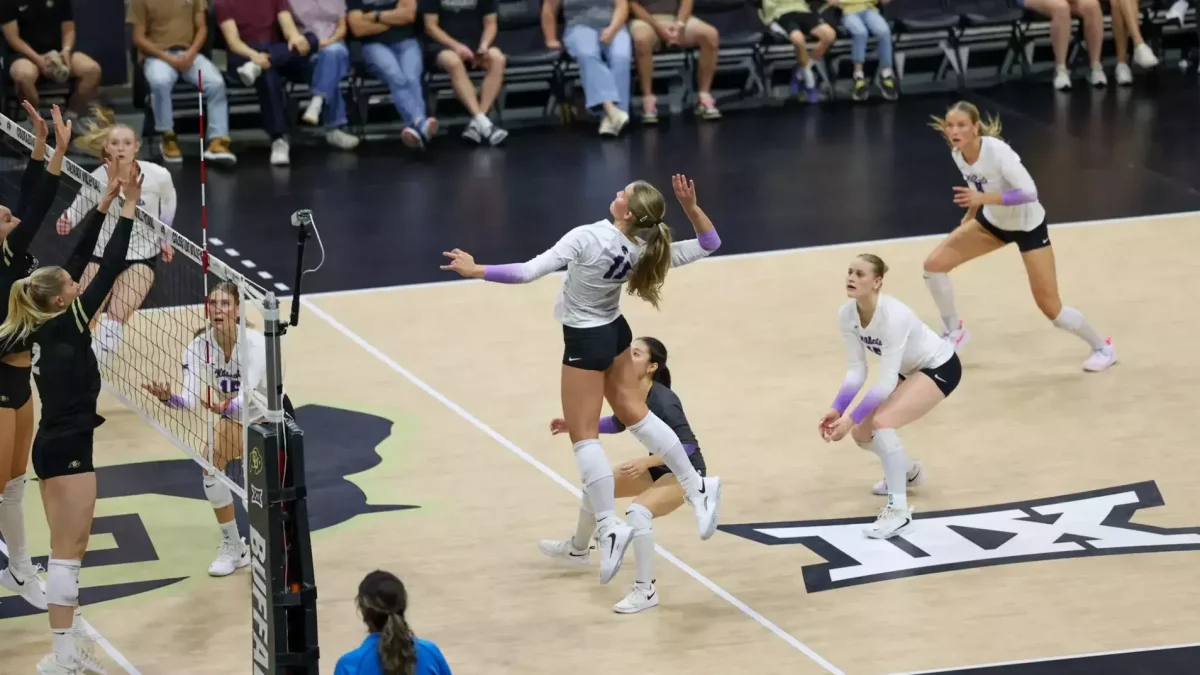
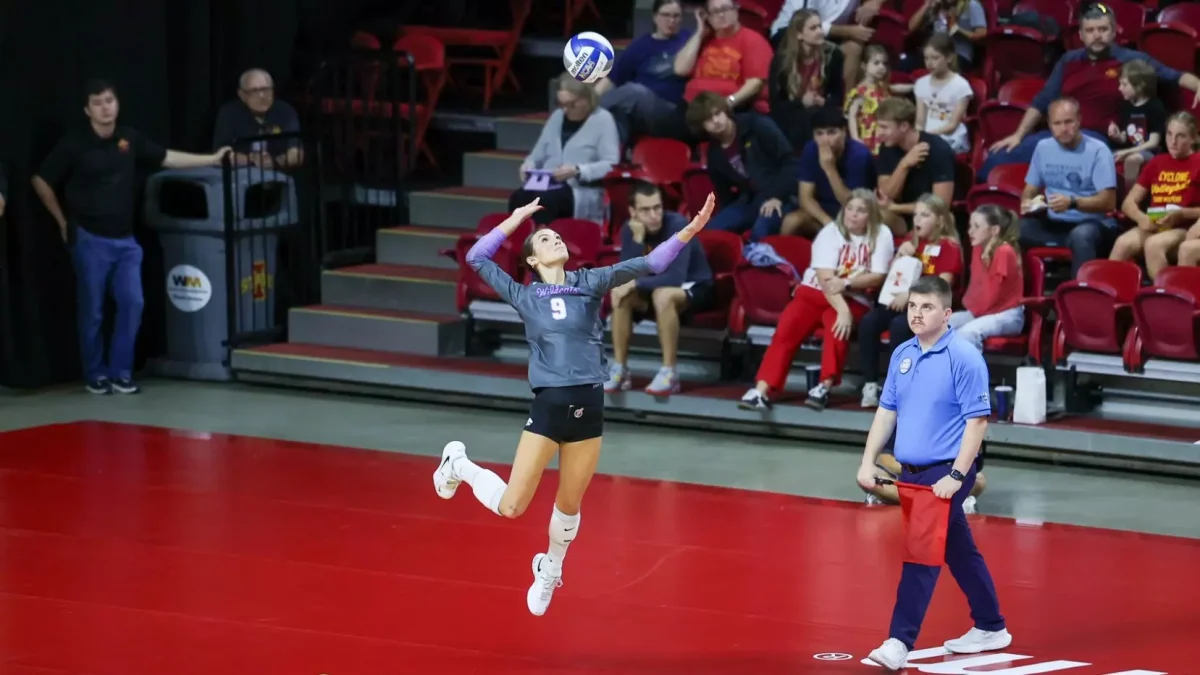
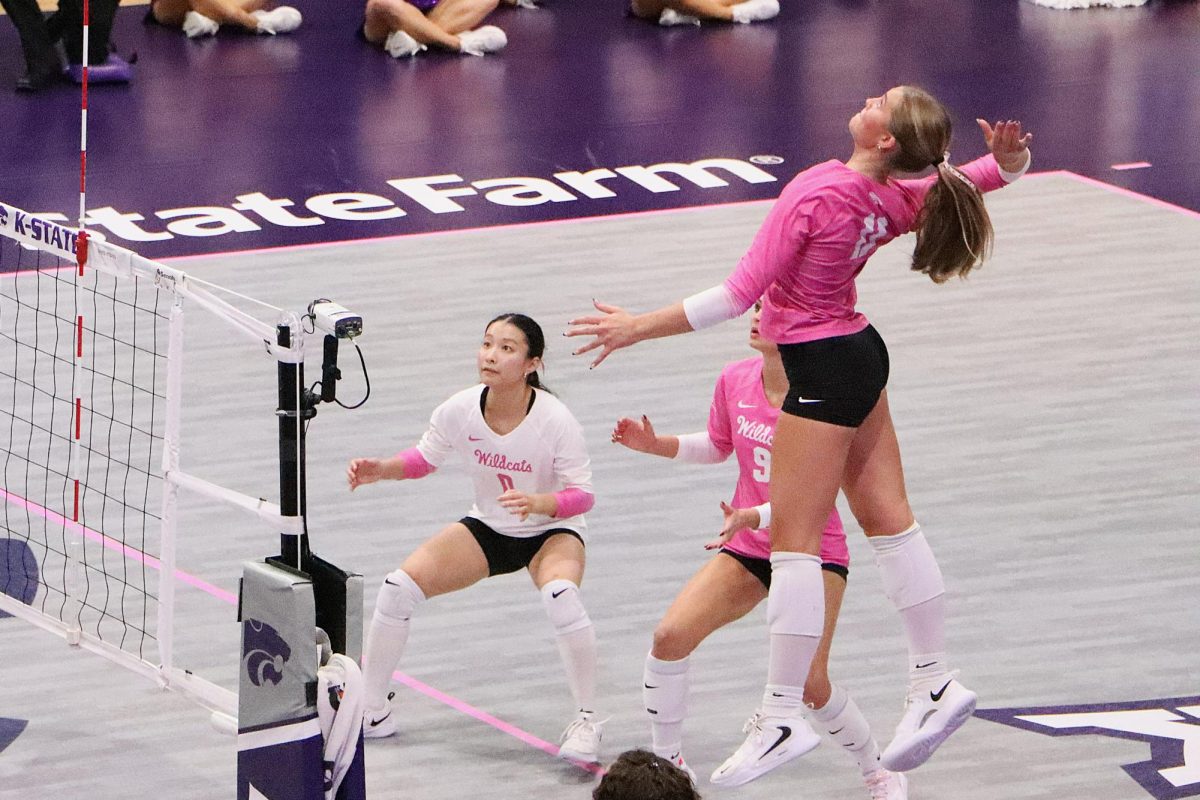
Pickleball, spikeball, three-on-three basketball, volleyball, they’re all built around short games, easy rotation, and a skill floor low enough that a complete beginner can have a genuinely good time within their first twenty minutes.
Nobody’s warming a bench. Nobody’s waiting to matter. Pickleball has especially turned into something beyond a sport. It became a social format.
You rotate partners constantly, you end up playing with strangers, you have a side conversation about something completely random while waiting to serve.
Pickleball leagues Los Angeles saw tens of thousands of new players in a single year, a huge chunk of them college-aged, and organizers kept saying the same thing: people weren’t coming back for the paddle work.
They were coming back for the specific people they’d played with the week before. That distinction matters more than it sounds.
Structured Events Can’t Do What a Pick-Up Game Does
Orientation mixers, club fairs, residence hall socials: genuinely well-intentioned, almost always awkward. And the reason is structural, not social. There’s no shared activity to anchor you.
You introduce yourself, hit the same three talking points, and then stand there holding a drink, wondering what happens next. The conversation ends, and there’s no thread to pick back up later.
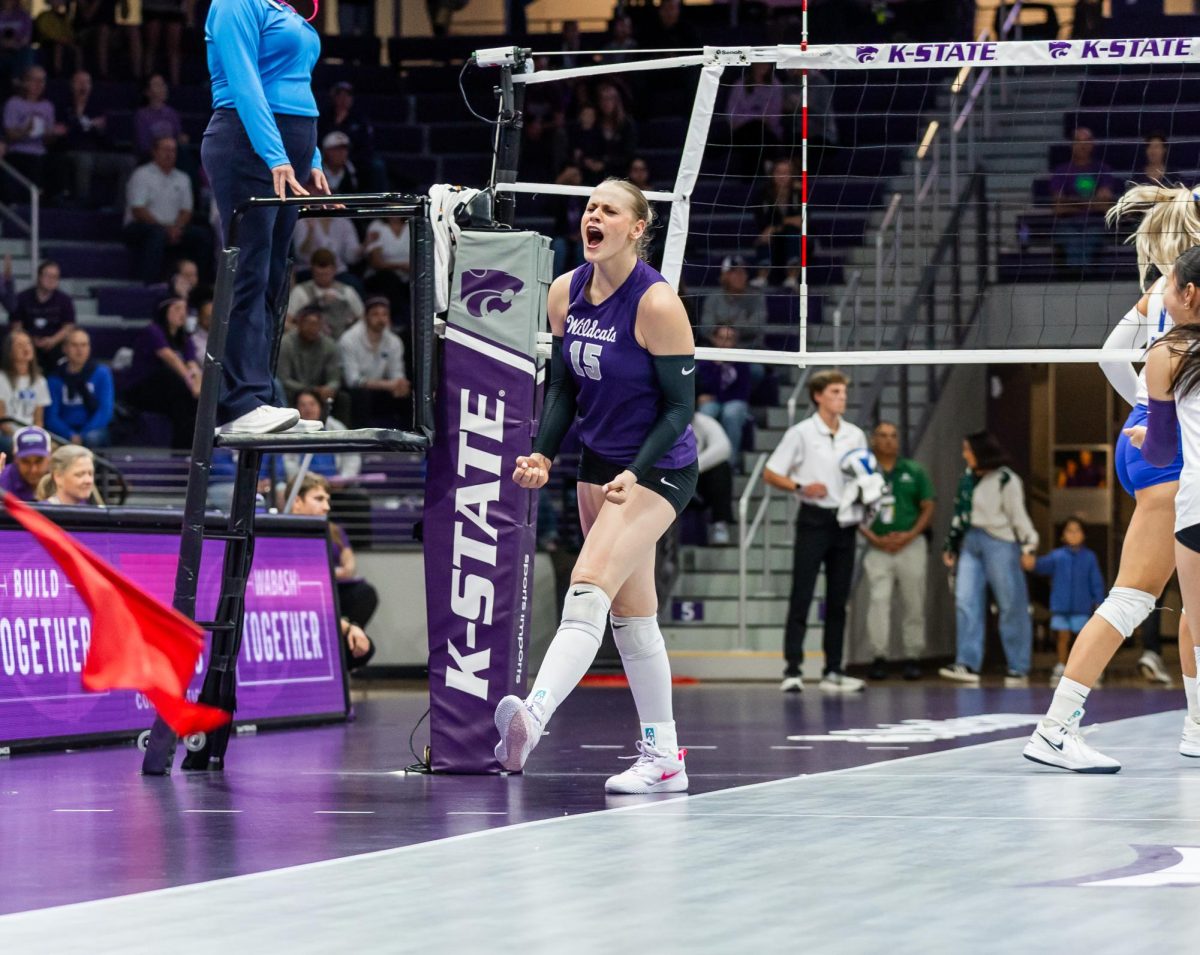
Pick-up sports are different because they give you a shared experience to reference. When someone on your team makes an impossible get mid-rally and you both lose it, that reaction is real, and it’s mutual.
Nobody planned it. It just happened. And it becomes the kind of moment you mention next time you see that person.
Those small things stack up faster than any icebreaker exercise ever could. Pickleball leagues, Austin has built genuine neighborhood communities around this exact dynamic; casual drop-in formats where strangers become familiar faces over a few weeks without any formal commitment required.
Campus programs running similar structures are watching students who showed up alone quietly become part of a social circle by their third or fourth visit.
The Mental Health Angle Deserves More Honesty
College is hard in a specific, grinding way that’s difficult to articulate from the outside. The academic pressure, the financial stress, the constant social performance of it; it doesn’t arrive all at once. It accumulates.
And the instinctive responses most students reach for, more isolation, more screen time, more caffeine, quietly make everything worse.
Recreational sports interrupt that cycle in a way that’s almost unfair in how effective it is. Thirty minutes of actual play with actual people does something a wellness seminar simply cannot.
Your brain stops running on language and abstraction and shifts into tracking movement, space, and reaction. You come back to your desk genuinely clearer, not just rested.
The social piece amplifies the whole thing. Human nervous systems regulate against each other; being around relaxed, friendly people in a low-stakes environment has a measurable calming effect.
That casual doubles game isn’t just light cardio. Something real is happening physiologically. The catch is consistency. One session gives you a glimpse. Regular sessions actually change things.
Which is exactly why recurring league structures matter so much more than one-off events — showing up every Thursday builds something that showing up once never could.
Beginner-Friendly Isn’t the Backup Plan — It Is the Plan
A lot of campus rec programs, without meaning to, design for the students who need them least. The athletes, the confident ones, the people who already have a friend group and just want somewhere to play. Those students will be fine regardless.
The harder design problem is the student who almost didn’t come. Who doesn’t know anyone, isn’t sure they’re good enough, and is quietly doing a risk calculation about whether walking in alone will be worth it.
That student needs something genuinely different — no tryouts, no unspoken skill threshold, no sense that they’re disrupting something they weren’t invited into.
Pickleball leagues Denver embedded this philosophy from the start, building beginner-friendly formats into the main structure rather than tucking them off to the side as a separate, lesser track.
The outcome was clear: new players converted into consistent regulars at a much higher rate. Campus programs that have taken the same approach are seeing the same retention numbers.
Inclusion isn’t a consolation feature. It’s what makes the whole thing actually work.
The Programs Students Build Themselves Hit Different
The most alive campus rec communities right now share one quiet characteristic: students aren’t just showing up, they’re running things. Organizing round-robins, managing brackets, recruiting their friends, shaping what the culture actually feels like from the inside.
When an institution delivers a program to students, you get attendance. When students build something themselves, you get investment. The energy in both rooms is completely different and immediately obvious to anyone who’s been in each.
Give students the structure and the space. They’ll handle the rest, and what they build is usually better than anything that was planned for them.
They were always capable of connecting. They just needed somewhere worth showing up to.