
































































Overview
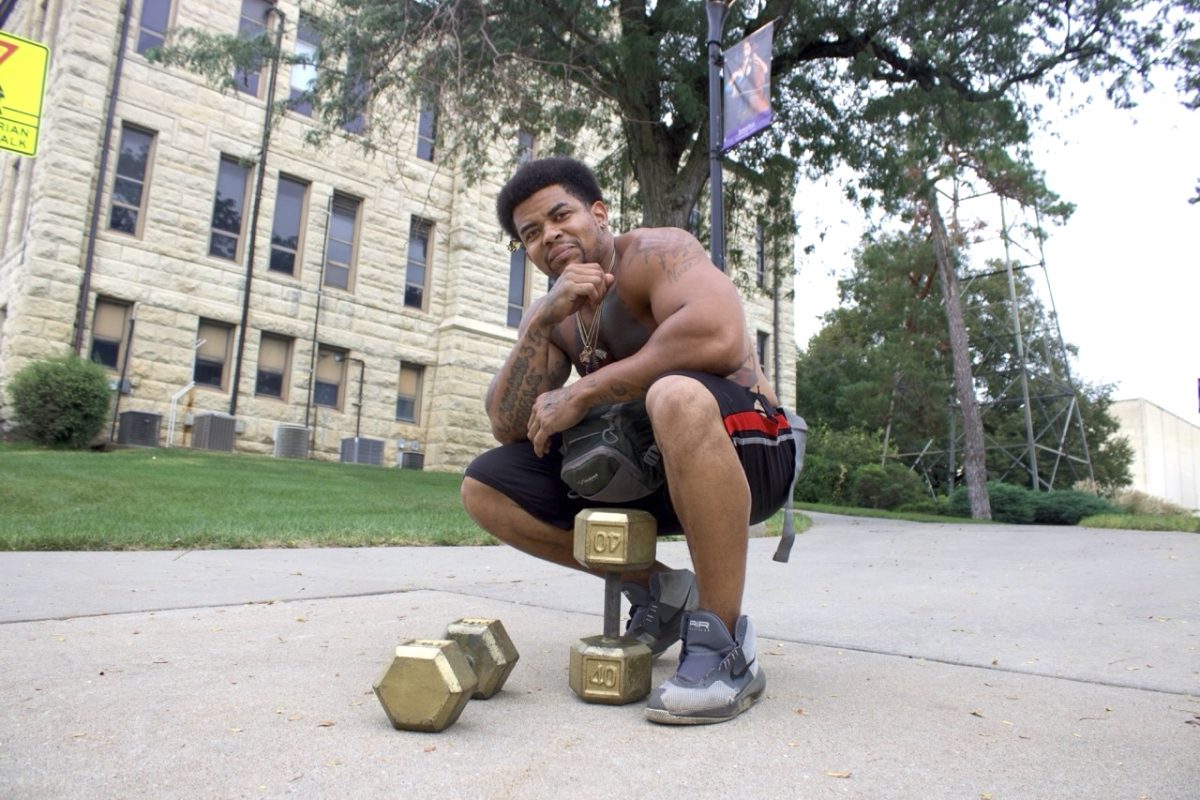
Training hard is often seen as a shortcut to discipline, leanness, and confidence. Many men believe that pushing harder in the gym will automatically produce better results. However, when intense workouts pile up without enough recovery, quality nutrition, and stress management, the body can quietly shift into survival mode.
Instead of improving performance, this imbalance can trigger fatigue, persistent soreness, and powerful cravings.
When intense training meets poor recovery
Exercise is a stressor — a beneficial one when balanced with proper recovery. But when intensity remains high while recovery remains low, the nervous system and hormonal balance begin compensating in ways that undermine progress.
Common physiological responses include:
- Stress hormones rising to keep the body functioning under constant load
- Blood sugar regulation becoming unstable, increasing cravings
- Sleep quality dropping, weakening appetite-control signals
- Muscle recovery slowing, leaving the body sore and flat
- Motivation shifting from focused energy to irritability and food-seeking behavior
At this stage, cravings are not about willpower. They are biological signals that the body is depleted and trying to restore balance.
Many men respond by pushing even harder — adding more workouts or cutting calories further — which only intensifies the internal stress response.
The recovery gap most men overlook
Real progress depends just as much on what happens outside the gym as what happens during a workout. Recovery hormones play a crucial role in determining how the body adapts to training.
Key recovery factors include:
- Deep sleep that supports tissue repair and metabolic stability
- Balanced meals that reduce cortisol-driven hunger spikes
- Lower stress levels that improve insulin sensitivity and energy regulation
- Strategic rest days that protect the nervous system from overload
- Hormonal recovery that supports muscle maintenance and emotional stability
When these systems are functioning properly, the body responds to training efficiently rather than defensively.
This is also why discussions around hgh benefits for males sometimes arise in conversations about recovery and performance. Resources from providers such as HGH Therapy Doctor often highlight the connection between growth hormone, sleep quality, muscle repair, and fat metabolism — all of which are influenced by recovery habits.
Restoring balance between training and recovery
To keep intense training productive rather than draining, recovery needs to match effort.
Helpful adjustments include:
- Prioritizing consistent, high-quality sleep each night
- Eating nutrient-dense meals with sufficient protein and healthy fats
- Scheduling rest or active recovery days between hard training sessions
- Managing stress through breathwork, light movement, or relaxation practices
- Monitoring energy levels rather than constantly pushing maximum intensity
When rest, nutrition, and stress management return to balance, cravings often decrease, energy stabilizes, and training becomes productive again.
Conclusion
Intense exercise can be powerful for improving strength, body composition, and confidence. But when recovery, nutrition, and stress management fall out of sync, the same workouts can lead to fatigue, cravings, and stalled progress.
Balancing effort with recovery allows the body to adapt properly. When sleep, food quality, and stress regulation support training demands, energy stabilizes, performance improves, and the gym once again works for you instead of against you.