




























































































































Managing money in college rarely feels straightforward. One week you are fine, the next you are juggling textbooks, rent, groceries, and a coffee habit that somehow doubled overnight. The right mobile apps will not magically fix your budget, but they can make the everyday routines behind good money management easier to stick with.
What Smart Finance Behaviours Look Like in Real Life
Smart financial behaviours are not complicated. They look like checking your spending before heading out, setting aside a few dollars when you can, or keeping track of bills so nothing sneaks up on you. Most students do not struggle with knowing what they should do. The more challenging part is staying consistent. Apps help by making these actions quick, visible, and repeatable even on the busiest weeks.
Budgeting Tools That Fit Into Your Day
Budgeting does not have to mean spreadsheets or strict rules. With many apps, your spending updates in the background while you go about your day. You might get a small ping when you tap your card or a weekly snapshot showing where your money actually went. It is a simple way to stay aware without hovering over your bank account. When you can see your spending patterns, like food deliveries stacking up around midterms, it becomes easier to make minor adjustments.
Saving Without Overthinking It
Saving feels daunting when your income shifts week to week, but apps break it into much smaller steps. Round-ups, auto transfers, and flexible savings goals help you build a cushion in the background. Even saving a few dollars at a time adds up when the app handles the timing for you. These small nudges reduce decision fatigue and give you a sense of progress without the pressure of saving significant amounts all at once.
Keeping Bills From Catching You off Guard
Most students know the feeling of remembering a bill at the absolute last minute. Apps that gather your monthly expenses in one place or send reminders before a due date make that stress far less common. Seeing your upcoming bills on one screen helps you plan around tight weeks and avoid late fees. It only takes a moment to maintain and can make a big difference in how organized you feel.
Seeing Spending Patterns As They Happen
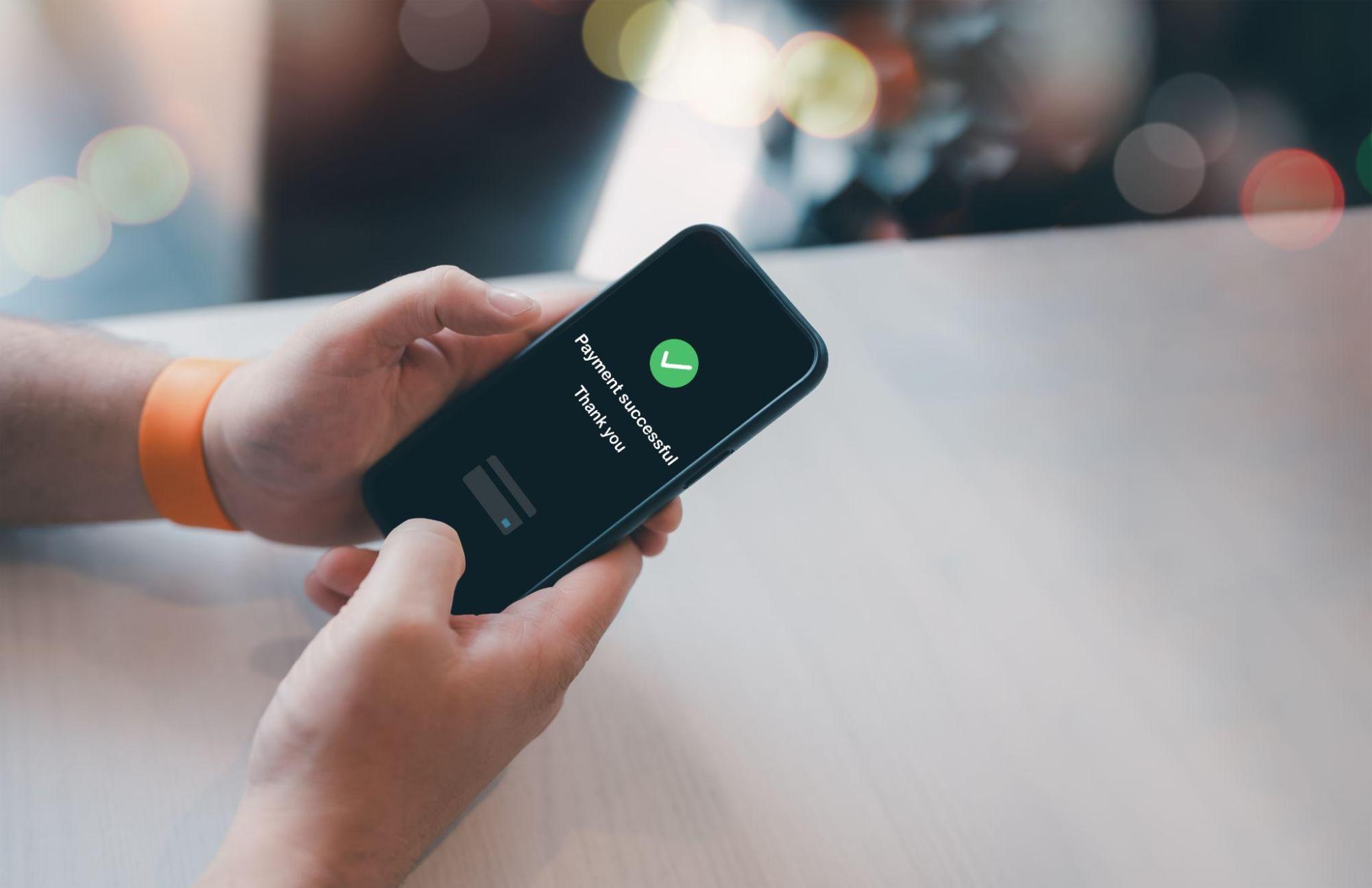
One of the most significant advantages of mobile tools is real-time awareness. When an app notifies you immediately after a purchase, it becomes easier to pause and think instead of drifting into overspending. Many tools also include charts or simple insights that show your weekly or monthly behaviour. These visual cues are surprisingly motivating and help you catch trends you did not even realize you had. Some students who use a trading app for market alerts notice that the instant feedback feels similar because both types of tools make financial decisions easier to understand and track in the moment.
Choosing Apps That Actually Fit You
There is no single best finance app. What works for your roommate might not work for you, especially if your schedules, income patterns, or comfort levels with managing money differ. Some people prefer simple dashboards. Others want automatic syncing or goal tracking. Think about what feels natural. If you dislike manual entry, choose something hands-off. If visual progress keeps you motivated, pick an app with charts or color-coded categories. Fit matters more than the length of the feature list.
Feeling Confident About Privacy and Security
It is normal to feel hesitant about linking your bank account to an app. Look for clear privacy policies, encryption, and well-known developers. Reputable apps cannot move your money without your permission and usually let you control what information is shared. Reading reviews and checking for transparency around data practices helps you feel more secure. Feeling safe with your tools is part of building financial confidence.
How Many Apps Do You Really Need
Fewer than you think. Most students do well with one app for budgeting and one for savings or bill reminders. Any more than that, and it can become another source of overwhelm rather than a helpful tool. Start with the app that solves your biggest challenge right now. You can always add another later if it would genuinely help.
Can Apps Really Change Long-Term Behaviour
They can help a lot. The most effective tools do not attempt to overhaul your entire financial life. Instead, they build momentum through small wins like reminders, progress bars, visual snapshots, and automatic actions that keep you engaged. Over time, these cues help you feel more in control of your money, even during hectic semesters. Apps do not replace discipline, but they make the process far less stressful and much more manageable.
Final Thoughts
Good money management grows from small, consistent steps rather than significant, intimidating changes. With the right mobile apps, you can build routines that help you stay aware of your spending, save without pressure, and avoid last-minute bill surprises. Choose tools that match your lifestyle, keep things simple, and make money management feel more doable on a student budget.